

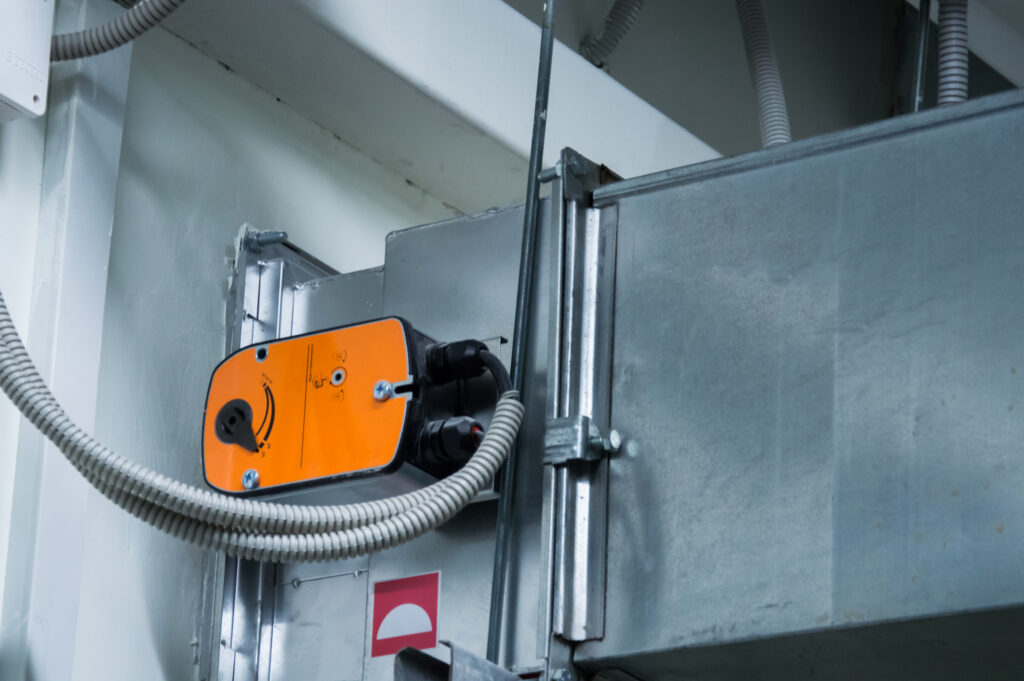
Economizer Damper Check Before Peak Heat
Key Takeaways About Economizer Damper Check
An economizer damper check verifies that outside air dampers and actuators operate correctly to save cooling energy. This information is for homeowners and property managers before peak heat when failures cause comfort and efficiency problems.
- Identify visible damage or debris blocking damper blade travel.
- Prevent actuator wear by noting slow or irregular motor response.
- Avoid electrical hazards by stopping tests if wiring looks damaged.
- Spot uneven airflow or odors that indicate sealing problems.
- Reduce wasted cooling by confirming full open and closed positions.
- Plan seasonal checks and document findings for technician visits.
Introduction
As outdoor temperatures climb, fresh air economizers can reduce cooling load and keep indoor air healthier. A stuck or misaligned economizer damper removes those benefits and can force the HVAC system to run harder. Homeowners may notice odd airflow, different smells, or unexplained humidity when dampers fail. Recognizing these signs early prevents reduced comfort and heavier energy use during peak heat.
Economizer dampers control how much outside air mixes into the return air stream for cooling efficiency. When dampers or their actuators malfunction the system may pull in too much or too little outside air. This imbalance can strain the blower motor and alter temperatures room to room. Property managers often see this issue show up first as uneven cooling in occupied spaces.
Actuator problems are common because they handle the damper movements many times each day during warm seasons. A noisy actuator, slow response, or one that stops mid-stroke are warning signs to watch for. Motors, linkages, and control signals all affect actuator performance and can cause erratic damper behavior. Ignoring these symptoms increases wear on the whole air handler and risks occupant discomfort.
For homes and properties in Bedford, TX and Euless, TX these failures become more noticeable as the heat intensifies. A professional technician will confirm the issue with visual checks, measured positions, and control signal readings. That diagnostic approach shows whether the damper, actuator, or controls need repair or replacement. Acting before the hottest days helps maintain comfort and system reliability.
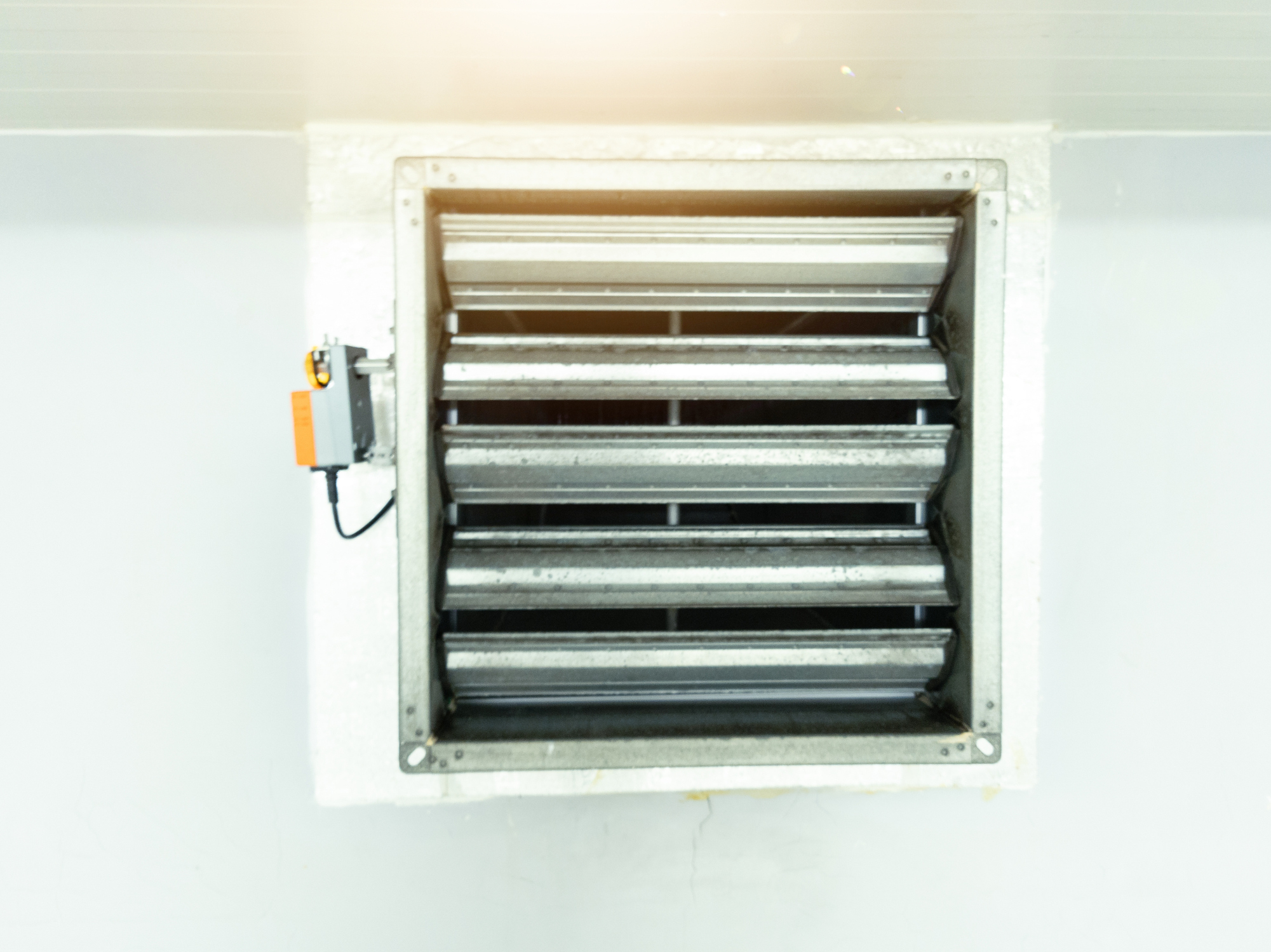
What An Economizer Damper Does And How It Works
An economizer damper modulates outside air intake to reduce mechanical cooling when conditions allow. It opens and closes to mix fresh air with return air based on temperature and control signals. The damper assembly sits in the air handler or rooftop unit within the supply or return plenum. Homeowners often ask if a damper can save energy, and the short answer is yes when it operates correctly.
- Frame and blade: the physical damper parts.
- Actuator: the motor that moves the blades.
- Linkage and stops: set travel limits.
- Control module or thermostat input: tells the damper when to move.
The damper follows a control strategy using outside air temperature, enthalpy, or simple dry-bulb setpoints. When conditions are favorable the control sends a command and the actuator drives blades toward the open position. If the control calls for economizer mode the damper blends outside air until the thermostat setpoint can be met with minimal compressor use. This explains why an economizer damper check matters before sustained hot weather.
Damper movement is both mechanical and electrical, so failures fall into those two categories. Mechanically, warped blades, loose linkages, or obstructing debris can stop travel or cause air leakage. Electrically, poor wiring, bad actuator gears, or incorrect control signals will prevent proper positioning. A homeowner noticing abnormal drafts or noises should consider a targeted inspection.
A professional diagnosis will confirm whether the damper, actuator, or controls cause the problem using a sequence of tests and observations. They visually verify blade alignment and look for debris, then manually command open and closed positions while watching actual travel. Technicians use a multimeter to check control voltages and a written report to record measured positions and actuator response times. For more background on fresh air intake components see HVAC fresh air intake essentials.
In a common situation, a homeowner hears a scraping sound and feels less cool air in one room than others. A technician would first observe blade movement during a commanded cycle and note the actuator travel and position. They would then measure voltage to the actuator and inspect linkage for slop or binding. That sequence isolates whether the issue is the damper hardware or the control system.
Signs Of Faulty Dampers And When To Act
Watch for uneven airflow or rooms that warm faster than others, as these often indicate the damper no longer modulates properly. A steady draft at a vent when economizer mode is off can mean blades are stuck partly open and leaking outside air. Faint musty or outdoor smells indoors during cooling cycles suggest excess fresh air bypass, which usually ties back to damper sealing problems. Homeowners who notice these cues should record when they happen and under what outdoor conditions to help a technician diagnose the cause.
Unusual sounds during damper movement also point to trouble and deserve prompt attention before peak heat stresses the system. Grinding, scraping, or repeated clicking often come from bent blades, loose linkage, or failing actuator gears that bind during travel. If noises occur only when the control calls for economizer mode, the control signal or actuator response may be intermittent. A professional will compare commanded travel to actual blade position to confirm whether the actuator is following the control input.
Another clear sign is slow or partial damper travel where the actuator moves but blades stop short of the expected position. This symptom can arise from worn stops, obstructing debris, or degraded actuator torque that cannot overcome friction. Technicians typically check blade alignment, inspect linkages, and measure voltage to the actuator during an economizer damper check to determine whether mechanical resistance or electrical failure limits movement. The recorded positions and signal readings tell them if parts need tightening, cleaning, or replacement.
Look for control-related symptoms such as dampers switching on and off rapidly or moving erratically between positions during a single cycle. Such behavior may indicate incorrect setpoints, loose wiring, or a failing control board that sends unstable signals to the actuator. For properties in Bedford, TX and Euless, TX this can show up as fluctuating indoor temperatures during hot afternoons when the economizer should provide steady relief. For guidance on balancing airflow and troubleshooting basic control behavior, see the HVAC airflow control tips page before scheduling a professional inspection.
Common Causes Of Economizer Damper Failure Explained
Damper blades can fail from corrosion or paint buildup that prevents tight sealing when closed. Corroded edges create gaps letting outdoor air bypass into the return plenum and cause indoor humidity swings. Technicians inspect blade edges and seals during an economizer damper check to spot surface damage or missing seals. If they find degraded seals, the remedy often requires replacing the gasket or adjusting blade seating.
Mechanical binding from loose or bent linkages commonly stops full travel and causes erratic positions. A technician will manually cycle the damper while watching linkages for slop, broken fasteners, or misaligned bearings. Worn stops or missing limit adjustments also let blades overtravel, producing rubbing noises and premature gear wear. Correcting linkage geometry and resetting stops restores smooth motion and prevents repeated actuator strain.
Actuator torque loss and internal gear wear reduce reliable movement and can leave blades stuck mid-position during critical cooling hours. Electric actuators show symptom patterns such as slow response, repeated retries, or a humming sound without blade motion. Professionals confirm actuator faults by measuring control voltage and observing whether the actuator shaft turns under command. When an actuator fails these tests, replacement is usually necessary to return consistent damper control.
Control signal errors or wiring faults create unpredictable damper behavior and can mimic mechanical failures during diagnostic checks. Technicians trace wiring back to the control module and use a multimeter to verify steady voltages and correct signal types during an economizer damper check. They may also check control calibration and sequence settings as part of broader system tuning to ensure proper interaction between thermostat and damper. For properties in Bedford, TX and Euless, TX these confirmation steps prevent misdiagnosis and support accurate written reports for repairs.
Debris and foreign objects lodged in the damper throat often show up suddenly after roof or duct access work and block blade travel. Visual inspection with the air handler panel removed lets a technician spot trapped insulation, nesting material, or screws that jam blades. They will document findings with photos and recorded positions to guide repair decisions and to confirm post-repair clearance. Routine calibration and testing help catch such issues early, which is why technicians reference HVAC system calibration procedures during service.
Simple Homeowner Tests For Damper Operation
Begin with a visible movement test by watching the damper during an economizer call from the thermostat. Put the system into economizer mode and stand where you can see the damper blades through the access panel. Note whether blades move smoothly from closed to open and back without hesitation or rubbing. If blades pause or grind, record the time and any sounds to show a technician.
- Check that blades reach a clear open position.
- Verify blades return fully to the closed position.
- Listen for scraping, grinding, or repeated clicking.
- Note how long a full cycle takes.
Next, try a simple tactile check of the actuator response by gently applying resistance during a cycle. Place a gloved hand near the linkage to feel for steady torque without sudden slippage or looseness. If the actuator stalls or you feel grinding through the linkage, stop and record the symptom. Such tactile clues help a professional determine whether actuator gears or linkage parts wear out.
Perform a basic electrical confirmation by observing indicator lights on the control board or thermostat when the damper is commanded. Look for steady status lights that match the economizer call, blinking or absent indicators suggest control signal problems. If you can safely access the air handler, photograph the lights and positions for later review. These photos and notes speed diagnosis during a professional visit.
Finally, document the problem in a short log including time of day, outdoor conditions, and observed damper positions during each test. Homeowners in Bedford, TX and property managers in Euless, TX should note whether symptoms correlate with hot afternoons or following rain events. Share the log and your photos with the technician when scheduling service for a focused economizer damper check. If any test shows binding, electrical inconsistency, or safety concerns, contact a professional rather than continuing DIY inspection.
Actuator Problems Why It Happens And When To Call
When an actuator labors or stops mid-travel, homeowners should focus on cause rather than immediate replacement. A technician will check actuator shaft rotation and linkage alignment to confirm whether mechanical binding reduces torque. They may disconnect the actuator to see if the damper moves freely by hand and note any stiff points or rubbing. Those observations help determine if the actuator gears, linkage, or damper stops need attention.
Electrical faults often mimic mechanical failure, so professionals first verify control signals and power at the actuator terminals. A multimeter reading of expected control voltage or a steady 24V signal confirms commands reach the actuator. If voltage is present but the actuator does not respond, the tech will test actuator continuity and listen for motor noise indicating internal gear problems. Documented readings and photos form part of the diagnostic report for clear repair decisions.
Actuators sometimes exhibit intermittent behavior when wiring or connectors are loose or corroded from moisture exposure. A technician inspects terminal blocks, strain reliefs, and harnesses for loose screws or damaged insulation during an economizer damper check. They also check the actuator mounting and linkage fasteners to ensure no slop allows missed steps or backlash. If they find corrosion or broken connectors, replacing the connector and resecuring wiring restores reliable signaling.
Homeowners may notice particular cues that mean calling a pro immediately instead of delaying service during peak heat. If the damper fails to reach full closed position causing constant outdoor air, or the actuator hums without moving blades, contact a technician for a thorough inspection. For preventative replacements or thorough diagnostics, technicians will reference air handler condition during service and often review the air handler maintenance guide before recommending work. Properties in Bedford, TX and Euless, TX often benefit from seasonal checks to catch actuator degradation before the hottest weeks.
How To Safely Inspect And Record Damper Movement
Begin by shutting off power to the air handler at the breaker and posting a note to prevent accidental restart, ensuring your safety. With power off, open the access panel and photograph the damper position and actuator mounting for a baseline record. Note any visible gaps at blade edges, foreign material in the throat, or bent linkage components before re-energizing the system. These photos and notes form part of a clear inspection log to share with a technician.
Restore power and command an economizer call while timing the full open and closed cycles with a stopwatch or phone timer. Watch the actuator shaft and damper blades for smooth, continuous motion and listen for sudden grinding or clicking that indicates mechanical interference. Record the seconds for each transition and the blade positions at end of travel using photos or detailed notes. If motion stalls or hesitates, stop the test and mark the exact position where movement stopped for diagnostic clarity.
Use a multimeter only if you are comfortable and trained, otherwise, skip electrical checks and contact a professional to avoid shock. If testing voltage, measure at the actuator terminals during an economizer call to verify control signals reach the actuator consistently. Document voltage readings, any fluctuation during travel, and whether the actuator responds to steady 24V commands. A tech will use these recorded values to separate wiring or control problems from mechanical issues.
In cases where airflow balancing looks off after testing, reference professional balancing procedures to support the diagnosis and next steps. Homeowners sometimes record static damper positions that suggest downstream dampers or registers need tuning by a technician. For a reliable follow-up, include your photos, timing notes, voltage readings, and observed airflow cues when scheduling service. For properties in Bedford, TX or Euless, TX these records help a technician prioritize adjustments during an on-site visit.
Quick Fixes Versus Professional Service Decision Guide
Deciding whether to attempt a quick fix or call a technician starts with safety and symptom severity assessment. If the issue involves unusual control wiring or a humming actuator without motion, avoid DIY electrical work and contact a pro. Minor binding from visible debris that you can safely remove after powering down may be reasonable for a homeowner to clear. Always document observations and positions before and after any intervention to aid a professional if problems persist.
- Power off the air handler before any hands-on check.
- Photograph damper position before starting work.
- Only remove visible debris that is easily reachable.
- Stop if you encounter electrical components or tight spaces.
If tests show inconsistent control signals or you lack a multimeter, schedule professional service to avoid misdiagnosis and safety risks. Technicians use voltage readings, continuity checks, and observed actuator torque to distinguish wiring faults from mechanical problems. They also inspect damper type and mounting to decide whether replacement or repair fits the unit, referencing compatible damper options during diagnosis. For homeowners in Bedford, TX document timing and symptoms so the technician arrives prepared to perform an economizer damper check.
When a technician is needed, expect a focused diagnostic sequence that confirms cause before parts replacement or adjustment. They will log actuator voltages during a commanded cycle, check linkage geometry, and test manual free movement of the damper blades. If replacement is required, professionals can discuss suitable alternatives and installation details, including different damper styles and actuator types found in types of HVAC dampers an AC repair company can install in your HVAC system. Property managers in Euless, TX should prioritize scheduling before peak heat to avoid urgent failures during high-demand periods.
Preventive Maintenance Tips To Avoid Peak Heat Issues
Schedule two seasonal checks each year to catch damper wear before the hottest weeks arrive, and focus on visible linkage and blade seating. During these checks, note how smoothly blades travel and whether gasket edges compress evenly at full close. Take timestamped photos and brief notes to compare over time and spot gradual changes in movement or sealing. A recorded history speeds technician diagnosis and prevents last-minute failures during peak heat.
Keep the damper area clear of debris by inspecting accessible sections after any roof or attic work, and remove loose insulation fragments or nesting material safely. Verify fasteners on linkage and actuator mounts remain secure to prevent slop that causes uneven travel and noisy operation. If the actuator shows intermittent hums when commanded, log the occurrences and avoid repeated cycling until a professional inspects electrical connections. Persistent electrical symptoms often require a technician to perform voltage checks and confirm control board outputs.
Incorporate a simple monthly visual check while the system runs to watch for changing sounds, odd timing in cycles, or small leaks around blade edges that can widen over the season. If you notice gradual timing increases for a full open-close cycle, record the seconds and photograph end positions for a technician to review during a formal economizer damper check. For properties in Bedford, TX, early summer checks reduce the chance of emergency calls during heat waves. These preventative steps improve overall HVAC operational efficiency when paired with standard air handler maintenance.
Create a basic maintenance log that lists dates, observations, photos, and any corrective actions taken so technicians can build on your records during service visits. When scheduling professional work, share your log and symptoms so the technician arrives prepared to perform targeted diagnostics like actuator voltage readings and manual free-movement tests. If you see sudden changes such as a damper stuck open during cooling, stop DIY attempts and call a professional to avoid further system strain. Clear records and timely service help prevent avoidable comfort issues when temperatures peak in Euless, TX.

Frequently Asked Questions
How do I perform an economizer damper check at my air handler?
Turn off power to the air handler and visually inspect the fresh air damper for gaps, binding, or obvious mechanical damage before testing. Next, put the system into an economizer mode from the thermostat or control panel and watch the damper travel while listening for scraping or grinding noises. Use a voltmeter or multimeter to check actuator power and a manual override to confirm full open and closed positions if safe. If you see stiff movement, electrical faults, or feel unsure, stop and call a professional because of moving parts and electrical risk.
What signs show a damper or actuator is failing?
Listen for grinding, clanking, or repetitive clicking when the economizer cycles, which often means worn gears or failing actuator motors.
Watch for dampers that stick, move unevenly, or never reach fully open or closed positions during an economizer damper check.
Feel for unusually warm or stale indoor air and note pressure swings or longer run times indicating airflow or control problems.
Caution: actuators and dampers can cause electrical and mechanical hazards, so contact a qualified HVAC pro for diagnosis and repair.
When should I call a pro for damper electrical issues?
Call a pro if the damper won’t respond to controls, makes grinding noises, or moves erratically during an economizer damper check. Electric burning smells or visible smoke around the actuator require immediate professional attention. If you see loose wires, corroded terminals, or repeated breaker trips, stop using the system and call a technician. A qualified HVAC electrician can diagnose wiring, test the actuator, and make safe repairs to avoid fire or control failure.
Can debris or linkage problems cause uneven airflow?
Yes. Debris buildup in the damper or dislodged linkage can prevent full travel and cause uneven airflow across vents. Stiff or bent linkages and loose pins change damper angles, creating pressure imbalances and noisy operation. If you suspect blockage or damaged linkage, avoid forcing controls and call a professional for an economizer damper check to inspect and safely repair the actuator or mechanical parts.
How often should I schedule an economizer damper check?
Schedule an economizer damper check at least once a year before peak cooling season to verify smooth operation. Buildings with heavy occupancy or variable ventilation needs should get checks twice yearly. If you notice unusual noises, odors, or poor air flow, call a professional promptly. Caution: dampers and actuators can involve electrical components, so hire an HVAC pro for safe diagnosis and repair.