

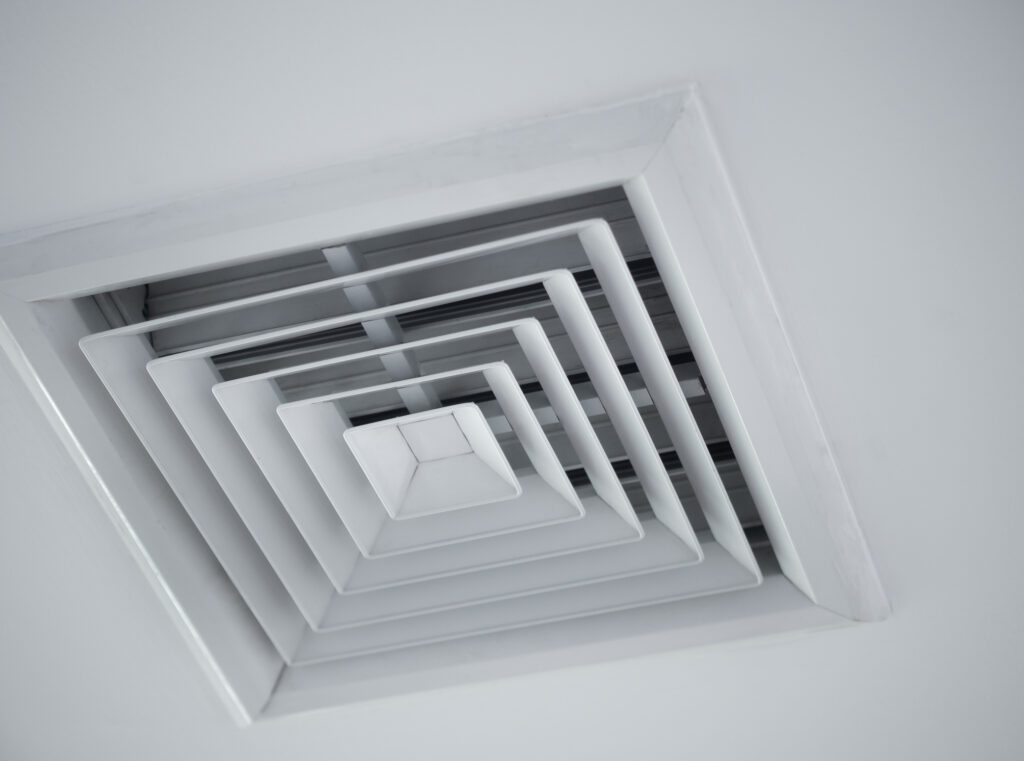
Supply Diffuser Balance for Even Rooms
Key Takeaways About Supply Diffuser Balance
Supply diffuser balance means adjusting vents so each room receives the correct amount of conditioned air. This guide is for homeowners and property managers who notice drafts or uneven temperatures and want practical steps before calling a pro.
- Identify rooms with strong drafts low flow or temperature differences.
- Prevent overcompensation by matching diffuser output to room load.
- Avoid closing many dampers which can raise system static pressure.
- Spot return air restrictions by checking door behavior and pressures.
- Reduce perceived drafts by redirecting vanes and adjusting grille type.
- Plan a professional balance when measurements show persistent imbalance.
Introduction
Uneven airflow and chilly drafts at vents are common signs that supply diffuser balance needs attention. Rooms that sit too warm or too cold make occupants change thermostats repeatedly and hide bigger distribution problems. Even small misbalances can raise energy use and shorten comfort windows in living spaces. Homeowners often notice the issue first near windows or doorways where the draft feels strongest.
Supply diffuser balance affects how much conditioned air each room actually receives from the system. When diffusers send too much air into one room, adjacent rooms can suffer from under-delivery and stagnant air. That mismatch can cause noisy registers, pressure differences, and short cycling at the thermostat. Observing where air feels strongest gives a useful clue about which diffusers may need tuning.
In many Fort Worth homes, symptoms include uneven temperatures between upstairs and downstairs and noticeable drafts near vents. For properties in Benbrook, TX these problems can interfere with sleep and daily routines when bedrooms stay cooler than the rest of the house. In North Richland Hills, TX homes with open floor plans often reveal misbalanced diffusers as inconsistent comfort across large spaces. A properly balanced diffuser setup reduces drafts and helps the HVAC system run more smoothly.
Diagnosing supply diffuser balance starts with simple observations but often requires measurement to confirm issues. Professionals check diffuser position, grille size, and airflow patterns using gauges and anemometers to verify problems. The goal is to make each room match its intended design load so occupants stop chasing comfort with the thermostat. If you notice persistent drafts or hot spots call a trained HVAC technician who can diagnose and correct the balance safely.
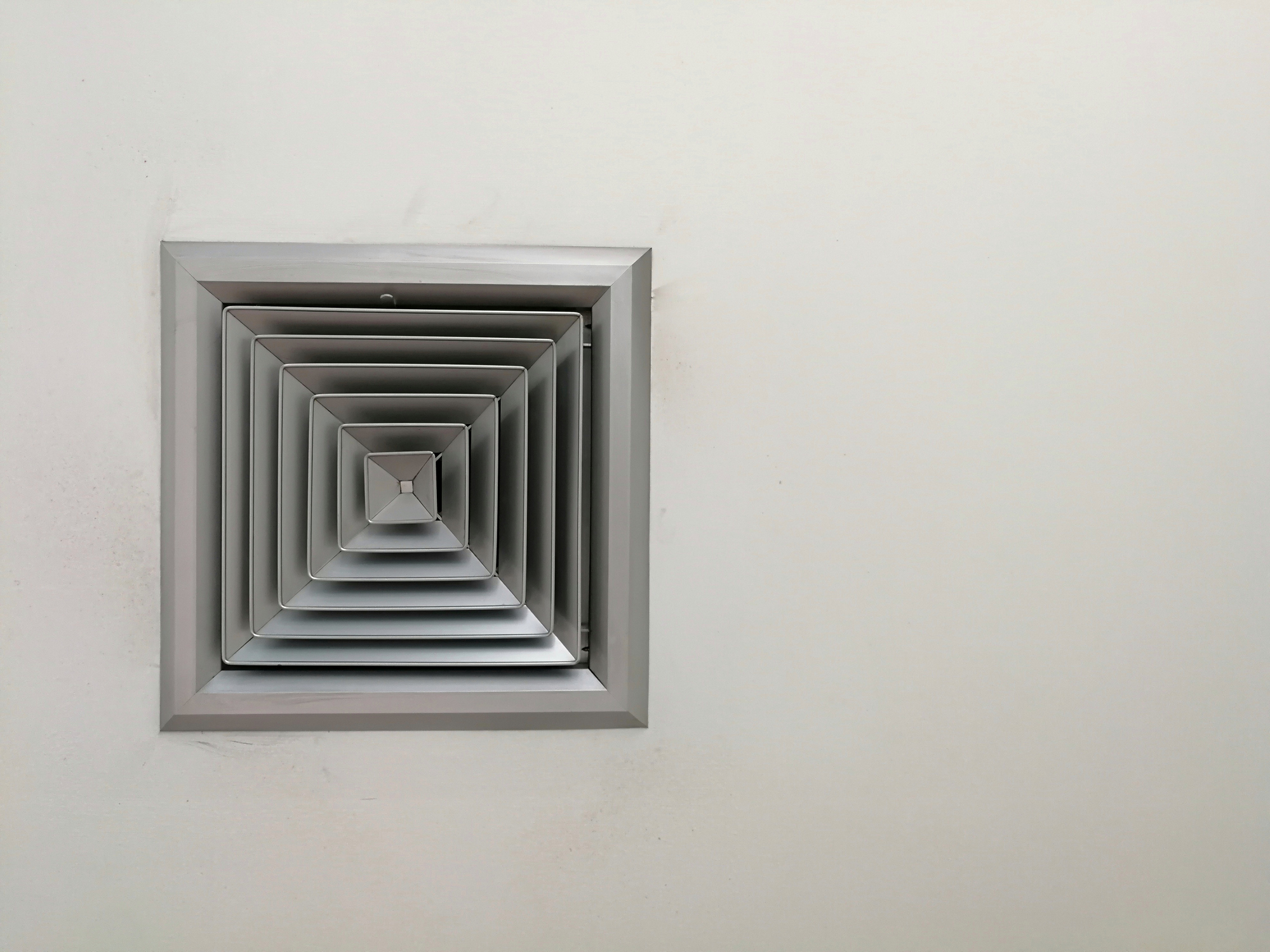
How Supply Diffuser Balance Works In Homes
Supply diffuser balance means adjusting each supply diffuser so rooms receive the right amount of conditioned air for comfort. Professionals achieve that balance by comparing actual airflow to the room’s design intent and making small diffuser changes. Homeowners often ask whether moving a diffuser vane fixes drafts, and the short answer is that position helps but does not replace measuring airflow. Achieving balance reduces pressure differences that cause doors to slam and return grilles to whistle during cycling.
- Measure each diffuser’s airflow with an anemometer or flow hood.
- Note diffuser orientation and vane angle for directional control.
- Adjust integrated dampers in the supply plenum when available.
- Use grille size changes only when register capacity is insufficient.
- Recheck flow after every adjustment to verify results.
Air path and room layout determine how much a diffuser’s angle changes perceived draft without changing quantity. A common homeowner question asks if colder rooms need more airflow, usually they need airflow matched to the room load, not simply more air. Technicians diagnose by observing airflow patterns and measuring static pressure in the supply plenum and near the diffuser. Matching diffuser output to load prevents short cycling and keeps temperatures steady across occupied spaces.
Simple diffuser tweaks shift airflow direction and blend supply air with room air to reduce drafts near windows and doors. For persistent mismatches, professionals trace the issue back to duct runs, plenum design, or return-air restrictions before finalizing diffuser settings. If you want to learn more about professional balancing methods and what they include, check the linked guide for details on a complete HVAC air balancing process. In Benbrook, TX homeowners may see quick comfort gains from diffuser tweaks in older rooms with smaller registers.
When making changes, a pro will record readings such as cubic feet per minute, static pressure, and diffuser temperatures to confirm success. In a common situation, a bedroom that feels cold despite open registers will show low CFM at the diffuser and slightly elevated supply-sounding airflow in the hallway. After adjustments, technicians compare recorded flow numbers and temperatures to expected values to confirm the room now matches its design load. For homes in North Richland Hills, TX this methodical approach keeps multiroom systems operating predictably and quietly.
Common Causes Of Uneven Airflow In Rooms
Rooms often show uneven airflow because duct runs deliver different volumes from the plenum to each diffuser. Long or highly tortuous duct runs increase resistance and reduce cubic feet per minute at the register. Flexible duct kinks, crushed sections, or missing support can narrow the effective area and lower flow. A technician will inspect visible ductwork and measure airflow to confirm whether a run is the culprit.
Imbalanced branch takeoffs and incorrect plenum damper settings frequently cause over-delivery to some rooms and under-delivery to others. If the plenum dampers are set without measurement, one branch can dominate available airflow. Professionals check the supply plenum static pressure and adjust branch dampers while measuring diffuser CFM. Homeowners can reduce guesswork by noting which rooms feel consistently stronger or weaker than others.
Diffuser and grille selection also affects perceived drafts even when delivered volume is correct. Small or high-resistance grilles limit flow and increase velocity, creating a cold draft near the vent. Conversely, oversized open grilles can dump air that never mixes well with room air, causing stratification. Swapping grille styles or adding flow straighteners is a common corrective action documented during professional balancing visits, more tips appear on the HVAC airflow control guidance page.
Return-air restrictions and pressure differences change how much supply air actually enters the room despite correct diffuser settings. Blocked returns, closed bedroom doors, or undersized transfer openings force supply air to pressurize a room and leak out under doors instead of mixing. Technicians confirm this by measuring room-to-hallway pressure and checking return grille airflow with a meter. For properties in Benbrook, TX or North Richland Hills, TX, addressing return-air paths often resolves persistent draft complaints without major duct changes.
How To Diagnose Drafts And Cold Spots
Start by mapping where drafts and cold spots occur during a heating or cooling cycle and note time of day and weather conditions. Pay attention to sounds like whistling or gaps that indicate high velocity at a register and check whether nearby doors are open or closed. Hold your hand a few inches from each diffuser to feel direction and strength, and compare rooms rather than relying on a single location. If you find very high velocity at one diffuser and weak flow in another, that pattern points to an imbalance in distribution rather than thermostat error.
Use simple temperature checks to confirm what you felt at the diffusers by measuring supply air and room air temperatures with a thermometer. Record the supply grille temperature and the room midpoint temperature to calculate the temperature difference and whether supply is overcoming room gain. Professionals also check supply plenum static pressure and airflow at the return grille to verify system balance and detect blocked returns. A reading that shows low supply CFM and normal supply temperature suggests restricted duct or a closed damper upstream.
Inspect visible ductwork and diffuser condition for physical causes of drafts and chilly areas, such as disconnected takeoffs or crushed flexible duct that reduces area. Look inside grilles for debris and dust buildup, which can redirect flow and raise velocity, cleaning or replacing a clogged grille often changes the flow pattern noticeably. For help understanding when to clean ducts or vents, see the air duct cleaning guidance on the company resource page linked with practical tips. If you see damaged insulation or disconnected ducts, point that out to a technician before any balancing adjustments are made.
Check door and transfer opening behavior because pressure differences can move conditioned air out of rooms instead of mixing it for comfort, causing perceived drafts at thresholds. A quick diagnostic is to close the door, run the system, and watch whether the room warms or cools differently than with the door open, consistent difference suggests a return-air limitation. In a common situation, a bedroom that feels cold will show lower CFM at the diffuser and slight positive pressure at the door under testing, which a pro would confirm using a manometer. When measurements point to return restrictions or plenum damper settings, contact a trained technician who can take safe measurements and record results for final adjustments.
Simple Adjustments For Balancing Diffuser Flow
Start by making small, reversible diffuser vane changes to redirect airflow away from occupants and toward the room center. Move one vane a little and run the system for several minutes to judge the effect on perceived draft and temperature. Note the diffuser air direction and listen for new noises that indicate high velocity or grille vibration. If changes feel worse, return the vane to its prior position and try a different angle.
- Close integrated register dampers slightly when a room gets too much air.
- Open dampers a little for rooms that feel starved for supply.
- Rotate vane blades to spread air across the room instead of at one spot.
- Swap a high-velocity grille for a lower-resistance style when possible.
When adjusting dampers in the plenum or at branch takeoffs, make only small increments and document each change. After each adjustment measure by feel and with a thermometer at the grille and room midpoint to see directional results. If a duct run suddenly changes flow after a tweak, inspect the visible duct for kinks or crush points. For guidance about vents restricting flow, review common signs of blocked vents on the company page that covers those issues.
Use balancing plates or simple inline damper adjustments when diffusers feed multiple rooms from a single run to share airflow more evenly. A balancing plate narrows one path so adjacent rooms receive more supply without altering the main fan speed. Check return-air behavior after any change because closing supply dampers can raise room pressure and reduce mixing. If pressure shifts persist, contact a technician who can measure CFM and static pressure safely with professional tools.
When To Call A Professional For Diffuser Balance
If adjustments haven’t stopped drafts or rooms still differ by several degrees after tried tweaks, it’s time to call a professional. A technician will perform measured diagnostics with anemometers, a manometer, and temperature probes to confirm whether supply diffuser balance issues stem from duct restrictions or improper branch damper settings. They will also inspect components like the supply plenum and return grille for hidden problems a homeowner cannot safely access. For issues beyond simple vane or damper moves, a pro’s testing prevents making changes that worsen pressure and comfort.
Call for service when making adjustments creates new noises, like whistling at registers or vibration in ducts that wasn’t present before. These sounds can indicate high velocity from undersized grilles, loose diffusers, or a surge in supply static pressure requiring duct evaluation. A trained technician will check grille mounting, measure static pressure, and trace airflow back through the system rather than guessing. This approach reduces trial-and-error and documents results for final tuning.
Schedule professional balancing if closing supply dampers raises room pressure or doors begin to slam after adjustments, because that shows return-air limitations or transfer openings are insufficient. The technician will test room-to-hallway pressure and examine return pathways and transfer grills to recommend corrective actions. They may refer to duct layout practices similar to those explained in the ductwork design guide when airflow routing appears constrained. Addressing return issues alongside supply adjustments keeps rooms from becoming overpressurized after balancing work.
Contact a pro when you observe a persistent temperature difference between rooms that does not change after several balanced attempts or when visible duct damage exists that you cannot repair safely. In Benbrook, TX and North Richland Hills, TX homes, experienced technicians handle measuring CFM at each diffuser and recording results for an accurate final setting. Professionals can also provide a written report and recommended follow-up steps so homeowners know what was tested and adjusted. If safety concerns arise while inspecting ducts or accessing the plenum, stop and call a licensed technician for assistance.
Tools And Measurements For Homeowner Tuning
Homeowners can use a simple handheld anemometer to get quick airflow readings at a diffuser face and compare results between rooms. A digital thermometer with probe helps record supply grille temperature and room midpoint temperature to judge mixing. A basic manometer gives room-to-hallway pressure differentials that reveal return-air restrictions or overpressurization problems. When collecting readings, note damper positions and diffuser orientation so changes are traceable during tuning.
To check static pressure in the supply plenum, a non-invasive manometer connected to a small tap near the plenum provides useful data for troubleshooting. Professionals also measure branch takeoff flows using a flow hood, but homeowners can approximate using averaged anemometer readings across the grille area. Inspect visible main trunks because damaged or disconnected sections change measured flows. guidance about inspecting larger supply trunks appears on the main supply ducts resource. Record each measurement clearly so you can undo adjustments if needed later.
Carry a tape measure to document grille free area when comparing different diffuser styles, grille area affects velocity and perceived draft more than vane angle alone. A flashlight and small mirror reveal inside plenum or duct connections through grilles without removing large components. Use a camera or phone to photograph damper positions and grille settings before changing anything for reliable comparison. If measurements show unexpected low CFM despite open dampers, stop and call a technician to inspect hidden duct damage safely.
In a common situation, a homeowner senses a hallway vent stronger than a bedroom and will first record CFM at both diffusers with an anemometer. The pro would then measure plenum static pressure and inspect branch takeoffs for collapsed flexible duct or sharp bends. For homeowners in Benbrook, TX this stepwise measurement approach identifies whether the issue is diffuser location or a duct restriction. If tools confirm pressure or duct issues, schedule a professional balance to avoid worsening room pressure and comfort problems.
Preventative Maintenance To Maintain Balance
Regular checks help keep supply diffuser balance stable over seasons and after home changes like new furniture or window treatments. Inspect diffusers monthly for dust, debris, or loose mounting that can change airflow direction and velocity unexpectedly. Listen for new noises during system start-up because creaks or whistles can signal shifting balance or loose parts requiring tightening. If you notice persistent drift in room temperature after simple cleaning, schedule a professional check to confirm readings and settings.
- Clean diffusers and grilles gently with a brush.
- Check damper positions and mark any intentional settings.
- Inspect visible duct runs for kinks or disconnections.
- Record CFM and temperature readings periodically.
Seasonal tasks prevent gradual drift that undermines comfort and increases runtime on heating or cooling cycles. Replace or clean filters on the regular schedule to avoid reduced airflow that forces other diffusers to overcompensate. Verify return grilles are unobstructed so rooms do not pressurize and change transfer behaviors during operation. For homeowners in Benbrook, TX a quick seasonal checklist often resolves early-stage imbalance before it becomes a larger problem.
After any HVAC service, recheck diffuser guidance and measurements because repairs can alter airflow paths and pressures. Use photos or notes to restore prior settings if a repair causes unexpected drafts or temperature shifts. When adjustments remain unclear, consider full professional air balancing performed by a licensed technician for documented results and measured confirmation. For details about hiring a qualified pro, see the page on air balancing with a licensed professional which explains what a thorough service includes.
Keep a simple log of dates, measurements, and changes to track trends and spot slow-developing issues before they impact comfort. Note any patterns tied to door positions, furniture moves, or seasonal equipment loading that could indicate return-air or duct problems. If recurring imbalance appears despite maintenance, a technician will perform targeted diagnostics using manometers and flow hoods to find root causes. Residents in North Richland Hills, TX who maintain a record benefit from faster diagnosis and fewer follow-up visits.
Matching Diffuser Settings To Room Loads
Start by matching diffuser output to the calculated room load rather than guessing by feel alone, which prevents over- or under-supplying conditioned air. A technician will compare measured CFM at the diffuser to the room’s sensible load and then tweak the register or branch damper to reach the target. Adjustments often include small damper moves, vane reorientation, or minor grille swaps to change throw and mixing. Document each change so you can revert if the room responds poorly after further system cycling.
Consider airflow distribution across the room when setting direction and volume since point-heavy delivery creates stratification and cold spots. Aim supply toward the room center or mixing plane so conditioned air mixes before reaching occupants near windows or doors. Professionals sometimes pair diffuser angle changes with slight CFM shifts to reduce velocity at the face while keeping total delivered volume consistent. After each change, re-measure supply grille temperature and CFM to confirm the new setting meets the room’s load.
Balance linked zones by coordinating adjacent diffuser settings to avoid fighting flows that create pressure differences and door movement. When two rooms share a single run, a professional may partially restrict the stronger diffuser and open the weaker one incrementally to equalize comfort. If static pressure rises noticeably after closing dampers, inspect the supply plenum and branch takeoffs and consider duct sealing or rerouting before further adjustments. For issues tied to leaks in the supply path, contractors often recommend duct sealing as part of effective balancing.
Test settings over a full system cycle because instantaneous readings can mislead when the fan stages change or outdoor conditions shift load. Recheck room midpoint temperature and hallway baseline after the system cycles through both low and high fan speeds to confirm stable balance. In a common situation, a living room that read balanced at steady fan speed later showed low CFM during high cooling demand, prompting a pro to retune dampers and reseal a leak. Homeowners in Benbrook, TX benefit from this verification step to maintain comfort during daily temperature swings.
When supply adjustments still fail to meet calculated loads, investigate return-air capacity and transfer openings since missing return paths will undermine any diffuser settings. A technician will measure room-to-hall pressure and inspect return grille flow to decide if transfer grills or dedicated returns are required for proper load matching. If duct leakage or disconnected runs are suspected, consider professional sealing and repairs to preserve the tuned diffuser settings and system efficiency. North Richland Hills, TX homeowners seeing persistent imbalance often resolve it when return limitations and duct leaks are fixed alongside diffuser tuning.

Frequently Asked Questions
How do I tell if my supply diffuser balance is off?
You’ll notice rooms that feel consistently colder or warmer than others and uneven airflow at vents or doors. Run your hand near diffusers and compare air speed and direction between rooms to spot big differences. Visible dust lines, whistling sounds, or rattling diffusers often indicate misadjusted supply diffuser balance and duct issues. If you find major imbalance or hear worrying noises, stop adjustments and call a professional to inspect dampers and the supply plenum for safety.
Can adjusting diffuser vanes fix cold spots quickly?
Yes—adjusting diffuser vanes can reduce cold spots quickly by redirecting airflow toward the chilled area. Small vane changes often smooth drafts and improve occupant comfort within minutes. For persistent imbalance or unclear causes, a technician will check supply plenum pressure, damper positions, and thermostat behavior. If you see frost, leaking duct seams, or strong temperature differences, stop and call a professional for safe diagnosis and supply diffuser balance adjustments.
What tools confirm a diffuser needs balancing?
A balometer or flow hood gives a direct airflow reading from the supply diffuser and confirms whether volume meets design. A vane anemometer or thermal anemometer measures face velocity when a flow hood is unavailable. Smoke pencil or incense reveals patterns and drafts that indicate uneven distribution and possible balancing needs. If readings show large discrepancies or you see dangerous gas odors, stop and call a professional for safe supply diffuser balance verification.
When should I call a pro for supply diffuser balance?
Call a pro when room temperatures still differ after simple vent adjustments and thermostat checks. If you hear persistent drafts, whistling, or feel strong air jets, schedule a technician. A professional will inspect ductwork, use an anemometer, and check the supply plenum and diffuser settings. For safety with attic or ceiling access and when electrical controls or gas equipment are involved, hire a licensed HVAC technician.
How do duct issues affect diffuser airflow and drafts?
Duct leaks and obstructions change pressure and reduce air reaching diffusers, causing weak flow or strong drafts in rooms. A mis-sized or collapsed duct can starve a diffuser while nearby outlets get excess air. Imbalanced runs force technicians to adjust dampers and perform supply diffuser balance to restore even delivery. If you suspect major duct damage or unsafe access, stop attempts and call a professional for inspection and repair.