

Duct Pressure Mapping Finds Hidden Imbalances
Key Takeaways About Duct Pressure Mapping
Duct pressure mapping measures pressure differences inside a home’s duct system to show where airflow slows leaks or stalls. This summary is for homeowners and property managers deciding when targeted diagnostics and repairs matter for comfort and efficiency.
- Identify which branches show high static pressure and low flow.
- Prevent unnecessary duct changes by using measured data first.
- Avoid blanket fixes that do not address the real bottleneck.
- Spot leaks and crushed ducts that bleed conditioned air away.
- Reduce runtime and uneven humidity by correcting specific restrictions.
- Plan targeted sealing or damper adjustments based on results.
Introduction
Uneven room temperatures and weak vents can hide a simple cause inside ductwork. Duct pressure mapping reveals where air slows, stalls, or escapes and pinpoints bottlenecks. Homeowners notice signs like noisy vents, long run times, or rooms that never reach set temperature. In Fort Worth, TX properties, these symptoms often mean the system loses efficiency and comfort.
Mapping measures pressure differences across supply and return branches to show how air moves. Technicians use readings to find constrictions at dampers, flex duct kinks, or poorly sealed connections. Identifying the problem location matters because blanket fixes rarely solve targeted airflow issues. A clear map helps focus repairs where they will restore balanced flow.
Left unaddressed, imbalances can cause uneven wear on the blower motor and reduce cooling or heating capacity. That leads to higher runtime and uneven humidity control in living spaces. For a homeowner in Bedford, TX, these effects can make indoor comfort unpredictable during hot or cool seasons. Correcting the specific bottleneck often improves comfort and extends component life.
A proper diagnostic process produces measurable data like pressure readings and airflow trends rather than guesswork. Visible clues such as rattling connections and frost on refrigerant lines often guide where to record measurements. A professional inspection pairs those observations with pressure mapping to confirm the source. The result is a focused plan for targeted airflow corrections that address the real problem.
How Duct Pressure Mapping Works And Why It Matters
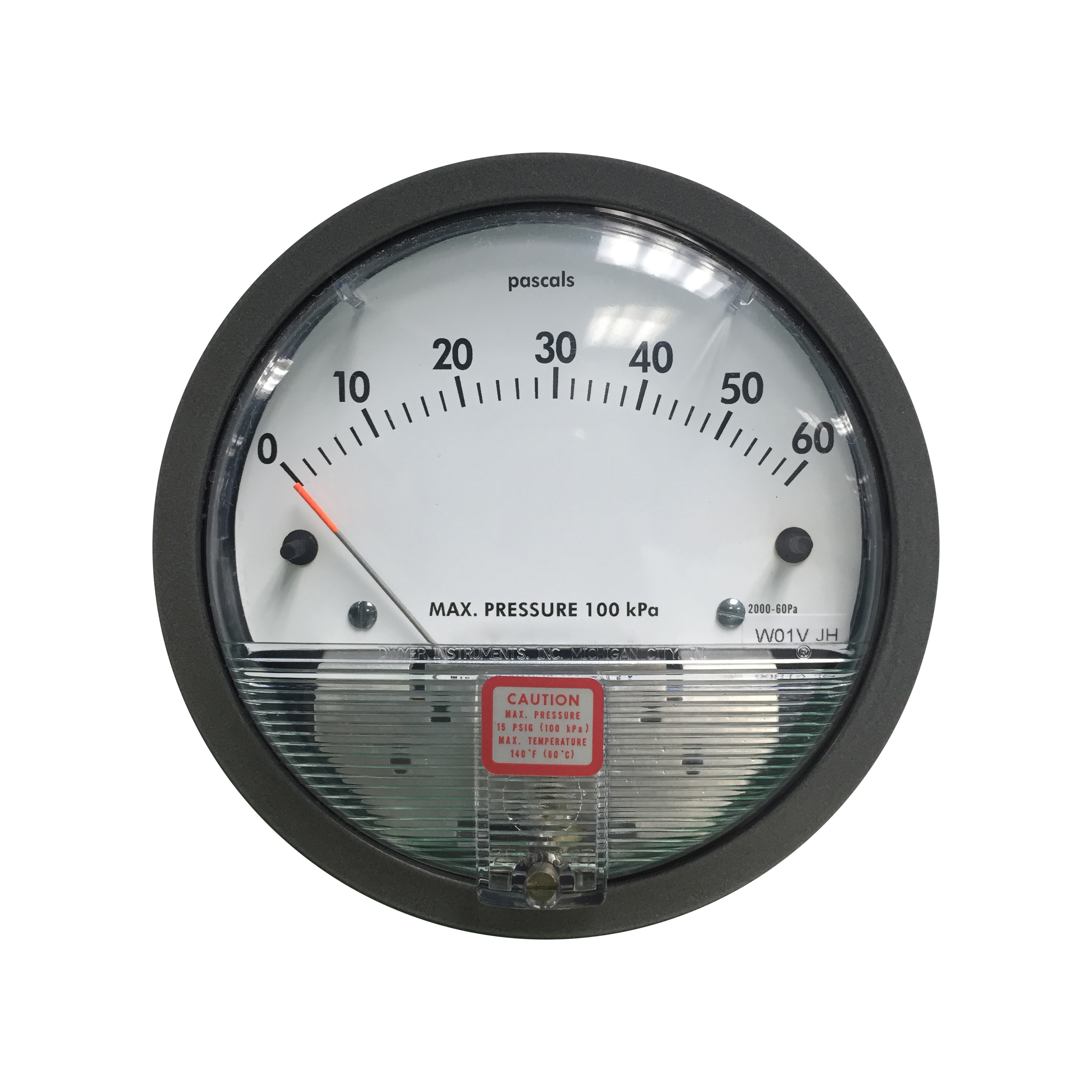
Duct pressure mapping measures pressure differences inside the duct system to reveal airflow bottlenecks and imbalances. A technician records pressure at supply and return points to show where air slows or leaks. The map helps answer a common homeowner question: where is the airflow loss occurring and why rooms feel uneven. Mapping produces numbers and trends so decisions rest on measurements rather than guesswork.
- Measure static pressure at multiple registers.
- Compare supply and return branch readings.
- Note pressure drops across dampers and transitions.
- Record trends during different system speeds.
Technicians use gauges, pitot tubes, and sometimes anemometers to collect data during mapping. They compare readings against expected pressures for the system size and blower capacity. This process shows whether a damper, a kinked flex duct, or a collapsed section is causing a bottleneck. Mapping also reveals excessive leakage where sealed connections are needed.
Homeowners often ask if mapping requires system changes during the test, and usually it does not. Technicians run the system at normal settings and log pressures under typical loads to reflect real use. For properties in Fort Worth, TX, capturing performance during peak cooling helps identify seasonal bottlenecks that affect comfort. The resulting report guides targeted fixes rather than broad, unnecessary adjustments.
After mapping, the technician translates pressure readings into clear action items and expected outcomes. The written report should include recorded values, photos, and recommended corrections to improve airflow balance. If you want details on how those recommended fixes restore balance, see the guide on achieve perfect HVAC air balancing. For a homeowner in Bedford, TX, that clarity makes it easier to decide when to schedule a focused repair.
Common Causes Of Airflow Bottlenecks And Imbalances
Restricted supply paths commonly create bottlenecks when ducts change size suddenly or take tight turns. Collapsed flex ducts or sharp bends reduce effective airflow and raise static pressure near the blower. A technician looks for reduced velocity and higher pressures at the affected branch to confirm a restriction. Visible signs include flattened ducts in attics or soffits and tight coils where the duct runs through framing.
Improperly set or damaged dampers cause imbalances by blocking flow to specific rooms or creating pressure differentials. A stuck damper may sit partly closed, which shows as a pressure drop downstream during mapping. Technicians will cycle dampers and record pressure changes across the damper to diagnose misadjustment. In some homes, manual dampers lack clear position marks, so mapping narrows which damper needs correction.
Leaks and loose connections let conditioned air escape into unconditioned spaces, producing uneven delivery and higher run times. Mapping detects unexpected pressure loss between the plenum and remote registers, pointing to gaps or disconnected takeoffs. Professionals then inspect seams, collars, and transition points and use smoke or pressure tests to confirm leakage locations. Sealing these joins often restores intended pressure balance and improves register flow.
Undersized returns and blocked grills create negative pressure that starves the system and shifts airflow patterns. Restrictions on the return side make supply branches show artificially high pressures while rooms still feel under-served. Technicians compare supply and return branch readings and measure grille velocities to determine if return capacity is inadequate. For properties in Fort Worth, TX and homeowners near Bedford, TX, identifying which branch underperforms helps target fixes documented in a final report linked to guidance on optimize HVAC airflow performance.
Signs In Your Home Indicating Poor Air Distribution
Stale or uneven odors in certain rooms often point to poor air distribution rather than a pollutant source, especially when smells concentrate near specific registers. Homeowners may notice a musty scent in one bedroom while other rooms stay neutral, suggesting weak supply or return airflow there. A technician would check grille velocity and register pressures to see if that room shows low supply or restricted return. Those readings help distinguish a duct blockage from a localized moisture problem.
Unusual sounds such as whistling or chuffing at a vent can signal pressure imbalances created by narrowed ducts or misaligned takeoffs. If the noise occurs only when the system ramps up, it suggests a dynamic restriction changing with blower speed. Technicians listen while measuring static pressure at the plenum and downstream branches to confirm which takeoff produces the noise. Identifying the noisy branch lets them target dampers, collars, or flex sections for correction.
Rooms that cool or heat slowly despite long run times often suffer from low effective airflow to the space rather than inadequate thermostat settings. You might detect weak airflow by holding a hand near the register and comparing force between rooms, which gives a quick clue before measurements. During a diagnostic visit, a pro records register velocities and compares supply versus return pressures to find the underperforming branch. Once identified, focused sealing or re-sizing at the problem branch usually improves delivery and response time.
Visible debris or dust patterns around certain grilles indicate leaks or reversed flow creating pressure differences across surfaces during operation. Dust buildup on one return grille more than others suggests uneven return capacity and can accompany rooms that feel stuffy. A technician would inspect the return path, measure differential pressures, and perform a smoke or pressure test where needed to find the leak. Addressing the specific leak and balancing the return restores proper airflow patterns and reduces dust transport.
Persistent humidity differences between rooms provide another homeowner clue, where one area stays damp while adjacent rooms feel correct for the season. This often results from marginal airflow preventing the coil from removing moisture from the affected room’s air. A professional checks evaporator coil condition, condensate drain line, and register air volume through pressure mapping and humidity readings. Targeted airflow corrections combined with coil checks typically bring humidity back into balance.
What Technicians Check During A Mapping Inspection
Technicians start by recording static pressure at the plenum and at selected supply branches to establish baseline differences. They inspect the supply plenum, takeoffs, and a few return grilles while the system runs at normal settings. Visible checks include collar seals, takeoff alignment, and any crushed or kinked flex duct near framing. They document readings and photos for each point to support later recommendations.
- Measure static pressure at multiple supply registers.
- Check return grille velocities and condition.
- Inspect damper positions and operation.
- Look for visible duct damage and loose connections.
- Record photos and pressure readings for each branch.
Next they test dampers and zone controls by cycling positions while watching pressure shifts across the affected branch. This confirms whether a damper setting or actuator causes a bottleneck rather than a duct physical restriction. Technicians also listen for telltale noises like whistling or rattling while recording pressures to link sounds to specific locations. Results guide whether to adjust damper stops or open takeoffs for that branch.
Leak detection follows when mapping shows unexplained pressure loss between the plenum and remote registers. Technicians examine seams, collars, and boot connections and may use a smoke stick or simple pressure checks to find leaks. They note if leakage sends conditioned air into unconditioned spaces, which reduces delivery to the rooms. Photographs and measured pressure drops identify exact spots needing sealing.
A final round inspects system components affecting airflow such as the blower, evaporator coil, and return path condition to confirm mapping findings. They check blower speeds and motor operation while recording how pressure responds at each speed. Technicians compare supply and return results to determine if undersized returns or blocked grills cause imbalance. The written inspection includes recommended corrections and references to practical HVAC airflow control tips for homeowners in Bedford, TX and Fort Worth, TX when appropriate.
Interpreting Results To Identify Targeted Corrections
Technicians translate pressure maps into clear corrective steps by comparing branch readings against expected ranges for the system. They identify whether the fix requires sealing a takeoff, adjusting a damper stop, or replacing a crushed flex section. Measured values and photos form the evidence that directs each repair rather than relying on visual guesses. This approach lets the technician prioritize fixes that deliver the biggest airflow improvement first.
When a particular branch shows high static pressure and low register velocity, the likely targeted correction is removing the physical restriction. That may mean replacing a collapsed duct segment or enlarging a transition to restore smooth flow. Professionals also verify that the blower and evaporator coil respond correctly after the repair by re-taking pressure readings. Confirming improved readings ensures the correction actually removed the bottleneck.
If mapping indicates unexpected pressure loss between the plenum and registers, technicians pursue focused leakage sealing at seams and collars. They seal with approved mastic or metal-backed tape and then remeasure to confirm pressure recovery at the affected grilles. For some homes, improving return grill area or rerouting a short section can rebalance supply and return pressures. Homeowners in Bedford, TX often appreciate seeing before-and-after readings that show sealed leaks restored delivery.
Results can also point to control adjustments when dampers or zone actuators cause the imbalance rather than duct damage. Technicians adjust damper positions incrementally while observing pressure shifts to find an optimal setting that balances multiple rooms. Where needed, they recommend professional air balancing services and include recorded data in the report for clear follow-up action. For guidance on scheduling a qualified adjustment, consider a visit focused on air balancing with a licensed professional.
Sometimes simple homeowner actions follow mapping, like ensuring supply vents are fully open and free of obstructions noted in the report. Blocked registers change pressure patterns and make targeted corrections less effective if left unaddressed, so clearing furniture or drapes can help immediately. For more signs that vents need attention before professional work, review common issues in the guide on blocked air vents. Final verification always includes a short retest confirming the system now meets the expected pressure profile for balanced operation in Fort Worth, TX.
Solutions For Balancing Ducts And Improving Efficiency
Start by prioritizing fixes that restore airflow geometry where mapping showed the biggest pressure drop. Technicians often replace crushed flex duct or rework sharp transitions to reduce turbulence and pressure loss. They may reframe a short run or add a smooth metal transition to improve velocity and reduce noise during high blower speeds. Homeowners should expect a follow-up measurement to confirm pressure improvements after these adjustments.
Targeted sealing follows when the map identifies leaks between the plenum and branches that bleed pressure away from registers. Pros use mastic or metal-backed tape at seams, collars, and takeoffs to stop conditioned air from entering attics or crawl spaces. After sealing, technicians retake register and plenum pressures to verify recovery and document the change in a written report. This evidence helps homeowners see which leaks mattered most for comfort.
When dampers or zone controls create imbalances, careful adjustment or recalibration can reallocate airflow without major duct changes. A technician will move damper stops in small increments and monitor pressure shifts at affected branches to find a stable balance. If zone actuators misreport positions, replacing or recalibrating the control restores expected flow patterns and prevents repeated cycling. Field checks of actuator response and pressure trends confirm the solution worked.
Improving return capacity resolves pressure differences that starve supply branches and worsen humidity control in specific rooms. Solutions include enlarging return pathways, adding a dedicated return, or rearranging grille locations to reduce negative pressure. Technicians measure grille velocities and compare them to supply readings to ensure returns meet the required airflow balance for the system. For homeowners in Bedford, TX, increasing return area often immediately reduces stuffiness in under-served rooms.
After corrective work, a verification mapping run confirms the system now meets target pressure profiles and airflow distribution. The final report should include before-and-after readings, photos, and clear next steps if further adjustments remain. If duct layout changes were necessary, consult the guidance on ductwork design in Saginaw, TX for principles that apply to smooth transitions and takeoff placement. Residents in Fort Worth, TX benefit from documented verification that targeted corrections improved comfort and system performance.
When Homeowners Should Call A Professional For Mapping
If you notice persistent temperature gaps after basic checks, call a professional to perform duct pressure mapping. A trained technician can confirm whether the issue is a hidden restriction or inadequate return capacity. They bring gauges and pitot tubes to collect repeatable readings and generate a clear map of pressure differences. This diagnostic step prevents unnecessary duct changes and focuses work where it matters most.
- Schedule mapping when multiple rooms show different temperatures.
- Request a written report with measured values and photos.
- Ask the technician to test at normal operating settings.
- Include return grille checks with the mapping session.
Contact a pro if you hear new vent noises that start when the system changes speed or cycles. Technicians will pair those audible clues with pressure checks at the plenum and branches to locate the source. They also inspect dampers and takeoffs while mapping to determine if controls or physical ducts cause the sound. The combined evidence guides targeted corrections rather than guessing at the cause.
Call for mapping when humidity or indoor air quality problems correlate with poor airflow in a few rooms. A mapping report helps identify whether low register velocity or excessive leakage causes moisture differences. Pros will also examine the evaporator coil and condensate drain line during the visit if readings suggest coil performance issues. Acting on documented findings usually restores balanced airflow and improves humidity control.
Schedule mapping before major duct repairs or modifications to make sure work addresses the true bottleneck. Technicians can validate whether a proposed fix will move pressures toward expected values during a follow-up test. Homeowners in Bedford, TX often find this verification avoids unnecessary changes and gives confidence in the repair plan. For routine preventative care, consider a service that includes mapping alongside regular ductwork inspections.
If balancing adjustments fail to fix uneven delivery after simple steps, bring in a pro for mapping and targeted corrections. The technician will provide a written verification showing before-and-after pressures and any remaining action items. This documentation helps you decide whether to proceed with sealing, resizing, or control work. When done correctly, mapping reduces repeat visits and restores expected system performance in Fort Worth, TX.
Preventive Steps To Maintain Balanced Duct Performance
Keep supply and return grilles clean and unobstructed so airflow paths stay as mapped during inspections. Check that vent louvers move freely and that furniture or curtains do not block delivery. Small visible tears or loose boot connections should be noted for a professional to seal at the next visit. Regular visual checks reduce the chance that corrected pressures drift back toward imbalance.
Monitor attic and crawlspace access panels for signs of crushed or pinched flex duct near framing or tight bends. When you notice flattening or unusual kinks, mark the location and arrange for a technician to inspect the segment. A pro will verify whether replacing a short section restores the mapped pressure profile. Early attention prevents gradual pressure rise that leads to larger performance problems.
Keep dampers accessible and labeled so minor adjustments can be made without guesswork between professional visits. If a room starts feeling uneven, slightly changing a damper and noting the effect helps communicate exact changes to the technician. Record the date and the damper position when you adjust, so later mapping can show measured impact. Clear labeling reduces trial-and-error and supports targeted corrections.
Watch for new noises or odors that suggest a returning imbalance or a reopened leak needing sealing work by a pro. If you suspect a leak or degraded seal, request a focused duct sealing service to stop conditioned air escaping into unconditioned spaces. Technicians will use pressure checks and confirm improvement with repeat measurements after sealing. For targeted sealing, consider scheduling a duct sealing visit that documents before-and-after pressure readings in Bedford, TX and Fort Worth, TX.

Frequently Asked Questions
What is duct pressure mapping and how does it work?
Duct pressure mapping measures static pressure and airflow at multiple duct points to reveal imbalances and bottlenecks. Technicians install pressure probes and record readings at supply and return grilles while the system runs. They compare measurements to expected targets, inspect restrictive components like dampers, registers, and the supply plenum, and identify where airflow drops. If measurements suggest unsafe pressure on the heat exchanger or major blockage, stop and call a qualified professional for repair and testing.
How can duct pressure mapping find hidden bottlenecks?
Duct pressure mapping measures static pressure at multiple points to reveal where airflow drops sharply inside the system. Technicians compare readings at the return, supply plenum, and branch ducts to locate restrictive transitions. Identified bottlenecks often stem from collapsed flex, undersized boots, or blocked plenums that reduce room airflow. If measurements show high pressure or unsafe conditions, stop work and call a qualified professional for repairs and safe testing.
What signs tell a homeowner to request pressure mapping?
If rooms feel uneven, registers whisper or whistle, or the system cycles more than usual, ask about duct pressure mapping. Visible sagging ductwork, excessive dust at vents, or warm supply grilles suggest airflow restrictions and imbalances. A technician can use pressure readings, register flow checks, and an inspection to confirm bottlenecks and blockage locations. If you suspect leaks or unsafe combustion appliance backdrafting, stop using the system and call a professional for testing and repair.
How do technicians record pressures and diagnose problems?
Technicians connect manometers and differential pressure gauges to supply and return branches to record static pressures at multiple points. They log readings during steady system operation and when specific dampers or registers are adjusted. Comparing those measurements reveals bottlenecks, high-pressure drops, or blocked trunks that indicate where airflow corrections are needed. If technicians encounter unusual readings or suspect duct leaks, they caution homeowners and recommend professional sealing and balancing rather than DIY fixes.
Which targeted fixes follow a duct pressure mapping report?
Technicians use a duct pressure mapping report to pinpoint rooms with low pressure and identify restrictive sections in the ductwork. Common targeted fixes include adding or adjusting dampers, resizing or replacing short trunk sections, and sealing specific leaks in the supply plenum or branch runs. They may balance airflow by repositioning or replacing supply registers and cleaning or repairing blocked return grilles and filters. Because work can affect airflow and gas systems, caution is required, hire a qualified HVAC pro to perform adjustments and verify safe operation.