

How to Optimize Your HVAC Airflow Performance
Optimizing your HVAC airflow performance is not just about comfort, it’s about efficiency and longevity of your system. Whether you’re in the bustling city of Fort Worth, TX, or the quieter neighborhoods of Haslet, TX, ensuring your HVAC system operates at peak performance is crucial. Proper airflow can significantly impact your indoor air quality and reduce the strain on your HVAC system. By focusing on enhancing your HVAC airflow performance, you’re taking a step towards a healthier, more comfortable home environment.
Residents in Southlake, TX, understand the importance of maintaining their HVAC systems, especially during extreme weather conditions. An optimized system ensures that every corner of your home receives equal, comfortable air distribution. This not only improves the overall air quality but also contributes to the system’s efficiency. Achieving optimal HVAC airflow performance is key to ensuring your living spaces remain comfortable year-round.
There are several strategies to enhance your HVAC airflow performance. Each approach is designed to address different aspects of your system’s operation. From regular maintenance checks to upgrading components, the goal is to ensure that air flows smoothly throughout your home. Implementing these strategies can lead to noticeable improvements in both air quality and energy consumption.
Understanding the dynamics of HVAC airflow performance is essential for any homeowner. It’s not just about fixing immediate issues, it’s about adopting practices that will prolong the life of your HVAC system. Whether you’re enjoying the vibrant life in Fort Worth, TX, or the serene atmosphere in Haslet and Southlake, TX, optimizing your HVAC system’s airflow is a smart move towards a more comfortable, efficient home.

Understanding HVAC Airflow Performance Basics
To grasp the essentials of HVAC airflow performance, one must first understand what it entails. Essentially, it’s about how air moves through your heating, ventilation, and air conditioning system. A well-optimized airflow ensures that air is distributed evenly throughout your home, enhancing comfort and efficiency. This foundational knowledge is the first step towards achieving an optimally functioning HVAC system.
Air filters play a pivotal role in maintaining optimal HVAC airflow performance. When filters become clogged with dust and debris, they restrict airflow, forcing your system to work harder. Regularly replacing or cleaning air filters can prevent this, ensuring smooth airflow and improving both air quality and system efficiency. This simple maintenance task can have a significant impact on your home’s air circulation.
Another key aspect involves the ductwork that channels air throughout your home. Leaks or blockages in the ducts can severely impede airflow, leading to uneven heating or cooling. Residents in Haslet, TX, often check their ductwork for any signs of damage or obstruction. Addressing these issues promptly ensures that air flows freely, maintaining consistent temperature and comfort levels across all rooms.
Lastly, the outdoor unit of your HVAC system should not be overlooked. Ensuring it is free from leaves, dirt, and other debris can enhance your system’s efficiency. Homeowners in Southlake, TX, understand the importance of this outdoor maintenance. Keeping the area around the unit clear not only optimizes airflow but also extends the lifespan of the system. By focusing on these basic yet crucial aspects, you can significantly improve your HVAC airflow performance.
Regular Maintenance for Optimal Airflow
Ensuring your HVAC system receives regular maintenance is crucial for optimal airflow performance. Scheduling professional inspections can uncover any potential issues before they escalate. These checks often involve assessing the system’s components, from the thermostat settings to the condition of the evaporator coils. By catching problems early, you maintain smooth airflow and efficient system operation.
In addition to professional inspections, homeowners can take proactive steps to support their HVAC system. For instance, keeping vents unblocked by furniture or curtains allows air to circulate freely. This simple action can significantly improve the comfort levels in your home. It also prevents the system from overworking, which is essential for maintaining good HVAC airflow performance.
Residents in Haslet, TX, recognize the value of cleaning their vents and registers. Dust and pet hair can accumulate in these areas, restricting airflow. Regular vacuuming of these parts helps keep the air moving as intended. This not only enhances the system’s efficiency but also supports a healthier indoor air quality.
Meanwhile, people in Southlake, TX, appreciate the importance of a balanced system. Adjusting dampers in the ductwork can ensure even air distribution throughout the house. This adjustment is especially beneficial in multi-level homes where temperature differences between floors can occur. Achieving this balance is key to optimizing HVAC airflow performance, ensuring every room remains comfortable.
The Role of Air Filters in HVAC Airflow Performance
Air filters are the unsung heroes in maintaining HVAC airflow performance. These filters trap dust, pollen, and other airborne particles, preventing them from circulating through your home. Regularly changing or cleaning these filters ensures that your HVAC system doesn’t have to work overtime to push air through clogs. This simple step can significantly boost the efficiency and effectiveness of your system.
In Haslet, TX, homeowners understand the importance of a clean air filter. A dirty filter not only impedes airflow but can also harm indoor air quality, making the living space less comfortable. By prioritizing filter maintenance, residents can enjoy cleaner air and a more efficient heating and cooling system. This contributes to a healthier home environment and optimizes HVAC airflow performance.
Meanwhile, in Southlake, TX, people recognize that the right filter type can make a difference. High-efficiency particulate air (HEPA) filters, for example, can capture finer particles than standard filters. Choosing a filter that suits your specific needs can enhance your HVAC system’s ability to maintain clean, healthy air flow. This choice is crucial for households with allergy sufferers or pets.
Ultimately, the role of air filters in HVAC airflow performance cannot be overstated. They are key to ensuring that your system runs smoothly and efficiently. By keeping filters clean and choosing the right type for your needs, you can improve your home’s air quality and system longevity. Regular attention to this aspect of your HVAC system pays off in both comfort and performance.
Adjusting Your Thermostat Settings for Better Airflow
Adjusting your thermostat settings can significantly improve your HVAC airflow performance. By setting it to a consistent temperature, you prevent your system from overworking. This consistent operation ensures that air is distributed evenly throughout your home, enhancing comfort. Homeowners in Haslet, TX, have found that such adjustments lead to more efficient heating and cooling.
In Southlake, TX, residents often use programmable thermostats to optimize their HVAC systems. These devices can adjust the temperature based on the time of day, ensuring optimal airflow when it’s most needed. This smart approach not only maintains a comfortable environment but also supports the system’s overall performance. It’s a simple change that can make a big difference in how your HVAC operates.
Another strategy is to use the fan setting on your thermostat to circulate air continuously. This helps keep the temperature throughout your home more consistent by preventing stagnant air in any area. Continuous air movement is key to maintaining an even climate in all rooms, contributing to the system’s efficiency. It’s a useful tip for ensuring your living spaces remain comfortable without putting extra strain on your HVAC.
Lastly, understanding the impact of extreme temperatures on your HVAC system is crucial. During very hot or cold days, adjusting your thermostat by a few degrees can relieve your system. This minor adjustment prevents it from working too hard, thus improving airflow performance. Residents across Texas have adopted this practice, noticing a positive change in their system’s efficiency and the comfort level of their homes.
The Importance of Ductwork in Airflow Efficiency
Ductwork is a critical component in achieving optimal HVAC airflow performance. In Haslet, TX, residents understand that well-maintained ducts ensure air is evenly distributed throughout their homes. Regular inspections can identify any leaks or blockages that might compromise efficiency. Addressing these issues promptly helps maintain the system’s effectiveness and air quality.
In Southlake, TX, the emphasis on sealing and insulating ductwork highlights its importance. Properly sealed ducts prevent air loss, enhancing the system’s overall performance. Insulation further ensures that air maintains its temperature as it travels through the ducts. This combination is key to efficient operation and comfortable indoor environments.
Adjusting the layout of your ductwork can also improve HVAC airflow performance. Sometimes, the original ductwork layout does not optimize air distribution due to changes in home layout or additions. Consulting with professionals to redesign the duct system can lead to significant improvements. This ensures that every room receives adequate airflow for a consistent temperature throughout the house.
Finally, incorporating zoning systems into your ductwork can elevate HVAC airflow performance. Zoning allows for different areas of your home to be heated or cooled based on specific needs. This targeted approach prevents overworking the system and improves comfort levels. Implementing zoning systems is a smart strategy for maximizing efficiency and ensuring your living spaces are always welcoming.
Enhancing HVAC Airflow Performance with Vent Management
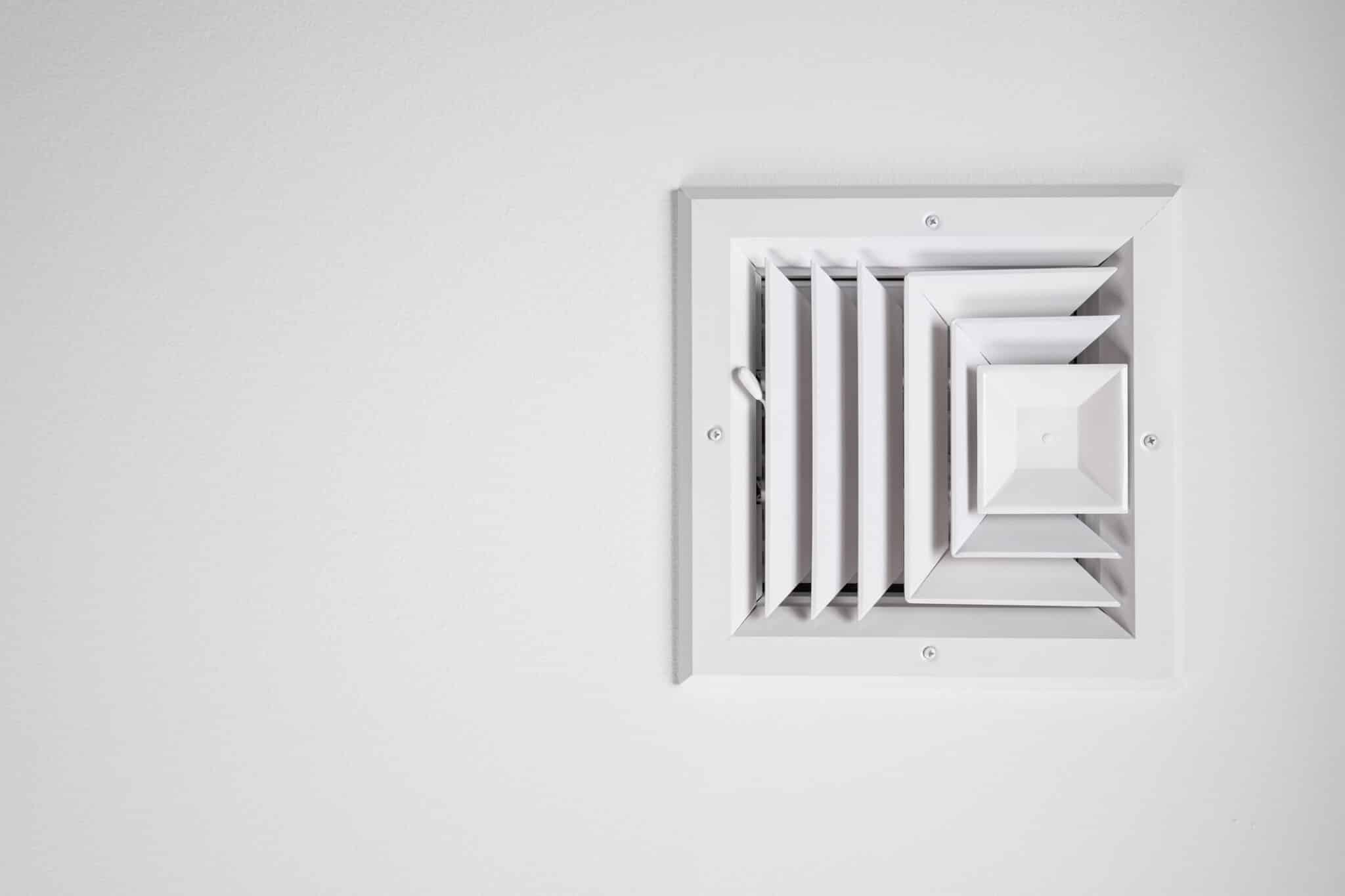
Managing vents effectively is a crucial step in optimizing HVAC airflow performance. Residents in Haslet, TX, often make the simple yet impactful decision to keep all vents open and unobstructed. This allows air to flow freely throughout the home, ensuring no room suffers from stagnation. Regularly checking vents for blockages can significantly improve the comfort and air quality of your living spaces.
In Southlake, TX, homeowners understand the importance of cleaning vents and registers. Dust and debris can accumulate over time, reducing HVAC airflow performance. A quick vacuum or wipe down can remove these obstructions, allowing for better air circulation. This maintenance task supports a healthier indoor environment by promoting consistent airflow.
Adjusting vent direction can also enhance your home’s heating and cooling efficiency. By directing air flow away from windows and doors, you ensure that conditioned air stays inside. This strategy helps maintain an even temperature throughout your home, making every room comfortable. It’s a simple adjustment that can make a big difference in how your HVAC system performs.
Lastly, considering the layout of your furniture and its impact on vent airflow is key. Blocking vents with large pieces of furniture can restrict air movement, leading to inefficient system operation. Homeowners are advised to arrange their rooms thoughtfully, ensuring vents are clear. This approach not only improves HVAC airflow performance but also contributes to the overall efficiency of the system.
Upgrading Your HVAC System for Improved Airflow
Upgrading your HVAC system plays a pivotal role in enhancing HVAC airflow performance. In Haslet, TX, homeowners often consider replacing older units with more efficient models. These newer systems are designed to optimize airflow, ensuring every room in your home enjoys consistent comfort. This step not only improves air distribution but also boosts the overall system efficiency.
Incorporating advanced air filtration systems can significantly impact your home’s air quality. Residents in Southlake, TX, have experienced the benefits of installing high-efficiency filters. These filters capture more pollutants, enhancing the HVAC airflow performance and ensuring cleaner air circulates throughout the home. It’s a straightforward upgrade that supports a healthier living environment.
Another effective upgrade involves installing smart thermostats. These devices offer precise control over your HVAC system, adapting to your lifestyle and preferences. By automatically adjusting settings for optimal performance, they ensure your system works efficiently without unnecessary strain. This technology not only improves comfort but also contributes to better airflow management.
Lastly, considering a ductwork evaluation and upgrade is crucial for maintaining optimal HVAC airflow performance. Over time, ducts can suffer from leaks or become poorly aligned with your home’s layout. Professional assessments can identify areas that need improvement, ensuring air is delivered efficiently to every corner of your home. This upgrade is essential for achieving the best possible performance from your HVAC system.
Tips for Identifying and Resolving Common Airflow Issues
Identifying and resolving common airflow issues is crucial for maintaining HVAC airflow performance. Homeowners in Haslet, TX, often start by listening for unusual noises from their system, which can indicate blockages or leaks. Regular inspections can catch these problems early, preventing more significant issues down the line. This proactive approach ensures your system operates efficiently, keeping your home comfortable.
In Southlake, TX, residents pay close attention to uneven heating or cooling in different rooms. This symptom often points to airflow imbalances within the ductwork. By adjusting dampers or consulting with professionals, homeowners can achieve more balanced air distribution. Such adjustments enhance the overall performance of the HVAC system, ensuring every room reaches the desired temperature.
Another common issue is the buildup of debris around the outdoor unit, which can restrict airflow and reduce system efficiency. Keeping this area clear allows your system to breathe easier, improving HVAC airflow performance. Simple actions like trimming bushes or sweeping leaves away can make a significant difference in how well your system operates.
Lastly, ensuring your home’s interior vents are unblocked and open is a straightforward yet effective strategy. Furniture or curtains covering vents can severely limit airflow, leading to inefficiencies. Residents are advised to arrange their spaces thoughtfully, allowing air to circulate freely. This not only optimizes HVAC airflow performance but also contributes to a more evenly heated or cooled home environment.
Frequently Asked Questions
What causes poor HVAC airflow?
Poor HVAC airflow often stems from clogged air filters that restrict air movement. Blocked or closed vents can also reduce airflow efficiency throughout your home. Leaks in ductwork allow air to escape before reaching its intended destination, further diminishing performance. Regular maintenance is key to preventing these common issues and enhancing HVAC airflow performance.
How to clean HVAC ducts?
Cleaning HVAC ducts boosts airflow performance by removing dust and debris. First, turn off the system to ensure safety. Use a high-powered vacuum to clear out the ducts efficiently. Finally, wiping the interior surfaces with a damp cloth can remove lingering dust. This process helps maintain optimal HVAC airflow performance, enhancing air quality and system efficiency.
Can filters improve HVAC airflow performance?
Yes, filters play a crucial role in enhancing HVAC airflow performance. Regularly replacing or cleaning them ensures air moves freely, improving efficiency. A clean filter prevents dust and debris from entering the system, safeguarding its operation. Thus, proper filter maintenance is essential for optimal airflow and system longevity.
What signs indicate low HVAC airflow?
Signs of low HVAC airflow include uneven temperatures across different rooms. You may also notice weak air coming from vents. Strange noises from the ductwork can indicate blockages affecting airflow. Lastly, an increase in dust accumulation suggests the system isn’t filtering air properly, impacting overall HVAC airflow performance.
How does regular maintenance affect HVAC airflow performance?
Regular maintenance significantly boosts HVAC airflow performance. It ensures all components work efficiently, preventing common airflow issues. Cleaning and replacing filters, along with inspecting ductwork for leaks, keeps air moving smoothly. This routine care extends the system’s lifespan, maintaining a comfortable home environment.