

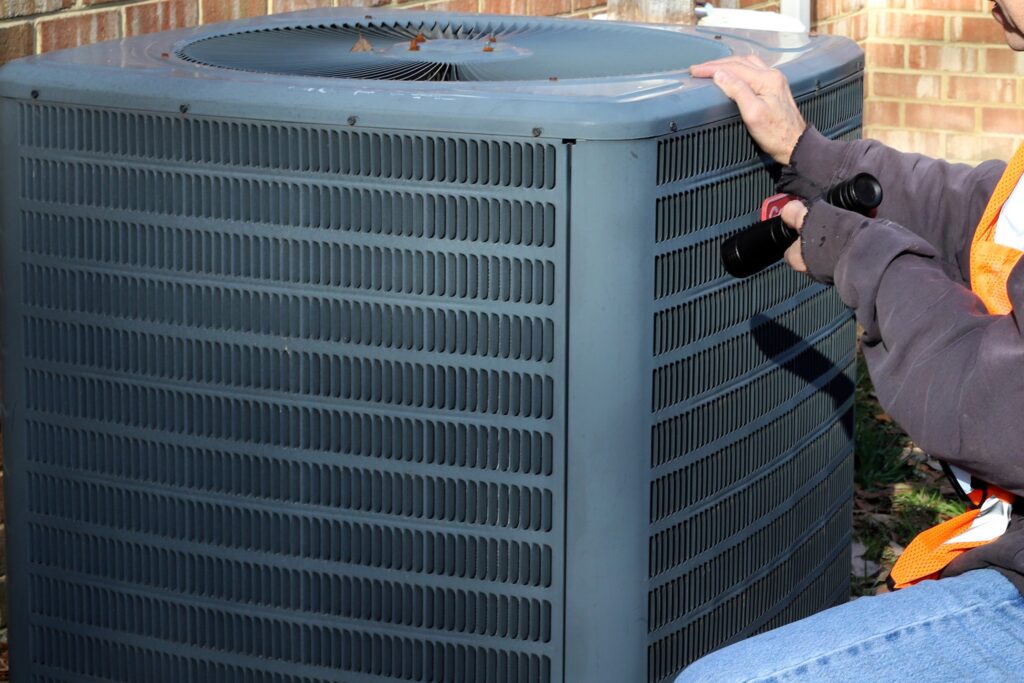
Why AC Maintenance Matters During Extreme Fort Worth
Key Takeaways About AC Maintenance
AC maintenance means the routine checks and tune ups that keep a cooling system operating safely and efficiently. This guidance is for homeowners and property managers who rely on steady cooling during prolonged heat events.
- Identify weak airflow and warm spots before they worsen.
- Prevent refrigerant loss and pressure related compressor strain.
- Avoid electrical hazards by addressing burning smells immediately.
- Spot clogged drains and filters to prevent water damage.
- Reduce runtime and energy use with cleaned coils and filters.
- Plan seasonal tune ups to lower mid summer breakdown risk.
Introduction
When Fort Worth, Texas faces prolonged heat, an air conditioner under strain can fail when you need it most. Hot nights and high daytime temperatures push systems to run longer and harder than normal. Reduced cooling performance shows up as longer run cycles and uneven temperatures across rooms. Not addressing those signs leaves homeowners facing discomfort and emergency calls.
AC maintenance keeps systems operating closer to their original performance levels. Technicians check the thermostat, refrigerant lines, and blower motor to confirm the system is balanced. Cleaning or replacing airflow components helps the system move cool air efficiently through the supply plenum and return grille. Proper upkeep also helps maintain indoor air quality and comfort.
Routine service helps catch developing problems before they become breakdowns. A trained technician inspects the evaporator coil, capacitor, contactor, and condensate drain line for early wear or clogging. Watching for odd sounds, burning smells, or frequent short cycling gives clues to potential failure. Identifying issues during a service visit reduces the chance of a sudden system outage.
Staying proactive with maintenance extends the useful life of major components and keeps temperature swings smaller across the home. Technicians provide diagnostic readings and a written report so you can see what they found and why actions matter. If safety risks appear during an inspection, a professional will recommend immediate steps and next actions. Scheduling routine AC maintenance helps keep your home comfortable all summer.
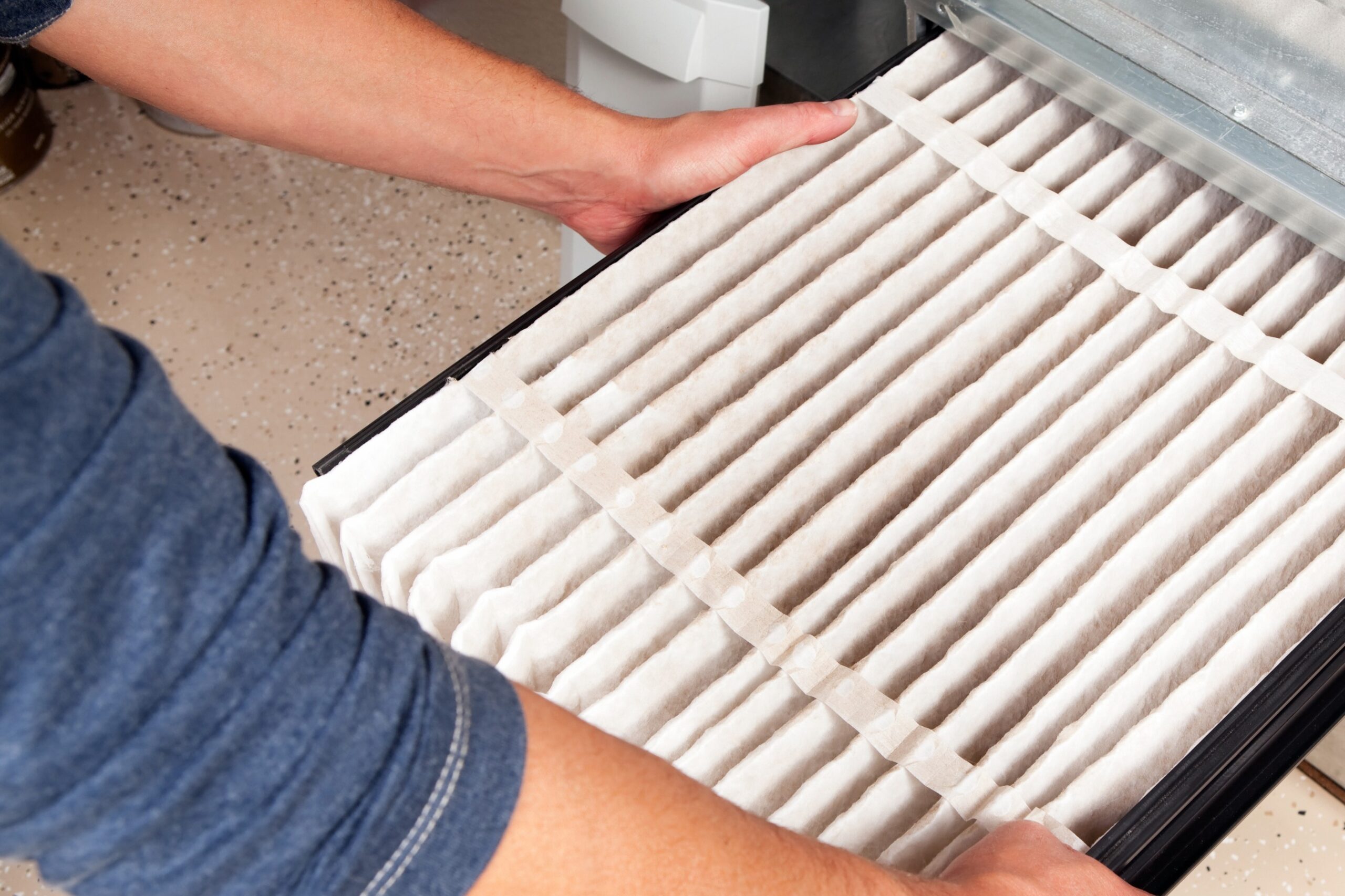
How AC Maintenance Improves Cooling Performance
How AC maintenance improves cooling performance means keeping airflow, refrigerant, and electrical components working as a coordinated system. Technicians verify thermostat settings and airflow balance so rooms reach set temperatures faster. They also measure refrigerant pressures to confirm the system can remove heat effectively. Homeowners often ask whether maintenance really lowers run time, and the answer is yes when airflow and refrigerant levels are corrected.
- Clean condenser and evaporator coils.
- Replace or clean air filters.
- Inspect and tighten electrical connections.
- Clear the condensate drain line.
- Lubricate moving parts as needed.
Regular checks reduce strain on the compressor and blower motor, which keeps the system closer to original capacity. A technician observes fan operation, listens for unusual noises, and checks capacitor and contactor condition. They will also check the evaporator coil for frost or dirt that reduces heat transfer. These simple inspections often prevent longer runtime and uneven cooling across rooms.
When performance feels weak, a professional will perform diagnostic steps to confirm causes rather than guess. That includes measuring static pressure across the return and supply, checking refrigerant pressure with gauges, and verifying voltage at the motor. They may inspect the condensate drain for clogging and test the thermostat for accurate control. The written report from these checks shows observable readings and recommended repairs or tune-up steps.
For properties in Fort Worth, Texas this kind of maintenance is especially valuable because high demand exposes developing faults quickly. Identifying small signs like warm spots, weak airflow at the supply plenum, or frequent short cycling helps avoid mid-summer failures. Following a documented tune-up procedure also helps homeowners know what to expect during a visit. For details about typical service steps, see AC tuneup steps.
Common Causes Of AC Failures In Fort Worth
Age and wear on major components often start failures long before total breakdown. Bearings in the blower motor and wear on the compressor produce louder operation and reduced output. A technician can confirm age-related wear by checking motor amperage, observing shaft play, and testing capacitor function. Early identification during a maintenance visit lets homeowners plan repairs rather than face sudden loss of cooling.
Electrical issues cause many mid-summer outages when connections loosen or contactors pit from frequent cycling. Homeowners may notice intermittent operation, a burning smell, or lights dimming when the unit starts. A professional diagnosing the problem will inspect the contactor, measure voltage at the compressor and fan motor, and test capacitors with a meter. These steps isolate whether the issue needs a replacement contactor, tightened wiring, or a capacitor change.
Restricted airflow from clogged filters or blocked returns raises internal pressures and stresses the compressor and blower. Visible clues include weak airflow at the supply registers and rooms taking longer to reach set temperature. During an inspection a technician checks the filter, measures static pressure across the return and supply, and inspects the evaporator coil for dirt. Regular filter changes and cleaning save energy and reduce the chance of component failure during heat waves.
Refrigerant leaks or incorrect charge levels reduce cooling capacity and can damage the compressor if left unaddressed. Signs for homeowners include reduced cold air at vents and ice forming on the evaporator coil. A technician locates leaks using pressure gauges and electronic leak detectors, then confirms proper charge by measuring suction and discharge pressures. Repairing leaks and restoring correct refrigerant charge helps prevent repeat failures and preserves compressor life.
Debris and restricted outdoor airflow around the condenser significantly lower heat rejection and cause longer run times. Homeowners may see debris buildup or hear the outdoor fan labor when the condenser is obstructed. A professional inspects the fins, checks fan motor current, and measures temperature split across the evaporator and condenser. Clearing the area and cleaning the condenser coil are simple maintenance steps that reduce strain during prolonged heat.
Why Compressor And Refrigerant Issues Happen
Compressor failures often begin with increased workload when refrigerant circulation is impaired, causing higher operating temperatures and stress. Technicians look for oil stains and listen for unusual knocking that indicate internal wear and possible valve issues. A professional will measure motor amperage and compare run current to manufacturer ranges to confirm compressor strain. If readings show overloads, they follow with refrigerant pressure checks and visual inspection of the line set for damage.
Refrigerant problems commonly stem from small leaks at service ports, brazed joints, or valve interfaces that slowly reduce charge and performance. During a diagnostic visit, a technician uses pressure gauges and an electronic leak detector to locate losses and confirm the system holds pressure after repair. Visible clues homeowners might notice include a weak cool airflow and longer run cycles that coincide with higher temperature differentials. Repairing a leak and restoring correct charge prevents liquid slugging and compressor overheating.
Another cause of compressor stress is repeated short cycling, which prevents proper oil return and increases mechanical wear over time. A technician checks thermostat placement, anticipator settings, and control signals to confirm cycling patterns and rule out electrical issues. They also inspect the contactor and capacitor, testing capacitance and contact resistance to ensure reliable starts. Documented test readings form part of the service report so homeowners understand the recommended repairs.
Contamination in the refrigerant circuit, such as moisture or debris, can create slugging and reduced heat transfer that damages the compressor quickly. Technicians perform a vacuum test and measure micron levels to verify system dryness before adding refrigerant, and they may recommend a filter-drier replacement when contamination appears. For homeowners in Fort Worth, Texas, high seasonal demand makes early detection of these issues especially important to avoid mid-summer failures. Scheduling routine checks helps catch developing refrigerant and compressor problems before they become emergencies, and you can learn about timing and options at HVAC maintenance scheduling.
How Dirty Coils And Filters Reduce Efficiency
Dirty evaporator coils and clogged air filters cut heat transfer efficiency so the system must run longer to reach set temperature. Reduced heat transfer raises the evaporator temperature and can allow moisture to freeze on the coil surface. A technician inspects the coil fins and filter condition during a tune-up to confirm dirt levels and airflow restriction. Addressing these issues restores proper temperature split and reduces unnecessary runtime.
- Inspect evaporator coil fins for debris.
- Check air filter fit and media condition.
- Measure temperature split across the coil.
- Clear return grilles and registers.
Dirt on the condenser coil outside prevents the system from rejecting heat efficiently to outdoors and forces higher compressor pressures. High head pressure leads to elevated motor amperage and increased wear on the compressor during long run cycles. A technician measures suction and discharge pressures to verify whether dirty coils are causing abnormal readings. Cleaning the condenser coil usually lowers operating pressures and improves cooling capacity.
Clogged filters and restricted airflow raise static pressure in the duct system and reduce supply airflow to rooms. Higher static pressure increases blower motor load and can cause overheating or premature failure over time. During diagnosis, a professional will measure static pressure and inspect the blower motor and capacitor for signs of strain. Those readings help determine if cleaning or component replacement is needed.
“For example,” a homeowner might notice weak airflow and higher energy bills while the thermostat calls continuously even on milder days. A technician would check filter condition, inspect the evaporator coil, and take temperature and pressure readings to confirm causes. They may provide a written report showing airflow measurements and recommended cleaning or filter schedule. Following those recommendations reduces breakdown risk and keeps indoor comfort more consistent in Fort Worth, Texas.
Warning Signs Homeowners Should Never Ignore
A sudden burning smell from vents or near the outdoor unit is a warning homeowners should never ignore because it can indicate overheating electrical components. If you notice this odor, shut the system off and contact a technician who will inspect the contactor, check voltage at the compressor, and test capacitor function using a multimeter. Technicians also look for discolored wiring, melted insulation, and hot spots during a visual inspection to confirm the source. Do not try to fix electrical problems yourself, call a professional for safety.
Frequent on-off cycles that happen in short bursts point to control or airflow issues that require prompt attention to avoid compressor damage. A service professional will check thermostat calibration, inspect the contactor for pitting, and measure run current at the compressor to diagnose the cause. They may also examine the condensate drain and float switch to rule out nuisance shutdowns from a clogged drain. Documentation of these readings helps you understand the necessary repair steps.
Visible water around the indoor unit or pooled condensate near the drain line often signals a blocked condensate drain or a failed drain pan, and this should not be ignored. During diagnosis a technician will use a flashlight to inspect the evaporator coil, clear the drain line, and test the condensate pump if present to confirm proper flow. They might also check the return grille for restricted airflow that can cause excess moisture to form on the coil. Taking action quickly prevents water damage and mold growth in the ductwork.
Unusual sounds like loud rattling, grinding, or a high-pitched squeal indicate mechanical wear or loose components that a homeowner should report immediately. A professional inspects the blower motor bearings, belt tension where applicable, and fan blade condition to identify the source of noise. They also verify motor amperage and capacitor performance to determine if replacement is needed. Prompt diagnosis avoids further mechanical failure and longer repairs later.
A noticeable drop in cooling at multiple supply registers while the compressor still runs suggests refrigerant loss or a failed metering device that requires technician testing. A qualified technician will attach pressure gauges, measure suction and discharge pressures, and scan the line set for oil stains that indicate leaks to confirm refrigerant problems. They may also inspect the expansion device and measure temperature split across the evaporator coil for a complete diagnosis. If you see these signs, arrange professional service and reference routine maintenance steps in what is included in a professional AC service for typical checks.
Sudden loss of outdoor fan movement or the fan running but the compressor not starting is an electrical or starting-component failure that needs immediate testing. A technician will test capacitor capacitance, check contactor continuity, and take voltage readings to pinpoint the failed starting component during diagnosis. They will also inspect the outdoor coil and fan motor for obstruction or seized bearings that influence starting behavior. For guidance on why keeping up with regular repairs prevents these failures, see why regular heating and air conditioning repair is necessary and schedule a professional visit if you notice any listed warning signs in Fort Worth, Texas.
When To Call A Professional Service For Repairs
Call a professional when safety hazards, like burning smells or visible sparks, appear near your indoor or outdoor unit. A technician will shut down power, inspect electrical connections, test capacitor and contactor function, and report the hazard. These steps confirm whether the issue is a loose connection, failed starting device, or damaged wiring requiring repair. Do not attempt electrical fixes yourself, wait for a trained professional to diagnose and secure the system.
Schedule service if cooling drops across multiple rooms while the system runs continuously without reaching set temperature. A technician will measure supply and return temperatures, check refrigerant pressures with gauges, and inspect the evaporator coil for frost or dirt to confirm causes. They will also examine the thermostat, blower motor operation, and duct pressure to rule out airflow restrictions. Those diagnostic readings guide the correct repair path and prevent unnecessary component replacements.
Arrange immediate service when you hear new mechanical noises such as grinding, loud rattling, or squealing that persist after brief operation. A professional inspects the blower motor bearings, fan blade balance, and belt or motor mount condition to locate the source. Technicians will perform voltage and amperage checks at the motor to identify electrical strain contributing to noise. Fixing the root cause early prevents further mechanical damage and longer downtime during extreme heat.
Contact a service provider if condensate overflows or you find water stains near the indoor cabinet or ceiling under the ductwork. A technician will trace the condensate path, clear clogs in the drain line, test the float switch or condensate pump, and inspect the drain pan for corrosion. They may use a flashlight and moisture meter to confirm hidden leaks or saturated insulation. Prompt intervention reduces mold risk and limits repair scope to manageable fixes.
When the outdoor unit’s fan stops or the compressor fails to start, call for immediate diagnostic testing to avoid prolonged downtime. A technician will test capacitor capacitance, check contactor continuity, and take voltage readings to pinpoint starting faults or motor failure. They will inspect the outdoor coil and fan motor for obstruction, seized bearings, or evidence of rodent damage that affects operation. Fast professional diagnosis preserves system life and restores reliable cooling before temperatures climb dangerously high.
What One Hour Technicians Check During Service
Technicians begin service with a visual and electrical inspection of major components to establish current condition and safety. They check contactor contacts, capacitor health, and measure motor voltage and amperage to confirm proper operation. The technician also examines the refrigerant line set and service ports for visible oil stains that suggest leaks or damage. If any immediate safety hazards appear, they document findings and recommend shutting down the system until repaired.
- Inspect thermostat calibration and operation.
- Measure suction and discharge pressures with gauges.
- Check blower motor and capacitor for proper function.
- Clear and test the condensate drain for flow.
- Examine outdoor coil fins and fan motor condition.
During airflow checks, a technician measures static pressure across the return and supply to detect duct or filter restrictions. They remove the filter to inspect media condition and verify filter fit at the return grille before replacing or advising changes. The technician will also look inside the air handler for visible debris, rust, or degraded insulation that affects airflow or safety. These steps clarify whether restricted airflow causes longer run cycles and uneven room temperatures.
For refrigerant diagnosis, professionals attach gauges, take temperature split readings across the evaporator coil, and interpret pressures to confirm correct charge or leaks. They may use an electronic leak detector if pressures or oil stains point to a slow loss of refrigerant. A written report records measured pressures, temperature differentials, and recommended repairs so homeowners can see the diagnostic basis. Homeowners concerned about seasonal swings can review preparation tips after service at prepare HVAC for temperature swings, which complements the technician’s advice.

Simple Preventive Steps Homeowners Can Take Weekly
Keep registers and the return grille clear of furniture, curtains, and debris so airflow remains steady through the system. Check the air filter weekly by removing it and holding it to light, replace or clean if it blocks light or shows visible dirt. Ensure the thermostat runs on fresh batteries and sits away from direct sunlight or heat-producing appliances to avoid false readings. These simple checks support ongoing AC maintenance and help the system match cooling demand more efficiently.
Inspect the outdoor unit visually for leaves, grass clippings, and loose debris, and gently clear a two-foot perimeter to maintain proper condenser airflow. Use a soft brush to knock loose dirt from visible fins while the unit is off, taking care not to bend the fins. Look for oil stains along the refrigerant line set or at service ports that could indicate a developing leak needing professional diagnosis. If you see stains or smells, shut the system off and contact a technician for testing.
Listen for new or changing sounds during normal cycles, such as rattles, scraping, or high-pitched squeals that can indicate mechanical issues like loose panels or failing bearings. Watch the condensate drain access for slow drainage or standing water that signals a clog, a mild household bleach solution or a wet-dry vacuum can clear minor buildups, but persistent problems require a professional inspection. Monitor thermostat run times and note any sudden increases because longer cycles often point to restricted airflow or refrigerant changes. Keep a short log of these observations to share with your service technician during a visit.
For homeowners preparing for a heat wave, take steps to reduce indoor heat gain by closing blinds during peak sun and running ceiling fans to assist conditioned airflow. Ensure duct supply registers are open and unobstructed so rooms receive balanced airflow and confirm return grilles are not blocked by furniture or rugs. Consider reading the manufacturer’s maintenance suggestions for your model and scheduling a professional tune-up if your notes show recurring symptoms. For detailed preparedness guidance, review the page on extreme heat preparation for HVAC, and arrange professional support when needed in Fort Worth, Texas.
Frequently Asked Questions
How often should I schedule AC maintenance during heat waves?
During prolonged heat waves, schedule AC maintenance at least twice a season to keep systems reliable and efficient. Have a technician inspect the refrigerant lines, evaporator coil, blower motor, and condensate drain for issues. If you notice strange smells, reduced airflow, or frequent cycling, call a professional immediately because breakdown risk increases in extreme heat. For safety, do not open electrical panels yourself, let a certified technician perform tests and repairs.
What signs mean my AC needs maintenance now?
If your home smells musty, the system cycles on and off rapidly, or cooled air drops noticeably, schedule AC maintenance now. Unusual grinding, rattling, or hissing noises during operation indicate a mechanical or refrigerant issue needing inspection. Visible liquid around the air handler or clogged condensate drain line can cause water damage, so turn the unit off and call a professional. If the thermostat, airflow, or temperature response feel inconsistent, a technician should perform diagnostic checks and safety inspections.
Can AC maintenance reduce monthly cooling costs?
Yes. Regular AC maintenance helps systems run at designed efficiency by cleaning coils, replacing filters, and checking refrigerant levels. Technicians also inspect the blower motor, capacitor, and thermostat to ensure proper cycling and airflow. If you notice odd smells or sounds, stop the unit and call a professional to avoid safety risks.
What does a technician check during an AC maintenance visit?
Technicians inspect and clean the air filter, evaporator coil, and condenser coil to restore airflow and heat transfer.
They measure refrigerant pressures and temperatures, check for leaks, and confirm the correct refrigerant charge.
A tech tests electrical components like capacitors, contactors, and the blower motor, and watches the thermostat and airflow for proper operation.
If they find unsafe wiring, refrigerant leaks, or a damaged heat exchanger, they will recommend shutting the system off and calling a professional.
How does maintenance prevent mid-summer breakdowns?
Regular AC maintenance catches worn parts like capacitors, contactors, and belts before they fail under heavy summer load. Technicians clean coils and clear the condensate drain to prevent icing and water backups that force shutdowns. A professional checks refrigerant charge and airflow, which keeps the system from overworking and tripping safety switches. If you smell burning or hear grinding, shut off the unit and call a qualified technician because safety risks can be serious.