

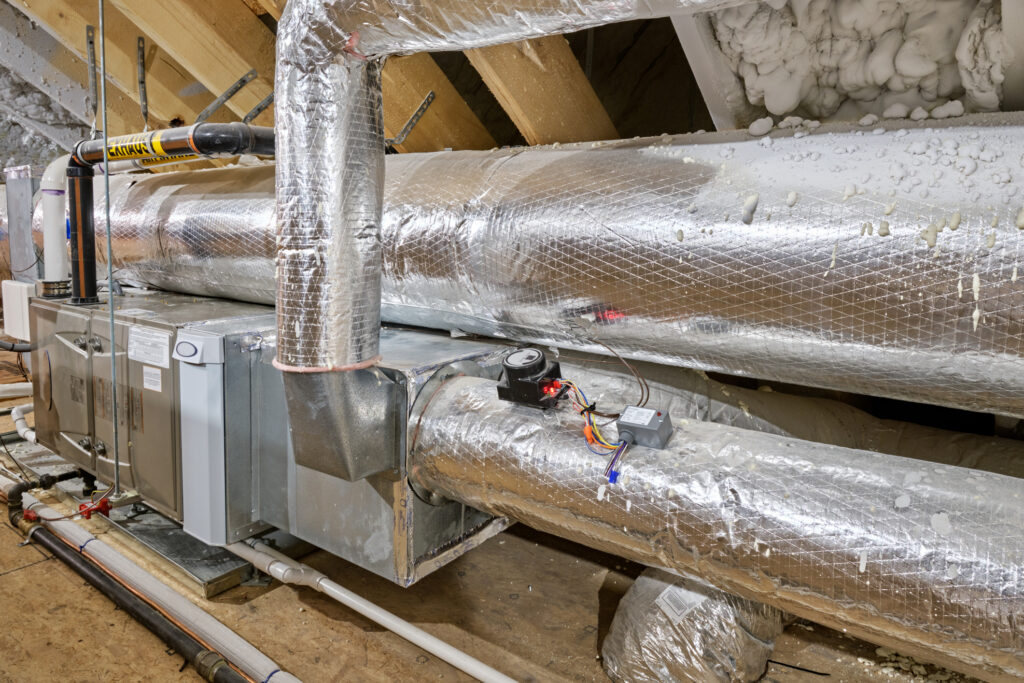
Air Handler Insulation Cuts Condensation and Noise
When it comes to enhancing the efficiency and performance of your HVAC system, air handler insulation emerges as a pivotal solution. Not only does it adeptly minimize condensation issues that can lead to mold growth, but it also significantly reduces noise, creating a more comfortable environment in your home. In regions like Fort Worth, TX, where the climate can fluctuate dramatically, ensuring your air handler is properly insulated is crucial for maintaining an optimal indoor atmosphere.
Residents of Saginaw, TX, and surrounding areas are increasingly recognizing the benefits of air handler insulation. By effectively insulating the cabinets and lines, homeowners can prevent the ‘sweating’ phenomenon that often occurs in high humidity levels. This step not only protects the equipment but also enhances its longevity, ensuring that your system operates smoothly for years to come.
Moreover, for those living in North Richland Hills, TX, and similar locales, the reduction of airflow noise is a welcome advantage. Air handler insulation works to dampen the sound of air moving through the system, resulting in quieter operation. This improvement is particularly beneficial in residential areas where peace and quiet are highly valued, contributing to a serene home environment.
Understanding the significance of air handler insulation is the first step towards achieving a more efficient and comfortable home. With the right approach, homeowners can enjoy the dual benefits of reduced condensation and a quieter HVAC system. This not only leads to better performance but also enhances the overall quality of life, making it a worthwhile consideration for anyone looking to upgrade their home’s heating and cooling system.

Understanding Air Handler Insulation Benefits
Understanding the benefits of air handler insulation provides a clear pathway to enhancing your home’s HVAC efficiency. Properly insulated air handlers can significantly mitigate the formation of condensation. This is especially important in areas like Saginaw, TX, where humidity can escalate quickly. By keeping moisture at bay, insulation helps in preventing mold and mildew, ensuring a healthier living environment.
Moreover, air handler insulation plays a crucial role in reducing operational noise. For residents in North Richland Hills, TX, this means a quieter home where the sound of air flowing through the system becomes barely noticeable. This improvement is particularly appreciated in homes where noise pollution can disturb the peace. It allows families to enjoy a calm and serene atmosphere, free from the distraction of a loud HVAC system.
In addition to moisture control and noise reduction, insulating your air handler can lead to better overall system performance. When the air handler is insulated, it prevents the loss of cool or warm air, making the system more efficient. This efficiency not only ensures that your home remains comfortable but also contributes to the longevity of the HVAC system. As a result, homeowners can enjoy a consistently comfortable indoor climate without frequent maintenance issues.
Lastly, embracing air handler insulation is a step towards a more energy-efficient home. By maintaining the desired temperature more effectively, your HVAC system doesn’t have to work as hard. This not only conserves energy but also supports a more sustainable lifestyle. Residents throughout Fort Worth, TX, and beyond can take pride in knowing their choice to insulate contributes to a larger goal of energy conservation and environmental protection.
Types of Insulation Materials for Air Handlers
Choosing the right type of insulation material for your air handler is key to maximizing its benefits. Fiberglass insulation is a popular choice, known for its ability to reduce condensation and dampen noise effectively. This material fits snugly around air handlers, ensuring no energy is wasted. Homeowners in Saginaw, TX, often prefer fiberglass for its reliability and performance.
Another excellent option is foam insulation, which offers superior air sealing properties. Its dense structure not only prevents moisture buildup but also insulates against outdoor temperature changes. Residents in North Richland Hills, TX, find foam insulation ideal for keeping their HVAC systems running efficiently. Plus, its sound-absorbing qualities make it a quiet solution.
Reflective insulation is another innovative solution, especially useful in hot climates. It reflects heat away from the air handler, keeping the system cooler and reducing the workload. This type of insulation is perfect for areas where the summer heat intensifies the demand on HVAC systems. It ensures that the air handler operates smoothly, without overexerting itself.
Lastly, rubber insulation stands out for its eco-friendly nature and flexibility. It wraps around air handlers and ducts with ease, offering excellent thermal resistance and noise reduction. This material is especially favored for its mold-resistant qualities, making it a smart choice for maintaining a healthy indoor environment. Each of these materials offers distinct advantages, allowing homeowners to choose the best fit for their specific needs and local climate conditions.
Step-by-Step Guide to Insulating Air Handler Cabinets
Insulating your air handler cabinets is a straightforward process that begins with selecting the right insulation material. Once you’ve chosen between fiberglass, foam, reflective, or rubber insulation based on your specific needs, measure the area of the air handler cabinet. This ensures you cut the insulation to the right size, providing a snug fit that maximizes efficiency and reduces condensation.
Next, carefully wrap the insulation around the air handler cabinet, securing it in place with appropriate fasteners. It’s important to cover all exposed areas evenly to prevent heat loss and dampen noise effectively. This step is crucial in maintaining a consistent temperature within the system, leading to quieter and more efficient operation.
In areas like Saginaw, TX, where humidity can be high, sealing the edges of the insulation is a key step. Use a high-quality sealant to close any gaps, preventing moisture from penetrating the insulation. This not only enhances the insulation’s effectiveness but also protects against mold and mildew growth, contributing to a healthier indoor environment.
Finally, don’t forget to insulate the connecting lines between the air handler and the rest of the HVAC system. This ensures that the efficiency gains from insulating the air handler are not lost through uninsulated lines. Residents in North Richland Hills, TX, will find that this comprehensive approach to air handler insulation can significantly improve their HVAC system’s performance, reducing energy usage and creating a more comfortable home.
How to Insulate Refrigerant Lines Effectively
After insulating the air handler cabinets, focusing on the refrigerant lines is a crucial next step. These lines carry coolant between the outdoor condenser unit and the indoor air handler, playing a vital role in your HVAC system’s efficiency. Without proper insulation, these lines can lose energy, making your system work harder than necessary. Insulating them helps maintain the temperature of the coolant, enhancing overall system performance.
Begin by selecting an insulation material suited for the outdoor environment, as these lines are often exposed to the elements. Foam insulation is commonly used for refrigerant lines due to its durability and excellent thermal properties. It’s important to ensure the insulation completely surrounds the lines, leaving no gaps. This continuous coverage helps prevent energy loss and protects against condensation, which can lead to corrosion over time.
Applying the insulation correctly involves cleaning the refrigerant lines before wrapping them. This step ensures that the insulation adheres well and provides effective thermal protection. Secure the insulation with weather-resistant tape, especially designed for outdoor use. This not only keeps the insulation in place but also prevents moisture ingress, which is crucial in humid areas like Saginaw, TX.
Lastly, regularly inspecting the insulation on your refrigerant lines for damage or wear is essential. Exposure to harsh weather conditions can degrade the insulation over time, reducing its effectiveness. Residents of North Richland Hills, TX, will find that keeping up with this maintenance task helps their HVAC system operate more efficiently. Properly insulated refrigerant lines contribute significantly to reducing energy usage and enhancing the comfort of your home.
Reducing Air Handler Noise with Proper Insulation
Reducing the noise produced by air handlers is a key benefit of proper insulation. When air handler insulation is correctly installed, it acts as a sound barrier. This makes the HVAC system quieter, creating a more peaceful home environment. Residents in Saginaw, TX, appreciate this quieter operation, especially during the hot summer months when air conditioners are running frequently.
In addition to making homes quieter, air handler insulation improves the system’s efficiency. By keeping the air handler’s temperature consistent, it reduces the effort required to heat or cool the air. This means the system doesn’t have to work as hard, leading to smoother operation. Homeowners in North Richland Hills, TX, find their HVAC systems last longer with proper insulation.
Choosing the right insulation material is crucial for noise reduction. Materials like fiberglass and foam are excellent for dampening sound. They absorb vibrations and noise, preventing them from spreading through the home. This is especially beneficial in densely populated areas, where external noise can add to the discomfort.
Finally, regular checks on the insulation can ensure it continues to perform well. Over time, insulation may settle or degrade, reducing its effectiveness in noise control and efficiency. By inspecting and maintaining the insulation, residents can ensure their HVAC systems remain quiet and efficient. This proactive approach helps in maintaining a serene and comfortable living space.
Preventing Condensation Issues with Air Handler Insulation
Air handler insulation plays a crucial role in preventing condensation issues within HVAC systems. By keeping the air handler properly insulated, moisture buildup is significantly reduced. This is especially important in places like Saginaw, TX, where humidity levels can rise quickly. Proper insulation ensures that the air handler operates efficiently, without the added stress of dealing with condensation.
In North Richland Hills, TX, homeowners understand the value of maintaining their HVAC system’s health. Insulating the air handler not only prevents condensation but also protects the system from potential water damage. When moisture is controlled, the risk of mold and mildew formation around the HVAC components is minimized. This proactive measure keeps the air quality in your home safe and clean.
Effective air handler insulation also contributes to energy conservation. By preventing the loss of conditioned air, the system requires less energy to maintain the desired indoor temperature. This efficiency is particularly beneficial during the extreme temperatures of summer and winter. Residents enjoy a comfortable home environment while using less energy, which is good for both the wallet and the planet.
Lastly, regular inspections of the air handler insulation can prevent future condensation problems. Over time, insulation may wear down or become less effective, allowing moisture issues to resurface. By checking the insulation periodically, homeowners can address any concerns early, ensuring their HVAC system remains in top condition. This diligence helps extend the life of the system and maintain a comfortable, efficient home.
Maintenance Tips for Insulated Air Handling Units
Maintaining your air handler insulation is crucial for ensuring the system continues to perform optimally. Regularly check the insulation for signs of wear or damage, especially after extreme weather conditions. This helps in identifying any issues early, preventing bigger problems down the line. Homeowners in Saginaw, TX, can keep their HVAC systems running efficiently by following this simple tip.
Another important maintenance task is to ensure the insulation remains dry and free from moisture. Wet insulation can lead to mold growth and reduce the effectiveness of the air handler insulation. Residents in North Richland Hills, TX, will find that keeping the insulation dry enhances indoor air quality and the overall health of their HVAC system.
It’s also advisable to periodically review the fit and coverage of the insulation. Over time, insulation can shift or compact, leaving parts of the air handler exposed. Adjusting the insulation to cover these areas fully ensures that the system remains quiet and efficient. This step is essential for prolonging the life of your HVAC unit.
Lastly, consider consulting with HVAC professionals for an insulation check-up. They can offer expert advice and perform any necessary adjustments or replacements. This professional insight is invaluable for maintaining the effectiveness of your air handler insulation, ensuring your home remains comfortable and energy-efficient year-round.

Case Studies: The Impact of Air Handler Insulation
In Saginaw, TX, a family experienced significant improvements in their home’s comfort after upgrading their HVAC system with air handler insulation. Before the update, they frequently dealt with condensation issues and excessive noise. The insulation effectively minimized these problems, enhancing the system’s efficiency and creating a more serene living environment. Their story highlights the practical benefits of insulation in maintaining a comfortable and efficient home.
Another case involved a homeowner in North Richland Hills, TX, who was initially skeptical about the impact of air handler insulation. However, after noticing a decrease in their HVAC system’s operational noise and an improvement in temperature consistency, they became a strong advocate. This example underscores the insulation’s role in optimizing system performance and reducing unwanted sound. It demonstrates the tangible difference proper insulation can make in everyday life.
Professionals in the HVAC industry often cite cases where air handler insulation has extended the lifespan of systems. By preventing moisture buildup and ensuring efficient operation, insulation helps avoid the stress that can lead to premature wear. These outcomes are not only beneficial for the system’s durability but also for enhancing indoor air quality, showcasing the multifaceted advantages of insulation.
Communities around Fort Worth, TX, have seen a trend toward adopting air handler insulation for its energy-saving potential. Success stories from these areas reveal how insulation contributes to a noticeable reduction in energy usage. Residents appreciate the dual benefits of lower operational costs and a smaller carbon footprint, making air handler insulation a wise choice for environmentally conscious homeowners.
Frequently Asked Questions
What causes condensation in air handlers?
Condensation in air handlers often results from the cooling process. As air cools, moisture in the air condenses on cold surfaces. Poor insulation and high humidity levels can exacerbate this issue. Proper air handler insulation helps prevent these problems, ensuring a more efficient system.
How does air handler insulation reduce noise?
Air handler insulation plays a key role in reducing noise by absorbing sound vibrations. This makes the air flow quieter and enhances overall system performance. With the right insulation, the sounds from the air handler’s operation are less likely to be heard. As a result, homes and offices enjoy a more peaceful environment, free from the distraction of loud HVAC systems.
Can insulation improve air handler efficiency?
Absolutely, insulation can enhance air handler efficiency significantly. By maintaining consistent temperatures, it reduces the workload on the system. This means the air handler doesn’t have to work as hard to cool or heat, leading to lower energy use. In turn, this improved efficiency can extend the lifespan of the HVAC system, ensuring it performs optimally for longer.
What types of air handler insulation are available?
Several types of air handler insulation are available to meet different needs. Fiberglass is a common choice, known for its excellent thermal and sound-dampening properties. Foam insulation offers a higher R-value, making it effective for controlling temperatures and reducing condensation. Reflective insulation is ideal for areas exposed to direct sunlight, helping to reflect heat away. Each option provides unique benefits, ensuring improved performance and comfort in homes and offices.
Is air handler insulation cost-effective?
Yes, investing in air handler insulation proves to be cost-effective over time. It enhances system efficiency, leading to reduced energy consumption. This improvement not only extends the lifespan of the HVAC system but also ensures a more comfortable indoor environment. By preventing condensation and noise, it maintains the system’s optimal performance, making it a wise choice for homeowners and businesses alike.