
Aux Heat Inspection to Verify Backup Performance
Key Takeaways About Aux Heat Inspection
An aux heat inspection checks that backup heating stages and safety devices operate correctly. This guidance is for homeowners and property managers before cold weather or when aux behavior seems abnormal.
- Identify staging timing between compressor and auxiliary heat.
- Prevent simultaneous operation of incompatible heating components.
- Avoid electrical hazards by checking contactors and wiring connections.
- Spot combustion issues by observing flame color and venting behavior.
- Reduce unexpected utility spikes with proper sequencing adjustments.
- Plan professional diagnostics when tests show abnormal readings or odors.
Introduction
When outdoor temperatures drop, many homeowners rely on auxiliary heat to keep pipes and rooms warm. A failing aux system can cause long runtimes, cold spots, or unexpected utility spikes that signal staging and sequencing problems. In colder nights in Aledo, TX, a backup heat issue can quickly become urgent for older homes. Clear checks help confirm the system will switch on and work safely when needed.
Aux heat inspection focuses on whether the thermostat and equipment coordinate correctly during calls for heat. Incorrect staging can leave the compressor running against heat strips or fossil fuel burners, creating wear and inefficiency. Sequencing errors often show as odd timing, repeated short cycles, or a sudden jump to full backup heat. Homeowners notice these issues as strange noises, abrupt temperature changes, or higher-than-normal runtime.
Safety matters because backup heat can involve high-voltage electric strips or combustion components that pose fire and carbon monoxide risks. An inspection checks electrical connections, contactor operation, and combustion venting where applicable. Professionals also verify thermostat logic and control board signals to avoid unintended equipment conflicts. These checks protect the home and reduce the chance of emergency service calls on cold nights.
For properties in Arlington, TX, repeated staging or sequencing faults often show up during seasonal transitions or after control board replacements. A professional diagnosis uses observable symptoms, voltage and continuity readings, and control output checks to confirm the root cause. Expect a written report with test results and clear next steps when a problem is found. If you suspect backup heat problems, schedule a qualified inspection to confirm safe performance.
How Aux Heat Works And Why It Engages
Aux heat works as a secondary heating source that kicks in when the primary heat pumps cannot meet the thermostat setpoint. Heat pumps reverse refrigerant flow to heat, but when outdoor temperatures fall or capacity drops, the thermostat calls for aux heat. This call forces electric heat strips or a backup furnace to operate until the heat pump regains capacity. Homeowners often ask whether aux heat runs every time the temperature drops, and the answer depends on thermostat settings and outdoor conditions.
- Thermostat senses outdoor or indoor temperature deficit.
- Control board signals the compressor to stage up first.
- Auxiliary relays close to energize backup heating elements.
- Sequencing prevents both systems from fighting each other.
Most thermostats use staging and sequencing logic to protect the heat pump and save energy. Staging raises output gradually, while sequencing prevents simultaneous operation of incompatible components. A common homeowner question asks why both systems sometimes run together, and improper sequencing or a faulty relay often causes that overlap. In Aledo, TX, noticing both systems running frequently can indicate a sequencing or control issue that needs checking.
Electric heat strips use high-voltage contactors and fuses, while backup gas furnaces rely on burners and venting that require safe sequencing. Professionals will inspect the thermostat wiring, contactor operation, and control board outputs to confirm proper timing and interlocks. For homeowners considering equipment upgrades, reviewing advantages of two-stage furnaces can clarify how staging improves comfort and reduces aux heat reliance. In Arlington, TX, mismatched controls after component replacement commonly create staging faults that technicians correct with configuration and testing.
Signs Your Backup Heat Is Not Operating Correctly
Unusual runtime patterns are a common sign that sequencing isn’t correct. You may hear the compressor run continuously while electric heat strips click on and off. Frequent short cycles, sudden long runs, or a rapid jump to backup heat suggest the control board or relay timing is wrong. Note any odors or burning smells during these events and stop the system if you detect them.
Temperature behavior gives clear clues that staging failed. If some rooms stay cold while the thermostat shows satisfied, the system may be using only partial heat. Another cue is a steady temperature rise followed by a sudden drop when backup heat shuts off unexpectedly. Technicians check thermostat calls, control outputs, and room-by-room temperature readings to confirm the mismatch.
Electrical symptoms point to failing components that affect safe operation. Tripped breakers, blown fuses, or warm electrical panels indicate excessive draw from heat strips or contactors. A professional will take voltage readings, test continuity through contactors, and inspect high-voltage wiring and connections. For homeowners curious about thermostat wiring safety and basics, see the guide on thermostat wiring basics and safety.
Combustion backup systems show different warning signs that require immediate attention. Soot around the burner, unusual furnace noises, or yellow flame color suggest combustion or venting problems. Seasonal recurrence after service or control changes in Arlington, TX often shows sequencing errors that trigger these combustion symptoms. If you notice any of these signs, arrange a professional aux heat inspection rather than attempting repairs yourself.
Common Causes Of Aux Heat Failure And Why They Happen
Electrical faults often cause aux heat failure when contactors or high-voltage wiring degrade from heat and vibration over time. Technicians look for loose terminals, burnt insulation, and blown fuses when diagnosing these failures during an aux heat inspection. A visible arc mark or melted wire insulation usually leads a pro to test continuity and voltage under load. If you notice warm junction boxes or repeated breaker trips, schedule an inspection before the condition worsens.
Control logic problems happen when the thermostat or control board sends incorrect sequencing commands to the heat pump and backup heater. A professional will verify thermostat outputs, check control board relays, and monitor the timing of stage calls to confirm the fault. Misconfigured thermostat settings or a failed relay can let electric strips energize while the compressor still runs. Homeowners should ensure proper thermostat placement and settings as part of troubleshooting, see the guidance on thermostat placement for common errors to avoid.
Failure of auxiliary heating elements also appears during an inspection when strip heaters have open circuits or uneven element resistance readings. Technicians measure element continuity and inspect high-voltage contactors for pitting or welded contacts to diagnose performance loss. Burned terminals, ash, or visible corrosion on elements quickly point to replacement needs rather than control adjustments. In Aledo, TX homes, element failure sometimes coincides with seasonal heavy use and should be verified before winter peaks.
Combustion backup issues occur when draft, venting, or ignition components degrade and upset safe sequencing with the heat pump. A service technician checks flue clearances, flame color, and ignition cycles to confirm the burner responds only when the heat pump is idle. Poor combustion can trip safety limits or force the control board into a lockout state, causing apparent aux heat failure. If you detect soot, persistent smells, or unusual furnace cycling in Arlington, TX, have a professional inspect the combustion system promptly.
Verifying Staging And Sequencing Step By Step
Start by confirming the thermostat call behavior while observing equipment responses at the outdoor unit and indoor air handler. Watch compressor start delays and note whether high-voltage contactors energize before or after heat strips. A technician will take voltage readings to confirm control outputs match the thermostat signal. Record switching times to compare against expected staging and sequencing logic for later calibration.
- Verify thermostat stage indicators display correctly.
- Observe compressor and strip timing under load.
- Check control board relay actuation visually.
- Measure voltage at contactor and element terminals.
Next, simulate a staged call by raising the setpoint in small steps and watching the sequence of events. Note if the system moves from first-stage heat to auxiliary heat quickly or with appropriate delays. If sequencing is incorrect, technicians inspect low-voltage wiring at the thermostat and control board terminals. They also confirm that any interlocks prevent simultaneous incompatible equipment operation.
Then inspect the high-voltage circuits while the aux elements operate to confirm safe power delivery and correct fusing. Look for warm terminals, discoloration, or loose lugs that indicate resistance or impending failure. Continuity tests across heating elements verify whether strips share load evenly or if one element is open. Photographs and test readings become part of the service record for follow-up adjustments.
Finally, review control settings and perform calibration if timing or thresholds differ from manufacturer guidance using documented test results. A pro may reference system calibration procedures to set correct staging behavior and prevent unnecessary aux engagements. Homeowners in Aledo, TX and Arlington, TX benefit when technicians leave written findings and recommended adjustments after confirming proper sequencing. If safety concerns appear during any step, contact a qualified technician rather than attempting repairs yourself.
Safety Checks For Backup Heat Operation At Home
Begin by visually checking heat-strip access panels and furnace doors for secure fit and no signs of scorching or melted insulation. Test indicators like breaker position and fuse condition before energizing any high-voltage components to avoid sudden trips. Inspect visible wiring for brittle insulation, loose lugs, or discoloration that indicates high resistance or overheating. If you see damaged wiring or warm junctions, stop and contact a professional for safe repair.
Verify proper airflow at supply registers and return grilles to prevent heat build-up that can trip safety limits or damage elements. Clean or replace clogged filters and look for closed dampers that reduce air movement across heaters. Confirm the blower motor runs smoothly when aux heat engages to move warmed air without excessive noise or vibration. Persistent weak airflow suggests a blower or duct restriction that a technician should evaluate.
Check combustion backup appliances for clear vent paths, correct flame color, and secure draft to reduce carbon monoxide and fire risks during aux operation. Inspect the area around a furnace for soot, oil stains, or unusual odors that point to combustion inefficiency. Use a CO detector in the home as an ongoing safety measure and ensure detectors are within their service dates. If detectors alarm or you observe unsafe combustion signs, shut down the appliance and call a professional immediately.
Confirm thermostat configuration matches the intended staging and sequencing logic by reviewing mode settings and any emergency heat options. Observe short calls for heat and long steady calls to ensure the thermostat does not force unnecessary aux engagement. A technician can compare thermostat outputs against control board signals and document discrepancies in a service report for corrections. For guidance on system efficiency that affects aux operation, see the resource on HVAC system operational efficiency.
While inspecting physical systems, test safety devices such as limit switches and high-temperature cutouts for correct operation under controlled conditions. Record switch actuation points and note any failure to open or reset correctly, as these require immediate replacement. Check the mounting and insulation around heat elements to ensure stable mechanical support and proper clearance. For homeowners planning system changes that might affect sequencing, learn what an installation involves with information on air conditioner installation.
When To Call A Professional For Aux Heat Inspection
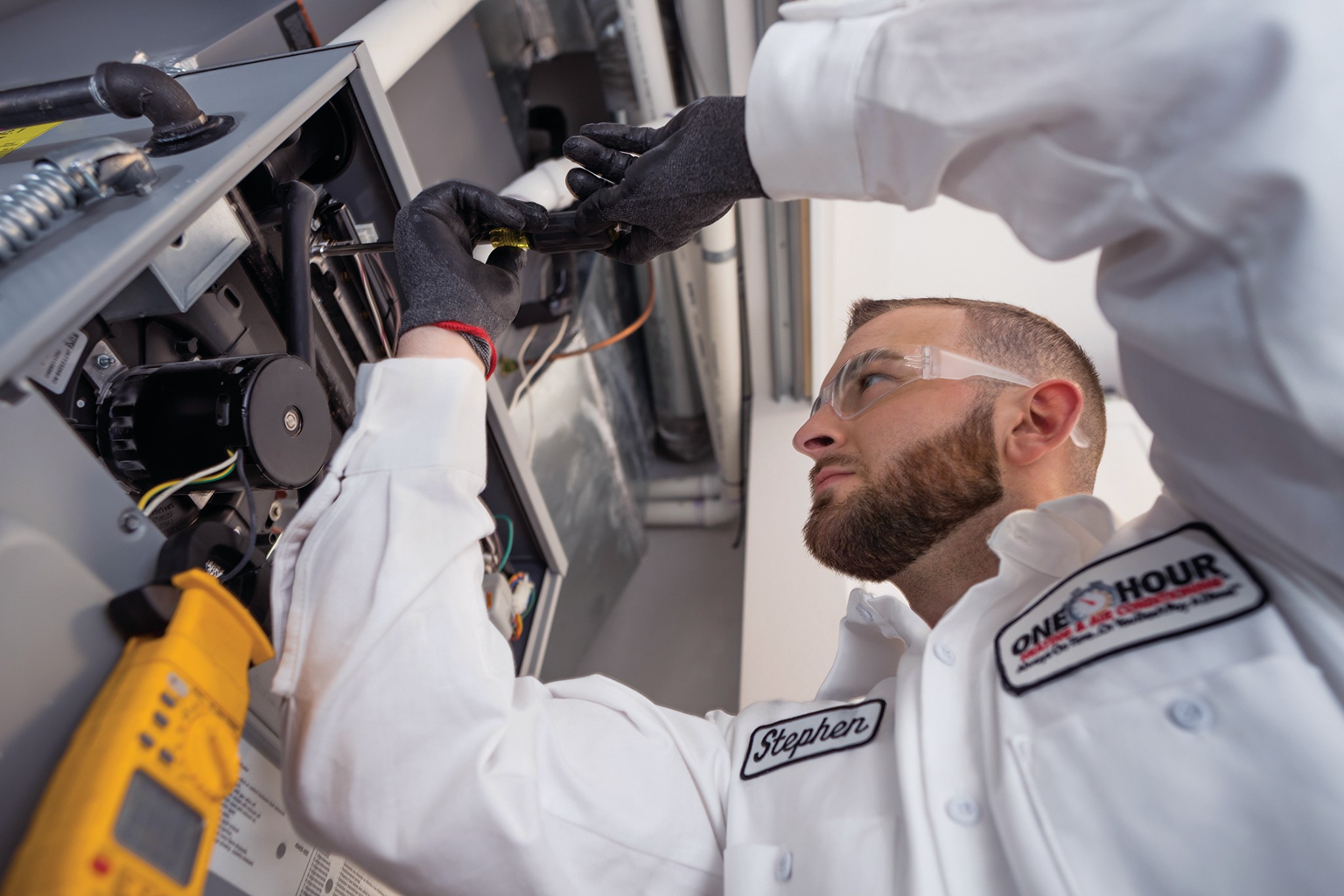
Call a professional when you observe repeated sequencing errors that you cannot reproduce safely during a quick check. A trained technician will perform controlled diagnostic steps and confirm whether the thermostat output and control board timing match expected behavior. They use voltage readings at the contactor, continuity checks across heat elements, and written test results to pinpoint failures. If you detect burning smells or warm junctions near high-voltage components, stop using the system and arrange an inspection immediately.
Bring in a pro if combustion backup shows any unreliable flame behavior or soot that returns after cleaning. A technician will inspect ignition cycles, vent draft, and combustion products while confirming the heat pump and backup furnace do not energize simultaneously. They may use an infrared camera for hot spots and a combustion analyzer when safe and appropriate to verify safe operation. For homes in Aledo, TX, seasonal changes often reveal intermittent combustion sequencing faults that need professional attention.
Schedule professional service when aux heat engages unpredictably during normal operation or when thermostat settings appear correct but responses are wrong. A technician will trace thermostat wiring, test relays on the control board, and observe staged calls while recording timing and voltages. Those recorded readings and photos form a report clarifying whether repairs, adjustments, or component replacement are required. In situations where airflow limits or blower failures contribute to tripping safety devices, a pro evaluates duct and blower performance.
If you plan equipment changes that affect sequencing or staging, consult a technician to verify compatibility and controls before proceeding. A professional will review system control logic, recommend adjustments, and confirm safe interlocks between heat pump and backup heat. They can also advise on efficiency improvements and provide guidance based on measured system performance and test data. For additional context on conserving energy while ensuring reliable backup heat, review information on HVAC system efficiency.
Simple DIY Tests Homeowners Can Perform Safely
Start with a visible thermostat check by changing the setpoint a few degrees and watching equipment response. Note whether the heat pump reduces compressor activity before backup heat engages. Record whether the thermostat shows an emergency heat icon or a staged call indicator. If display behavior seems inconsistent, stop and plan a professional aux heat inspection.
- Listen for contactor clicks when aux engages.
- Check that vents warm within a few minutes.
- Verify blower runs with aux heat on.
- Look for tripped breakers during the test.
Next, perform a safe breaker check by switching the aux breaker off and on while the system is idle. Observe whether the thermostat reports loss of stage and if the control returns to normal when power is restored. Avoid touching wiring or internal panels during this test to prevent shock or damage. If breakers trip again immediately, schedule professional service to inspect high-voltage components and connections.
Use a simple temperature check with a thermometer at a supply register and a return grille during an aux call. A clear temperature rise at the supply within five to ten minutes suggests proper heat transfer and blower operation. If the register stays cool while the thermostat shows aux active, do not force the system, call for a technician to inspect control signals and heat elements. For combustion backups, consider arranging a qualified inspection that includes a focused heat exchanger inspection to confirm safe operation.
For homeowners in Aledo, TX and Arlington, TX, document any strange sounds, smells, or repeated sequence failures during DIY tests. Photograph thermostat screens and breaker positions to help a technician diagnose issues remotely if needed. Keep records of your observations and the time each test occurred to speed professional troubleshooting. If you detect burning smells, persistent trips, or unusual combustion cues, stop testing and contact a qualified HVAC technician immediately.
Preventive Maintenance To Keep Aux Heat Reliable
Schedule routine visual inspections of electrical connections and contactor faces to spot early wear and overheating before they cause failures. Have a technician record voltage and amperage readings while the aux system runs to confirm load shares and proper breaker sizing. Replace air filters and clean return grilles on a regular cadence to prevent heat buildup that trips safety limits or stresses elements. For homeowners in Aledo, TX, documenting these checks helps technicians diagnose intermittent staging issues faster during service calls.
Include a periodic thermostat review to verify programming, calibration, and stage thresholds match system capabilities and comfort goals. Technicians can update thermostat firmware or settings and log control-board responses to ensure staging and sequencing follow manufacturer recommendations. Test limit switches and high-temperature cutouts under controlled conditions to confirm they open and reset at expected points without unexpected lockouts. Keep copies of test results and photographs to track trends across seasons and guide future maintenance.
Schedule annual professional tune-ups that include combustion analysis for gas backups and element resistance checks for electric strips to detect degradation. A service visit should inspect venting, heat exchanger condition, and flame characteristics for combustion reliability and safety. During the visit, ask the technician to simulate staged calls while recording timing, relay action, and any abnormal sounds or vibration. For properties in Arlington, TX, these documented simulations help pinpoint sequencing faults that happen only during specific outdoor conditions.
Maintain the blower and duct connections to ensure proper airflow when aux heat engages and to reduce the chance of nuisance trips from overheating. Clean the blower wheel, inspect motor mounts, and verify belt condition or direct-drive coupling stability at planned intervals. Replace or tighten any worn sheet-metal connections that leak air and reduce delivered heat to occupied rooms. Keep a maintenance checklist available so you can mark completed items and note any observations for the next professional inspection.
Frequently Asked Questions
How does an aux heat inspection confirm proper staging?
An aux heat inspection verifies staging by running the system through normal and backup cycles while monitoring thermostat calls and equipment response. Technicians watch for correct timing between heat pump operation and auxiliary heat activation using thermostat logs and voltage readings. They inspect relays, contactors, and the heat strip or furnace sequencing to confirm safe transition and proper control wiring. If any unsafe conditions appear, stop testing immediately and call a licensed professional to avoid electrical or combustion hazards.
What signs indicate sequencing errors during aux heat operation?
Look for repeated short cycles where the heat strips or backup burner switch on and off quickly while the compressor runs slowly or not at all. Listen for the auxiliary stage engaging out of sequence, such as backup heat starting before the heat pump reaches lower-stage temperature. Watch for unusually high utility usage or thermostat error codes during operation, which can signal control or wiring faults. If you see these signs, stop using the system and call a professional, because sequencing errors can create safety and equipment risks.
Can aux heat inspection detect electrical overloads or bad contactors?
An aux heat inspection can reveal signs of electrical overloads and failing contactors through observation and testing of components. A technician checks contactor contacts for pitting, measures coil voltage, and records current draw at the heater circuit. Visible overheating, burning smells, tripped breakers, or repeated short cycling indicate possible overload or contactor failure. If you suspect electrical issues, stop using backup heat and call a licensed HVAC electrician or technician for safe diagnosis and repair.
How should combustion backup be checked during an aux heat inspection?
During an aux heat inspection, visually inspect the combustion chamber, burners, and flue for soot, corrosion, or loose connections. Measure gas pressure and burner flame quality with appropriate gauges and a combustion analyzer where available. Verify sequencing by commanding backup heat and observing thermostat staging, blower response, and limit switch behavior. Because combustion systems can present carbon monoxide and fire risks, stop and call a licensed pro if you detect gas smell, yellow flames, or abnormal readings.
When should homeowners schedule an aux heat inspection for safety?
Schedule an aux heat inspection before the first cold snap or when your heat pump runs longer than normal.