

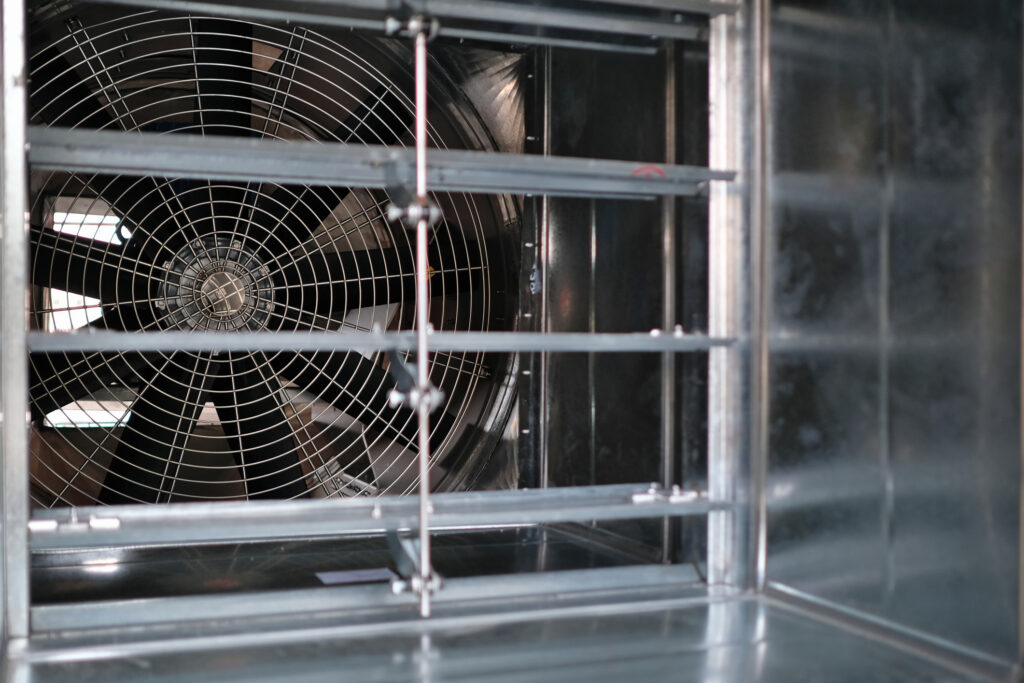
Damper Blade Repair Restores Movement
When your home’s airflow feels uneven or weak, damper blade repair can make a noticeable difference. Damper blades regulate how air moves through your HVAC system, affecting comfort in every room. Over time, these blades may get stuck or lose responsiveness, leaving you with inconsistent temperatures. Homeowners in Grapevine, TX, often notice these issues during seasonal changes.
Professional damper blade repair targets the root of the problem by freeing stuck blades and adjusting linkages. This process restores smooth airflow, helping your system respond quickly to thermostat changes. Reliable airflow control means each area of your home stays comfortable, no matter the weather outside. Technicians use proven methods to ensure lasting results without unnecessary disruption.
If you live in Southlake, TX, maintaining your HVAC system’s performance is essential for year-round comfort. Damper blade repair not only improves efficiency but also extends the lifespan of your equipment. Addressing minor issues early prevents larger problems from developing in the future. Regular attention to damper blades keeps your system running smoothly and quietly.
Choosing professional damper blade repair brings peace of mind and better indoor air quality. Trained specialists have the experience to identify and resolve hidden airflow issues quickly. Restoring proper movement to damper blades ensures your home’s comfort is never compromised. Trusting experts means you can enjoy consistent temperatures throughout every season.
Understanding Damper Blades in HVAC Systems
Damper blades are essential components inside your HVAC ductwork, controlling how air is distributed throughout your home. When these blades function correctly, each room receives the right amount of airflow for balanced comfort. Over time, dust, debris, or mechanical wear can cause damper blades to become stuck or misaligned. This often leads to uneven temperatures and reduced system efficiency.
Proper damper blade repair focuses on freeing blades that no longer move as intended. Technicians carefully inspect each blade and its linkage, looking for signs of obstruction or damage. By addressing these issues, they restore the smooth operation necessary for responsive airflow control. Homeowners in Fort Worth, TX, benefit from improved comfort and system reliability.
Damper blades work in conjunction with other HVAC components to maintain desired temperatures in every part of your home. When blades are stuck, even a well-maintained system can struggle to deliver consistent results. Timely damper blade repair ensures your thermostat settings are met without delay. This process is especially important during seasonal transitions in Grapevine, TX, when temperature swings are common.
In addition to freeing stuck blades, technicians adjust linkages to guarantee precise movement and alignment. This careful attention prevents future problems and keeps your HVAC system running quietly. Regular damper blade repair also supports better indoor air quality by promoting steady airflow. Residents in Southlake, TX, notice the difference in comfort and performance after professional service.
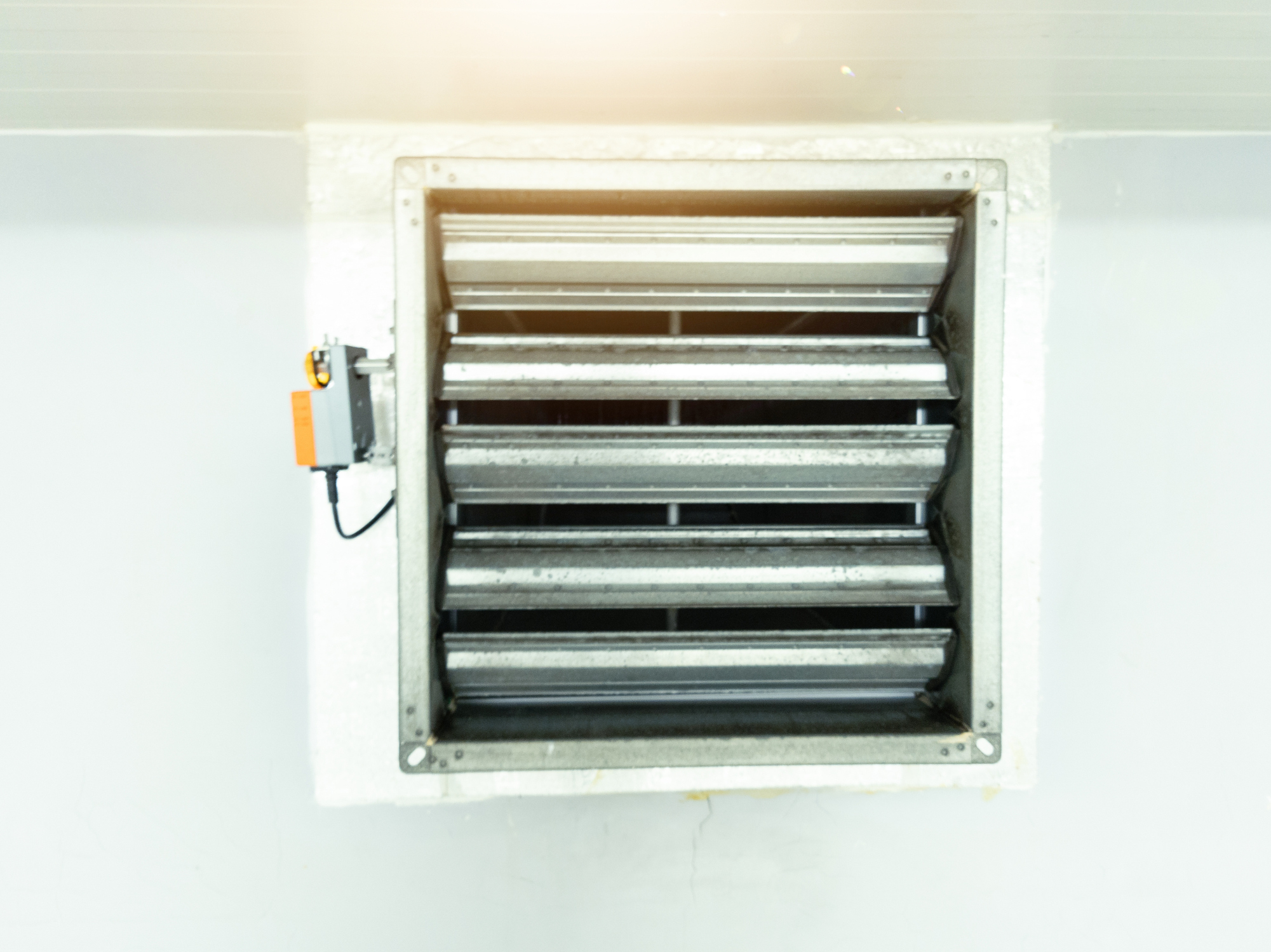
Common Causes of Stuck Damper Blades
Several factors can cause damper blades to become stuck within your HVAC system. Accumulated dust and debris often build up around the blades, restricting their movement over time. Mechanical wear, such as bent linkages or worn pivot points, can also hinder smooth operation. Without regular damper blade repair, these issues may lead to persistent airflow problems.
Moisture inside ductwork is another common culprit, especially during humid seasons in Grapevine, TX. Rust and corrosion can cause damper blades to seize, making airflow adjustments difficult. In some cases, insulation or foreign objects may obstruct the blades’ path. Addressing these obstacles through damper blade repair restores proper function and comfort.
Improper installation or past repairs can leave damper blades misaligned or loosely connected to their linkages. When this happens, the blades may not respond to thermostat changes as intended. Technicians in Southlake, TX, often find that correcting alignment issues solves many airflow complaints. Damper blade repair ensures blades move freely and precisely with each adjustment.
Neglecting these common causes can strain your HVAC system and reduce its efficiency. Timely damper blade repair prevents unnecessary wear and helps maintain steady airflow throughout your home. By resolving stuck blades and misalignments, technicians support consistent indoor temperatures. This proactive approach keeps your system operating reliably in every season.
Signs Your Damper Blades Need Repair
Recognizing the signs of damper blade issues can help you maintain comfort in every room. Uneven temperatures or weak airflow often signal the need for damper blade repair. If rooms in your Grapevine, TX home feel hotter or colder than others, stuck blades may be the cause. Prompt attention to these symptoms keeps your HVAC system operating smoothly.
Unusual noises coming from your vents can also indicate trouble with damper blades. Rattling or scraping sounds suggest that blades or linkages are out of alignment. Damper blade repair resolves these noises and restores quiet operation. Addressing these problems early prevents further damage to your HVAC system.
If your thermostat settings do not produce the expected results, damper blade problems could be to blame. Inconsistent airflow makes it difficult to maintain the temperature you want. Professional damper blade repair ensures your system responds accurately to adjustments. This service is especially valuable during seasonal shifts in Southlake, TX.
Visible dust buildup around vents or a musty odor can also point to damper blade issues. Blocked or stuck blades allow dust and allergens to accumulate in your ductwork. Timely damper blade repair improves indoor air quality and restores fresh airflow. Noticing these warning signs means it’s time to schedule an inspection.
Damper Blade Repair: Tools and Safety Precautions
Damper blade repair requires the right tools and careful attention to safety. Technicians use screwdrivers, pliers, and inspection mirrors to access and adjust damper blades. Specialized lubricants help free stuck components without damaging sensitive parts inside the ductwork. Wearing gloves and safety glasses protects against sharp edges and debris during the repair process.
Before beginning any damper blade repair, technicians turn off the HVAC system to prevent accidental airflow or electrical hazards. Proper lighting ensures a clear view of the blades and linkages inside the ducts. Using a vacuum or brush, they remove dust and debris that could interfere with movement. This approach keeps repairs efficient and safe for both the technician and your home.
Accessing damper blades often involves removing vent covers or duct panels with precision. Technicians in Grapevine, TX, take care not to damage surrounding materials during this process. They use gentle pressure to test blade movement and identify any areas of resistance. This methodical approach ensures thorough damper blade repair and lasting results.
After freeing and adjusting the blades, technicians check for smooth operation and secure all components. In Southlake, TX, professionals verify that airflow responds correctly to thermostat changes before completing the service. They clean the work area and replace any removed panels or covers. This attention to detail ensures your damper blade repair delivers reliable comfort and peace of mind.
Step-by-Step Damper Blade Repair Process
A professional damper blade repair begins with a thorough inspection of your HVAC system’s ductwork and damper assembly. Technicians look for visible blockages, dust buildup, and any signs of mechanical wear. Using inspection mirrors and flashlights, they assess each blade’s movement and linkage connections. This careful evaluation identifies the root cause of restricted airflow.
Next, technicians gently remove vent covers or duct panels to access the damper blades. They use specialized tools to clear away dust, debris, or rust that may hinder blade movement. If blades are stuck, lubricants are applied to free them without damaging sensitive components. Each linkage is checked and adjusted for smooth, precise operation.
Once the blades move freely, the technician tests the system by adjusting the thermostat and observing airflow changes. This step ensures the damper blade repair has restored responsive control throughout your home. Any remaining noises or resistance are addressed before reassembling the ductwork. In Grapevine, TX, this process helps maintain balanced comfort in every room.
After completing repairs, technicians clean the work area and secure all panels or covers. They confirm the HVAC system responds correctly to thermostat adjustments and that airflow is consistent. Damper blade repair in Southlake, TX, supports quiet operation and reliable comfort. Regular service keeps your system efficient and your indoor environment pleasant year-round.
Adjusting Linkages for Optimal Airflow Control
Precise adjustment of damper linkages is a key step in effective damper blade repair. Linkages connect the damper blades to the control mechanism, allowing smooth movement with each thermostat change. If these linkages are loose or misaligned, airflow can become inconsistent across your home. Technicians carefully calibrate each linkage to ensure blades respond accurately and efficiently.
During damper blade repair, professionals test the movement of each blade after adjusting the linkages. They look for any signs of sticking or uneven travel that could affect airflow. This attention to detail helps maintain balanced comfort, especially during seasonal shifts in Grapevine, TX. When linkages operate smoothly, your HVAC system delivers the right amount of air to every room.
Properly adjusted linkages also reduce strain on your HVAC equipment. When damper blades move freely, the system does not have to work harder to maintain desired temperatures. This results in quieter operation and extends the lifespan of key components. Damper blade repair ensures your system runs efficiently and reliably all year.
After completing adjustments, technicians verify that each zone responds to thermostat changes without delay. In Southlake, TX, homeowners notice improved comfort and more consistent airflow throughout their living spaces. Damper blade repair, including linkage adjustment, supports a healthier indoor environment. Regular service keeps your system performing at its best, no matter the season.
Benefits of Timely Damper Blade Repair
Timely damper blade repair delivers immediate comfort and long-term reliability for your HVAC system. When blades move freely, your home experiences steady, even airflow in every room. This improvement helps maintain the temperature you set, regardless of outdoor conditions. Residents in Grapevine, TX, often notice a more comfortable living environment after prompt repairs.
Addressing damper blade issues early prevents more serious problems from developing within your ductwork. Professional repair reduces the risk of further mechanical wear or system strain. By keeping blades and linkages in top condition, your HVAC system operates smoothly and quietly. This attention helps avoid unexpected breakdowns during extreme weather.
Another benefit of damper blade repair is improved indoor air quality throughout your home. Unobstructed blades allow for better air circulation, reducing the buildup of dust and allergens. Cleaner airflow supports a healthier environment for your family. Southlake, TX homeowners often report fresher, more pleasant air after repairs.
Finally, regular damper blade repair supports the overall efficiency of your heating and cooling system. When airflow responds quickly to thermostat adjustments, energy use stays consistent and controlled. This efficiency contributes to a quieter, more reliable system year-round. Investing in timely repairs ensures lasting comfort and peace of mind.

When to Call a Professional for Damper Blade Repair
Knowing when to call a professional for damper blade repair can save you time and prevent further HVAC issues. If you notice persistent uneven temperatures or weak airflow despite adjusting your thermostat, expert help is needed. Unusual noises from your vents, such as rattling or scraping, often signal mechanical problems best handled by trained technicians. In Grapevine, TX, these symptoms should prompt a prompt inspection to avoid larger system complications.
Attempting to fix damper blade issues without proper training can lead to accidental damage or incomplete repairs. Professionals have the tools and experience to safely access and adjust damper blades and linkages. They can identify hidden causes of stuck or misaligned blades that may be missed during a DIY attempt. Relying on expert damper blade repair ensures your system operates efficiently and safely.
If you have already tried basic troubleshooting, such as cleaning vents or checking your thermostat, but problems persist, it is time to call for help. Technicians can quickly diagnose the issue and restore proper airflow throughout your home. In Southlake, TX, homeowners benefit from fast, effective service that keeps their HVAC systems running smoothly. Regular professional damper blade repair also helps prevent future issues.
Seasonal changes often reveal underlying damper blade problems, especially during periods of heavy system use. Scheduling an inspection before extreme weather arrives ensures your home stays comfortable year-round. Professional damper blade repair supports consistent temperatures, quieter operation, and better indoor air quality. Trusting experts keeps your HVAC system reliable and your living spaces pleasant.
Frequently Asked Questions
What are common signs a damper blade needs repair?
Uneven airflow between rooms often signals a need for damper blade repair in your HVAC system. You might notice rooms feeling too warm or too cold compared to others nearby. Strange noises, like rattling or whistling from the vents, can also indicate a stuck or misaligned blade. If adjusting the thermostat brings little change, professional damper blade repair can restore smooth airflow control throughout your home.
How does damper blade repair restore movement?
Damper blade repair involves freeing stuck blades and adjusting linkages to allow proper movement within your HVAC system. Technicians clean and lubricate the components, ensuring smooth operation and responsive airflow control. By restoring alignment, damper blade repair helps direct air exactly where it is needed in your home. This process brings comfort back to each room and improves your system’s overall efficiency.
What tools are required for damper blade repair?
Damper blade repair requires a set of reliable tools, including screwdrivers, pliers, and a wrench for loosening fasteners. Technicians often use a flashlight to inspect the damper assembly and identify any stuck or misaligned blades. A lubricant helps reduce friction, allowing smoother movement after damper blade repair. With these tools, professionals can restore proper airflow and ensure your HVAC system operates efficiently.
How often should damper blades be inspected?
Experts recommend scheduling damper blade inspection at least once a year to prevent unexpected airflow issues. Regular checks help catch minor problems before they require extensive damper blade repair. Seasonal changes or noticeable airflow changes also signal it is time for a professional inspection. Consistent maintenance keeps your HVAC system running smoothly and your home comfortable year-round.
Can I perform damper blade repair myself or need a professional?
While basic damper blade repair may seem simple, hidden issues can lead to further HVAC problems if not handled correctly. Professional technicians have the training to diagnose stuck blades, adjust linkages, and restore smooth airflow safely. Attempting damper blade repair on your own can risk damaging sensitive components or missing underlying causes. For lasting results and peace of mind, trust a qualified expert to handle your damper blade repair needs.