

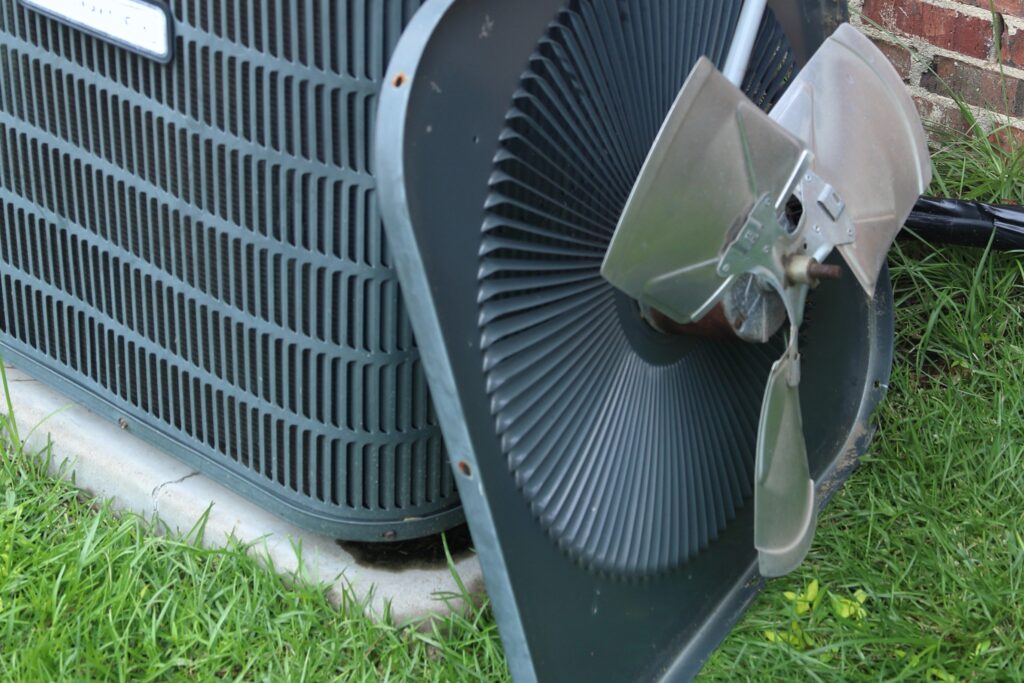
Fan Blade Pitch Check to Quiet and Stabilize Airflow
Key Takeaways About Fan Blade Pitch Check
Fan blade pitch check measures blade angle and balance to ensure steady airflow and low vibration. This guidance is for homeowners and property managers who notice noise or reduced airflow and need to know next steps.
- Identify uneven blade angles or visible blade damage quickly.
- Prevent motor strain by keeping blades balanced and secured.
- Avoid DIY bending that can crack metal or stress plastic.
- Spot shaft runout and loose hub fasteners during inspection.
- Reduce vibration with temporary weights then schedule professional balancing.
- Plan regular checks tied to heating and cooling seasons.
Introduction
Uneven or shallow fan blade pitch can cut duct airflow and make an air handler work harder than necessary. Homeowners often notice a humming or wobble before temperatures lag behind the thermostat setting. Left unaddressed, poor blade pitch and imbalance can shorten blower motor life and raise repair needs. In many cases the problem is subtle until it causes bigger system wear.
Noise and vibration usually point to blade angle or balance issues rather than refrigerant or thermostat faults. A room that heats or cools unevenly can mean one blade is pitched differently than the others. In Saginaw and nearby areas, small variations become more noticeable during shoulder seasons. Ignoring the symptoms lets motor strain and bearing wear progress quietly over months.
Fan blade pitch check helps confirm whether the blades are creating proper airflow and if balance adjustments are needed. Professionals look for consistent blade angle, wobble at the motor shaft, and unusual motor noise during an inspection. A clear diagnosis protects components like the blower motor, capacitor, and belt from premature failure. The goal is steady airflow with minimal vibration and noise.
When homeowners hear a change in sound or see reduced airflow from vents, prompt attention matters. A balanced fan with correct blade pitch keeps indoor comfort stable and prolongs equipment life. In Southlake, TX properties with older air handlers, these symptoms often appear first. Contacting a qualified HVAC technician can confirm the issue and recommend the right next step.
How Fan Blade Pitch Check Works And Why It Matters
Fan blade pitch check means measuring each blade’s angle and balance to confirm proper airflow and reduce vibration. Technicians use a pitch gauge or straightedge to compare blade angles against manufacturer recommendations during an inspection. A homeowner often asks, “Will adjusting pitch really cut noise?” Yes, correcting pitch often reduces humming and wobble and restores steady airflow. This check also identifies blades that are warped, bent, or installed at inconsistent angles.
- Measure blade angle at several points
- Spin the fan and watch for wobble
- Check blade edges for damage
- Inspect the motor shaft for play
- Record observations for follow-up
Inspectors look for repeatable signs that link angle and balance to symptoms like reduced vent airflow and rhythmic vibration. They verify the blower motor, capacitor, and belt condition because these parts affect and react to imbalance. A clear diagnostic step is a static pitch reading followed by a running balance check while the blower runs. If a blade reads off by a degree or two, professionals note whether adjustment or replacement is needed.
For homeowners asking whether they can confirm a problem, simple checks exist such as visually comparing blade angles and feeling for vibration near the cabinet. A professional will also take measurements, check motor shaft runout, and log any unusual current or noise readings to confirm the diagnosis. In Saginaw properties, small angle differences become noticeable in systems already showing wear. If a blade is cracked or bent beyond repair, consider fan blade replacement as the next step.
In some cases, technicians balance the assembly using temporary weights and then retest airflow and noise levels to confirm improvement. A homeowner should watch for immediate reduction in vibration and steadier airflow at supply grilles after adjustment. If noise persists or motor temperatures climb, the condition likely needs more advanced repair. For Southlake, TX homes with older air handlers, a measured pitch and balance check can prevent motor failure later on.

Common Causes Of Incorrect Blade Angle And Imbalance
Improper installation is a common source of incorrect blade angle and imbalance, especially when blades are tightened unevenly to the hub. Vibration can start if one mounting screw is looser than the rest or if the blade seat has debris. A misaligned hub will tilt a blade slightly and create a steady rhythmic wobble that grows over weeks. Technicians check mounting hardware and hub fit when they perform a fan blade pitch check.
Physical damage such as dents, nicks, or a warped blade edge changes how air moves across the blade and shifts balance. Impact from tools during maintenance or foreign objects drawn into the intake can bend an aluminum or polymer blade out of true. Tiny edge deformations sometimes produce high-frequency noise that owners describe as a rasp or chuffing sound. Professionals inspect blade edges and look for visible warping during their diagnostic checks.
Motor shaft wear or bent shafts transmit runout to every blade, which mimics a blade-angle problem though the blades themselves may be straight. Bearings that wear or dry out let the shaft wobble under load, increasing vibration and heat in the motor housing. Regular shaft lubrication and bearing checks reduce this risk, and technicians often reference lubrication history during diagnosis which may lead them to suggest blower shaft lubrication. Confirming shaft runout helps separate a true blade pitch issue from a motor problem.
Blade mismatches and manufacturing tolerances can also cause imbalance when replacement blades are mixed with originals or blades from different batches. Even slight differences in weight or pitch between blades change the assembly’s center of mass and induce vibration. In Southlake, TX properties with older replacement parts, this mismatch can become obvious after work is done. A technician will weigh blades and measure individual pitch during a complete inspection.
Warning Signs From Noisy And Wobbly Fan Operation
Rattling or a crooked run sound often signals that blades are contacting the housing or that the assembly is out of balance. A technician listening during operation notes pitch changes, steady thumps, or frequency shifts that point to specific blades. Visible cabinet vibration at the fan mount usually pairs with accelerated bearing noise and higher motor case temperature under load. Small impacts to the housing can also misalign the blower and increase vibration during startup and steady state.
A clear sign of a blade angle issue is uneven airflow at supply grilles when measured during low and high blower speeds. Technicians compare static pressure and register flow while observing blade motion to link reduced CFM with pitch errors. Scraping sounds that appear only at certain speeds can mean a bent blade tip or a misaligned blower housing. Checking blower fit and alignment helps separate blade problems from duct or plenum restrictions.
Wobble that grows when the fan reaches operating speed often indicates shaft runout or loosened mounting hardware at the hub. Professionals inspect the motor shaft, hub fasteners, and the mounting bracket while the blower is off to find play or missing shims. A loose set screw or worn hub bore frequently produces a rhythmic knock you can feel through the cabinet. Repairing the hub fit or replacing worn parts stops the vibration before it damages the motor bearings.
High-pitched whine or a rasp that changes with blower speed can point to edge damage or small pitch differences among blades. Technicians will measure individual blade angles and weight to confirm whether balancing weights or blade replacement is needed. In some cases, they also examine blower housing alignment and may advise adjusting the housing position to prevent contact. Homeowners in Saginaw should mention any new or changed noises when scheduling a check, and Southlake, TX properties with older housings often benefit from a careful inspection.
Step By Step Fan Blade Pitch Check For Homeowners
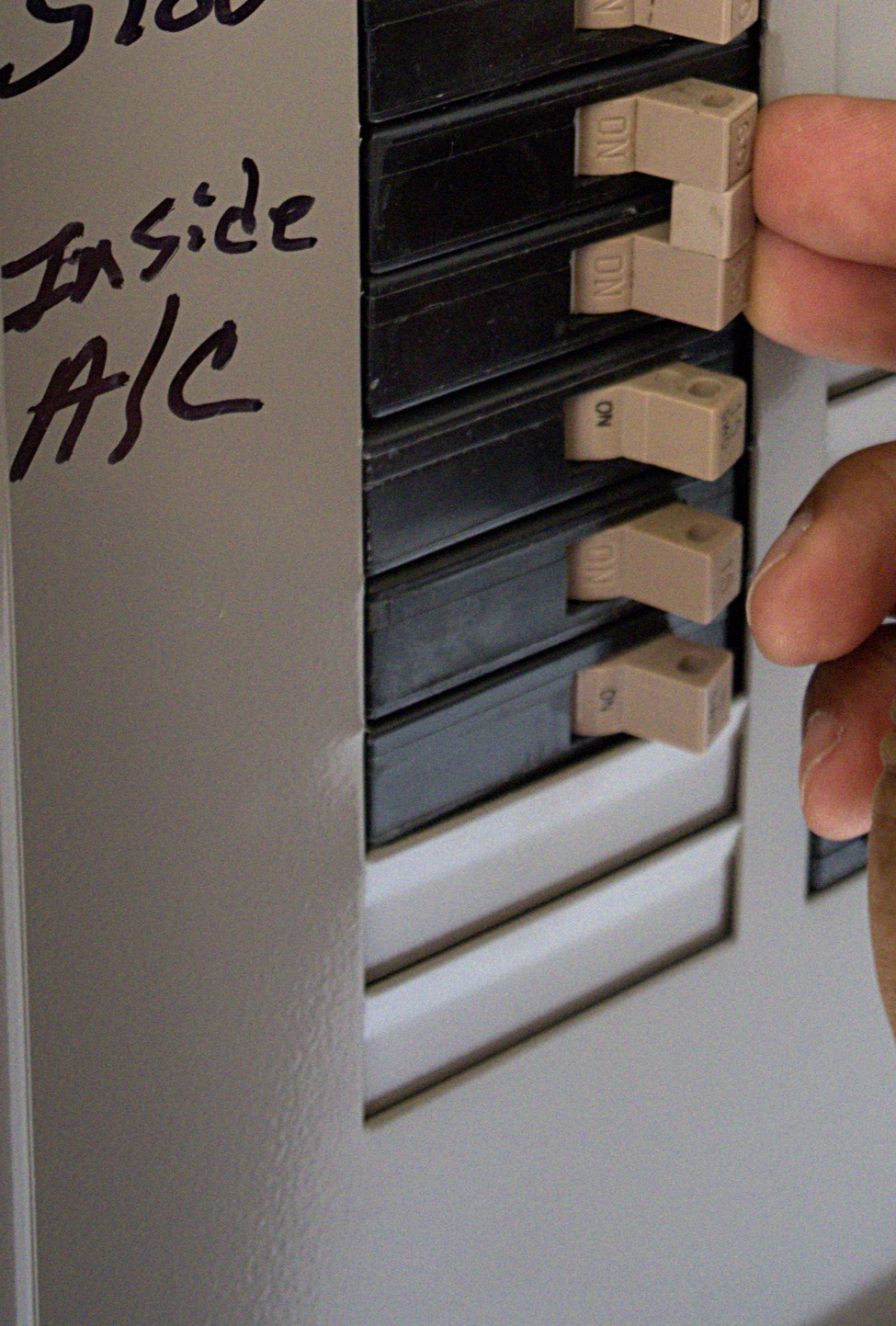
Start by turning power off to the air handler at the disconnect and circuit breaker, then remove the access panel to expose the blower. Use a flashlight and inspect each blade for straightness and consistent leading-edge alignment without touching the fan. Mark one blade lightly with a removable sticker so you can reference blade position during rotation checks and measurements. Keep hands clear of the motor shaft and blades while preparing to test visually and manually.
- Check blades with a straightedge held at the hub
- Look for bent tips and edge nicks
- Spin the wheel by hand to feel for rough spots
- Note any loose mounting screws or shims
Measure blade pitch by placing a small pitch gauge or a protractor at the hub and reading each blade against the same reference. Record any blades that differ by more than a degree or two from the rest so you can compare after adjustments. If you lack a gauge, use a straightedge and a small level to get a reliable visual comparison between blades. Accurate notes help a professional confirm findings later if you choose to escalate the repair.
With the blower still off, spin the wheel lightly and watch for wobble that suggests balance issues or shaft runout which need fixing. Check the motor shaft for play by gently pulling and pushing while observing blade motion for lateral shift or tilt. If you detect shaft movement, stop further checks and recommend a professional inspection due to medium safety risk and increased motor wear. Clean blades if dusty, and consider following guidance on blower wheel cleaning before retesting to ensure dirt is not causing imbalance.
After cleaning and any minor tightening, restore power briefly and listen for new or changed vibration while standing clear of moving parts. Note whether humming, scraping, or rhythmic thumps persist at different blower speeds for the technician to review. If noise or wobble remains, avoid DIY weight additions that risk further damage and schedule professional diagnosis. Proper recording of your observations speeds up the technician’s fan blade pitch check and helps target repairs efficiently.
Quick DIY Balancing Tips And When To Stop
Try small balancing steps first by tightening loose hub screws and rechecking for wobble while the blower is off and power disconnected. If tightening does not reduce movement, avoid bending blades by hand because repeated bending can crack metal or stress molded plastic. Use thin pieces of tape on the blade tips as a temporary counterweight to test whether added mass reduces vibration during a short powered run. If vibration lessens noticeably, remove power and plan a follow-up with a technician to install permanent balance weights or replace damaged blades.
If you add tape or trial weights, run the fan at the speed that usually shows the problem and observe from a safe distance. Note any change in sound character and whether rhythmic knocks or high-frequency rasping stop entirely. If motor hum increases, or the cabinet vibrates harder after a weight trial, cut power immediately and do not attempt further DIY fixes. Those signs can indicate motor or shaft issues that need inspection for root cause and bearing condition.
When vibration remains after basic tightening and temporary balancing, stop and document what you observed for the technician to review. A professional will check shaft runout, capacitor condition, and motor bearings during a more invasive balance procedure that can include trial weights and dynamic balancing. Persistent imbalance can overheat or overload the motor, so note any unusual motor temperatures or burning smells and include that in your description when scheduling service for blower motor issues.
For homeowners in Saginaw and Southlake, TX, recognize limits of DIY adjustments and focus on safe observations rather than permanent repairs. If the wheel shows signs of damage, if the shaft has play, or if vibration returns quickly after a trial fix, arrange professional service promptly. Clear photos, recorded audio samples, and written notes about when noises occur help technicians diagnose and fix the issue faster during their visit. Prioritize safety and avoid further DIY changes when motor performance or mounting integrity appears compromised.
When To Call A Professional For Fan Blade Pitch Check
If vibration or noise returns after safe DIY steps, schedule a professional inspection without delay. A technician can run an airflow performance test and detailed measurements to detect hidden issues. They will check motor shaft runout, capacitor condition, and the blower housing alignment under load. These checks reveal whether imbalance stems from blade pitch, shaft wear, or mounting problems.
Call a pro immediately if you smell burning, notice hot motor housing, or hear grinding that worsens with runtime. Those signs can indicate bearing failure or motor overheating that risks further damage. A trained technician uses tools like a tachometer, vibration meter, and static pressure gauge to confirm the root cause. Their diagnostic report helps prioritize repair or replacement steps based on observed readings.
Contact a technician when blades are cracked, warped, or missing material at the edge that you can see during inspection. Visible structural damage often requires blade replacement rather than balancing attempts. Professionals will weigh blades, measure individual pitch, and perform dynamic balancing if blades remain serviceable. If your system shows persistent uneven room temperatures, schedule testing linked to airflow performance.
For homeowners with a history of recurring blower issues in Saginaw, professional diagnosis prevents repeat failures and protects the motor. If previous DIY trials changed symptoms without resolving them, request a technician who documents findings and suggests corrective action. For Southlake, TX properties with older air handlers, regular professional checks catch wear before motor bearings fail. When in doubt, choose an inspection that includes measured airflow and a written assessment so you can compare results later.
Preventive Maintenance To Protect Motor And Airflow
Regular inspections that include a fan blade pitch check prolong motor life by catching small issues before they worsen. Establish a seasonal checklist that notes blade condition, hub tightness, and motor temperature during operation. Keep clear records of observations and any adjustments so technicians can compare changes over time and plan interventions. When unusual sounds or heat appear between checks, schedule a service visit promptly to avoid bearing damage.
- Inspect blade edges for chips or deformation.
- Verify hub fasteners are tight and secure.
- Check motor housing for unusual warmth during runtime.
- Record vibration or noise patterns and operating speed.
Lubrication of accessible motor bearings and ensuring the capacitor is healthy reduces load that imbalanced blades transmit to the motor. Clean blades and blower housings to remove dust that shifts balance and reduces CFM efficiency. If you notice repeated imbalance after cleaning, a professional dynamic balance will prevent repeated motor strain and premature failure. Technicians often include capacitor and bearing checks during that balancing service to ensure full system protection.
Set reminders for annual or biannual checks tied to heating and cooling seasons to catch wear early, especially in variable-use months. Homeowners in Saginaw should note seasonal noise changes when scheduling these inspections to help prioritize service. For properties in Southlake, TX with older equipment, frequent checks reduce the chance of sudden motor failure due to long-term imbalance. Use a documented maintenance plan and reference any prior fan blade pitch check results when booking airflow or balancing services to streamline diagnosis.
Choosing The Right Replacement Blades And Parts
When replacing blades, pick OEM-compatible parts that match the blower wheel diameter and hub bore to maintain correct balance. Check blade material and thickness against the original to avoid small weight differences that cause vibration. Confirm the replacement blade pitch specification with the part label or manufacturer literature before installation. If unsure, save the old blade as a reference for a technician during inspection.
Inspect related components such as the motor shaft, set screws, and mounting hub when buying replacement parts to ensure fit and function. A worn set screw or loose hub bore can negate a perfectly matched blade and return vibration quickly. Request blades that allow for dynamic balancing or include attachment points for balance weights when available. Keep records of part numbers and measurements for future maintenance or verification.
Consider upgrading to blades with corrosion-resistant coatings or reinforced tips if your system operates in dusty or humid environments to reduce future deformation. Check that the replacement maintains the original pitch angle and leading-edge geometry, as small changes alter airflow and motor loading. If you plan to replace the capacitor or bearings at the same time, match part ratings to the motor nameplate. For homeowners in Saginaw, bring observed symptoms and measurements to the technician to speed correct part selection.
Professionals confirm replacement choices by weighing blades and measuring pitch with a gauge during the install, ensuring the assembly stays within tolerance. They also perform a test run with temporary balance weights and follow with dynamic balancing when needed to protect the motor. If your system previously needed noise mitigation, ask the technician about site-specific fixes and reference general guidance on HVAC noise management tips to reduce vibration transfer. Homeowners in Southlake, TX should document noises and vibration timing to help professionals choose the right replacement strategy.
Frequently Asked Questions
How do I perform a basic fan blade pitch check safely?
Shut power to the unit at the breaker and verify the fan cannot spin before any inspection to avoid injury. Visually inspect each blade for obvious bends, cracks, or uneven wear while noting blade angle and tip clearance. Use a carpenter’s level or simple pitch gauge to compare blade angles across blades for a basic fan blade pitch check. If blades look damaged or measurements differ noticeably, stop and call a professional to balance or replace parts safely.
What signs indicate a blade pitch or balance problem?
You may hear a loud or irregular rumble from the fan at different speeds, which often signals blade pitch or balance issues. Visible wobble or blades that sit at noticeably different angles when the unit is off suggest uneven pitch or damage. Vibrations felt through the cabinet or loose mounting hardware can indicate imbalance that stresses the motor. If you smell burning, see sparking, or feel excessive heat, stop the unit and call a professional for a safe inspection.
Can adjusting blade pitch reduce humming and wobble?
Yes. Adjusting blade pitch can reduce humming by improving airflow and reducing uneven load on the motor. A proper Fan blade pitch check and minor rebalancing often stops wobble caused by lift differences between blades. If blades are bent or loose, or if you suspect electrical issues, stop and call a professional for safety and accurate diagnosis.
When should I call a pro after a DIY pitch or balance test?
If vibration or loud wobbling persists after your Fan blade pitch check, call a pro to prevent motor damage. If blades show visible cracks, separation, or severe corrosion, stop the unit and contact a technician. If the motor struggles to start, trips breakers, or emits burning smells, shut power off and call immediately for safety. A professional can perform a thorough balance, check the motor, and provide documented repair recommendations.
How does shaft runout affect blade pitch and motor life?
Shaft runout causes the fan hub to wobble, changing the effective blade pitch as the wheel rotates. Uneven pitch creates vibration that stresses blade roots and the motor bearings. Over time this vibration raises motor current, heats the motor, and shortens motor life. If you suspect runout, stop the unit and call a professional, because continued operation risks motor failure and safety hazards.