


Heater Short Cycling Causes and Solutions
When your heater begins to start and stop more frequently than it should, a phenomenon known as heater short cycling, it’s a clear signal something’s amiss. This issue not only disrupts the comfort of your home in places like Argyle, TX, but it can also lead to higher energy bills and undue strain on your heating system. Understanding the causes behind heater short cycling is the first step towards finding a solution that restores steady, efficient warmth to your living spaces. From dirty filters to more complex system malfunctions, identifying the root cause is essential.
In Keller, TX, and surrounding areas, homeowners often face the challenge of heater short cycling during the colder months. The reasons can range from a thermostat placed in a spot that gets too much direct sunlight to an oversized heating system for the space it serves. Each cause has its own set of solutions, from relocating the thermostat to consulting a professional about adjusting your heating system’s capacity. Addressing these issues promptly can prevent further damage and ensure your heater operates efficiently.
Fortunately, most causes of heater short cycling can be diagnosed and remedied with the help of a skilled HVAC technician. Regular maintenance checks are a proactive way to catch and fix minor issues before they escalate into bigger, more costly problems. Whether it’s replacing a clogged filter or repairing a malfunctioning thermostat, taking action early can save you from the discomfort and inconvenience of a poorly functioning heater.
In conclusion, heater short cycling is a common issue that residents in Fort Worth, TX, and its neighboring cities like Argyle and Keller often encounter. By understanding the potential causes and seeking the right solutions, you can ensure your home remains a cozy refuge all winter long. Remember, addressing heater short cycling promptly not only improves your comfort but also extends the lifespan of your heating system.

Understanding Heater Short Cycling
Understanding the nuances behind heater short cycling is pivotal for homeowners in Argyle, TX, seeking to maintain a comfortable and efficient home. One common cause is a dirty or clogged air filter, which restricts airflow and forces the heater to work harder, leading to frequent stops and starts. Regularly replacing or cleaning the air filter can prevent this issue and ensure your heating system runs smoothly. This simple step can make a significant difference in the performance of your heater.
Another factor contributing to heater short cycling is an improperly sized heating system. In Keller, TX, where temperatures can fluctuate widely, having a heater that’s too large for your space can cause it to heat the room quickly and shut off, only to start again soon after. Consulting with a professional to assess and possibly adjust your heating system’s size can resolve this issue. This ensures your heater operates more efficiently, providing steady warmth without the constant cycling.
Thermostat issues are also a common culprit of heater short cycling. If your thermostat is malfunctioning or placed in an area that experiences drastic temperature changes, it can misread the actual temperature of your home. Moving the thermostat to a more consistent environment or replacing it if necessary can help regulate your heating system’s cycles. This adjustment allows for more accurate temperature control and reduces unnecessary strain on your heater.
Lastly, regular maintenance checks by a skilled HVAC technician can catch other less obvious issues that may cause short cycling. These checks can identify problems like a faulty ignition system or issues with the heat exchanger, which are not as easily detected but can significantly impact your heater’s performance. Addressing these problems early can prevent the inconvenience of unexpected breakdowns and maintain the efficiency of your heating system. By taking these steps, homeowners can enjoy a warm and comfortable environment throughout the colder months.
Common Causes of Heater Short Cycling
A heater that frequently turns on and off may also be struggling with a blocked vent or flue. These blockages can restrict airflow, causing the heater to overheat and shut down prematurely. Homeowners in Argyle, TX, can inspect these areas for any obstructions and clear them to improve airflow and prevent short cycling. Ensuring vents and flues are unobstructed allows the heater to operate smoothly and efficiently.
In some cases, a malfunctioning heat exchanger can lead to heater short cycling. This critical component, if cracked or damaged, can cause the system to shut off quickly to prevent overheating or the release of harmful gases. Residents in Keller, TX, should have a professional inspect the heat exchanger regularly. Early detection and repair of any damage can keep the heating system running safely and effectively.
Another potential cause of short cycling is an oversized furnace. While it may seem beneficial to have a powerful heater, if it’s too large for the space, it will heat the area too quickly and shut off, only to turn on again shortly after. This not only leads to short cycling but also inefficiency and increased wear on the system. Consulting with an HVAC expert to assess and possibly adjust the size of your heater can eliminate this issue.
Lastly, a dirty flame sensor can also cause short cycling. This sensor is responsible for detecting whether the burner is lit, if it’s covered in soot or grime, it might fail to sense the flame, causing the heater to shut off. Regular cleaning of the flame sensor is a simple yet effective way to prevent this problem. This maintenance task ensures the heater operates as intended, providing consistent warmth to your home.
Thermostat Issues and Short Cycling
Thermostat issues often lead to heater short cycling, a problem not uncommon in homes throughout Argyle, TX. When a thermostat is not reading the room temperature accurately, it can cause the heater to turn on and off more frequently than necessary. To fix this, homeowners might consider relocating the thermostat to a spot away from direct sunlight or drafts. This simple adjustment can significantly improve the thermostat’s accuracy and the overall efficiency of the heating system.
In some cases, the thermostat itself might be outdated or malfunctioning, contributing to erratic heating patterns. Upgrading to a programmable thermostat allows for more precise control over the heating system, reducing the occurrence of short cycling. This modern solution enables residents to set their heating preferences for different times of the day, ensuring a comfortable environment without overburdening the heater.
Regular thermostat maintenance also plays a crucial role in preventing heater short cycling. Homeowners should periodically check their thermostat for dust buildup and other debris that might interfere with its function. A clean thermostat can more accurately detect indoor temperatures, allowing the heating system to operate more smoothly and reliably.
Lastly, for those in Keller, TX, experiencing persistent heater short cycling despite addressing thermostat issues, it might be time to consult with a professional. An HVAC technician can assess whether the problem lies with the thermostat or if there are other underlying issues with the heating system. Their expertise can help identify and rectify the cause of short cycling, restoring efficient and consistent warmth to the home.
Improper Heater Size: A Key Culprit
An improperly sized heater is often the root of short cycling, causing the system to heat a space too quickly and then shut off, only to restart again soon after. This not only strains the system but also disrupts the comfort of your home. In Argyle, TX, residents might notice their rooms reach the desired temperature rapidly, followed by a noticeable drop in warmth. Consulting with an HVAC professional can help determine if a size adjustment is necessary for more efficient operation.
Adjusting the size of your heating system can be a straightforward solution to prevent short cycling. A system that’s too large for a space doesn’t run long enough to evenly distribute heat or properly remove humidity, leading to discomfort and inefficiency. In Keller, TX, where weather conditions can vary, having a heater that’s correctly sized for your home ensures consistent warmth. This adjustment can make a significant difference in how your heating system performs.
Another aspect to consider is the impact of an oversized heater on the longevity of your heating system. Frequent on and off cycles put unnecessary wear and tear on the components, potentially leading to earlier than expected breakdowns. Regular consultations with an HVAC technician can prevent these issues, ensuring your system is not only the right size but also in good working condition. This proactive approach can extend the life of your heater, providing reliable warmth for years to come.
Lastly, understanding the importance of proper heater size highlights the need for professional guidance when installing a new heating system. Homeowners should seek advice from skilled technicians who can assess their home’s heating requirements. This ensures the installed system is neither too large nor too small, offering efficient and steady heat throughout the colder months. Taking this step can greatly reduce the chances of short cycling, making your home more comfortable and energy-efficient.
The Role of Clogged Filters in Heater Short Cycling
Clogged filters are a primary culprit in heater short cycling, significantly impacting the system’s efficiency. When filters are dirty, they restrict airflow, forcing the heater to work harder and cycle off prematurely. Homeowners in Argyle, TX, can easily remedy this by regularly checking and replacing their filters. This simple maintenance task ensures the heater operates smoothly, providing consistent warmth.
In Keller, TX, residents might overlook the importance of filter maintenance, not realizing its role in preventing short cycling. A clean filter allows for proper air circulation, preventing the system from overheating and shutting down too soon. By prioritizing filter cleanliness, homeowners can enhance their heating system’s performance and reliability. This proactive approach contributes to the overall health of the heating system, extending its lifespan.
Moreover, regular filter checks can reveal other issues that may lead to short cycling. For instance, during filter replacement, one might notice signs of wear or damage in the system. Addressing these findings early can prevent more severe problems, ensuring the heater remains efficient throughout the colder months. It’s a straightforward step that can make a significant difference in the system’s functionality.
Lastly, understanding the impact of clogged filters on heater short cycling highlights the importance of regular HVAC maintenance. Scheduling seasonal checks with a professional can help catch and resolve filter-related issues before they lead to short cycling. This level of care keeps the heating system in optimal condition, providing homeowners with peace of mind and steady warmth.
How to Fix a Short Cycling Heater
Fixing a heater that short cycles involves a series of steps designed to address the underlying issues causing the problem. In Argyle, TX, homeowners can start by ensuring their thermostat is correctly calibrated and located away from drafts and direct sunlight. This adjustment prevents the thermostat from misreading the indoor temperature, a common cause of short cycling. Regularly checking and recalibrating the thermostat can significantly improve heating system efficiency.
In Keller, TX, another effective solution is to inspect the heating system for any signs of wear or damage, particularly in components like the heat exchanger or ignition system. Identifying and repairing these issues early can prevent the heater from shutting off prematurely. Professional inspections can uncover hidden problems, ensuring the system operates smoothly and reliably.
Maintaining clean air passages is also crucial in preventing heater short cycling. Homeowners should regularly clean or replace air filters and ensure vents and flues are free from blockages. This maintenance task not only improves airflow but also prevents the system from overheating, a common trigger for short cycling. A clean system operates more efficiently, providing consistent warmth without frequent interruptions.
Lastly, consulting with a professional HVAC technician can provide a comprehensive solution to short cycling. They can assess the system’s size, installation quality, and overall condition, offering tailored advice to enhance performance. This professional insight helps in making informed decisions, ensuring the heating system meets the home’s needs while operating efficiently.
Preventative Measures for Heater Short Cycling
To mitigate heater short cycling, homeowners in Argyle, TX, should prioritize seasonal HVAC maintenance. A professional can identify and rectify potential issues before they escalate. This proactive approach ensures the heating system remains in optimal condition, preventing unexpected shutdowns. Regular maintenance checks can significantly enhance system reliability and performance.
In Keller, TX, installing a programmable thermostat offers a practical solution to avoid short cycling. By allowing homeowners to set specific temperatures for different times of the day, it ensures the heater operates only when necessary. This not only prevents the system from overheating but also maintains a comfortable home environment. Programmable thermostats provide a balance between comfort and efficiency, reducing the likelihood of short cycling.
Ensuring the heating system is correctly sized for your space is another critical preventative measure. An oversized system can lead to rapid heating and frequent shutdowns, a common cause of short cycling. Consulting with an HVAC expert can help determine if your system is appropriately sized for your home. This assessment can prevent short cycling and improve system longevity.
Finally, homeowners should regularly inspect and clean their heating system’s components, such as the air filters and vents. Blocked airways can cause the system to overheat and shut down prematurely. Keeping these components clean ensures proper airflow, allowing the heater to run smoothly. Regular cleaning is a simple yet effective way to prevent heater short cycling, ensuring consistent warmth throughout the colder months.
When to Call a Professional for Heater Short Cycling
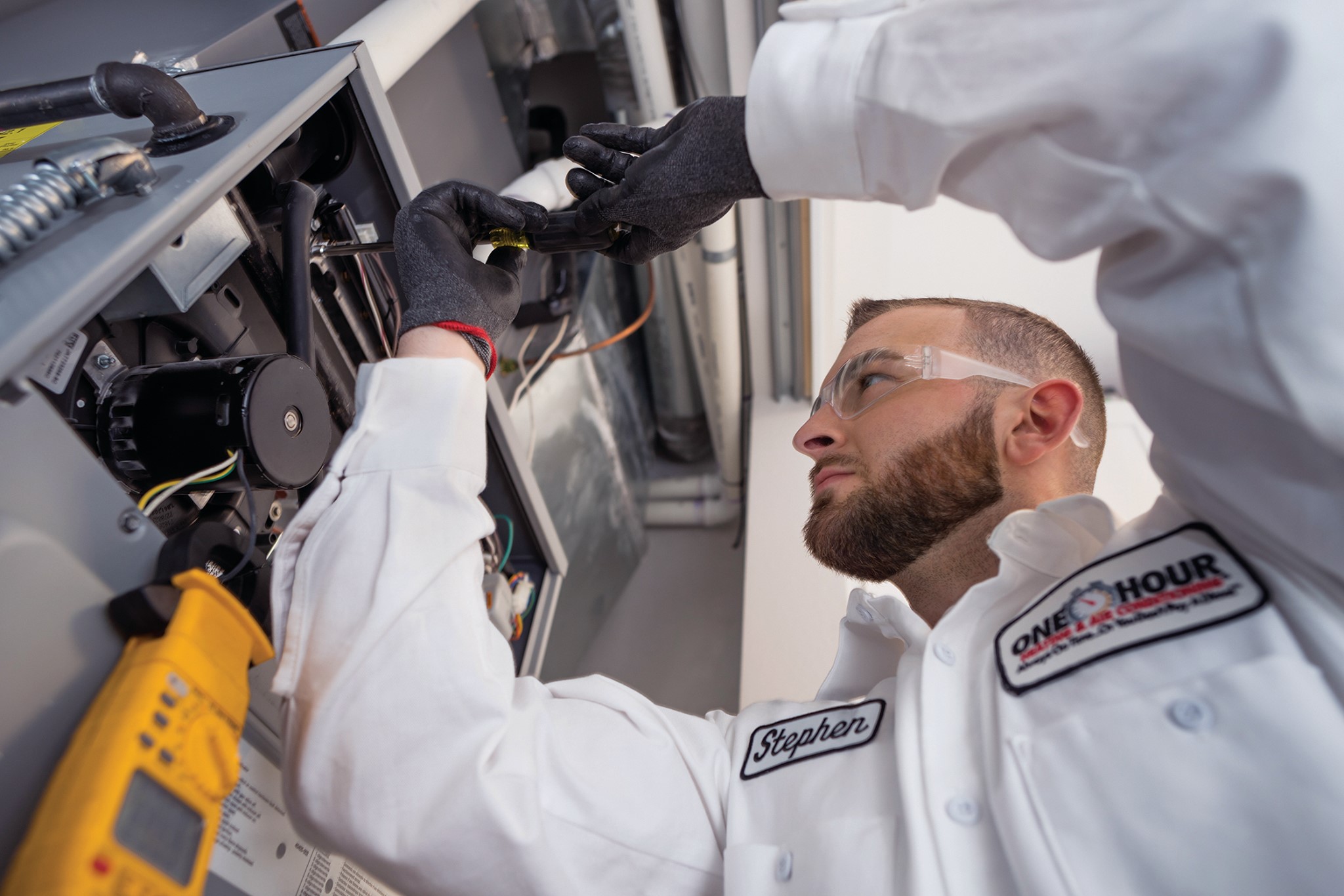
Despite the many steps homeowners in Argyle, TX, can take to prevent heater short cycling, there are times when professional help is necessary. If you’ve tried adjusting your thermostat, cleaning filters, and ensuring your heating system is the right size but still face issues, it’s time to call in the experts. A professional HVAC technician can diagnose problems that aren’t immediately obvious to the untrained eye. They have the tools and knowledge to pinpoint the exact cause of short cycling and provide a lasting solution.
In Keller, TX, residents might notice their heater short cycling even after regular maintenance checks. This could indicate a more complex issue within the heating system, such as a malfunctioning control board or a deeper problem with the heat exchanger. Attempting to fix these issues without the proper expertise can lead to further damage or, worse, compromise your home’s safety. A certified HVAC technician can safely address these problems, ensuring your heating system operates efficiently and safely.
Another sign it’s time to call a professional is if your heating system is relatively new but still experiences short cycling. This could suggest an installation issue or a defect in the system itself. HVAC professionals can assess whether the installation was performed correctly or if there are warranty-covered defects in the system. Their assessment can save homeowners from unnecessary troubleshooting and ensure any issues are resolved promptly.
Lastly, if you find your heating costs are inexplicably rising despite your efforts to fix short cycling, a professional assessment is warranted. An HVAC technician can conduct a comprehensive evaluation of your heating system, identifying inefficiencies or malfunctions that could be causing the increase. Their expertise can help restore your system to its optimal performance, ensuring your home remains warm and your heating expenses are kept in check.
Frequently Asked Questions
What causes heater short cycling?
Heater short cycling is often due to a dirty air filter restricting airflow. A malfunctioning thermostat can also cause the heater to turn on and off rapidly. Sometimes, an oversized heating system is to blame, as it heats the space too quickly. Regular maintenance checks can help identify and fix these issues, ensuring steady heat.
How can I fix a short cycling heater?
Fixing a short cycling heater starts with replacing a dirty air filter to improve airflow. If the problem persists, checking the thermostat for accuracy and proper function is crucial. For systems that are too large, consulting with a professional for solutions that may include adjustments or a system replacement is advisable. Regular maintenance by a qualified technician can prevent future issues, ensuring your heater runs smoothly.
What are the signs of heater short cycling?
One sign your heater is short cycling is when it turns off before warming your home. You might also notice it restarting frequently, which disrupts steady heating. Another clue is an increase in energy bills due to the heater’s inefficiency. Listening for unusual sounds from the heating system can also indicate short cycling, signaling it’s time for a check-up.
Can heater short cycling increase energy bills?
Yes, heater short cycling can lead to higher energy bills. When a heater turns on and off frequently, it uses more energy each time it starts. This inefficiency forces the system to work harder, increasing your home’s energy consumption. Regular maintenance can help prevent this issue, ensuring your heater runs more efficiently and keeps your energy bills lower.
How often does heater short cycling occur?
Heater short cycling can happen frequently, especially if the system is not maintained properly. It often occurs during colder months when the heater is used more. Without regular checks, issues like dirty filters or faulty thermostats worsen the problem. To avoid this, scheduling annual maintenance is key to keeping your heating system running smoothly.