

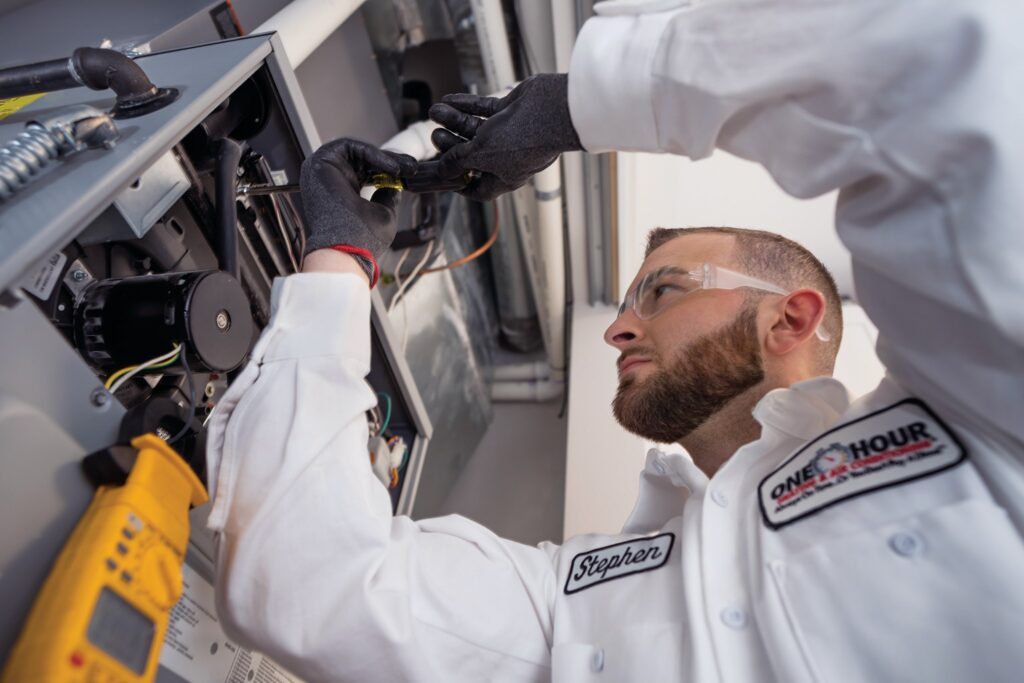
Indoor Fan Testing to Pinpoint Weak Airflow
Key Takeaways About Indoor Fan Testing
Indoor fan testing measures blower output motor condition and airflow to find why vents feel weak. This summary is for homeowners and property managers who notice poor flow unusual sounds or uneven temperatures and need guidance before calling a pro.
- Identify restricted returns filters or duct obstructions quickly.
- Prevent motor damage by watching for unusual sounds early.
- Avoid unnecessary parts replacement through measured diagnostics.
- Spot electrical issues using voltage and amperage readings.
- Reduce energy waste by restoring proper cubic feet per minute.
- Plan repairs based on test readings photos and technician notes.
Introduction
Indoor fan testing helps technicians find weak airflow and worn blower motors that cause uneven temperatures and higher energy use. When a system delivers less air than expected, rooms stay hot or cold and humidity can rise. Homeowners often notice longer run cycles or noisy operation before airflow effects become obvious. For properties in Colleyville, TX these signs can mean comfort problems that quietly get worse over time.
Problems with the blower or motor can also stress the rest of the HVAC system and shorten component life. Dirty coils, restricted returns, and failing capacitors all change how the fan responds under load. A clear diagnosis matters because fixing the wrong part creates repeat calls and lingering comfort issues. In Southlake, TX residences, small airflow losses can show up quickly during warm months when systems run more often.
Technicians use indoor fan testing to measure both the blower output and motor health under normal operating conditions. That testing connects what a homeowner hears and feels with measurable readings technicians trust. Accurate results let a technician decide whether cleaning, balancing, or motor repair is the right next step. Faulty assumptions lead to partial fixes that let problems return.
Detectable symptoms usually include weak vent flow, rattling sounds, or erratic system cycling that homeowners can report. Professionals check components like the blower motor, capacitor, and supply plenum to confirm the source of poor airflow. A proper test narrows down causes so repairs target the real issue instead of masking symptoms. For safety or complex electrical concerns, contact a trained HVAC technician rather than attempting to diagnose alone.

How Indoor Fan Testing Works And Why It Matters
Indoor fan testing means measuring a furnace or air handler fan to evaluate airflow, blower performance, and motor condition. Technicians run the system and gather readings that show whether the blower moves the correct volume of air. Homeowners often ask, “Will this test tell if the motor is failing?” Yes, the tests can reveal reduced output, electrical anomalies, or mechanical drag that point to motor trouble. Clear measurements help avoid guessing and guide a targeted repair plan.
- Measure static pressure in the supply and return.
- Record fan motor voltage and current.
- Compare CFM against manufacturer expectations.
- Inspect blower wheel for dirt and damage.
- Check capacitor condition and connections.
Testing begins with visual inspection of the blower, motor, and plenum for obvious obstructions or damage. A tech then measures static pressures at the return and supply to see if duct restriction limits airflow. They will read motor amperage and voltage to detect electrical stress or a failing capacitor. These checks link what homeowners report, like weak vents, to measurable causes such as a stalled wheel or low voltage.
Professionals also check the blower wheel balance and motor bearings while the unit runs, listening for unusual sounds and noting vibration. Technicians may use a thermometer to confirm temperature split across the evaporator coil and verify airflow affects cooling performance. Good indoor fan testing separates duct or filter problems from true motor degradation. For tips that improve air quality while you address airflow, see indoor air quality tips you can follow.
In a common situation, a homeowner notices longer run cycles and weak bedroom registers late in the afternoon, suggesting reduced CFM. A technician would check the return grille, measure static pressure, and record motor amperage next to confirm the source. If the readings show high static pressure with normal motor current, ducts or filters likely cause the problem. If current is high and airflow low, the motor or capacitor may need repair or replacement.
Common Causes Of Weak Airflow And Why It Happens
One common cause of weak airflow is a clogged or severely dirty air filter that restricts return air into the system. Restricted returns force the blower to work harder while reducing delivered CFM and shifting static pressure. Technicians check filter condition visually and during indoor fan testing they note pressure changes that match filter restriction symptoms. Homeowners often notice weaker flow at most registers when the filter is heavily loaded.
Duct problems also cause low airflow when vents are closed, dampers misadjusted, or ducts crushed in inaccessible spaces. High return or supply static pressure during testing points to these duct restrictions rather than motor failure. A tech inspects accessible grilles, checks damper positions, and may temporarily remove a supply register to confirm a duct-related pressure drop. For help homeowners can use to improve airflow distribution, see optimize HVAC airflow performance.
Mechanical issues with the blower assembly produce weak flow when the wheel is dirty, out of balance, or rubbing the housing. Indoor fan testing includes an inspection for wheel damage, loose set screws, and bearing noise that indicate mechanical drag. If a blower wheel shows buildup or misalignment, a technician records vibration and amperage readings to decide between cleaning, rebalancing, or bearing replacement. Visible dust patterns and scraping sounds are common homeowner clues that point to these problems.
Electrical faults like a failing capacitor or low supply voltage reduce motor torque and cut airflow without obvious physical blockage. During diagnostic work, techs measure motor voltage and current and compare them to expected ranges under load to confirm electrical origin. If the capacitor reads low or motor amperage is unusually high while airflow is low, the motor or capacitor likely needs service. Residents in Colleyville, TX and Southlake, TX often report symptoms that lead technicians to these electrical checks during an indoor fan testing sequence.
Signs Homeowners Notice When Blower Underperforms
Homeowners often notice uneven temperatures from room to room, especially when the blower underperforms and supply vents seem weaker than before. You might hear a higher-pitched whine or grinding noise that changes with blower speed and runtime. Visible dust drifting from vents or unusual dust patterns on nearby surfaces can signal imbalance or rotor wear. In Colleyville, TX residences these cues often prompt homeowners to schedule an inspection before comfort worsens.
Another sign is longer run cycles without reaching the thermostat setpoint, which suggests reduced CFM or heat transfer across the coil. Increased vibration at the air handler cabinet or rattling sounds near the blower indicate loose components or bearing wear. A steady humming with little airflow often points to electrical issues such as a failing capacitor or reduced motor torque. Homeowners in Southlake, TX sometimes report these specific noise-and-flow combinations before calling for service.
Warm or cold spots concentrated near certain registers, while other rooms feel normal, show uneven distribution rather than whole-system failure. Fluctuating airflow at a single register when the system cycles may indicate a stuck damper, collapsed flex duct, or a partially separated connection. Visible scraping or rubbing sounds coming from the plenum area usually mean the blower wheel touches the housing. When these physical symptoms appear, professionals perform targeted checks to confirm the exact cause.
Frequent short cycling combined with weak vent flow can stress the compressor or furnace if left unaddressed and reduce overall efficiency. A persistent burnt smell during operation merits immediate professional attention because it can indicate motor overheating or electrical failure. Technicians use measured readings and visual inspection to confirm whether the blower assembly, capacitor, or motor requires service. For detailed information about common motor symptoms and how technicians diagnose them, see blower motor issues.
Tools And Measurements Techs Use During Testing
Technicians bring specific tools to measure airflow and motor health during indoor fan testing, starting with a manometer to read static pressure in the supply and return plenum. They also use a clamp meter to record motor amperage and a voltmeter to verify motor voltage under load. A vane anemometer or flow hood helps estimate CFM at registers when duct access allows. These tools give objective readings that pair with visual inspection findings.
- Manometer for static pressure
- Clamp meter for motor current
- Vane anemometer for register flow
- Thermometer for temperature split
- Stethoscope or vibration probe for bearing noise
During testing a tech records temperature before and after the evaporator with a thermometer to calculate sensible heat transfer and confirm airflow effects. They watch motor current while changing fan speeds to detect stuck windings or excessive mechanical drag in the blower assembly. A visual inspection of the blower wheel and motor mounting checks for rubbing, loose fasteners, or misalignment that raises amperage. Recorded readings and photos form part of the diagnostic report for clear next steps.
For motors and capacitors, techs perform a continuity check and compare measured microfarads to expected capacitor specifications when safe and accessible. If bearing noise is suspected, technicians use a vibration probe or listen with a mechanic’s stethoscope while the unit runs to localize the source. When ducts or the air handler itself require repair, techs document conditions and may recommend an air handler repair or targeted component service. Homeowners in Colleyville, TX and Southlake, TX often benefit from seeing these readings during discussion of repair options.
Step By Step Home Checks Before Calling A Pro
Start with simple visual checks that homeowners can do safely before calling a technician. Look at the return grille and supply registers for obvious blockages or closed dampers that reduce flow. Check the air filter and replace it if heavily loaded, because a visibly dirty filter often cuts airflow noticeably. Note any unusual smells or visible dust patterns to report to the technician during service.
Next, verify the thermostat and fan settings to rule out control issues affecting blower operation. Confirm the thermostat fan is set to “Auto” or “On” as needed and that the set temperature is appropriate for testing. Observe whether the system cycles normally and whether blower sounds change during startup and shutdown. Record how long the system runs and whether temperatures reach the setpoint for technician reference.
Inspect accessible parts of the air handler without touching electrical components or moving parts. Open the access panel only if you can do so safely and with the power off, then look for loose debris, detached duct collars, or visible belt wear on older systems. If you find heavy dust buildup on the blower wheel or evaporator coil, photograph and note it for the service visit. Avoid attempting motor or capacitor tests yourself and plan to share these observations with a pro.
Measure simple outcomes a technician will want to know before arrival to speed diagnosis and testing. Use a room thermometer to check temperature at a supply register and compare it to room ambient temperature, noting the difference during a run cycle. Time how long it takes for the system to change room temperature by a few degrees to indicate reduced CFM or heat transfer. Homeowners in Colleyville, TX and Southlake, TX should collect these basic observations so a technician can prioritize indoor fan testing and targeted checks.

When To Call A Professional For Fan Testing
Call a professional when your observations point to electrical or mechanical faults you cannot safely inspect. Examples include a persistent burnt smell, loud grinding during startup, or repeated tripped breakers that suggest motor or capacitor failure. Technicians perform indoor fan testing to confirm these issues with measured voltage, amperage, and static pressure readings. For systems with variable response or odd speed changes, specialists may inspect advanced blower controls like variable-speed drives.
If you notice airflow that varies dramatically between cycles or registers despite clean filters, schedule service promptly. These symptoms can signal failing bearings, a slipping blower wheel, or control board faults that testing will detect. A pro will use a clamp meter and manometer to correlate electrical behavior with airflow and identify the root cause. Homes in Colleyville, TX with tight ductwork often require professional balance and diagnostic work to restore consistent CFM.
Contact a technician immediately when the system shows signs of overheating, smoke, or when safety devices activate during operation. Those signs may indicate motor stress or electrical shorts that need trained attention and careful indoor fan testing. During a service visit, the tech will document readings, inspect the blower wheel and motor mount, and test the capacitor if accessible. After testing, they provide written findings and clear recommended next steps for repair or replacement.
Consider professional testing if you plan upgrades such as switching to a variable-speed blower or modifying the duct layout. Proper indoor fan testing verifies compatibility and measures baseline CFM so upgrades perform as expected. A technician can evaluate existing controls and advise on whether a variable-speed blower will improve comfort and efficiency. For information about these options, ask the technician to review variable-speed blower documentation during the visit and explain expected outcomes.
Repair Options Techs May Recommend After Testing
After indoor fan testing confirms a problem, technicians usually recommend targeted repairs that match measured failures rather than guesswork. Common fixes address the specific component that showed abnormal readings during testing, such as a weak capacitor or noisy bearings. A tech will describe the expected outcome of each repair and how it restores airflow or motor performance. If a homeowner prefers written documentation, the technician can include test readings and recommended actions in a service report.
- Replace failing capacitor to restore starting torque.
- Rebuild or replace worn blower bearings.
- Clean and rebalance a dirty or bent blower wheel.
- Adjust or secure loose blower mounting and set screws.
When electrical measurements point to motor windings or persistent overheating, replacement of the fan motor is a common recommendation. A professional inspects mounting compatibility, shaft size, and wiring to select a motor that matches the original specifications. They will also verify that the new motor draws correct amperage and that the capacitor matches the motor’s requirements. For more information about motor options and standards, ask the technician to review motor details from the manufacturer’s documentation or the HVAC fan motors resource.
For cases caused primarily by airflow path issues rather than the motor, technicians may recommend duct repairs or register adjustments to balance CFM. This can include sealing leaks in the return plenum, reopening closed dampers, or modifying register dampers for better room distribution. A follow-up airflow test confirms whether the fixes reduced static pressure and restored expected supply airflow. Homeowners in Colleyville, TX and Southlake, TX should request before-and-after readings to document improvement and prevent repeat complaints.
Preventive Maintenance To Preserve Blower Health
Regular preventive maintenance keeps the blower assembly from declining into failure and extends motor life through proactive care. Technicians schedule cleanings that remove dust from the blower wheel and evaporator coil to prevent imbalance and heat transfer loss. They also inspect mounts, set screws, and the supply plenum connection for looseness that can cause vibration and rubbing. Homeowners who track routine checks make indoor fan testing results more predictable and useful over time.
Routine capacitor checks and motor current observations during service catches small electrical problems before they reduce torque or cause overheating. A tech will measure microfarad readings and run brief energized checks to confirm the capacitor still meets starting and run needs. Replacing a marginal capacitor during preventive work avoids the sudden loss of airflow that surprises occupants. This proactive electrical attention improves both reliability and starting performance.
Balancing and airflow tuning are part of maintenance, not just repairs, and technicians use measured adjustments to keep CFM within expected ranges. When ducts or registers need fine-tuning, a professional can perform targeted adjustments and follow up with an airflow verification test. For comprehensive register-level adjustments and system balancing, consider a service that helps you achieve perfect HVAC air balancing. Proper balancing reduces stress on the blower and prevents uneven wear of motor bearings.
Scheduled lubrication and bearing checks help prevent noisy operation and sudden motor lockups while preserving blower efficiency. Technicians inspect for signs of grease breakdown, seal failures, or shaft wear, replacing bearings before excessive drag raises amperage. Keep records of maintenance actions and test readings so a technician can spot trends across visits and recommend replacement timing. Homeowners in Colleyville, TX and Southlake, TX benefit from this steady maintenance approach to avoid emergency failures.
Frequently Asked Questions
What is indoor fan testing and why is it performed?
Indoor fan testing is a set of checks technicians use to measure blower output, motor condition, and airflow through ducts. Technicians record airflow readings, inspect the blower wheel, and check motor current and capacitor function. The goal is to find weak airflow causes like restricted return, dirty coils, or a failing motor. If you notice burning smells or strange sounds, stop the system and call a professional because diagnostic work can involve live electricity and rotating parts.
How do technicians measure blower airflow and motor load?
Technicians measure blower airflow using anemometers or pitot tube readings at supply registers and the supply plenum to calculate cubic feet per minute. They check static pressure across the coil and filter with manometers to see restrictions reducing airflow. Motor load gets measured by recording voltage and amperage with a clamp meter and comparing readings to the motor nameplate and expected ranges during indoor fan testing. Because live electrical work carries risk, always have a trained HVAC pro perform these tests and make repairs.
What symptoms indicate a failing blower motor or capacitor?
Listen for grinding, squealing, or a humming sound that changes with speed, common signs of a failing blower motor. Reduced airflow at supply registers and rooms that stay unevenly warm or cool also point to blower or capacitor trouble. Repeated short cycling, slow fan spin at multiple fan speeds, or a motor that fails to start suggest capacitor weakness. If you see burning smells, smoke, or the system won’t run, shut power off and call a professional for safe indoor fan testing and repair.
How can indoor fan testing distinguish duct issues from motor problems?
A technician uses indoor fan testing to compare static pressure and airflow readings at the blower and supply plenum. If the motor produces correct RPM and current but static pressure is high, the problem points to restricted ducts or closed dampers. If airflow and pressure are low while the motor draws abnormal current or shows failing start capacitor, the motor or blower assembly needs repair. If testing involves opening panels or electrical checks, exercise caution and hire a professional to avoid shock or equipment damage.
What basic homeowner checks speed up professional diagnosis?
Check and note which vents have weak airflow and whether the issue is constant or tied to fan speed changes. Inspect and clear visible dust from return grille and accessible blower cabinet without touching electrical parts. Record any unusual sounds, burning smells, or tripping breakers and report those observations before indoor fan testing begins. If you suspect electrical or motor failure, stop and call a professional because live components present a safety risk.