


Refrigerant Odor Source Tracking and Fixes
Strange smells coming from your HVAC system can be concerning and unpleasant. Pinpointing the refrigerant odor source is essential for a healthy and comfortable home. Homeowners in Benbrook, TX often encounter these issues, especially during peak heating and cooling seasons. Understanding the root cause helps prevent further complications and ensures your system runs smoothly.
A refrigerant odor source may signal a leak or another underlying problem within your system. These odors are not just a nuisance, they can also indicate safety concerns. Residents in Arlington, TX know the importance of quick action when unusual smells arise. Addressing these issues promptly protects both your indoor air quality and your HVAC equipment.
Many factors contribute to the development of a refrigerant odor source in your home. Failing components, damaged lines, or improper installation can all play a role. Recognizing the signs early allows for faster, more effective solutions. Professional attention is often required to resolve these hidden issues completely.
This article will guide you through identifying and correcting the refrigerant odor source in your HVAC system. You’ll learn how to spot warning signs and understand what causes these odors. We’ll also discuss the importance of professional inspection and repair. With the right approach, your home will stay fresh, safe, and comfortable year-round.
Understanding Refrigerant Odors in HVAC Systems
Refrigerant odors in your HVAC system often have a distinct, chemical scent that stands out from other household smells. These odors may remind you of sweet or chloroform-like fumes, which can be both alarming and persistent. When you notice these smells, it’s a strong indicator that a refrigerant odor source is present. Homeowners in Benbrook, TX, should pay close attention to these warning signs to ensure a safe environment.
A refrigerant odor source usually signals a problem with the system’s sealed components. Leaks can develop in coils, connections, or refrigerant lines due to wear or accidental damage. These leaks allow refrigerant to escape, creating noticeable smells and reducing system efficiency. Prompt detection prevents further complications and protects your indoor air quality.
Odors related to refrigerant can also be mistaken for other issues, such as mold or electrical problems. However, a true refrigerant odor source is often sharper and more chemical in nature. If you’re unsure, it’s best to seek professional help to identify the exact cause. Arlington, TX residents know that acting quickly can prevent larger HVAC concerns.
Understanding how these odors develop helps you respond appropriately. Poor installation, aging parts, or accidental impacts can all create vulnerabilities in your system. By recognizing the signs of a refrigerant odor source early, you reduce health risks and system damage. Regular maintenance and timely repairs are key to a safe, odor-free home.
Common Causes of Unusual HVAC Odors
Several common issues can create a refrigerant odor source in your HVAC system. One frequent cause is a damaged evaporator coil, which allows refrigerant to leak and release chemical smells. Older systems in Benbrook, TX are especially prone to this problem as components wear down over time. Regular inspections help catch these leaks before they worsen.
Improper installation can also lead to a refrigerant odor source. If connections are not sealed correctly, refrigerant may escape and produce noticeable odors. Homeowners in Arlington, TX should ensure only qualified technicians handle HVAC installation or repairs. This precaution helps maintain system integrity and prevent unwanted smells.
Physical damage is another source of unusual odors from refrigerant leaks. Accidental impacts or shifting parts can create small cracks in refrigerant lines or coils. These openings allow refrigerant to seep out, resulting in persistent chemical scents throughout your home. Quick repairs limit the spread of odors and protect your air quality.
Sometimes, worn gaskets or faulty valves contribute to a refrigerant odor source. As these parts degrade, they can no longer contain the refrigerant properly. This leads to slow leaks that gradually intensify the chemical smell in your living space. Addressing these issues promptly ensures your HVAC system remains safe and efficient.

Signs of a Refrigerant Leak in Your Home
Spotting the signs of a refrigerant odor source can help you act before bigger problems develop in your home. One early indicator is a sudden chemical smell near your vents or indoor units. You might also notice the odor grows stronger when your HVAC system runs. Residents in Benbrook, TX should treat these changes as a warning to investigate further.
Another common sign is reduced cooling or heating performance from your system. When there’s a refrigerant odor source, your HVAC may struggle to maintain the set temperature. Rooms could feel warmer or cooler than usual, even with the system running. This drop in efficiency often points to a hidden leak or malfunction.
Unexplained hissing or bubbling noises can also signal a refrigerant odor source within your equipment. These sounds may come from the indoor unit or outside condenser. Such noises often indicate escaping refrigerant through small cracks or loose fittings. Homeowners in Arlington, TX should never ignore these unusual sounds.
Physical symptoms, like headaches or dizziness, sometimes occur if a refrigerant odor source is present. Prolonged exposure to refrigerant fumes may affect your well-being and comfort. If you notice health changes along with strange smells, it’s important to act quickly. Prompt attention keeps your indoor air safe and your HVAC system reliable.
Refrigerant Odor Source: How to Locate the Problem
Locating the exact refrigerant odor source in your HVAC system requires careful observation and a systematic approach. Start by checking around vents, indoor units, and the area near your outdoor condenser for any chemical smells. In Benbrook, TX, homeowners often find that pinpointing the strongest odor helps identify the affected component. Move slowly from room to room, noting where the scent is most noticeable.
Next, inspect visible refrigerant lines and connections for signs of oil residue or discoloration, which often indicate a leak. Use a flashlight to examine coils, valves, and fittings without disturbing the equipment. If the refrigerant odor source is near these parts, it’s likely a small crack or loose connection is present. Always avoid direct contact with any suspected leaks for safety reasons.
Listen for unusual sounds, such as hissing or bubbling, while the system runs. These noises often accompany a refrigerant odor source and can guide you toward the problem area. Residents in Arlington, TX sometimes notice these sounds before they detect any odor. Take note of any locations where the noise and smell seem strongest.
If you’re unable to locate the refrigerant odor source visually or by scent, a professional inspection is the safest option. Trained technicians use specialized tools to detect even small leaks hidden within the system. Their expertise ensures the problem is found and fixed without unnecessary disruption. Acting quickly restores your home’s comfort and keeps your HVAC system performing at its best.
Tools and Techniques for Tracking Refrigerant Odor Source
Tracking down a refrigerant odor source requires the right tools and a careful approach. Technicians often use electronic leak detectors that sense even small amounts of escaping refrigerant. These devices help pinpoint hidden leaks that aren’t visible to the eye. Homeowners in Benbrook, TX benefit from this precise detection, which leads to faster repairs.
Another effective technique involves using ultraviolet dye injected into the HVAC system. The dye circulates with the refrigerant and becomes visible under a UV light. When a leak occurs, the dye marks the exact spot, making the refrigerant odor source easier to locate. This method is safe and widely used for thorough inspections.
Soap solution is a simple but reliable tool for finding leaks in accessible areas. Technicians apply the solution to joints and connections where leaks are suspected. Bubbles form at the refrigerant odor source, revealing the location of escaping gas. This hands-on method works well for small, slow leaks that might otherwise go unnoticed.
Thermal imaging cameras can also assist in tracking a refrigerant odor source. These cameras detect temperature differences around coils and lines, highlighting areas where refrigerant may be escaping. In Arlington, TX, professionals often rely on this technology to identify subtle leaks. Combining these techniques ensures accurate detection and a lasting fix for your HVAC system.
Health Risks Associated With Refrigerant Odors
Exposure to a refrigerant odor source can pose serious health risks for you and your family. Short-term symptoms often include headaches, dizziness, and irritation of the eyes or throat. If you notice these effects after detecting chemical smells, it is important to act quickly. Residents in Benbrook, TX should never ignore these warning signs for the sake of safety.
Prolonged contact with a refrigerant odor source may lead to more severe health concerns. Breathing in refrigerant fumes can affect your respiratory system and overall well-being. Sensitive individuals, such as children or elderly family members, may experience stronger reactions. Taking immediate steps to address the odor helps prevent long-term health issues.
Sometimes, exposure to a refrigerant odor source can cause nausea or confusion. These symptoms may worsen if the leak is significant or left unresolved. In Arlington, TX, homeowners are encouraged to leave the area and seek fresh air if these signs appear. Professional intervention ensures your home returns to a safe environment.
Maintaining good indoor air quality is essential for your comfort and health. If a refrigerant odor source is present, prompt repairs and proper ventilation make a difference. Regular HVAC maintenance can help prevent leaks and protect your family from harmful fumes. Trusting experienced technicians keeps your home comfortable and your air safe to breathe.
Refrigerant Odor Source: Professional Repair Solutions
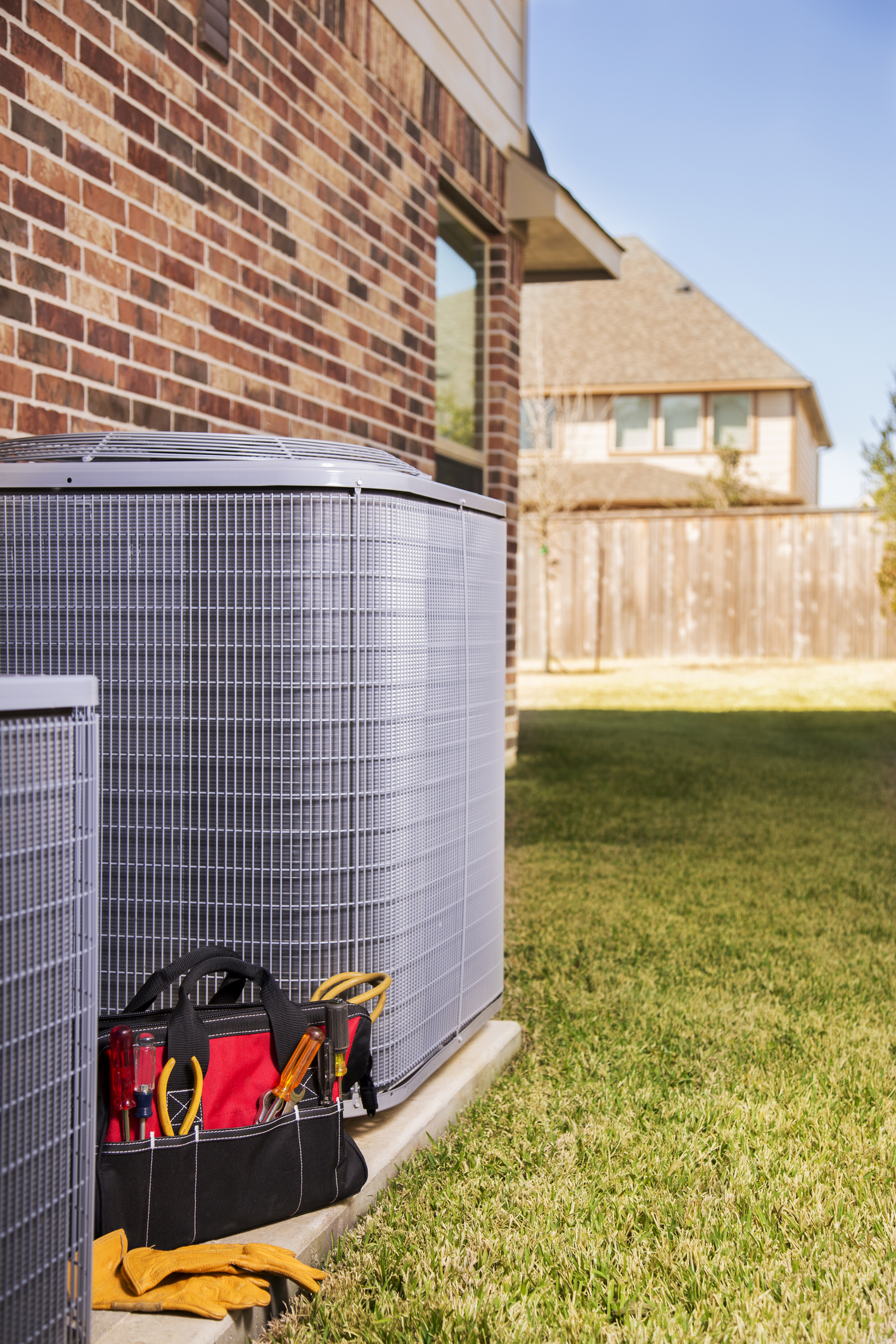
When you discover a refrigerant odor source in your home, professional repair is the safest and most effective solution. Certified HVAC technicians have the training and tools needed to address leaks and restore system integrity. In Benbrook, TX, homeowners rely on experts to ensure repairs are completed to industry standards. This approach protects both your health and your HVAC equipment.
A technician will begin by thoroughly inspecting your system to identify the exact refrigerant odor source. They use advanced detection methods to locate even hidden leaks within coils, lines, or connections. Once the source is found, damaged parts are repaired or replaced to stop further refrigerant loss. This careful process ensures your system returns to peak performance.
After repairs, technicians test your HVAC system to confirm the refrigerant odor source has been eliminated. They check for proper refrigerant levels and verify that all connections are secure. In Arlington, TX, professionals also assess your system’s overall function to prevent future issues. This thorough approach gives you confidence in your home’s air quality and comfort.
Preventive maintenance is recommended following any repair for a refrigerant odor source. Regular inspections help catch potential leaks early and maintain efficient operation. Technicians can also provide tips for recognizing signs of future problems. Trusting skilled professionals keeps your HVAC system running safely and reliably all year long.
Preventing Future Refrigerant Odor Issues
Preventing a future refrigerant odor source starts with regular HVAC maintenance and timely inspections. Scheduling annual check-ups helps spot early signs of wear or leaks before they become major issues. In Benbrook, TX, homeowners who prioritize routine service enjoy cleaner air and fewer unexpected problems. Consistent care ensures your system stays efficient and odor-free.
Changing air filters on schedule also reduces the chance of a refrigerant odor source developing. Clean filters keep dust and debris from clogging coils or blocking airflow within your system. When airflow is unrestricted, your HVAC components work smoothly and remain less prone to damage. This simple step supports better performance and healthier indoor air.
Promptly addressing any unusual smells or system changes can stop a refrigerant odor source from worsening. If you notice chemical scents, reduced comfort, or odd noises, contact a professional right away. In Arlington, TX, quick action helps avoid bigger repairs and keeps your home safe. Trusting experts for repairs and inspections is always the best choice.
Educating your household about the warning signs of a refrigerant odor source is another valuable preventive measure. Teach family members to recognize strange smells or performance drops and report them quickly. Early awareness leads to faster solutions and less disruption. With these habits, your HVAC system will serve you reliably for years.
Frequently Asked Questions
What are common refrigerant odor source locations in homes?
Common refrigerant odor source locations in homes include air handler units, evaporator coils, and refrigerant lines. Leaks often develop near connections, fittings, or joints where the system experiences stress or vibration. Sometimes, the odor may also come from the area around the outdoor condenser unit. Regular inspections help pinpoint the exact refrigerant odor source and prevent further issues.
How can I identify a refrigerant odor source in my HVAC system?
To identify a refrigerant odor source in your HVAC system, start by noticing any unusual chemical or sweet smells near vents. Listen for hissing sounds, which often signal a refrigerant leak at connections or joints. Inspect visible refrigerant lines and coils for oily residue or frost, as these signs point to a possible refrigerant odor source. If you detect these indicators, contact a professional technician to confirm and address the underlying issue safely.
What health risks are associated with refrigerant odors?
Exposure to a refrigerant odor source can cause headaches, dizziness, or irritation of the eyes and throat. Prolonged contact may lead to nausea or difficulty breathing, especially for those with respiratory conditions. Children and pets are often more sensitive to the effects of a refrigerant odor source indoors. Promptly addressing any unusual smells helps protect your family’s health and keeps your HVAC system running safely.
What tools help detect refrigerant leaks and odors?
Technicians use electronic leak detectors, ultraviolet dye, and soap bubble solutions to pinpoint the exact refrigerant odor source in your system. These tools help locate even small leaks quickly, ensuring accurate repairs and improved air quality. Infrared sensors can also detect refrigerant gases that may escape from hidden areas or joints. Relying on professional equipment guarantees the refrigerant odor source is found and resolved effectively.
How can I fix a persistent refrigerant odor problem?
To fix a persistent refrigerant odor problem, schedule a professional inspection to locate the exact refrigerant odor source in your system. Technicians will repair leaks, replace damaged parts, and recharge the system with the correct refrigerant. After repairs, they test your HVAC system to ensure the refrigerant odor source is eliminated. Regular maintenance helps prevent future issues and keeps your home’s air clean and safe.