
Switching From AC to Heat: What to Know
Key Takeaways About Switching From AC To Heat
Switching from AC to heat means preparing your HVAC to produce warm air after months of cooling. This guidance is for homeowners and property managers as temperatures fall and heating systems restart.
- Identify startup smells noises or delayed heat early.
- Prevent short cycling with proper thermostat settings and batteries.
- Avoid blocked filters returns and closed vents to improve airflow.
- Spot combustion smells soot or CO alarm events immediately.
- Reduce energy use by adjusting setpoints and sealing ducts.
- Plan professional diagnostics for ignition blower or refrigerant faults.
Introduction
Switching from AC to heat marks a real shift for homes that ran cooling for months. As outdoor temperatures fall, systems that sat idle can reveal hidden issues. Homeowners often notice odd smells, uneven room temperatures, or strange noises when the heat comes on. Those signs matter because small problems can become safety hazards or lead to bigger repairs if ignored.
One common trouble spot is the thermostat and its settings after a season of cooling. A miscalibrated thermostat can send the system into short cycles or fail to call for heat when needed. Airflow problems show up next when filters or dampers do not move warm air properly. These airflow issues make some rooms colder and force the furnace to run longer than necessary.
It helps to know which warning signs need prompt attention versus those that suggest routine maintenance. Persistent smells of burning or metal, soot near registers, or a cracked heat exchanger require professional inspection. Less urgent signals include weak airflow or an unfamiliar rattling that began after the first startup. For homes in Azle, TX and Arlington, TX, seasonal changeovers can expose age-related wear that is easier to fix early in the season.
Understanding what to expect reduces stress during the first weeks of heating use. Observing startup behavior, listening for new sounds, and noting temperature differences gives a clearer picture of system health. A trained technician will use those observations to check components like the blower motor, heat exchanger, and thermostat. Taking action sooner can keep the home comfortable and help avoid emergency calls on the coldest nights.
How Heat Mode Works And Why It Happens
How heat mode works and why it happens refers to how your HVAC shifts from cooling to producing warm air when outdoor temperatures drop. The system changes control logic at the thermostat and engages the furnace or heat pump to reverse its operation. Homeowners commonly ask if the system should blow warm air immediately, and the answer is that a short delay is normal as the system cycles and safety checks run. If heat doesn’t appear after several minutes, that is a clear sign to check controls or call a technician.
- The thermostat switches from cooling setpoint to heating setpoint.
- A heat pump reverses refrigerant flow to extract outdoor heat.
- A gas or electric furnace ignites or energizes heating elements.
- The blower motor pushes warm air through the supply plenum.
- Safety interlocks verify proper operation before continuous heating.
During the first startup, combustion furnaces may produce a light burning smell from dust burning off the heat exchanger, and that smell should fade within hours. A heat pump can make distinct reversing-valve clicks and short cycles as it changes mode, which is normal unless cycling is continuous. If you notice soot near registers or a persistent odor, stop using the system and seek professional inspection due to possible combustion or ventilation problems. For homeowners in Azle, TX, early checks help avoid uncomfortable nights if an older system struggles to switch modes.
A technician diagnosing mode-change problems will observe symptoms and run targeted tests to confirm causes. They check thermostat settings and wiring first, then test the voltage at the blower motor and examine the contactor and capacitor. For combustion systems they inspect the heat exchanger visually and may use a combustion analyzer to check flames and venting. In a common situation, a homeowner reports weak heat and loud fan noise, the pro would record blower motor amperage, check filter condition, and inspect the supply plenum next.
Thermostat programming can also trigger unexpected heat if setback schedules or emergency heat are enabled, so review settings carefully. You can prepare thermostats for night drops by following manufacturer guidance and routine battery changes, or consult resources like prepare your thermostat for Texas nights for Texas-specific tips. If the system repeatedly fails to shift modes properly, a trained technician should perform a full diagnostic to prevent inefficient operation and premature component wear. Homes in Arlington, TX that use heat pumps should especially watch for outdoor-unit ice that can affect mode changes and require defrost cycle verification.
Common Heating Problems Homeowners Encounter
During the first weeks of heat use, common problems often reflect wear that began while the system cooled. A weak flame, frequent cycling, or no ignition can indicate issues with the ignition control, gas valve, or limit switch. A homeowner might notice longer warm-up times or the furnace shutting off unexpectedly after a few minutes of running. A technician diagnosing these faults will check ignition sequences, observe flame behavior, and record control board error codes.
Air delivery problems often appear as cold spots or poor heat in certain rooms even when the furnace runs normally. Dirty filters, a failing blower motor, or shifted dampers reduce airflow through the supply plenum and vents. A professional will measure static pressure, inspect the blower motor and capacitor, and test fan speed to confirm whether airflow or duct restriction causes the symptom. This diagnostic approach separates mechanical failures from simple airflow maintenance needs.
Noises and smells are other frequent indicators that something needs attention during the changeover to heat. Squealing bearings, rattles in the furnace cabinet, or a persistent burning odor beyond the first startup dust burn-off should prompt an inspection. Technicians listen for abnormal fan sounds and may use a voltage reading or amperage check at the motor to identify failing components. Visible soot, yellow pilot light flames, or soot near registers also require immediate professional review to rule out combustion problems.
Heat pumps bring their own set of issues when switching modes, such as failing defrost cycles or refrigerant leaks causing weak heating performance. Frost buildup on the outdoor coil that does not clear suggests a defrost control problem or low refrigerant charge. A trained technician will examine the reversing valve operation, check refrigerant pressures with gauges, and verify proper defrost timing and sensors.
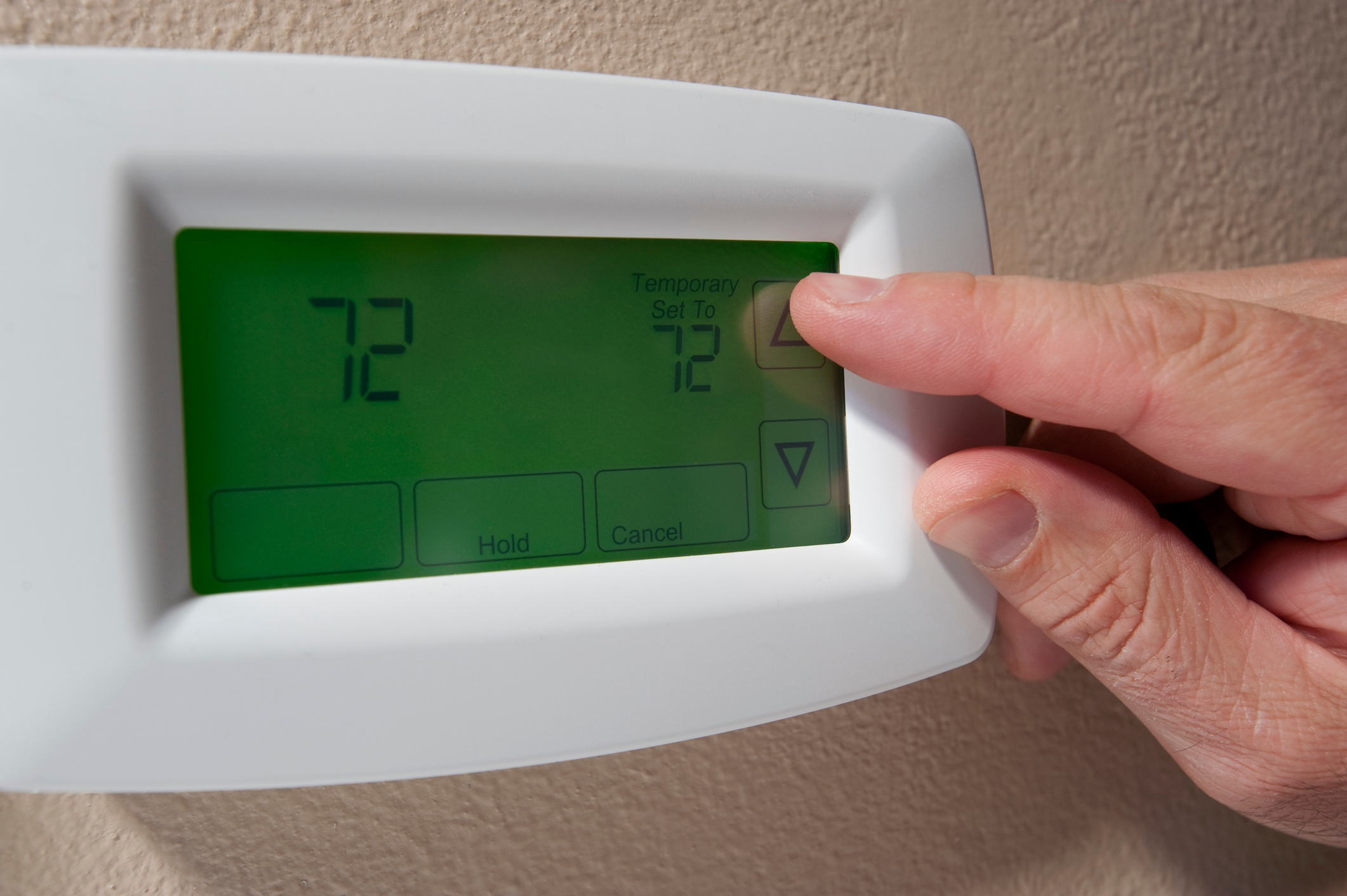
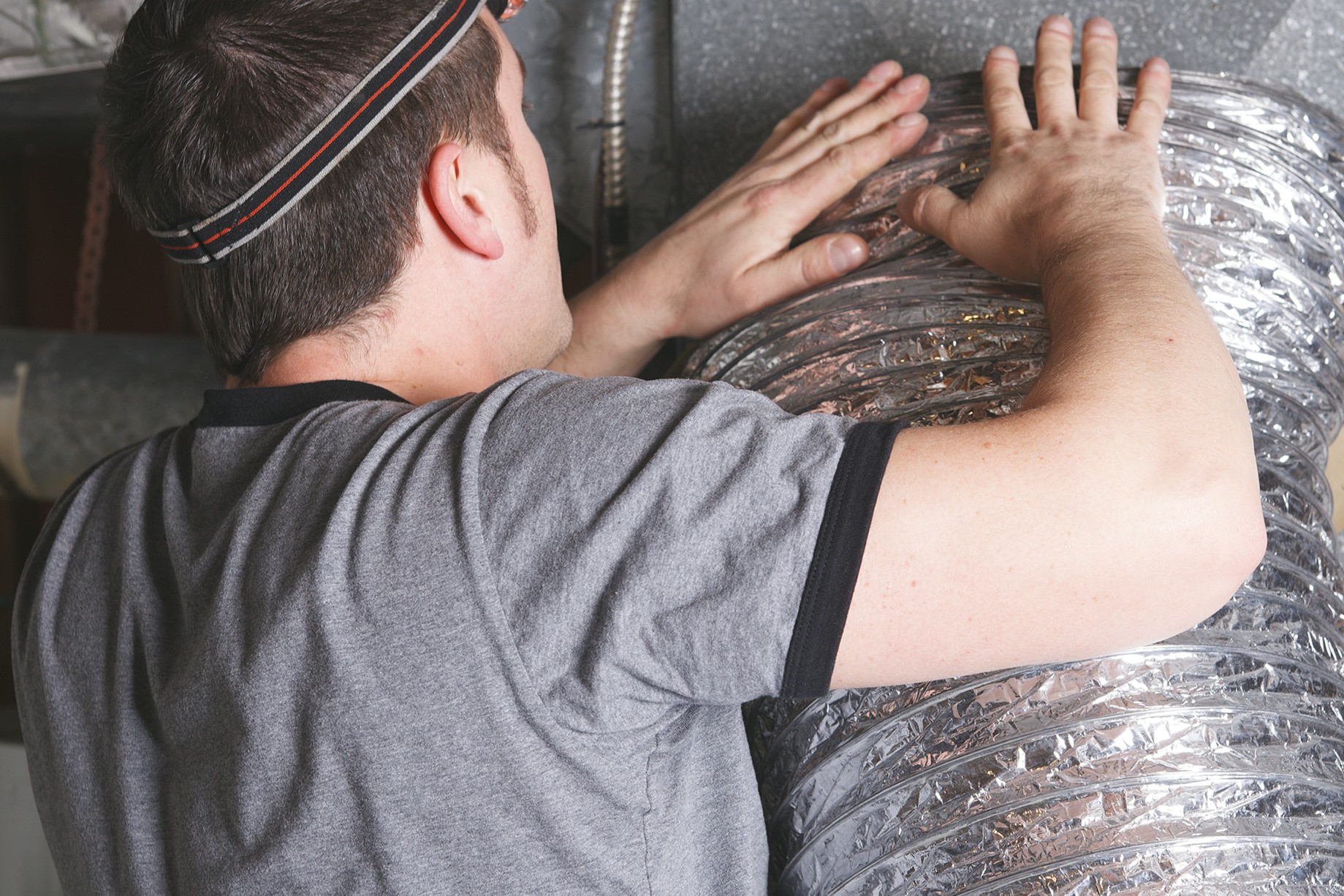
Photo from iStock – Credit: KentWeakley
Thermostat Settings And Programming Tips
Set your thermostat mode to heat before the outdoor temperature drops significantly so the system can complete its startup checks. Use a clear, simple schedule that avoids frequent setpoint jumps to reduce short cycling and wear on the blower motor. If the thermostat uses batteries, replace them annually to prevent lost programs or failed calls for heat. On programmable units, label daytime and nighttime setpoints so family members understand how the schedule works.
Consider a gradual setback strategy rather than large overnight drops to maintain comfort and efficiency while protecting the heat exchanger. If your thermostat supports adaptive recovery, enable it so the system learns how long it takes to reach target temperatures. Check that the fan setting is on Auto to allow the heat cycle to complete before continuous fan runs mix cooler air. Inconsistent fan behavior can hide airflow problems and make rooms feel drafty.
When switching modes, confirm the thermostat wiring remains secure and that the heat call energizes the correct terminal for your system type. A technician will diagnose wiring faults using a multimeter to confirm 24-volt control signals and continuity at the thermostat and control board. For heat pump systems, verify the thermostat can control the reversing valve and recognize defrost cycles to prevent unnecessary auxiliary heat use. Homeowners in Azle, TX should note if the thermostat shows error codes when calling for heat and record those codes for the technician.
If your thermostat offers dual-fuel or emergency heat settings, understand when to use them and avoid running emergency heat as a routine source of warmth. A pro will test the system by observing heat source switching and measuring supply-plenum temperature rise to confirm proper operation. Simple checks you can do include raising the heat setpoint and feeling for warm air at the nearest supply vent within several minutes. For guidance on controls and startup behavior related to thermostats and external unit problems, see why your AC unit might not turn on which explains related control issues in plain language for homeowners in Arlington, TX.
Airflow Issues Filters Ducts And Vents
When warm-air delivery feels weak after switching from AC to heat, start by inspecting the air filter for heavy dust and restriction. Restricted filters reduce airflow and can cause the blower motor to overwork and heat delivery to slow. Check supply and return grilles for visible blockage like curtains, furniture, or large dust build-up near the registers. If the blower sounds unusually loud or slow, note it for the technician to check motor amperage and capacitor function.
- Replace or clean filters monthly during heavy use.
- Keep furniture away from supply registers.
- Ensure return grilles are unobstructed.
- Check vents for loose or broken louvers.
- Verify attic or basement dampers are open.
Duct problems often cause uneven room temperatures even though the furnace runs normally and heats the plenum. Look for cold spots at the register edges, dirty duct boots, or visible disconnections in accessible areas like basements. A technician will measure static pressure, inspect duct seams, and use a smoke pencil or infrared camera to find leaks that reduce system efficiency. Sealing major leaks and repairing disconnected runs helps balance airflow and improves comfort throughout the house.
Vents themselves can create complaints when they are closed, misdirected, or fitted with the wrong-size grilles for the branch run. Open vents fully during initial heat use to let the system distribute air and then adjust dampers to fine-tune room balance. For two-story homes, ensure upstairs returns are clear so warm air can circulate and reduce temperature stratification. In a common situation, a homeowner reports warm central hallways but cold bedrooms, a pro would check vent registers, measure supply temperature rise, and confirm duct balancing.
Safety Concerns Carbon Monoxide And Combustion
Combustion appliances can emit carbon monoxide if fuel burns incompletely, so watch for persistent headaches, dizziness, or flu-like symptoms without fever. Yellow or sooty burner flames, visible soot around the furnace, or a pilot light that looks lazy indicate a combustion problem needing immediate attention. A professional will inspect the heat exchanger visually and use a combustion analyzer to measure CO levels and flue draft. If you detect concerning symptoms or readings, stop using the system and ventilate the home while arranging a service visit.
Ventilation and exhaust clearances matter because blocked flues force combustion gases back into living spaces, increasing CO risk and reducing system efficiency. Homeowners should note any new odors near the furnace, wetness at vent terminations, or birds’ nests that can partially block exhaust openings outside. A technician will check vent piping, measure draft with simple tools, and verify that the flue path remains continuous and properly sloped. For properties in Azle, TX a blocked vent can quickly become hazardous during cold snaps when heating runs more often.
Gas valves, burners, and the heat exchanger experience wear over years which can create leaks or cracked metal that allow combustion gases into ductwork and the home. During diagnosis, a tech will remove the burner access panel, inspect the burner pattern, and use a CO monitor around the plenum and near supply registers to find abnormal concentrations. They may also perform a leak test on the gas train and check control board fault codes to confirm safe ignition sequences. If any critical defect shows, professional repair or component replacement is required before normal operation resumes.
Carbon monoxide alarms provide essential protection but do not replace regular inspection of combustion systems, venting, and seals around the furnace cabinet. Place alarms on each occupied level and near sleeping areas, test them monthly, and replace units per manufacturer guidance when they fail tests. Heat pump systems do not produce combustion gases, but dual-fuel setups that switch to a furnace will need the same CO vigilance as other combustion systems. Homeowners in Arlington, TX should record any alarm events and share those details with the technician for faster diagnosis.
When diagnosing suspected CO or combustion issues, a technician follows observable cues and structured checks: note odors and symptoms, inspect burners and the heat exchanger visually, measure flue draft, and take CO readings at the unit and registers. They will also confirm proper ventilation and test controls like the gas valve and limit switch for correct operation. Photographs, recorded readings, and a written report document findings and recommended repairs for homeowner review. If readings exceed safe limits, the technician will recommend immediate shutoff and follow NFPA or EPA guidance when applicable.
When To Call A Professional For Switching From AC To Heat
If the system fails to produce heat at startup despite correct thermostat settings, contact a professional for diagnosis right away. A technician will inspect the control board, confirm 24-volt signals, and test the ignition or reversing valve depending on system type. They use a multimeter and visual checks to determine whether the problem is electrical, fuel-related, or a control fault. Early diagnostics reduce the chance of further component damage during repeated startup attempts.
Call for service when you notice persistent unusual noises that continue after initial startup sounds fade. A trained tech will open the cabinet to examine the blower motor, capacitor, and fan assembly, and take voltage and amperage readings to identify failing parts. They will also check the supply plenum and duct connections for loose panels or rubbing that causes rattles. Documenting these observations helps prioritize repairs and replacements correctly.
If warm air is inconsistent or the outdoor unit shows frost or long defrost cycles, arrange a professional inspection focused on heat-pump operation. The technician will measure refrigerant pressures with gauges, verify reversing-valve function, and confirm defrost control timing to diagnose the fault. For guidance about heat-pump specific symptoms, see the article explaining why a heat pump might blow cold air. Homes in Azle, TX should report frosting details and runtime patterns to help the tech pinpoint intermittent issues.
Immediate service is necessary when you detect combustion smells, visible soot, or carbon monoxide alarm events during early heating use. A professional will perform a visual heat-exchanger inspection, measure flue draft, and take CO readings at the unit and supply registers to confirm safety. They may also test the gas valve and control sequences and recommend shutting the system down if readings exceed safe levels. For properties in Arlington, TX, sharing alarm timestamps and symptom details speeds diagnosis and ensures safer outcomes.
Seasonal Maintenance Tasks To Prevent Breakdowns
Start seasonal maintenance by testing system airflow and measuring temperature rise across the supply plenum to confirm adequate heat delivery. A simple check includes replacing the air filter and running the system to observe steady warm-air output at several vents. If airflow feels weak after that, inspect accessible duct joints and visible seams for disconnection or crushing that could reduce flow. Document observations like vent temperatures and loud motor sounds to share with a technician if needed.
- Replace or clean the air filter before heavy heating use.
- Inspect and clear return grilles and supply registers.
- Check visible duct connections for gaps or loose seals.
- Listen for unusual blower motor noises during startup.
Clear the area around the furnace and outdoor unit so service access and ventilation remain unobstructed throughout the season. Remove stored boxes, paint cans, or debris from near the furnace cabinet to reduce fire risk and allow proper airflow. Outside, keep at least a few feet of clearance around the outdoor unit and trim vegetation that could block airflow. Regular access also makes it easier for a technician to perform visual inspections and routine tests.
Schedule annual professional maintenance that includes inspection of the heat exchanger, combustion components, and control safety interlocks. A technician will verify proper ignition, check gas-train components, and take voltage or amperage readings on the blower motor during a service visit. They can also perform an airflow performance test to measure static pressure and identify duct restrictions or balance problems. Having recorded readings and a written report helps homeowners track changes year to year and decide when repairs are necessary.
Check thermostat sensors and batteries before steady cold weather to reduce false calls for heat and unnecessary equipment wear. Test different programmed setpoints and observe whether the system responds promptly and without short cycling during the next heat cycle. If you have a heat pump with auxiliary heat, confirm the thermostat switches modes correctly during a call for higher temperature demands. For homes in Azle, TX and Arlington, TX, early-season checks reduce the chance of emergency repairs during colder nights.
Cost Considerations And Energy Saving Strategies For Switching From AC To Heat
When switching from AC to heat, expect higher energy use as systems run longer to restore indoor temperature. Adjusting setpoints by a degree or two reduces runtime without sacrificing comfort. A programmable schedule that matches occupancy lowers unnecessary heat calls during daytime absences. Tracking runtime over several days shows whether settings actually reduce energy use.
Filter condition directly affects efficiency, so follow a regular replacement plan to keep airflow steady and reduce run time. For guidance, consult the recommended filter change schedule to match filter type and household dust levels. A clogged filter forces the blower to work harder and increases energy consumption across the heating cycle. Replacing filters regularly also helps prevent premature blower or motor wear that raises repair needs.
Sealing obvious duct leaks and insulating exposed ducts lowers heat loss and shortens warm-up cycles in occupied rooms. A simple inspection in basements and attics can reveal loose seams and disconnected runs that waste heat. A technician will measure static pressure and may use an infrared camera or smoke pencil to confirm leaks before sealing. Addressing these items yields steady temperature control and smaller energy waste during longer heating runs.
Thermostat strategy matters: gradual overnight setbacks and using fan-on only when needed reduce excessive cycling and energy waste. If you own a heat pump, avoid running emergency heat unless necessary to prevent high energy draws. Homeowners in Azle, TX should note runtime patterns and share them with a technician to optimize settings. A professional will log temperatures, measure supply-plenum rise, and recommend adjustments to save energy while maintaining comfort.
Frequently Asked Questions
How do I prepare my thermostat when switching from AC to heat?
Set your thermostat mode from cooling to heating and raise the setpoint a few degrees to allow the system to cycle and warm evenly. Check batteries and replace them if the display is dim or unresponsive, since weak batteries can cause incorrect operation. If you have a programmable or smart thermostat, review schedules and temporary holds so heating runs when you need it. If you smell gas, see unusual flames, or suspect a safety issue, turn off the system and call a professional immediately.
What common smells or noises signal trouble after the changeover?
Burning or dusty smells when first switching from AC to heat often come from settled dust on the heat exchanger or ductwork. A persistent rotten-egg or sulfur odor can indicate a gas leak and requires immediate shutdown and a professional inspection. Clicking, grinding, or high-pitched squeals from the furnace or fan motor usually point to failing bearings, a loose belt, or electrical contactor issues. If you notice burning plastic smells, loud bangs, or frequent cycling, turn off the system and call a licensed HVAC technician without delay.
Why is airflow weak after switching from AC to heat?
Weak airflow after Switching from AC to heat often comes from a closed or partially blocked return grille or filter loaded with dust. The system’s blower may also run at a lower fan speed in heating mode, reducing supply pressure to registers. Duct leaks or disconnected sections that were tolerable during cooling can become apparent when heat moves more slowly through the system. If you smell burning, see soot near vents, or suspect a heat exchanger issue, turn off the furnace and call a professional for inspection.
When should I call a pro for combustion or CO concerns?
Call a pro immediately if you smell rotten eggs, detect persistent soot, or notice yellow pilot flames in your furnace. If any household member feels headaches, dizziness, nausea, or flu-like symptoms, treat this as an urgent CO risk. Do not run the heater until a qualified technician inspects the heat exchanger, venting, and CO detector readings. A professional can perform combustion testing, inspect the heat exchanger for cracks, and recommend repairs or replacement safely.}
How can I test heat delivery at vents during the first startup?
Set your thermostat to heat and a temperature above room temperature, then wait five to ten minutes for the system to respond. Stand at each supply vent and check for rising air temperature and steady airflow with your hand about six inches away. Note unusual smells, loud bangs, or cold spots and turn the system off if you detect burning odors, this could indicate a safety issue and you should call a professional. If vents stay cool or airflow is weak, a technician can inspect the blower motor, heat exchanger, and duct connections to diagnose the problem.