

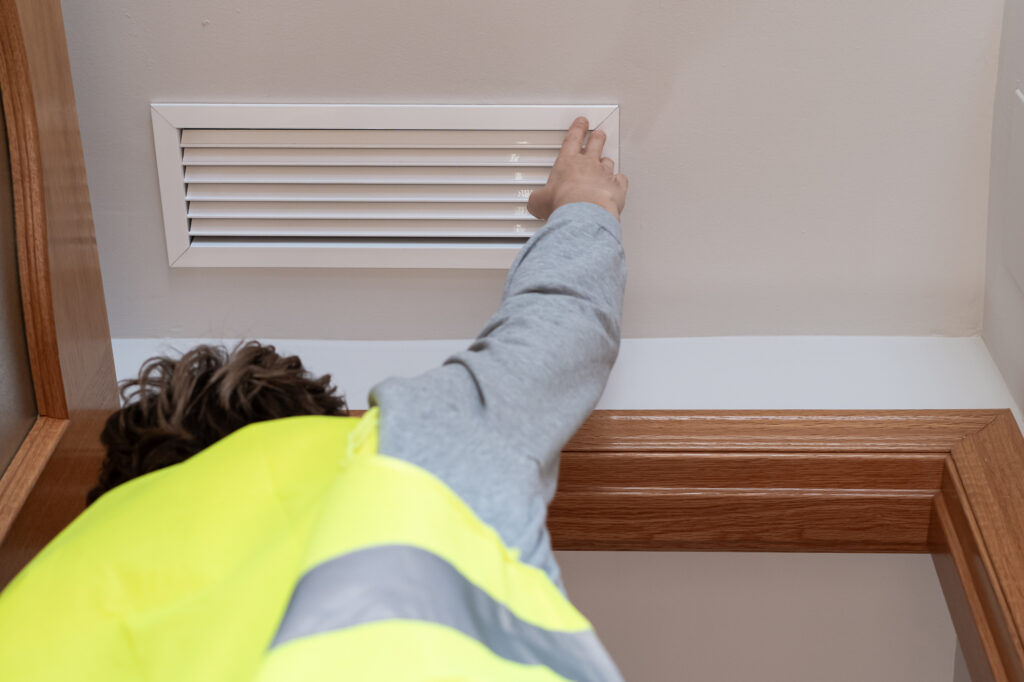
Return Vent Cleaning to Quiet Noisy Airflow
Key Takeaways About Return Vent Cleaning
Return vent cleaning means removing obstructions and restoring smooth airflow through return grilles and plenums. This guide is for homeowners and property managers who hear whistling or turbulence and want practical steps before calling a technician.
- Identify visible debris and loose grille fasteners at the return opening.
- Prevent edge lifting by keeping filters seated and replacing on schedule.
- Avoid pushing debris deeper by vacuuming the grille with a brush attachment.
- Spot uneven face velocity using a smoke pencil or simple airflow checks.
- Reduce whistling by adjusting dampers in small incremental steps.
- Plan professional pressure testing when cleaning and tweaks do not help.
Introduction
Whistling or rattling at return vents often signals airflow problems that affect comfort and efficiency. Dust-packed grilles, partial blockages, and poor balancing can create noisy turbulence in return paths. Homeowners notice noise more at night when systems run quietly and living spaces are still. Ignoring the sounds lets issues grow and can raise wear on the blower and filters.
Return vent cleaning focuses on more than surface dust removal to stop whistling and turbulence. Grille hygiene matters because accumulated debris changes airflow patterns and narrows the return opening. Even small obstructions can create high-speed jets that scream through narrow gaps near the grille. When that happens, rooms feel drafty or uneven despite the thermostat reading correctly.
Balancing the return and supply sides also affects noise and system strain. If returns draw unevenly, the blower works harder and pressures fluctuate, which increases rattles and wind-like sounds. Professional checks of the return grille, return plenum, and supply registers help reveal whether imbalance or obstruction causes the noise. Local homeowners in Argyle and Keller, TX notice these problems in both older and newer homes alike.
Signs to watch for include a persistent whistle, change in airflow at vents, and visible dust build-up around grilles. A technician will inspect the return grille, measure airflow, and observe how the system behaves under normal operation. If risks exist, especially for motor strain or appliance malfunction, contact a professional for diagnosis and corrective action. Quick attention reduces nuisance noise and protects system components from premature wear.
How Return Vent Cleaning Reduces Noisy Airflow
How return vent cleaning reduces noisy airflow means removing obstructions, cleaning surfaces, and restoring smooth return air paths.
- Clears dust and debris from grille openings.
- Removes small blockages inside the return pathway.
- Restores even velocities across the grille face.
- Reduces eddies that cause whistling and vibration.
Cleaning the grille and immediate return area changes how air enters the system, so turbulence drops quickly after work finishes. Homeowners often ask whether simple grille wiping helps, and the clear answer is yes for surface dust but deeper cleaning is often needed. A visible dust ring around the grille usually means airflow patterns have shifted and need correction. In some homes like those in Argyle, this symptom appears more often when filters are overdue for replacement.
Removing partial blockages inside the return plenum reduces high-speed jets that produce a whistle near the grille. Professionals inspect the return plenum, blower suction, and filter seating when confirming the cause of noise. Simple checks include listening at the grille while the blower runs and testing airflow with anemometer or smoke pencil. For detailed balance and pathway checks, consider reviewing the return path guidance at return air pathways and balance.
Cleaning also prevents secondary issues that increase noise, such as a sagging filter or loose grille screws that vibrate under airflow. If cleaning and sealing around the grille do not stop the whistle, a technician will check return dampers and supply balance next. A clear homeowner sign to report is a steady high-pitched whistle that changes with fan speed or thermostat cycles. When noise ties to motor strain or unusual smells, contact a professional for diagnosis and repair.
Why Whistling Occurs In Return Ducts
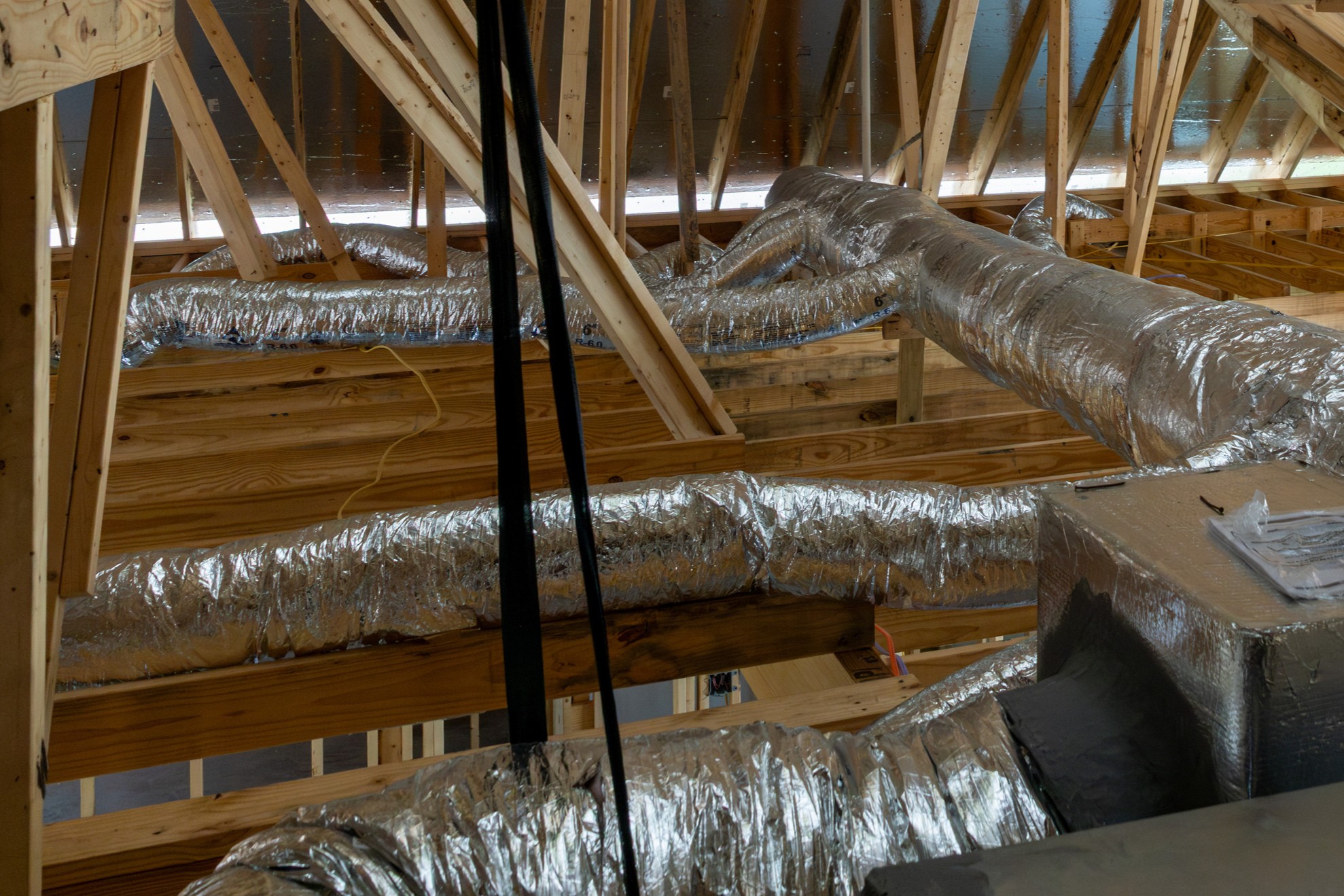
Airflow whistling often starts where the return path narrows or changes direction, causing rapid pressure shifts and small vortices. These pressure differences form when air moves from a wider room into a tighter duct or through a misaligned filter slot. Sharp edges, gaps around the grille, and uneven seams in the return plenum amplify these jets of air into audible tones. A common setup issue is incorrect return air sizing that raises face velocity and creates sustained whistles near the grille.
Vibration of grille components can turn minor turbulence into persistent noise when screws, louvers, or the metal frame vibrate under pulsing airflow. Loose fasteners or warped grille faces can also resonate at specific fan speeds and make the whistle change pitch. Homeowners sometimes notice the noise varies when the blower cycles or when registers close in other rooms. Professionals check for rattling parts and verify grille securement as part of diagnosing the sound.
Local conditions such as tight closet returns or long duct runs increase the chance of tone-producing airflow interactions in some homes, including those in Argyle and Keller, TX. Where returns pass through narrow chases or connect to smaller plenums, air collides and generates turbulence before reaching the blower. Technicians often inspect the transition pieces and measure differential pressure across the return to confirm whether sizing or geometry causes the whistle. They may reference airflow tables and return sizing guidance to match duct area with expected flow rates.
To confirm the source, a professional will perform step-by-step diagnostics that include observing the grille during operation and using simple tools like an anemometer or smoke pencil. They will listen at multiple fan speeds, check filter seating, and temporarily secure loose grille parts to see if the noise stops. Recorded footage or photos of inside the plenum help document blockages or sharp-edged transitions that produce the sound. If the diagnostic points to duct geometry or sizing, follow-up work focuses on smoothing transitions, correcting return area, and sealing gaps to eliminate the whistling.
Identifying Common Blockages And Turbulence Sources
Start by looking for visible obstructions where the grille meets the wall or floor, since small items often wedge into that space and alter airflow. Check for accumulated insulation fibers, pet fur, and loose paper pieces that can cling to the grille face and get drawn into the return path. If you find flexible material entering the gap, gently pull it free and inspect the filter slot for caught debris that might lift the filter edges. Taking photos helps a professional see whether the blockage is at the grille, in the flange, or deeper in the chase.
Next, listen while the system runs to detect where turbulence concentrates, because sound location narrows down likely blockage points and geometry problems. A persistent flutter or rasping at the grille typically means a loose louver or trapped debris near the opening rather than deep duct collapse. Professionals often use a smoke pencil to trace airflow lines and reveal eddies, or an anemometer to compare velocities across the grille face for uneven flow. These simple checks let you decide whether the issue needs only cleaning or a more careful inspection of internal transitions.
Inspect return components you can reach, including the filter, filter track, and return plenum access if present, as misaligned filters and collapsed tracks create jets that whistle at the grille. Look for crushed foam seals, bent filter frames, and screws that may penetrate the grille throat and disturb flow. If the return connects into a chase, examine the entry point for accumulated debris or restricted area that narrows the opening and causes turbulence. Homeowners in Argyle often find attic insulation edges or stored items encroaching on chase entries and should clear those spaces before deeper work.
When the return path includes a long or offset chase, check for sharp turns, pinch points, or tight transitions that force rapid direction changes in the airstream and cause whistling. A professional may recommend repositioning the return chase or smoothing transitions to reduce turbulence, and they reference guides for safe adjustment techniques during evaluation. For guidance on relocating return openings and reducing restricted airflow, review the practical advice in the return chase reposition guide. If the inspection reveals motor strain, odd smells, or inaccessible blockages, call a professional to diagnose using pressure readings and internal footage.
Inspecting Grilles Filters And Return Pathways
Begin with a close visual check of the grille frame, filter slot, and visible plenum area for gaps, bent metal, or missing seals. If you see gaps or loose screws, hand-tighten them and re-seat the grille to reduce vibration and air leakage. Inspect the filter track and frame alignment to ensure the filter seals evenly on all sides during operation. A misaligned filter can lift at the edges and create concentrated jets that increase noise near the opening.
- Check grille screws and mounting points for tightness.
- Examine the filter frame for bends or gaps.
- Look inside the plenum for loose insulation or debris.
- Verify any foam or gasket seals remain intact.
Next, remove the grille and use a flashlight to inspect deeper into the return pathway where reachable without crawling into ductwork. Look for trapped debris, torn insulation, or foreign objects lodged against the flanges that narrow the flow. If the return connects to a chase, inspect the chase entry for compression points or drywall edges that intrude into the opening. Photograph any interior issues to share with a technician if professional follow-up becomes necessary.
Test how the grille and filter affect airflow by running the blower on a low fan speed and listening at the opening while observing the face for uneven flow. Use a simple smoke pencil or lightly lit incense stick to see smooth laminar flow or to reveal swirling eddies that indicate turbulence. Measure the face velocity with an anemometer if available, checking for large discrepancies across the grille surface that show imbalance. If readings or visual checks reveal strong jets or inconsistent flow, consider grille upgrades or professional balancing work.
Step By Step Return Vent Cleaning Process
Start by turning the system off at the thermostat and circuit to prevent the blower from starting unexpectedly during work. Remove the grille gently, keeping screws and fasteners organized so they do not get lost or damage the frame. Vacuum loose dust from the grille face and throat using a brush attachment and avoid pushing debris further into the plenum. Wipe grille louvers with a damp cloth to remove greasy residues that alter airflow patterns later when the system runs.
Inspect the filter slot and clean the filter track using a flashlight to find trapped lint or pet hair that can lift filter edges under suction. If the filter is reusable, follow manufacturer cleaning steps and ensure it fully dries before reinstalling to avoid mold growth. Use a soft brush to dislodge material caught on the filter frame and vacuum the exposed plenum mouth afterward. Photograph any obstruction discovered deeper in the chase to show a professional if removal looks risky.
For partial blockages inside reachable ductwork, insert a flexible cleaning brush attached to a telescoping pole and rotate gently while pulling debris toward the grille opening. Run a shop vacuum with a long hose into the return throat to capture loosened material and reduce re-entrainment into the house. Avoid aggressive scraping that could damage the plenum, insulation, or fire damper components and create more noise later. If the blockage resists these steps or sits beyond safe reach, call a technician for internal inspection using camera footage.
After cleaning, reseat the filter and reinstall the grille, tightening screws enough to stop vibration but not to distort the frame or restrict airflow. Turn the system on and listen at multiple fan speeds to confirm the whistle decreased and turbulence smoothed across the face. If noise persists or airflow feels uneven, a professional can perform pressure mapping and balancing to locate hidden imbalances. Homeowners in Argyle may prefer a pro for complex chase work, and those in Keller, TX should request duct pressure mapping when imbalance appears likely.
Balancing Airflow And Adjusting Return Dampers
Start by checking return dampers for free movement and correct position while the blower runs at low speed to hear changes. Adjust the damper slightly toward the quieter side if one return overpowers others and causes uneven suction in rooms. Use small incremental moves and test at each setting to avoid sudden pressure shifts that create new whistling or turbulence. If a damper resists or binds, stop and note the location for a technician to inspect further.
Measure relative airflow across returns using an anemometer or by comparing how much air each grille pulls at the face with a smoke pencil. Balancing aims to equalize face velocities so no single return creates a high-speed jet near its edges. Professionals sometimes perform an airflow performance test that records readings and guides damper settings for stable operation. For homeowners wanting detailed performance evaluation, consider scheduling an airflow performance test in Colleyville to document pressure and velocity differences.
When adjusting dampers, also observe the supply side to ensure supply and return flows match approximate room needs and do not push the system into wide pressure swings. Small register closures in low-use rooms can help redirect flow and reduce strain on a noisy return, but make changes one room at a time. If closing registers raises noise at the return, reopen them and try different damper positions instead. Keep a record of which settings reduced whistling so a technician can replicate them during a professional balance.
Diagnosing stubborn noise often requires confirming pressure differences with a manometer and visual inspection of the plenum and transitions after damper moves. A professional will check the blower motor, filter seating, and fan speed in addition to damper positions to rule out mechanical causes. In a common situation, a homeowner hears a reduced whistle after small damper tweaks while a technician measures differential pressure and documents final settings for consistent operation. If adjustments fail to stop turbulence or the damper hardware appears damaged, contact a professional for safe repair and rebalancing.
When To Call A Professional For Return Vent Cleaning
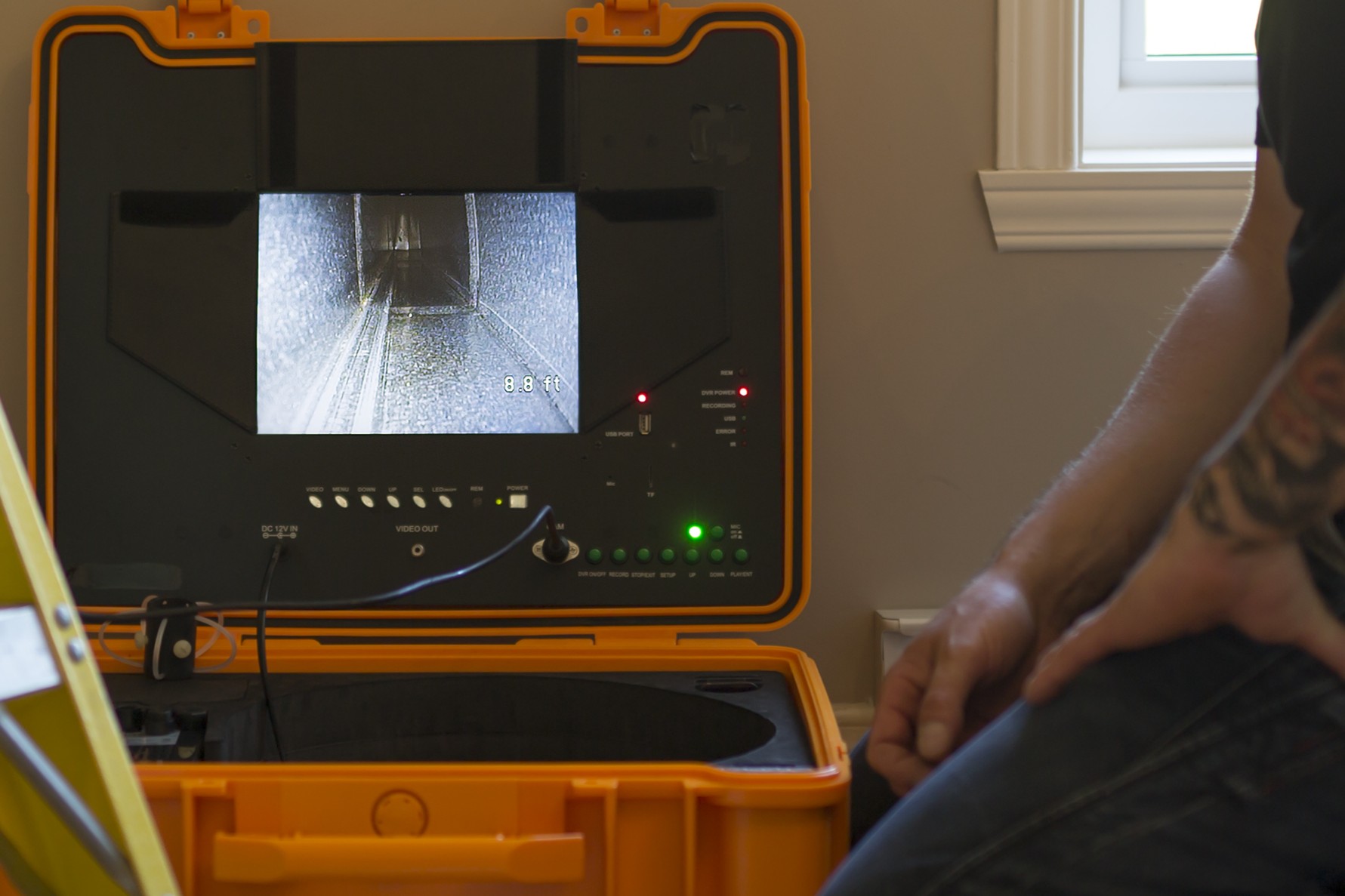
If you hear persistent whistling after basic cleaning and damper tweaks, call a professional for diagnosis and repair. A technician will perform pressure checks and visual inspection to confirm source and severity. They can access tight plenums and use a camera to find hidden blockages or damaged transitions. When the blower shows signs of strain, a timely professional check prevents further mechanical wear.
- They measure differential pressure across the return.
- They inspect damper operation under load.
- They use camera footage to find deep obstructions.
- They verify filter seating and frame alignment.
Consider professional help when noise varies with fan speed or when unusual smells accompany the whistle, since these signs suggest mechanical or airflow stress. A pro will test at multiple speeds and may record airflow readings to document the problem. If access requires attic or wall entry, a technician can secure the area and avoid drywall damage during investigation. Homeowners in Argyle should note these symptoms when requesting an inspection.
Call for help if you’ve tightened screws, cleaned grilles, and the sound persists despite damper adjustments or airflow testing. Professionals follow a systematic process that includes manometer readings and damper tuning to resolve pressure imbalances. They can also recommend upgrades to grille size or transition smoothing when geometry causes persistent turbulence. For planned balancing or targeted adjustments, ask about their process for airflow damper tuning.
If the return involves a long chase or inaccessible plenum, arrange a professional inspection rather than forcing removal attempts that could cause damage. A technician will note evidence such as ripped insulation, loose seals, or bent transition pieces and include recommended repairs in a written report. When HVAC noises tie to recurring filter overload or motor cycling, a pro can test the blower motor, capacitor, and fan assembly for correct operation. For properties in Keller, TX, arranging a full diagnostic gives clear next steps to stop whistling and protect system life.
Preventative Maintenance And Simple Homeowner Habits
Develop simple weekly habits to keep return openings clear and quiet by checking for new debris near the grille and filter slot. Wipe the grille face with a damp cloth to remove film that redirects air and creates small eddies. Keep nearby furniture and curtains at least a few inches away so nothing intermittently intrudes into the return path. If you store items near a floor return, reposition them to maintain an unobstructed airflow corridor into the grille.
Change or clean filters on a predictable schedule to prevent edge lifting and uneven face velocities that can produce tones at the grille. Mark filter replacement dates on a calendar and inspect the filter seating when you change it to confirm a snug, even fit. When using reusable filters, follow manufacturer drying and reinstall steps to prevent trapped moisture and odd smells. A properly seated filter reduces the chance of jets forming near imperfect gaps at the frame edges.
Perform a quick check of damper positions and register settings after any household changes, like closing rooms or moving furniture, that alter airflow patterns. Make small damper adjustments and note the effect on sound levels so you can revert if noise increases. If you suspect a deeper blockage or hidden damage, schedule an internal inspection using professional footage to locate the issue without invasive demolition. For a camera-assisted inspection, ask about their duct camera inspection in Colleyville to identify choke points or damaged transitions.
Watch for new smells, variable whistles, or changes when the blower cycles, since these cues often show an emerging problem before it worsens. Keep a short log of when noises happen and what you changed in the home so a technician can reproduce conditions during diagnosis. Homeowners in Argyle and those in Keller, TX should share these notes when arranging professional follow-up to speed accurate troubleshooting. If any inspection reveals motor strain, odd odor, or inaccessible blockage, contact a professional for safe corrective work.
Frequently Asked Questions
How does return vent cleaning stop whistling sounds?
Return vent cleaning removes lint, dust, and small obstructions that narrow the airflow path and cause high-pitched whistling. Cleaning restores a smoother air entry into the return grille, reducing turbulence and pressure differences that make noise. A technician will inspect the grille, return plenum, and nearby duct joints to confirm the noise source and proper airflow balance. If you see damaged ductwork or large blockages, stop and call a professional to avoid injury or system damage.
What signs show a return vent is partially blocked?
You may hear a persistent whistling or fluttering from the return grille when airflow meets a partial blockage. Vision cues include dust buildup, a bowed or clogged filter behind the grille, and reduced visible airflow when a hand is held nearby. You might notice uneven room temperatures, longer run times, or the system cycling more as it struggles to pull air. If you see debris inside the duct or smell burning, stop the system and call a professional because blocked returns can stress the blower and create safety risks.
Can grille cleaning alone fix noisy return airflow?
Grille cleaning can reduce noise when dust or debris causes rattling or partial blockage in the return opening. However, many whistling or turbulent sounds come from duct restrictions, loose duct joints, or unbalanced airflow beyond the grille. A technician will inspect the return grille, check the return plenum, measure static pressure, and test register airflow to confirm the cause. If you see damaged ductwork or high pressure readings, stop DIY work and hire a professional for safe balancing and repairs.
How do you test and balance return and supply airflow?
Start by measuring static pressure and airflow at several supply and return grilles using a vane anemometer and manometer to identify imbalances. Adjust supply grille dampers and the air handler’s fan speed in small increments while re-measuring to approach target cubic feet per minute for each zone. Include Return vent cleaning and grille clearance in checks, since blockages or dirty filters often cause turbulence and whistling. If measurements exceed safe limits or you lack instruments, stop and call a professional because improper adjustments can strain the blower or damage the system.
When should I call a pro for return vent cleaning issues?
Call a pro for return vent cleaning when whistling or turbulence persists after grille and filter checks. If you notice reduced airflow, frequent cycling, or uneven room temperatures, seek professional diagnosis. A technician will inspect the return grille, duct connections, blower motor, and perform airflow balancing. If you smell burning, see debris near the furnace, or suspect mold, stop system use and call a professional immediately.