
Carbon Monoxide Testing in Lewisville For Safer Heating
Key Takeaways About Carbon Monoxide Testing
Carbon monoxide testing measures CO levels and inspects combustion systems to confirm safe heating operation. This summary is for homeowners and property managers and matters before and during heavy heating months.
- Identify unusual symptoms that coincide with heating use
- Prevent CO migration by checking venting and draft performance
- Avoid running appliances if tests show elevated readings
- Spot visible signs like soot yellow flames or rusted connections
- Reduce risk with annual combustion checks and detector testing
- Plan professional diagnostics including heat exchanger and CO readings
Introduction
As furnaces and gas heaters run, incomplete combustion can produce carbon monoxide that enters living spaces without obvious signs. Combustion checks look for flames, burner condition, and heat exchanger integrity to catch leaks early. Technicians also verify proper ventilation and exhaust paths to reduce indoor exposure. Homeowners often notice subtle clues before dangerous levels build.
Carbon monoxide testing during heating operation measures CO levels at vents and inside the home to confirm safe combustion. Continuous monitors and spot readings provide different information about short and long term exposure. Proper testing picks up problems that smell and CO alarms alone can miss. That makes a measurable difference for families who sleep or spend long hours indoors.
Symptoms like headaches, dizziness, or flu-like feelings can point to low level CO exposure that worsens over time. A professional combines visual combustion checks with CO readings and inspection of the heat exchanger and flue. Pay attention to appliance noises, yellowing pilot flames, or soot around burners as early indicators. Quick identification prevents escalation during the cold months.
For homes in Lewisville and properties in Plano, TX, older furnaces or blocked vents raise the likelihood of combustion issues. Seasonal tune ups that include combustion checks and CO monitoring help maintain indoor air safety when heating runs most. If any testing shows elevated readings, contact a qualified HVAC professional without delay. Prompt action protects occupants and restores safe operation.
What Carbon Monoxide Testing Involves And Why
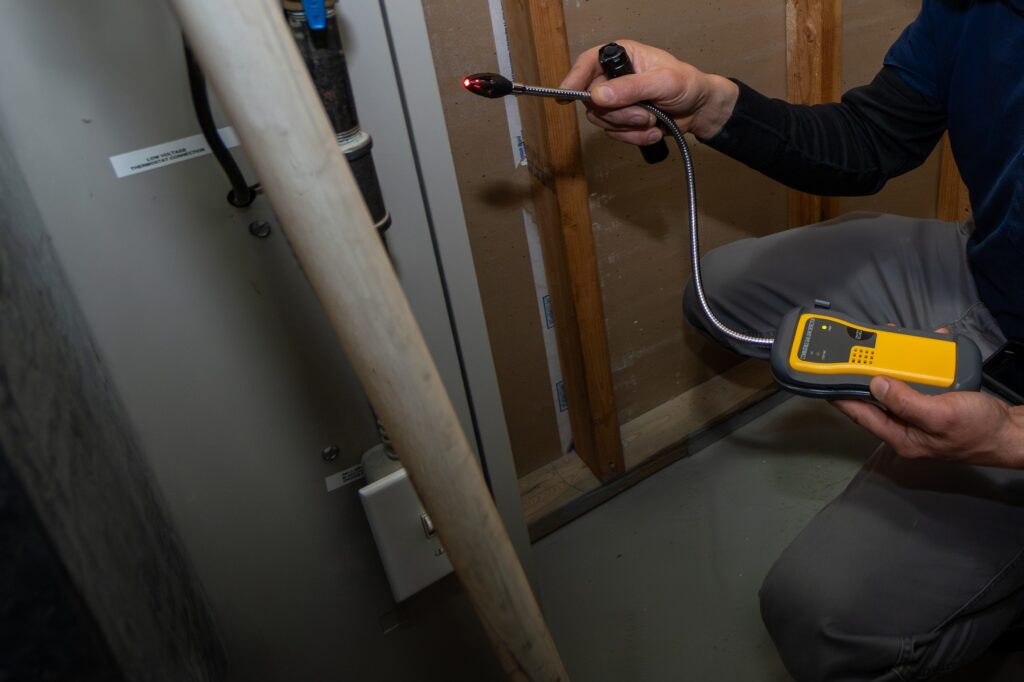
Carbon monoxide testing means measuring CO levels and checking combustion systems to confirm safe heating operation for a home. A common homeowner question is whether a simple alarm is enough, and testing answers that by measuring actual CO concentrations near vents and living spaces. Technicians record spot readings with a portable CO meter at the furnace, flue termination, and common rooms. Tests also include assessing airflow and whether exhaust gases clear the system fully.
- Measure CO at the appliance and in occupied rooms
- Inspect burner flame color and stability
- Check heat exchanger for cracks or rust
- Verify vent pipe connections and clearance
- Record results and recommend follow-up actions
During testing, professionals use a combustion analyzer and a handheld CO detector to capture readings over time. They compare readings to safety thresholds and note whether transient spikes or sustained levels appear. If measurements approach unsafe levels, the next step is to trace the source and stop use until repaired. Homeowners should know that testing finds problems alarms can miss during low-level chronic exposure.
Tests also include visual and mechanical checks of specific components like the heat exchanger, burner assembly, and venting connections. A technician may use an infrared camera or mirror to inspect hard-to-see cracks in the heat exchanger. For installation details and scheduling, see the company’s carbon monoxide testing page for more information on procedures and what to expect. For properties in Plano, TX or homes near Lewisville, testing before heavy heating months prevents unnoticed hazards.
How Combustion Checks Detect Dangerous Leaks
Technicians start combustion checks by examining how fuel and air mix at the burner during operation. They watch flame shape, color, and stability because flickering or lazy yellow flames can indicate incomplete combustion. A combustion analyzer reads oxygen, carbon dioxide, and carbon monoxide in the flue gases to show combustion efficiency. These readings help pinpoint whether the burner needs adjustment or if combustion byproducts escape into the heat exchanger.
Next, professionals assess the heat exchanger and surrounding seals for leaks that let combustion gases enter the air handler. They use visual inspection and sometimes a mirror or borescope to see hidden cracks or corrosion in the metal. Pressure checks across the draft and measuring flow at the vent termination confirm whether exhaust travels fully outdoors. If exhaust flow stalls or reverses, CO can backdraft into living spaces during heating operation.
Testing includes placing a calibrated CO detector near the appliance and at breathing height in occupied rooms to compare concentrations. Technicians take multiple spot readings and monitor for spikes during start-up and steady operation to reveal transient leaks. They log results and interpret patterns, which guides whether a component repair or vent modification will stop CO migration. For a detailed breakdown of tools and procedures, see the furnace combustion analysis information on the company website.
For homeowners in Lewisville and managers of properties in Plano, TX, combustion checks reveal problems that simple alarms cannot detect. A specialist will also confirm appliance draft, vent clearances, and burner adjustments before declaring safe operation. If any diagnostic step shows elevated CO or compromised exhaust, the technician recommends shutting the appliance until repairs finish. Prompt inspection and documented test results give homeowners clear next steps to protect indoor air.
Common Home Heating Problems That Cause CO
Fuel supply or burner problems often lead to higher carbon monoxide production when a heater runs poorly. A dirty or clogged burner causes uneven flame and incomplete combustion that sends more CO into the exhaust stream. Loose gas valves or pilot light instability can also change flame behavior and raise risk during startup and steady operation. Technicians look for these fuel and burner signs when tracing CO sources inside the appliance.
Blocked or poorly routed venting can cause exhaust gases to linger and backdraft into the home instead of exiting outside. Restrictions in the flue or vent connector create pressure shifts that let combustion products enter the air handler and ductwork. Corroded or disconnected vent piping increases the chance that CO reaches living spaces during prolonged heating cycles. Inspecting vent runs and draft performance helps confirm whether venting causes measured CO levels.
Heat exchanger damage remains a common mechanism for CO migration from combustion chambers into air streams that serve the living areas. Cracks, corrosion, or warped seams let flue gases bypass intended exhaust paths and mix with supply air delivered through ductwork. A close inspection of the exchanger assembly alongside airflow and pressure checks helps determine if the metal barrier has failed. For guidance on how technicians inspect the exchanger, see the detailed heat exchanger inspection process used during safety evaluations.
Poor combustion air supply inside a mechanical room or attic causes incomplete fuel burning and higher CO output from the appliance. Tight construction, closed combustion air openings, or nearby obstructions reduce fresh air available at the burner. A professional will evaluate intake louvers, room ventilation, and whether the appliance needs dedicated combustion air to operate safely. Correcting air supply problems often reduces CO generation and restores stable combustion performance for the furnace.

Typical Symptoms And Early Warning Signs Of Exposure
Early signs of carbon monoxide exposure often appear gradually and mimic common illnesses like the flu with no fever present. Homeowners may notice headaches that start while the furnace runs and ease when occupants leave the house. Another early clue is unusual sleepiness or trouble concentrating during or after long heating cycles in the home. If several people experience similar symptoms at the same time, consider testing indoor air for CO immediately.
- Headaches that improve outdoors
- Nausea without stomach illness
- Dizziness when heating is on
- Confusion or shortness of breath
Physical signs around appliances can also hint at silent CO problems before symptoms worsen for occupants. Look for soot buildup, rusted vent connections, or stains near the furnace that suggest incomplete combustion. A yellow or lazy flame on a burner where blue is expected also indicates poor combustion and possible CO production. These visible cues help a technician prioritize where to take CO readings during an inspection.
Technicians confirm suspected exposure by comparing occupant reports with measured CO concentrations over time at key locations. They take spot readings at the furnace, supply plenum, and living areas, and they may record short-term trends during start-up and steady operation. Diagnostic steps include measuring draft at the flue, inspecting the heat exchanger, and testing return airflow to identify how combustion gases might enter the home. When these checks align with symptoms, professionals recommend immediate action to eliminate the source.
For homeowners in Lewisville and managers of properties in Plano, TX, pay attention to timing and patterns of symptoms relative to heating use. If symptoms worsen overnight or during long heating runs, that timing points to a chronic low-level leak rather than a one-time spike. Document when symptoms occur and any appliance behavior to share with the technician during the visit. Clear communication speeds diagnosis and improves the chance of restoring safe indoor air promptly.
When To Call A Professional For Carbon Monoxide Testing
If occupants notice repeated symptoms tied to heating use or any CO alarm activation, call a professional promptly for carbon monoxide testing. A qualified technician will prioritize personal safety and stop appliance operation when readings suggest a risk to people inside. Avoid trying to diagnose through smell or guessing, because CO is odorless and tests require calibrated instruments. Contacting a professional ensures measured results and clear next steps to protect occupants.
Call for testing when you observe appliance issues that were not covered earlier, such as unusual burner cycling or unexplained changes in heating performance. A technician will perform targeted diagnostics like spot CO readings at vents and living spaces and measure draft at the flue termination. They will also use visual inspection tools to assess connections that may leak combustion gases into conditioned air. These steps clarify whether an immediate shutdown or repair is necessary.
Request professional testing if you find signs of compromised venting or suspect a loose flue connection near the furnace or water heater. Technicians can reseal or repair vent joints and will test again after fixes to confirm safe exhaust flow, including rechecks after resealing work like a flue pipe reseal. Proper verification after any vent repair reduces the chance of return drafts or residual leaks that might raise CO levels. Always insist on recorded readings and a written summary of findings for your records.
If multiple household members show matching symptoms that improve outside the home, schedule professional carbon monoxide testing without delay in Lewisville or at properties in Plano, TX. The technician will compare occupant reports with measured concentrations at the furnace, supply plenum, and common rooms to confirm sources. They will also check the heat exchanger, venting, and combustion airflow to trace any path by which gases could enter living spaces. Acting on measured results protects health and restores safe heating operation quickly.
What Technicians Check During A Safety Inspection
Technicians begin by running the appliance while taking live CO readings at the burner and again at the supply plenum to observe patterns. They record peak and steady-state values using a calibrated meter and note whether readings spike during start-up or cycling. A professional inspects burner ignition, flame stability, and any soot patterns that suggest incomplete combustion. These steps guide immediate actions if readings indicate potential danger inside the home.
Next, the inspector examines vent connections and draft behavior using visual checks and a draft gauge to confirm exhaust moves outdoors properly. They may perform a focused furnace flue inspection to verify pipe angles, secure joints, and termination clearance from obstructions. Technicians also test for backdraft during different operating modes to find intermittent problems that simple spot checks would miss. Confirming consistent venting reduces the chance combustion gases enter the living spaces.
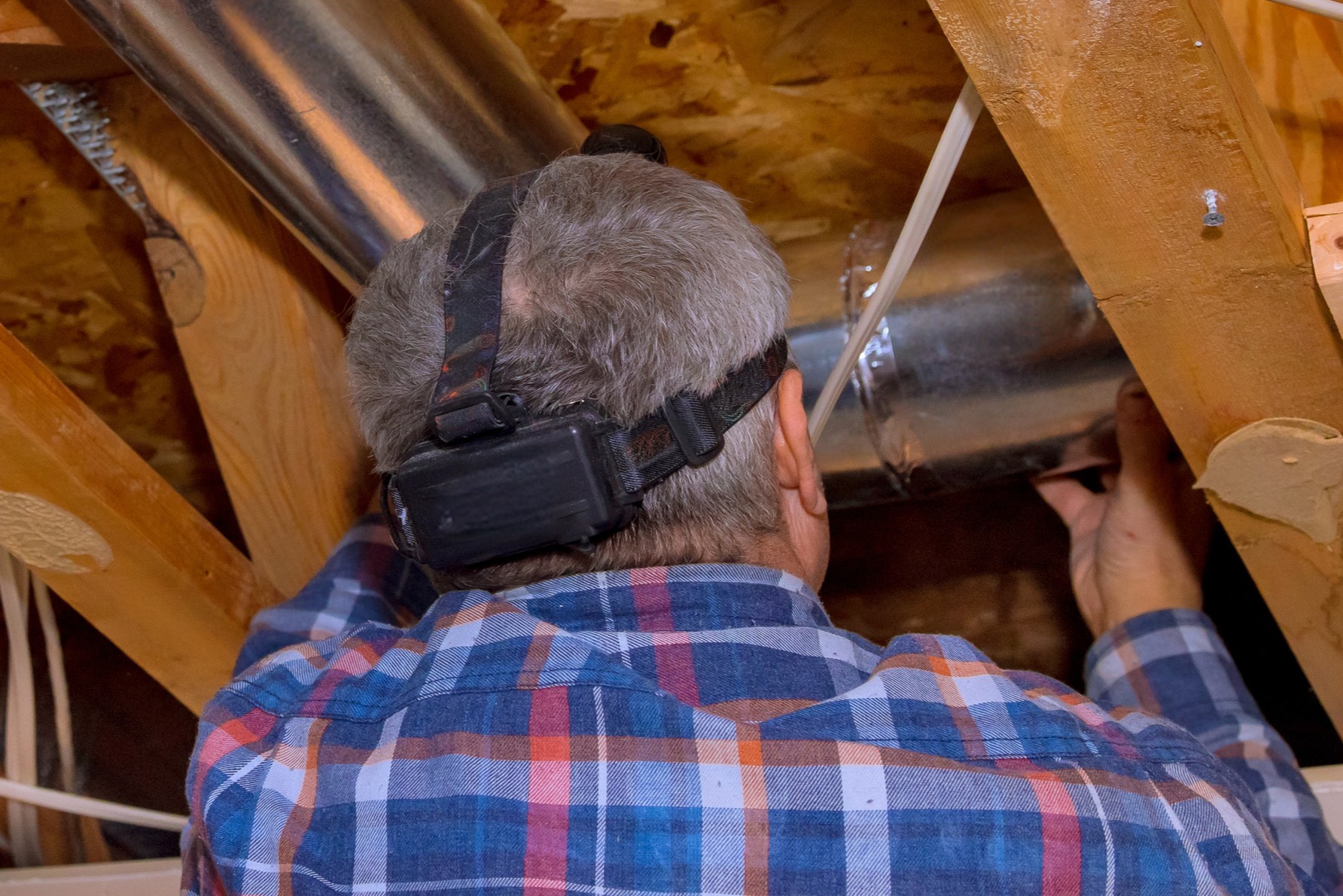
Inspecting the heat exchanger involves a visual check and often a borescope or mirror to look for cracks, corrosion, or warped seams that let flue gas cross into supply air. The technician checks seals at the heat exchanger access panel and looks for signs of combustion gas leakage on the air handler side. They also verify return and supply airflow so pressure differences do not draw combustion products into ductwork. If any defect appears probable, the appliance is marked unsafe until repaired or replaced.
Finally, professionals review occupant reports and conduct spot readings in several rooms to compare with appliance-area measurements and detect migration pathways. They document findings, take photos of problematic components, and create a written report that outlines required repairs and re-test steps. For homeowners in Lewisville, sharing symptom timing with the technician helps match readings to conditions that cause leaks. For properties in Plano, TX, this documented evidence supports faster repair decisions and follow-up verification testing.
Preventive Maintenance Steps To Reduce CO Risks
Regular maintenance reduces the chance of combustion problems that raise carbon monoxide testing concerns during heating months. Schedule an annual tune-up that includes burner cleaning, filter replacement, and airflow checks to keep combustion stable. During maintenance, technicians adjust the burner for correct fuel-air mix and confirm consistent ignition every cycle. Keep records of maintenance visits and test results to track changes over time and guide future inspections.
- Change filters on the manufacturer schedule.
- Clean burners and pilot assemblies when dirty.
- Keep combustion air openings clear and unobstructed.
- Inspect vent pipes and chimneys for gaps or corrosion.
Seal gaps where the furnace cabinet meets ductwork to prevent air leaks that draw flue gases into conditioned rooms. A technician will check the supply plenum and return grille seals and fix loose connections that alter pressure balance. Ensure the return path remains free of obstructions so the system does not create negative pressure that pulls exhaust into living spaces. Simple duct sealing and sustaining proper airflow reduce pathways for combustion gases to migrate into homes.
Install and test carbon monoxide alarms per manufacturer guidance and replace units after their service life expires for reliable alerts. For guidance on specific alarm types and placement, review the company’s carbon monoxide alarms home needs resource before purchasing. Place alarms outside sleeping areas and near major living spaces to detect chronic leaks early. Regularly test alarms and replace batteries to keep monitoring effective during continuous heating operation.
Look for seasonal cues that trigger immediate maintenance, such as soot around the furnace, yellow burner flames, or sudden changes in vent noise or draft. If you notice these signs, stop using the appliance and call a professional for diagnostic testing and repair. A technician will perform targeted CO readings and inspect heat exchanger integrity after arrival to confirm safety. For properties in Plano, TX and homes near Lewisville, proactive steps before winter help prevent dangerous CO exposure while heating runs most.
Choosing Reliable CO Monitors And Placement Advice
Pick CO monitors that list a clear measurement range and display readings in parts per million for accurate awareness. Choose units that include a digital readout and a peak memory function to review transient spikes after furnace cycles. Look for alarms that meet recognized testing standards and include a silence/test button that works without removing the unit from its mounting plate. Consult product documentation to confirm expected service life and recommended replacement intervals for dependable performance.
Place at least one detector on each floor near sleeping areas and another near the furnace or gas appliances to catch migration paths. Mount units at wall height roughly five feet above the floor where people breathe during waking hours, and avoid corners or dead-air zones that delay detection. Keep detectors at least one foot from air vents and not directly over the appliance where false spikes can occur during normal venting. Test placement with a professional if readings seem inconsistent or if alarms trigger while technicians run combustion checks.
Combine plug-in or hardwired alarms with battery-backup portable detectors for redundancy during power interruptions and to monitor locations like garages or basements where exhaust can collect. Professionals use handheld meters during inspections to confirm detector accuracy and to spot-check at the furnace, flue termination, and living spaces. When a pro performs carbon monoxide testing, they compare portable meter readings to installed alarms to verify proper coverage and recalibrate expectations for placement. If installed alarms show different levels, have a technician evaluate both the detector and the appliance.
Replace any detector whose self-test or sensor status indicates failure, and follow manufacturer guidance for sensor end-of-life replacement to avoid blind spots. For homeowners uncertain about correct model choice or location, consult resources like the company’s article on hazards and monitoring for context and further guidance. In Lewisville and at properties in Plano, TX, inconsistent alarm behavior during heavy heating periods warrants a professional inspection. Always prioritize measured readings and technician recommendations over assumptions about alarm placement or function.
Frequently Asked Questions
How does carbon monoxide testing protect my family during heating?
Carbon monoxide testing detects dangerous CO levels produced by a malfunctioning furnace or blocked vent before residents feel symptoms. Technicians perform combustion checks on the heat exchanger, burner, and flue to find leaks or incomplete combustion sources. A professional will also use a calibrated CO meter and record readings, warning homeowner if levels exceed safe thresholds. If any dangerous readings occur, stop using the appliance and contact a licensed technician immediately for repair and ventilation advice.
When should I schedule carbon monoxide testing for my furnace?
Schedule carbon monoxide testing before the first heating season run and after any major furnace service or repair. Test after noticing symptoms like headaches, nausea, dizziness, or unusual soot and yellow burner flames. If you detect a premature pilot outage or hear irregular burner noises, stop using the furnace and get a professional inspection immediately. A qualified technician will perform combustion checks, measure CO levels, and recommend repairs or detector placement for safety.
What signs prompt a professional combustion check?
Visible yellow or sooty burner flames, persistent pilot outages, or a strong exhaust smell prompt a professional combustion check. Homeowners who notice unexplained headaches, nausea, or flu-like symptoms during heating should call for inspection immediately. A technician will check the heat exchanger, burner, flue, and venting and may perform carbon monoxide testing for accurate readings. If you suspect CO exposure, evacuate the home and contact a professional right away for diagnosis and repair.
How do technicians measure CO and inspect the heat exchanger?
Technicians first use a calibrated combustion analyzer to measure carbon monoxide and combustion gases at the flue and room locations. They record CO ppm, oxygen levels, and draft readings to compare against safety limits during Carbon monoxide testing. For the heat exchanger, they visually inspect for cracks, corrosion, soot, or warping and remove panels as needed to see internal seams. If they find elevated CO or visible damage, they caution occupants to leave and recommend a professional repair or replacement immediately.
Where should CO detectors be placed in a multi-level home?
Install a CO detector on every level of a multi-level home, including the basement and attic if they contain fuel-burning appliances. Place detectors outside each sleeping area and inside or just outside bedrooms so occupants hear alarms during sleep. Mount detectors on walls about five feet above the floor or on the ceiling per the manufacturer’s instructions for best sensing. If detectors alarm or you suspect a leak, evacuate immediately and contact a qualified professional for gas testing and inspection.