

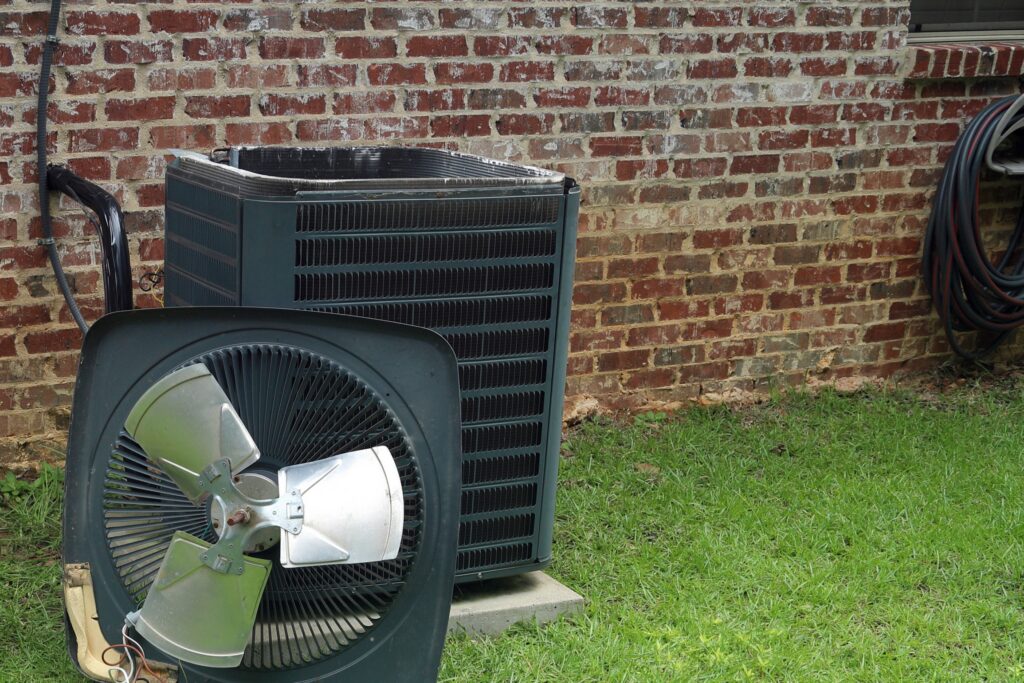
Outdoor Coil Cleaning to Keep Heat Transfer Strong
Key Takeaways About Outdoor Coil Cleaning
Outdoor coil cleaning removes dirt and films from the condenser coil so the system can transfer heat properly. This summary is for homeowners and property managers who want steady comfort before and during heavy cooling seasons.
- Identify visible dirt grease or bent fins on the condenser coil.
- Prevent rapid re fouling by maintaining clear space around the unit.
- Avoid high pressure washing that can bend fins or force water.
- Spot unusual fan noises longer run times or warm supply air.
- Reduce compressor and fan runtime with restored heat exchange efficiency.
- Plan professional inspections when refrigerant pressures or temperatures look abnormal.
Introduction
Outdoor coil cleaning keeps your air conditioner transferring heat efficiently so your home stays comfortable on hot days. When coils clog with dirt, pollen, and oily residue, airflow drops and the system works harder. That strain shows up as uneven cooling, longer run times, and higher wear on parts. Homeowners in Richland Hills often notice these signs during the summer months.
Outdoor coils foul because the condenser sits exposed to the outside environment where debris, grass clippings, and vehicle exhaust collect. Moisture and organic matter then promote sticky films that trap more dirt over time. A fouled coil reduces heat exchange between refrigerant and outdoor air and raises system suction pressures. In Fort Worth homes this effect can shorten comfort windows during heat spells.
Technicians use safe cleaning methods that protect coil fins, refrigerant lines, and electrical components while restoring heat transfer. They inspect the coil, check fin condition, and choose gentle cleaning agents or rinsing techniques suited to the contamination. Proper cleaning also includes checking the fan motor, contactor, and condensate drainage for related issues. A careful approach avoids damage to the delicate aluminum fins and nearby parts.
Restored heat exchange means shorter run cycles and steadier indoor temperatures that feel more comfortable. Less strain on the compressor and blower motor can reduce the chance of premature component failure. Regular professional attention helps maintain designed efficiency and keeps home humidity control consistent. If you notice weak airflow, strange sounds, or higher run times, contact a qualified HVAC technician for an inspection and cleaning.
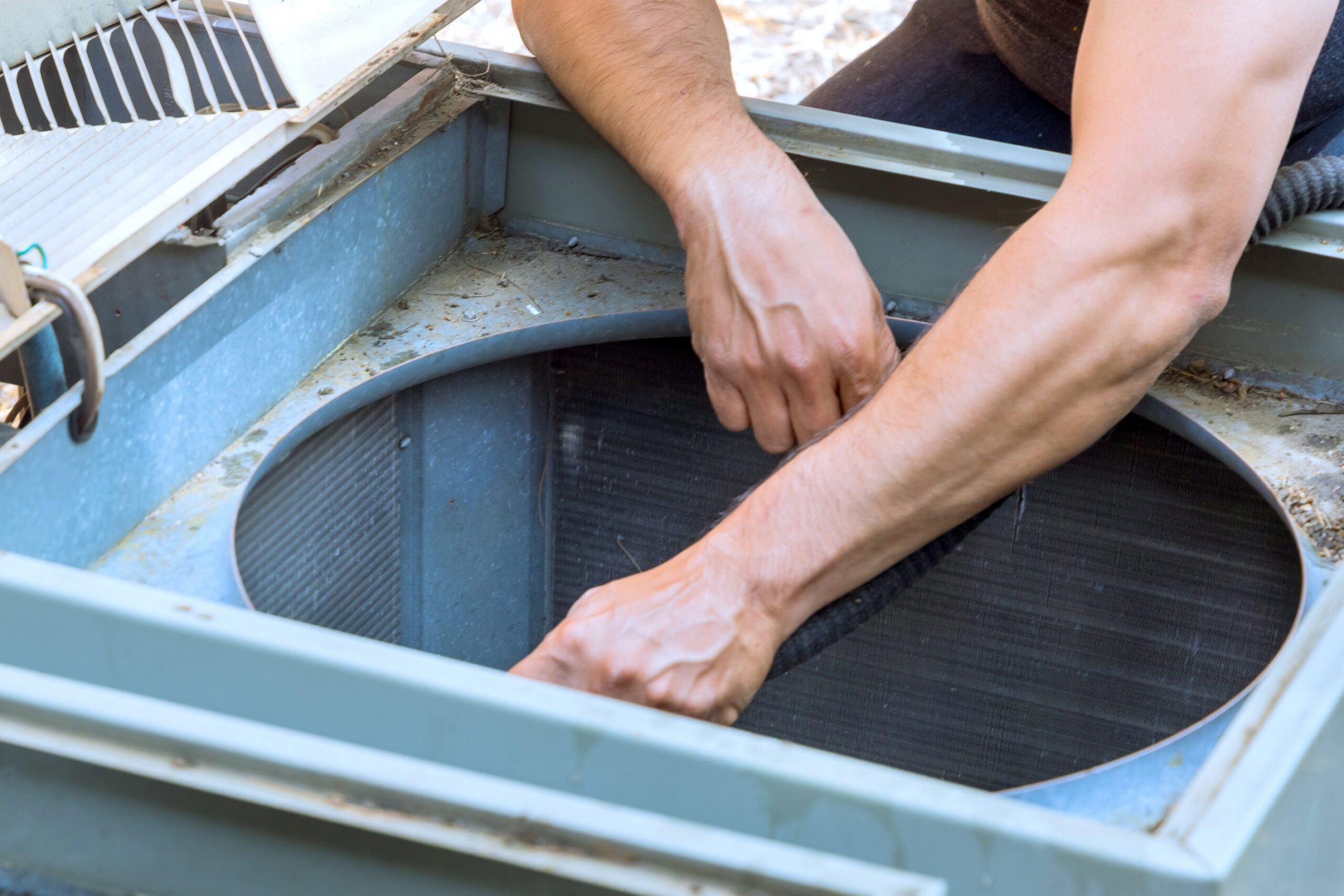
Why Outdoor Coil Cleaning Matters For Efficiency
Outdoor coil cleaning means removing dirt and films from the outdoor condenser coil to restore proper heat transfer. Clean coils let refrigerant release heat to outside air more efficiently, which reduces run times and stabilizes indoor temperature swings. A common homeowner question asks whether cleaning improves bills, yes, cleaner coils let the system run less while delivering the same cooling. Technicians often recommend cleaning when coils show visible buildup, reduced airflow, or longer cycles.
- Improves heat transfer between refrigerant and outside air.
- Reduces compressor and fan run time.
- Helps maintain consistent indoor temperatures.
- Reduces strain on electrical components over time.
When coils work properly, the compressor does not run under extra load and stays cooler during operation. This lowers the likelihood of high-pressure events and reduces mechanical stress on the refrigerant line set and compressor. Proper heat exchange also helps the evaporator coil manage humidity by keeping refrigerant temperatures stable. Homeowners often notice the benefit as steadier comfort rather than dramatic immediate changes.
Professionals confirm improved efficiency by comparing run times, temperature split across the evaporator, and visual coil condition after cleaning. A technician will also inspect the condenser fan, contactor, and nearby wiring during the visit to ensure no related problems exist. For routine professional service, consider scheduling a visit using the company’s coil cleaning service page for more details and appointment options. In Richland Hills and Fort Worth properties, timely maintenance keeps systems operating closer to designed performance levels.
How Outdoor Coils Become Clogged And Fouled
Small animals and insects also contribute to coil fouling by nesting under the cabinet or leaving debris on the coil face. Plant growth and fallen leaves collect around the unit and push finer material into the fin pack during wind events. Wind-driven dust from construction or unpaved surfaces can pack tightly against the fins, making simple rinsing ineffective. Technicians inspect the fin condition because bent or crushed fins make trapped debris harder to remove and hurt airflow.
Mineral deposits and oily residues require different cleaning approaches because water alone may not dissolve them. A technician will run a visual inspection and may use a fin comb to straighten damaged fins before applying a cleaning agent. They often test rinse a small area to check for chemical compatibility and to avoid harm to nearby electrical components. If fins are badly corroded or clogged, technicians may recommend coil straightening or further mechanical attention detailed on the condensor coil straightening efficiency resource.
Diagnosing performance impact starts with observable symptoms like longer run cycles and higher outdoor cabinet temperatures during operation. A technician will check static pressure, visually inspect the coil, and measure temperature change across the refrigerant lines to confirm reduced heat transfer. Simple checks include measuring airflow at the return grille and comparing compressor run time to expected cycles for similar conditions. For homes in Richland Hills and properties around Fort Worth, these inspection steps help decide whether cleaning will restore designed performance or if further repairs are needed.
Common Warning Signs Of Dirty Outdoor Coils
Look for higher-than-normal run times that start before the hottest hours of the day, which can signal restricted outdoor heat transfer. You might notice the system cycles more often without reaching set temperatures, or the thermostat holds longer cooling demands. A technician will correlate those observations with measurements to decide if coils need attention.
Visible signs include dark streaks, greasy films, or a matting of fine dust across the coil face that reduce airflow between fins. You may also see debris piled against the cabinet base or leaves packed into the coil area after yard work. During an inspection, a tech checks fin spacing and tests for airflow reduction using simple return-grille observations and visual coil assessment.
Listen for unusual fan sounds or rattles that appear during cooling runs, since clogged coils can alter fan loading and airflow patterns. A humming or labored fan noise when the compressor runs often points to higher system strain from poor heat exchange. Technicians will inspect the fan motor, contactor, and nearby wiring to rule out related electrical issues during diagnosis.
Odd humidity or lingering warm spots in rooms can indicate the evaporator cannot remove enough heat because the outdoor coil underperforms. Technicians confirm this by measuring temperature differences across the evaporator and checking refrigerant line temperatures. If condensate flow seems reduced, they may also inspect the drain and recommend a condensate cleanout like the condensate cleanout tee service as part of related maintenance.
Safe Outdoor Coil Cleaning Methods Technicians Use
Technicians begin safe outdoor coil cleaning by powering the unit down and locking out electrical supply to avoid shock or motor damage. They remove debris from around the cabinet and clear loose leaves before any liquids contact components. A careful visual inspection follows to note fin condition and nearby refrigerant line insulation for later checks. If condensate routing interferes with access, the technician may review options such as a condensate line reroute to improve serviceability and drainage.
- Brush loose debris with a soft nylon brush.
- Apply low-pressure water rinse from inside out.
- Use manufacturer-approved coil cleaner when needed.
- Straighten bent fins with a fin comb.
- Dry the area and restore electrical power safely.
For greasy or oily films technicians use test rinses and mild, non-acidic coil cleaners to protect aluminum fins. They avoid high-pressure washing that can bend fins or force water into electrical parts. When mineral scaling appears, techs choose cleaners safe for the coil material and rinse thoroughly to prevent residue. Technicians often protect nearby wiring and contactor with plastic covers during chemical application and rinsing.
After cleaning, a technician verifies airflow improvement and checks fan motor operation under power to confirm normal loading. They may measure temperature split across refrigerant lines to show restored heat transfer and record notes for the service report. If fins remain damaged or airflow stays restricted, techs recommend fin combing or further mechanical attention. Homeowners in Richland Hills should expect technicians to explain any follow-up actions clearly.
When Homeowners Should Call A Professional Service
If you notice persistent cooling problems after basic checks, call a professional. Signs like reduced airflow, humming fans, or visible oil on lines warrant technician diagnosis. A pro will shut power, inspect the condenser fan and motor, and verify safe access to the coil. For suspected fan issues see the condenser fan repair resource for typical inspection steps.
When refrigerant line temperatures or system pressures look abnormal, a trained technician should confirm heat transfer loss. They will use gauges, temperature readings on the suction and discharge lines, and visual coil inspection to diagnose the problem. Technicians avoid guesses and follow measured data to decide whether cleaning or further repair is needed. Homeowners should report any odd smells during operation since they can point to deeper issues.
Call sooner if you hear unusual vibrations, see persistent leaks, or if the system cycles unusually often without comfort improvement. Technicians will also check related components such as the contactor, capacitor, and airflow at the return grille during the visit. Regular preventive checks help, and professionals can combine coil cleaning with a full seasonal tune-up. Consider scheduling an inspection from a comprehensive maintenance checklist to catch problems early.
In Richland Hills homes, environmental debris can accelerate coil fouling and make professional attention more urgent. A technician will document their findings and recommend follow-up actions like coil straightening or condensate routing changes when necessary. If electrical or refrigerant work is required, leave those steps to licensed technicians to ensure safety and compliance. For Fort Worth properties, timely professional service keeps systems running closer to designed performance and comfort levels.
What Technicians Inspect During Coil Cleaning Visits
Technicians start by visually scanning the coil and surrounding cabinet for physical damage and trapped debris that limit airflow. They inspect the fin pack for bent, crushed, or corroded fins and note any sections needing fin combing. A tech will also check refrigerant line insulation and visible refrigerant fittings for oil stains that suggest leaks. If they find evidence of nesting or animal debris, they document it for removal and prevention recommendations.
Next they verify the condenser fan and motor operation, listening for unusual sounds and checking shaft play and blade alignment. During this check they may reference common warning signs listed on a condenser fan motor resource to decide whether further motor testing is needed. A technician examines the contactor and capacitor for pitting, discoloration, or bulging, which can affect fan start and run performance. These electrical checks help determine if cleaning alone will restore normal operation or if component replacement is advised.
The tech performs simple diagnostic measurements to confirm heat transfer improvement after cleaning, such as comparing temperature change across the suction and discharge lines. They may use a temperature probe on the evaporator suction line and at the condenser outlet to record baseline and post-cleaning readings. Inspecting the condensate routing and drain area is also common when debris or biofilm sits near the coil. Documentation of readings and photos often goes into the service report for homeowner review.
Finally, technicians examine access and clearance around the unit to help prevent rapid re-fouling and maintain serviceability on future visits. They recommend trimming vegetation or relocating irrigation that sprays directly onto the condenser when needed to reduce moisture loading. For homeowners in Richland Hills, small changes in clearance can slow debris accumulation and extend cleaning intervals. In Fort Worth properties, technicians may also advise periodic visual checks between professional visits to spot early buildup.
Preventative Steps To Reduce Coil Fouling At Home
Keep at least two feet of clear space around the condenser to reduce debris buildup and maintain steady airflow through the fins. Regularly sweep leaves and grass clippings away from the cabinet base to prevent material from collecting at the coil face. Inspect the area monthly for early signs of dirt or nest material so small problems do not become heavy fouling. For guidance on maintaining clearance and airflow, review the outdoor unit clearance and airflow recommendations.
- Trim vegetation within two to three feet of the unit.
- Redirect sprinklers that spray onto the condenser cabinet.
- Remove grass clippings immediately after mowing near the unit.
- Keep the area free of loose debris and stacked items.
Protect the unit from oil and grease sources such as barbeque stations or vehicle exhaust that can leave sticky films on coils. Place a simple debris guard during heavy yard work or when construction dust is present nearby to reduce particulate exposure. Schedule a visual check after storms and high winds since loose material can pack into the fins quickly. Homeowners in Richland Hills can handle these steps safely without specialized tools.
Consider using a soft brush or low-pressure rinse for light surface dust when power is off to avoid pushing dirt deeper into the fin pack. Avoid high-pressure washing or harsh acids that can bend fins or damage aluminum surfaces. If you notice persistent greasy streaks or reduced airflow after these homeowner steps, contact a professional for thorough outdoor coil cleaning. In Fort Worth properties, timely preventive actions often lengthen intervals between professional cleanings.

Comfort Benefits From Proper Heat Exchange Maintenance
When heat exchange runs as designed, rooms reach set temperatures with shorter cycles and steadier airflow, producing fewer hot or cold spots. Proper outdoor coil cleaning helps keep the evaporator and condenser balanced so humidity control stays consistent during long cooling runs. Technicians confirm improved comfort by measuring temperature differences across the evaporator and observing reduced fan runtime after cleaning is complete. These measurable checks show how heat transfer restoration directly affects how the system feels in daily use.
Improved heat transfer reduces compressor workload and prevents rapid cycling that can create noisy starts and stops in living spaces. Less frequent cycling also lowers strain on the blower motor and contactor, which often cut down on unfamiliar sounds and vibrations. Homeowners sometimes notice a calmer operating sound profile and steadier thermostat behavior within days of a professional cleaning visit. That quieter operation contributes to perceived comfort even when outdoor temperatures remain high.
Better coil performance keeps refrigerant temperatures within intended ranges so the evaporator can remove moisture effectively from indoor air. This means less clammy air and reduced complaints about lingering stickiness in bedrooms or common areas. A technician diagnosing humidity issues will check the outdoor coil condition alongside refrigerant line temperatures and condensate flow to confirm the source. For properties in Fort Worth, consistent dehumidification helps preserve indoor comfort during prolonged heat spells.
Improved heat exchange also helps maintain even distribution of conditioned air through ductwork and supply registers, reducing hot spots near windows and doors. When a professional documents improved airflow and temperature splits after cleaning, homeowners can track comfort improvements over time in service records. Persistent uneven cooling after thorough cleaning points technicians toward other common problems covered on the common HVAC coil issues resource for further diagnosis. Homeowners in Richland Hills should report noticeable temperature swings to their technician so follow-up inspections can target remaining issues.
Frequently Asked Questions
How often should I schedule outdoor coil cleaning?
Most systems benefit from outdoor coil cleaning once a year during spring maintenance to restore efficient heat transfer before heavy use. Homes near trees, construction, or heavy dust may need cleaning every six months for reliable performance. Technicians inspect fins, refrigerant line set, and fan operation during the visit to confirm need and effectiveness. For safety and proper cleaning, caution homeowners to hire a qualified technician rather than attempt coil cleaning themselves.
Can outdoor coil cleaning reduce my cooling bills?
Yes, clean outdoor coils help your air conditioner move heat more efficiently, which lowers how hard the compressor must work. Cleaner coils restore proper heat transfer so the system reaches set temperatures faster and cycles less. Reduced run time and fewer short cycles typically cut energy use, improving seasonal efficiency. Because cleaning involves refrigerant lines and electrical parts, caution is required, hire a trained technician to inspect and clean safely.
What signs show a condenser coil needs cleaning?
Look for reduced cooling performance and longer run cycles while the thermostat calls for the same temperature.
Inspect the outdoor unit for visible dirt, leaves, pollen, or a greasy film on the condenser fins.
Listen for higher fan or compressor noise and check for unusually warm air coming from supply registers.
If you see heavy buildup or suspect refrigerant or electrical issues, avoid DIY cleaning and call a professional for safe outdoor coil cleaning.
Do technicians use safe methods for outdoor coil cleaning?
Technicians use low-pressure rinses, coil-safe detergents, and fin combs to remove dirt without bending delicate fins. They inspect the blower motor, refrigerant line set, and electrical connections before and after cleaning. Technicians avoid high-pressure washers that can damage fins or push debris deeper into the coil. If you suspect corrosion, exposed wiring, or refrigerant leaks, stop and call a professional because cleaning can pose safety risks.
What should a pro check after coil cleaning to confirm results?
After outdoor coil cleaning, a pro inspects the coil fins and casing for remaining debris, bent fins, or visible damage. They measure refrigerant pressures and compare readings to system specifications to confirm proper heat transfer. Technicians also check airflow across the coil with static pressure or anemometer readings and confirm the blower motor and filter function. If electrical connections, refrigerant checks, or ladder work pose risks, the technician follows safety protocols and advises homeowners to hire a professional.