


Supply Vent Cleaning in Richardson for Better Room Delivery
Key Takeaways About Supply Vent Cleaning
Supply vent cleaning removes dust and debris that block airflow and change how conditioned air travels. This summary is for homeowners and property managers who notice uneven room temperatures or weak vents during seasonal use.
- Identify visible dust buildup and halo stains around registers.
- Prevent flow loss by keeping grilles and dampers accessible.
- Avoid directing air into walls or ceilings with grille adjustments.
- Spot unusual noises like whistling rattles or vibration at registers.
- Reduce uneven temperatures by cleaning then testing register velocity.
- Plan professional inspection when cleaning does not restore proper delivery.
Introduction
Clogged or misaligned supply vents often leave one room too cold and another too warm despite a working HVAC system. Restricted throw and uneven spread change how air moves and where it lands in a room. Homeowners notice drafts, noisy grilles, and weak airflow that frustrate daily comfort. These symptoms matter because steady temperature and airflow affect sleep, energy use, and a home’s livability.
Dust, pet hair, and small debris collect inside vent louvers and the supply plenum and reduce airflow over time. A poorly positioned grille can send air into a wall or floor instead of across the occupied space. In some cases a dirty vent masks a failing blower motor or a clogged filter that needs attention. Ignoring these signs can make a problem feel like the thermostat is wrong when it is not.
Improving throw and spread starts by ensuring air leaves the vent with enough velocity and in the right direction for the room layout. Simple adjustments to grille angle and register dampers change where supply air lands and how it mixes with room air. Cleaning vents also removes flow restrictions that reduce the system’s ability to balance conditioned air. Better delivery often brings noticeable comfort gains without changing the thermostat setting.
Homeowners in Richardson and property managers in Euless, TX often call after noticing one room lags behind the rest of the house in temperature. A trained technician will inspect the supply plenum, register, and nearby return paths to confirm the real cause of poor delivery. The technician documents airflow observations and offers solutions that improve throw or spread based on what they see. That approach helps households get reliable comfort where they need it most.
How Supply Vent Cleaning Improves Air Throw
Supply vent cleaning means removing dust and debris from the grille, damper, and immediate plenum to restore intended airflow patterns. A clean supply vent delivers higher exit velocity so airflow reaches the room center instead of falling short near the wall. Homeowners often ask if cleaning vents really changes comfort, and yes it can by restoring throw and improving mixing with room air. Technicians confirm results by observing increased velocity and by seeing supply air reach intended seating areas during testing.
- Improved velocity carries air farther into the room.
- Clear louvers reduce turbulence and noisy airflow.
- Accessible dampers can be rebalanced after cleaning.
- Removing debris uncovers hidden obstructions in the plenum.
Cleaning reduces boundary-layer separation at the grille, which lets air spread evenly across the occupied zone. When airflow exits smoothly, the conditioned air mixes instead of creating hot or cold pockets near doors and windows. A homeowner might notice faster temperature changes after cleaning, answering the common question about whether results are immediate. If the vent still sprays oddly, the damper orientation or register placement may need adjustment.
Professionals diagnose poor throw by checking airflow direction with a simple hand test and a smoke pencil or streamer. They inspect the register, measure static pressure near the supply plenum, and check for blocked return paths that reduce overall flow. For questions about how register size affects throw and spread, homeowners can review supply register sizing guidance and specifications before agreeing to work. In Richardson and in Euless, TX properties, these checks reveal whether cleaning alone will help or if further balancing is needed.
Why Clogged Vents Reduce Room Air Spread
When vents clog, airflow narrows into jets that miss occupied zones and cling to walls or ceilings. Restricted flow increases turbulence right at the grille, which breaks the intended spread pattern across the room. That turbulence reduces how well supply air mixes with room air, so conditioned air pools in odd places. Homeowners may feel drafts near vents while seating areas stay unchanged.
Clogged vents also raise resistance in the supply plenum and lower overall system flow to the branch circuit. Lower flow reduces throw distance so air drops quickly instead of traveling to the room center. Reduced flow can make the thermostat cycle longer while comfort in key rooms lags. A visible sign is a weak breeze at the register during a call for cooling or heating.
Technicians confirm reduced spread by performing simple diagnostic checks like smoke pencil direction and hand-feel velocity checks at multiple registers. They inspect the grille, damper, and immediate plenum for dust, pet hair, or debris that alters flow. Measuring static pressure near the supply plenum helps determine whether the restriction is local or system-wide. Reports often include recorded observations and suggested corrections for register alignment or damper adjustment.
Small adjustments to register angle and damper position can recover lost spread when cleaning uncovers obstructions, and field balancing improves room delivery. For guidance on correcting drafts and register alignment, homeowners can review the company resource on vent register alignment and drafts. In Richardson and in Euless, TX properties, these fixes often restore more even temperatures without swapping major equipment. If airflow symptoms persist after cleaning and alignment, contact a professional to avoid masking deeper system issues.
Common Causes Of Poor Vent Delivery
Blocked branch ducts often limit delivery to a single room while other registers remain strong, causing uneven comfort and pressure swings. Kinks, collapsed insulation, or animal nests in a branch run change airflow patterns and lower effective throw at the vent. A technician looks for reduced velocity at the farthest registers and inspects accessible duct runs for visible damage or sagging joints. For Richardson homeowners, hidden duct issues commonly show as one room lagging despite clear registers and clean grilles.
Incorrect register size and placement can concentrate air into a small jet that misses seating areas and creates spotty heating or cooling. Undersized registers increase exit velocity but reduce spread, while oversized ones can allow flow to collapse near the grille. Professionals confirm this by measuring register face area and comparing it to the planned branch size during an inspection. They may recommend swapping a register or adjusting the plenum takeoff to match the room design.
Closed or mis-set zone dampers and manual balancing dampers in the ductwork change how much air reaches each room and shift pressure in the supply plenum. A stuck damper can send too much air to one branch and starve another, so technicians operate dampers while monitoring register velocity and static pressure. They use simple tools like an anemometer and static gauge during diagnosis and record readings for a written balancing plan. In Euless, TX properties, seasonal changes often reveal these imbalances when occupants change thermostat setpoints.
Obstructions in the plenum such as loose sheet metal, insulation debris, or construction waste frequently sit just upstream of a register and reduce spread without obvious signs at the grille. During a professional inspection the plenum and the immediate supply takeoff get a close visual check and a hand-feel airflow test to confirm restrictions. If needed, technicians will clean the plenum, reposition obstructions, and then recheck throw and spread to document improvement. These steps help determine if supply vent cleaning alone suffices or if duct repairs and balancing are required.
Warning Signs You Need Vent Adjustment Now
Sudden drops in airflow at a register that used to blow strongly signal a need for vent adjustment now. If a grille sends air toward a wall or ceiling instead of across the room, adjust the damper and grille angle. Listen for new rattles or whistling at registers that begin during a call for heating or cooling. These sounds often mean loose louvers, a misaligned damper, or debris vibrating inside the plenum.
- Very weak breeze felt at the register.
- Air shoots along the ceiling instead of across the room.
- Registers make high-pitched whistling noises.
- Temperature in one room diverges from the setpoint.
When a room warms or cools much slower than others while vents feel full, pressure imbalances may exist in the duct network. A professional would check register velocity with an anemometer and compare readings across rooms to confirm imbalance. They also inspect the damper position, plenum takeoff, and the register face for hidden blockages. Homeowners in Richardson may notice these signs most during seasonal changes when system demand shifts.
Visible dust lines or a halo around a grille mean flow is separating from the wall and not mixing into the room air properly. A technician can use a smoke pencil or streamer to see the airflow path and document where air lands during testing. They may follow that with an airflow performance test and recorded readings to plan damper adjustments and register reorientation. For guidance on formal airflow checks and documented measurements, see the company resource on airflow performance test.
DIY Steps For Basic Supply Vent Cleaning
Start by shutting off the HVAC system at the thermostat to avoid blowing dust during the task. Remove the register screws and lift the grille out carefully, watching for paint chips or trapped debris. Use a soft brush and vacuum crevice tool to clear dust from the grille, damper, and visible plenum opening. Wipe surfaces with a damp microfiber cloth to remove remaining dust and let parts fully dry before reinstalling them.
Inspect the damper while the grille is out to confirm it moves smoothly and fully opens when requested by the thermostat. If the damper sticks, gently free it and operate it several times to check range of motion and alignment. A simple diagnostic is to hold a thin strip of tissue near the register while the system runs to observe airflow direction and strength. Record where air lands in the room and note registers that still underperform after cleaning for further checks.
After reinstalling the grille, adjust blade angles to direct air toward occupied zones rather than walls or ceilings for better mixing. For multi-room balancing, a homeowner can slightly close stronger registers and open weaker ones to redistribute flow, but avoid fully closing more than one register. Consider following basic procedures in the company resource about airflow damper tuning when attempting manual balancing. If cleaning reveals heavy buildup or grime inside the visible plenum, consider contacting professionals for a deeper duct cleaning evaluation and to review the benefits of full-system cleaning.
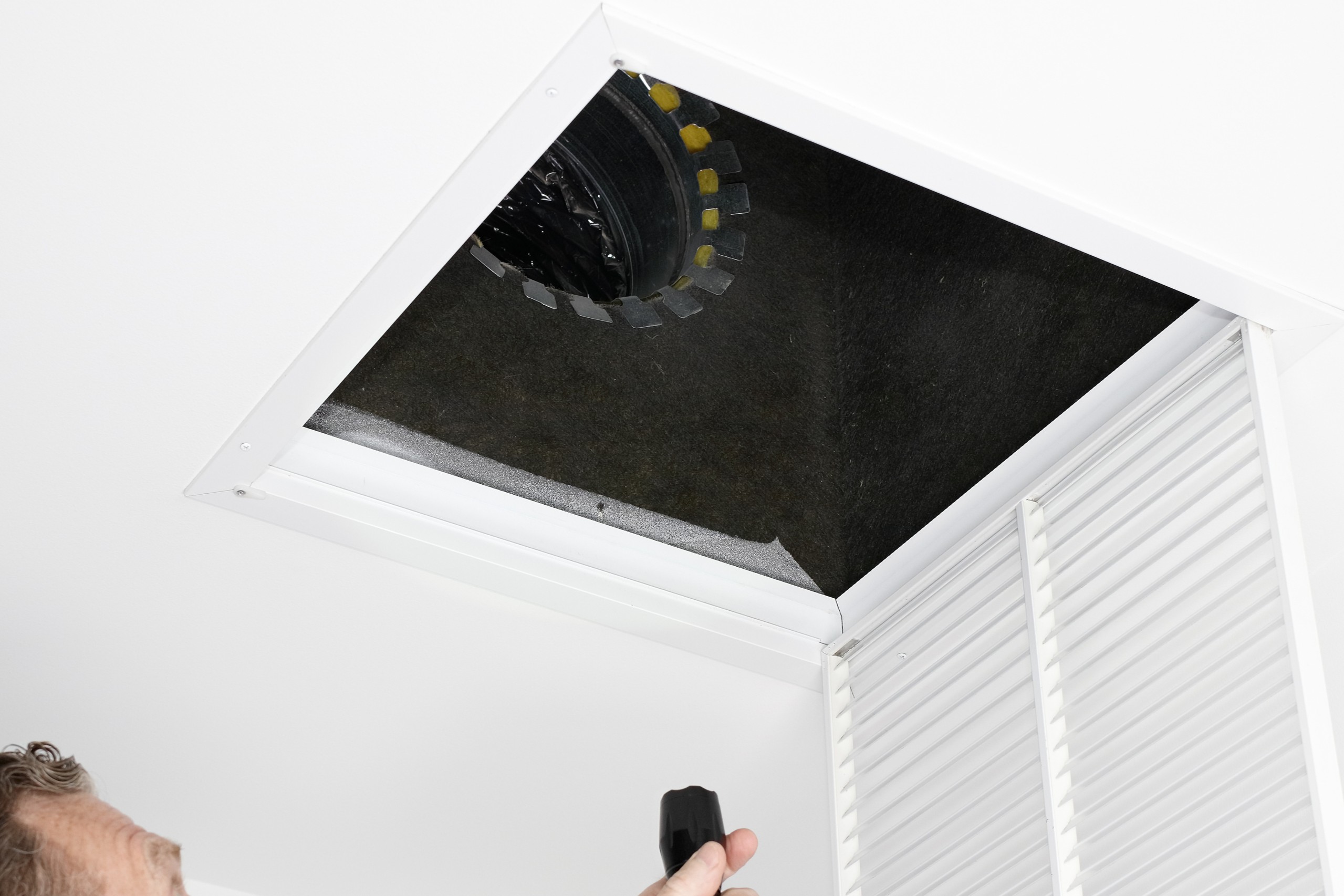
Simple tools like a flashlight, soft brush, and vacuum offer a surprising improvement in throw and spread when used carefully and regularly. If vents still whistle, rattle, or show weak flow after these steps, the issue may sit deeper in the ductwork or at the blower assembly. For properties in Euless, TX and Richardson, a pro inspection can confirm whether duct repairs, damper tuning, or a full duct cleaning is the right next step. When in doubt about safety or if you observe mold, wiring, or major sheet-metal damage, contact a professional to avoid risk.
When To Call A Professional For Vent Service
If you notice persistent weak airflow, strange noises, or dust clouds after performing basic supply vent cleaning, call a professional. A technician will inspect the supply plenum, dampers, and nearby duct branches to identify persistent obstructions or collapsed runs. They use diagnostic tools like an anemometer and static pressure gauge to confirm whether issues extend beyond the visible register. Documented readings help decide if targeted repairs or balancing are required.
Call for service when vent direction adjustments and cleaning do not restore comfortable temperatures in occupied areas. A pro can perform controlled damper adjustments and measure register velocity at multiple locations to create a rebalancing plan. Technicians may also remove the register and inspect the takeoff and first foot of ductwork for hidden debris or sheet-metal deformation. This step verifies whether cleaning alone will correct throw and spread problems.
Contact a technician if you detect whistling, rattling, or vibration that persists only during system calls for heating or cooling. These sounds can indicate loose louvers, misaligned dampers, or a failing blower assembly that a homeowner cannot safely repair. A professional will check the blower motor, capacitor, and airflow across the evaporator coil to rule out upstream causes. They provide written observations and next steps based on measured performance.
Homeowners in Richardson and property managers in Euless, TX should schedule professional vent service when symptoms last after a DIY attempt or when safety concerns appear. If you see mold, major sheet-metal damage, or electrical issues near registers, stop and call a technician. Professionals can offer formal air balancing and record results, helping restore intended throw and spread. Ask for documented readings and recommended repairs before authorizing further work.
How Technicians Measure Vent Throw And Spread
Technicians start by measuring register face velocity with an anemometer to estimate throw potential into the room. They record readings at the center and four corners of the register face for a baseline. Next, they compare velocities between problem rooms and neighboring registers to find imbalances that affect spread. These measurements guide whether damper tuning or duct corrections will improve delivery.
- Measure register face velocity with an anemometer.
- Use a smoke pencil to visualize airflow direction.
- Check static pressure near the supply plenum.
- Record readings for a written balancing plan.
- Inspect the first foot of duct for visible obstructions.
To confirm how far air travels, technicians use a smoke pencil or streamer at seating height and observe where the plume lands. They walk the room while the system runs and note whether supply air reaches the occupied zone or hugs surfaces. If air rides the ceiling or falls short, the recorded plume path helps determine register reorientation or damper adjustments. The technician documents plume footage or notes for the final report.
Measuring static pressure at the supply plenum helps separate local register problems from system-wide restrictions like a dirty coil or clogged filter. A static gauge reading outside expected ranges indicates reduced system flow that limits throw across many rooms. Technicians also inspect the blower motor, evaporator coil, and condensate drain line as part of confirming upstream causes. Those checks prevent misdirecting effort toward register-only fixes when duct or equipment issues exist.
For precise balancing, practitioners perform sequential register tuning while monitoring velocity and static pressure changes after each adjustment. They adjust manual dampers, reorient blades, and re-measure until target velocities appear in key rooms and the system stays within safe static limits. This iterative process provides measurable before-and-after readings to show improvement in throw and spread. Homeowners in Richardson and managers in Euless, TX benefit from documented test results tied to visible comfort changes.
Preventive Maintenance Tips For Better Comfort
Schedule regular inspections of registers and visible plenum areas every six to twelve months to prevent gradual buildup and misalignment. During an inspection, check damper travel, grille mounting screws, and register blade condition to catch small issues early. A professional can add these checks into a seasonal service visit so problems do not compound into wider system restrictions. Routine attention reduces surprise comfort issues during extreme weather changes in Richardson.
Keep supply and return pathways clear by avoiding furniture or curtains that block airflow for extended periods, which forces the system to work harder. Rotate register blade angles occasionally to exercise dampers and detect stiffness before it fails during a call for heating or cooling. Homeowners should also monitor unusual smells or persistent dust accumulation that suggest deeper leaks or insulation problems. If those signs appear, a professional inspection can identify hidden causes and recommend targeted repairs.
Include a check for duct leaks and loose takeoffs during preventive visits because leaks change pressure and reduce effective throw to key rooms. Technicians use visual inspection and simple smoke testing to spot leaks, then advise on sealing methods that restore intended flow paths. For more comprehensive guidance about addressing leaky ductwork and improving delivery, review the company resource on eliminate ductwork leaks. Proper sealing often improves spread and reduces the need for repeated register adjustments in Euless, TX properties.
Keep an eye on filter condition, blower performance, and evaporator coil cleanliness as part of preventive maintenance because upstream restrictions limit what clean vents can deliver. During routine service, technicians record static pressure and blower amps to detect degrading performance before rooms lose comfort. Ask for written notes of register velocities after any adjustment so you can track changes over time and decide when further balancing is needed. These preventive steps preserve throw and spread and extend the life of the HVAC system.
Frequently Asked Questions
How does supply vent cleaning improve airflow and throw?
Cleaning supply vents removes dust and debris that block airflow and reduce the velocity leaving the grille. That higher velocity increases throw, so air reaches the far wall instead of dropping near the vent. Technicians also inspect the supply plenum and adjust louvers to improve spread and direct airflow where occupants need it. If ducts look damaged or contamination is heavy, stop and call a professional because working inside ducts can pose safety and contamination risks.
Can cleaning vents stop one room from staying too cold?
Yes—supply vent cleaning can reduce blockages that limit airflow and help warm air reach a cold room more effectively. In many cases cleaning combined with balancing dampers and adjusting grille direction improves throw and temperature spread. If the room stays cold after those checks, a professional should inspect the blower motor, ductwork, and thermostat settings. If you see mold, heavy debris, or damaged ducts, stop and call a pro because of airflow and health risks.
What signs mean a register needs cleaning or adjustment?
Visible dust buildup, flaking paint, or mold around a register signals it needs supply vent cleaning or attention. Uneven room temperature, weak airflow, or drafts compared with other rooms shows poor throw or blocked spread. Rattling, buzzing, or unusual airflow noises when the system runs indicate loose dampers or an obstructed grille. If you see heavy mold, water stains, or suspect broken dampers, stop and call a professional for a safe inspection and repair.
How do technicians diagnose poor room delivery?
Technicians begin by observing room temperatures, airflow at supply grilles, and occupant complaints to pinpoint poor delivery patterns. They measure temperature difference and static pressure near the supply plenum and return to assess imbalance. A technician inspects the supply vent, grille orientation, damper position, and checks the blower and evaporator coil for restricted airflow. If duct access or repairs are needed, advise professional service because working on ducts or electrical components can present safety hazards.
When should I call a pro after cleaning vents?
If airflow, noise, or uneven temperatures persist after basic supply vent cleaning, call a pro for diagnosis and adjustment. A technician will inspect the supply plenum, damper positions, and blower performance to find causes. If you smell burning, see soot, or notice water near vents, stop the system and call immediately for safety. Professionals can also measure airflow and document results with readings and photos to guide repairs or further cleaning.