

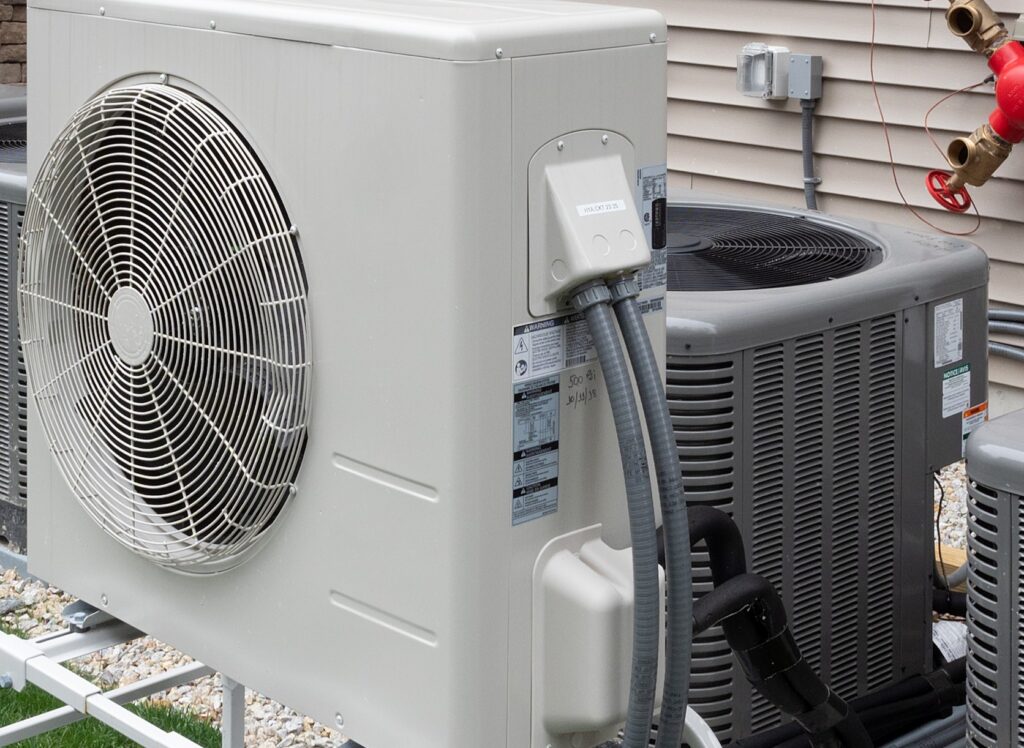
Mini Split Maintenance in Argyle for Reliable Comfort
Key Takeaways About Mini Split Maintenance
Mini split maintenance means routine care that keeps ductless HVAC systems clean and functioning. This guidance is for homeowners and property managers who want steady quiet comfort during heavy use.
- Identify airflow restrictions by noting weak discharge at the grille.
- Prevent coil and fin buildup with regular cleaning and gentle brushing.
- Avoid water damage by keeping the condensate drain clear and flowing.
- Spot refrigerant or leak signs by watching for frost or oil stains.
- Reduce electrical faults by observing unusual smells and tripped breakers.
- Plan annual professional checks to record pressures and blower electrical readings.
Introduction
Mini split maintenance keeps ductless systems steady and quiet by preventing common wear and tear before it becomes a problem. Dust buildup, clogged filters, and weak airflow all reduce comfort and raise the chance of a noisy indoor unit. Homeowners often notice uneven cooling or rattling long before a complete failure shows up. Recognizing these early signs helps protect indoor comfort and prolong system life.
Routine cleaning matters because dirt and debris interfere with heat transfer and fan balance inside the indoor evaporator. A poorly maintained evaporator coil can lead to ice buildup or reduced cooling capacity during hot months. Strange smells and higher humidity in living spaces often point to neglected components. For properties in Argyle, quick attention avoids longer downtime during peak cooling demand.
Filter care affects both air quality and system strain when airflow is limited by a clogged filter. Reduced airflow forces the blower motor to work harder and can create uneven temperatures across rooms. Many homeowners first notice weaker airflow or a humming sound from the indoor unit as the system struggles. These symptoms usually justify a closer look by a trained technician to confirm the cause.
Periodic system checks catch issues that simple visual inspections miss, such as refrigerant leaks or failing electrical connections. A professional will inspect the evaporator coil, condensate drain line, refrigerant line set, blower motor, and thermostat operation during a diagnostic visit. In a common situation, a homeowner reports intermittent cooling and noise and a technician follows with pressure and voltage readings to confirm the fault. If you manage a property in Keller, TX, scheduling regular checks keeps tenants comfortable and helps avoid emergency repairs.
How Mini Split Maintenance Preserves System Efficiency
How mini split maintenance preserves system efficiency means keeping airflow, heat transfer, and controls working as designed. Regular attention stops dirt from insulating the evaporator coil and reduces the chance of ice buildup in cooling mode. Homeowners often ask whether basic upkeep really improves comfort, and the short answer is yes because clean coils and filters restore proper airflow and capacity. A well-maintained system also helps the indoor unit run quieter and reduces surprise breakdowns during heavy use.
- Clean filters improve airflow.
- Clear drain lines prevent water damage.
- Straightened fins aid heat transfer.
- Secure electrical connections reduce failures.
Routine cleaning preserves efficiency by restoring heat exchange surfaces and keeping the blower balanced. When fins and coils collect grime, the system must run longer to reach set temperatures and that increases wear. A homeowner might notice longer run times or uneven room temperatures as the system loses efficiency. These observable cues usually indicate a cleaning and tune-up will help restore proper cycling and comfort.
Filter care directly affects the evaporator coil and blower motor performance over time. Clogged filters reduce airflow, which raises evaporator temperature and can cause frosting or reduced cooling output. Inspecting and replacing or washing filters on a regular schedule keeps the coil clear and the fan from overworking. If you see dust blowing from the unit or smell mildew, check the filter and the condensate drain immediately.
Professional checks confirm efficiency losses by measuring pressures, airflow, and electrical operation with common tools like a pressure gauge and a vacuum-rated manifold gauge set. A technician will record refrigerant pressures, take voltage and amp readings at the blower motor, and inspect the condensate drain for blockages. For properties in Keller, TX a written report helps track recurring issues and planned upkeep. Homeowners can also read about proper cleaning steps in a nearby resource such as mini split cleaning in Haslet for more guidance.
Common Causes Of Mini Split Performance Loss
Airflow restrictions often cause gradual performance loss in ductless units and usually start with subtle signs. You might hear a soft humming or notice weaker discharge at the indoor grille even when the fan runs. A technician inspects the blower motor, fan wheel, and return path to measure airflow and check for obstructions. They may use a simple airflow meter or temperature difference readings to confirm reduced CFM across the coil.
Dirty evaporator coils and bent fins reduce heat transfer and create longer run cycles without immediately obvious failures. Reduced heat transfer shows as longer run times and smaller temperature drops between supply and return air. During a diagnostic visit, a pro will check coil condition, straighten fins, and measure the temperature split to quantify loss. If corrosion or heavy buildup appears, the technician documents findings and recommends cleaning or repair steps.
Refrigerant problems can present as sluggish cooling or frosting on the coil even when the compressor runs steadily. A technician confirms leaks by checking pressure readings on the line set and visually inspecting connection points and joints. For systems paired to outdoor heat pumps, referencing a comparison like ductless mini split system vs heat pump helps homeowners understand component differences that influence diagnosis. Visible oil on connections, low head pressure, or abnormal pressures all point toward a refrigerant service need.
Electrical and control faults also reduce performance and often create intermittent operation or unusual noises from the indoor head. A pro will test thermostat signals, continuity at the contactor, and voltage at the blower motor to isolate the issue. Loose wiring, failing capacitors, or worn fan motors show up in voltage and amp readings during inspection. Homeowners in Argyle or managing properties in Keller, TX should watch for these symptoms and arrange professional diagnostics when simple cleaning does not restore normal operation.
How Refrigerant Issues Happen And When To Act
Low refrigerant often starts with invisible leaks at fittings, brazed joints, or the line set insulation where oil traces appear. Homeowners may notice weaker cooling or frost forming on the evaporator coil during operation. A technician inspects visible joints and the outdoor service valve areas and may use a pressure gauge to compare readings against expected values. If the gauge shows consistently low pressure while the compressor runs, the tech pursues a leak search and repairs before recharge.
Refrigerant issues can also come from slow permeation in older line sets or tiny pinholes caused by corrosion at connection points. Technicians look for oil stains, listen for hissing sounds near service valves, and use electronic leak detectors for confirmation. They will measure both low- and high-side pressures and record temperature splits across the evaporator to diagnose charge level. Written findings help homeowners understand whether a repair, brazing, or line replacement is necessary.
Act promptly when you see recurring frosting, poor temperature control, or the outdoor compressor running unusually long without reaching setpoints. Left unattended, low refrigerant forces the compressor to overwork and risks compressor failure, which is a higher-risk repair. A pro checks the refrigerant charge, verifies the expansion device operation, and inspects the refrigerant line set for damage during a diagnostic visit. For properties in Keller, TX, keeping these checks on the maintenance list reduces emergency calls during peak season.
Confirming a refrigerant leak requires both symptom observation and specific pressure checks during service visits, which separate refrigerant issues from airflow or electrical faults. A technician may evacuate and weigh the refrigerant during service to ensure correct charge, then test repaired joints for leaks before returning the system to service. In a common situation, a homeowner reports intermittent cooling and the tech matches that report to low-pressure readings and visible oil on a flare connection. For information on compatible equipment and installations, see resources about mini split systems in Colleyville.
Routine Filter Care Steps Every Homeowner Can Do
Start with the simplest step: remove and inspect the washable filter every month during active use. Rinse the filter with lukewarm water and let it dry completely before reinstalling. If the filter shows tears or persistent staining, replace it according to the manufacturer’s recommendations. Proper filter care keeps the indoor blower from working harder than necessary.
- Turn off power before removing the filter.
- Vacuum loose dust before washing.
- Use mild soap if heavily soiled.
- Allow full air-dry before reinstalling.
Clean the intake grille and the area around the indoor head to prevent dust re-entry after filter cleaning. Use a soft brush or a damp cloth to wipe visible dust from the grille and chassis. Check the evaporator coil through the grille opening for obvious dirt and report heavy buildup to a technician. Small debris left near the intake can bypass filters and degrade performance.
Inspect the condensate drain path each time you clean the filter to prevent water backup and mildew smells. Look for pooled water or slow drainage from the indoor unit drip tray during operation. A simple flush of the drain with a cup of distilled white vinegar can help dislodge mild clogs and biofilm. If water continues to accumulate, schedule a professional clearing and camera inspection.
Monitor fan and airflow after reassembly to confirm filter and grille work restored normal operation. Listen for new rubbing or scraping noises that might indicate a displaced filter or loose panel. If the unit still runs loudly or has weak discharge, a technician should check the blower motor and capacitor. For homeowners wanting a broader checklist, consult the manufacturer guidance or an air conditioner maintenance checklist for Fort Worth area systems.

Cleaning Indoor And Outdoor Units Safely And Effectively
Begin by cutting power at the disconnect or breaker before any access to the indoor or outdoor components to reduce shock risk. Remove the indoor cover and gently vacuum dust from visible fan blades and the fan housing without contacting the motor. Inspect the evaporator coil for trapped pet hair or debris that a soft brush can dislodge without bending fins. If you see heavy grime or oil buildup on the coil, plan a professional coil cleaning to avoid damage.
For the outdoor condenser, clear leaves and loose debris from around the unit and remove loose pieces from coil surfaces with a soft brush. Straighten a few bent fins carefully using a fin comb only when airflow loss is evident and the fins are accessible. Check refrigerant line insulation for deterioration and make note of any exposed line set that a technician should replace. If you detect oil stains on fittings, do not run the system and contact a pro for leak diagnosis.
Use a spray bottle with a mild coil cleaner and water mixture to spot-clean the indoor coil area if the manufacturer permits and the coil is reachable without disassembly. Avoid high-pressure washing the indoor head to protect electrical components and the blower motor assembly. After cleaning, dry panels and filters fully before restoring power to prevent motor or control board damage. Monitor the unit for abnormal vibrations after reassembly and tighten any loose panels you find.
In a common situation, homeowners report a musty smell after cleaning and a technician checks the condensate drain trap for biofilm and uses a water flow test to confirm clearance. Professionals will also test blower motor voltage and measure airflow across the coil with a simple temperature split to confirm restored performance. If you want step-by-step maintenance items to track and to prepare for a professional visit, consult the HVAC maintenance guide for more detailed procedures and inspection checkpoints. Homeowners in Argyle and property managers in Keller, TX can use these checks to recognize when a situation needs professional attention.
When To Call A Professional For Mini Split Maintenance
If you notice persistent dripping from the indoor tray or water pooling on the floor, stop using the unit and call a professional. These signs often mean the condensate drain or trap has a blockage that chemical flushing cannot clear safely. A technician will inspect the drain with a camera and perform a water flow test to confirm the location of the clog. They will also check for trap damage and restore proper drainage to prevent mold growth.
Unusual electrical symptoms like tripped breakers, flickering displays, or burning smells require immediate professional evaluation to avoid fire risk. An HVAC pro will perform voltage readings at the blower motor and continuity tests on control circuits to isolate faults. Loose connections, failing capacitors, or a damaged control board show up in these electrical measurements and need trained repair. Avoid DIY electrical work and keep the breaker off until a technician arrives.
When airflow remains weak after you clean filters and straighten fins, arrange a service visit because this suggests deeper obstruction or blower motor problems. A technician will measure static pressure and CFM across the evaporator coil to quantify airflow loss and compare readings to manufacturer specifications. They inspect the blower wheel, motor bearings, and ductless return path for obstruction or imbalance. Repair or replacement recommendations follow from those diagnostic readings.
Frequent cycling, loud compressor starts, or outdoor unit running constantly are symptoms that a trained technician should diagnose to protect the compressor. The pro will record refrigerant pressures with a manifold gauge set and measure compressor amp draw to determine if the system is undercharged or mechanically stressed. If they find a leak, the technician locates it and tests repaired joints before restoring charge. For routine scheduling and filter timing, homeowners can reference a recommended filter change schedule while waiting for service.
If you live in Argyle and manage multiple units, call a technician when you observe repeated issues across heads to prevent tenant complaints and larger failures. A pro compiles a written report with pressure readings, airflow measurements, and photographic evidence to track trends. That documentation helps prioritize repairs and plan future maintenance for systems throughout a property in Keller, TX. Schedule a diagnostic visit whenever basic maintenance does not return normal operation.
Preventive Checks To Keep Units Quiet And Reliable
Start each preventive check by observing sounds and vibrations from the indoor head while the unit runs. Note any new rattles, grinding, or higher fan speed that was not present before. A professional can compare these observations to motor amp readings and blower wheel balance during a diagnostic. If the sound indicates bearing wear, a technician can confirm with voltage and current measurements at the blower motor.
- Check refrigerant line insulation for splits or wear.
- Inspect mounting brackets for looseness or corrosion.
- Confirm grille panels sit flush and fasteners are secure.
- Look for oil stains at connections as a leak cue.
Visually inspect the refrigerant line set insulation along accessible runs and note any exposed copper. Exposed or degraded insulation reduces efficiency and may hide condensation issues, so record its condition. A technician will test for proper line temperature and review insulation condition during a service call. For detailed guidance on replacement material, see the advice about refrigerant line insulation.
Check the condensate path again using a short water test from the indoor drip tray to the outdoor drain point. Watch for slow flow, sputtering, or backflow that indicates partial clogging or an improper trap configuration. A professional may use a small camera or compressed air to confirm the blockage location and clear the line safely. Persistent drainage issues often require a technician to inspect the drain trap and slope for correction.
Finally, verify the thermostat and control response by changing setpoints and observing head reaction within a few minutes. Look for delayed starts, incorrect mode changes, or unexplained resets that signal control faults or weak thermostat batteries. A technician will test signal continuity and check the control board for error codes if responses fail. For property managers in Keller, TX this systematic check reduces tenant reports and prevents escalation.
Seasonal Maintenance Checklist For Argyle Homeowners
Start seasonal checks by running the system in both heating and cooling modes to confirm basic operation across seasons. Observe how quickly the indoor head reaches set temperature and note any unusual startup sounds. If the unit takes much longer than expected to change room temperature, record the symptom for technician diagnostics. A professional would use temperature split and voltage readings to confirm the underlying cause during a service visit.
Inspect visible fasteners, wall mounts, and the outdoor pad for signs of movement or settled framing that could stress line sets. Tighten loose screws and brace slightly shifted mounts to reduce vibration transfer into walls and ceilings. If you notice persistent vibration despite tightened hardware, capture audio or video to show a technician for targeted investigation. They can then measure motor amp draw and blower balance to isolate the source of vibration.
Perform a condensate flow test by pouring a small amount of water into the indoor drip tray and watching for steady discharge at the outdoor drain point. Slow or sputtering flow suggests partial blockage or improper trap slope needing professional attention. When homeowners see water backing up or staining near the indoor unit, stop use and schedule a drain inspection. A tech may use a camera and compressed air to locate and clear the obstruction safely.
Check control response by adjusting thermostat settings and noting any delays or error codes on the indoor head display within a few minutes. Replace weak thermostat batteries and reset the controller if messages persist before calling for service. If mode changes do not register or errors return, a professional will test continuity and review control board outputs to confirm failures. Keeping a short log of responses helps the technician diagnose intermittent control faults efficiently.

Frequently Asked Questions
How often should I perform mini split maintenance?
Perform basic mini split maintenance like cleaning filters every 1 to 3 months depending on use and indoor air quality. Have a technician inspect coils, refrigerant lines, and condensate drain annually before heavy cooling season. Check outdoor unit clearances and listen for unusual noises monthly to catch problems early. If you find refrigerant leaks, electrical issues, or water pooling, stop and call a professional right away for safety.
What are the signs of airflow problems in a mini split?
Reduced airflow from the indoor head, uneven room temperatures, and weak cooling or heating suggest an airflow problem.
You may hear a whistling or vibrating sound near the blower or notice excessive dust around the supply grille.
Frost or ice on the evaporator coil and frequent short cycling of the compressor also indicate restricted airflow.
If you suspect these signs, exercise caution around electrical components and contact a professional for a proper inspection and repair.
Can I clean filters and coils myself safely?
Yes, homeowners can clean washable filters and wipe accessible evaporator coils as part of Mini split maintenance to improve airflow and efficiency. Always disconnect power at the indoor unit’s breaker before opening the panel to avoid electrical shock. Avoid deep coil access or refrigerant line work because those tasks carry leak and pressure risks and require a professional. If you notice oil stains, persistent odors, or poor cooling after cleaning, contact a qualified technician for a full inspection.
How does mini split maintenance prevent refrigerant issues?
Mini split maintenance helps spot small refrigerant leaks early by inspecting line sets, fittings, and indoor coil condition during routine checks. Technicians measure system pressures and temperature split to confirm proper refrigerant charge and airflow. Keeping filters and coils clean prevents ice buildup and hidden leaks that degrade refrigerant performance. If a leak or low charge appears, stop operation and call a qualified HVAC pro because refrigerant repair requires certified handling and leak testing.
When should I call a pro for condensate or electrical faults?
Call a pro when you see water pooling under the indoor unit, steady dripping, or repeated condensate-line clogs despite cleaning. If the system trips breakers, shows burning smells, or the disconnect switch sparks, stop use and call an electrician or HVAC technician. Technicians will inspect the condensate drain, trap, float switch, blower motor, capacitor, and wiring to diagnose issues safely. Because electrical faults pose shock and fire risks, avoid further DIY and schedule professional Mini split maintenance promptly.