
Heat Strip Testing to Verify Backup Heat
Key Takeaways About Heat Strip Testing
Heat strip testing checks that electric backup elements turn on and deliver steady auxiliary heat. This information helps homeowners and property managers know when to call a technician before cold weather worsens the problem.
- Identify delays between thermostat call and warm register air.
- Prevent repeated breaker trips by confirming element continuity.
- Avoid safety risks by stopping on burning odors immediately.
- Spot loose terminals and corroded connections at the contactor.
- Reduce false failures by verifying thermostat staging and control signals.
- Plan professional testing when intermittent heat or voltage drop occurs.
Introduction
When outdoor temperatures drop and the heat pump struggles, electric heat strips must engage to keep homes warm. Homeowners often notice uneven warmth or higher-than-normal runtimes when those strips do not work correctly. That problem matters because failing auxiliary heat can leave living spaces uncomfortable and can stress the heating system. In some cases the issue shows up as a clicking sound or an unexpected rise in indoor cold spots.
Electric heat strips are an emergency and supplemental heat source inside the air handler or furnace cabinet. If they fail to come on, a thermostat may call for heat but the system stays in low-capacity mode. This leads to longer cycles and poor recovery after a door opens or a cold night. For properties in Saginaw, TX these symptoms become obvious during brief cold snaps when heat pumps switch modes.
Testing and verifying those heat strips confirms not just that they turn on but that they deliver stable, sustained heat. A bad contactor, a tripped breaker, or a poor electrical connection can allow intermittent operation. Homeowners might detect a faint burning smell or a breaker that trips soon after the strips energize. Those clues signal the need for a professional check before a prolonged cold period.
Technicians use targeted checks to separate thermostat and control faults from true heating element failure. They will look at electrical feed, continuity, and how the system responds when the thermostat calls for auxiliary heat. For example, a homeowner may report warm air at registers but falling temperature over time, prompting a closer electrical and airflow inspection. In Hurst that pattern often shows up on older systems that have not had routine inspections.
How Electric Heat Strips Work And Why It Happens
How electric heat strips work: they are resistive heating elements that add auxiliary heat when a heat pump can’t meet demand. The strips sit inside the air handler and heat air directly as the blower runs. A thermostat or control board sends a signal to a contactor or relay to energize the strips. Homeowners often ask whether the strips should feel hot at the cabinet, a clear answer is that registers should warm within a few minutes when they work properly.
- Heat strips are resistive coils that produce heat when current flows.
- A contactor or relay switches high-voltage power to the strips.
- The blower must run to move warmed air through ducts.
- Thermostat logic determines when auxiliary heat is needed.
- Safety limits and fuses protect against overheating.
Electric heat strips engage because the control board sees a call for auxiliary heat or the thermostat requests emergency heat. The control path includes the thermostat, low-voltage wiring, a relay or contactor, and the high-voltage feed. If any link in that path fails, the strips may not energize or may drop out intermittently. A common homeowner question is whether a tripped breaker can stop heat strips, yes, a tripped breaker or blown fuse will interrupt the high-voltage feed and prevent heating.
Heat strip elements produce stable auxiliary heat when they receive full-rated voltage and have good electrical connections. Weak connections or undersized wire cause voltage drop, reducing heat output and stressing components. Technicians confirm voltage at the contactor and continuity of each element to verify proper performance. Observing steady warm airflow at the registers during a sustained call for heat indicates the strips are providing stable auxiliary heating.
A professional diagnosis looks at control signals, voltage, and safety devices to determine why strips engage or fail to engage. They will inspect the contactor, measure line voltage at the elements, and test each strip for continuity and proper resistance. For an example of these diagnostic steps and how technicians document results, see the detailed heat strip diagnostics reference technicians use. In Hurst and Saginaw, TX properties a careful check of wiring and control responses prevents missed or intermittent auxiliary heat during sudden cold periods.
Heat Strip Testing Procedures Homeowners Can Observe
Begin by watching how the system responds when the thermostat calls for auxiliary heat. Note the time between the call and when warm air appears at the nearest register, a delay longer than a few minutes suggests a control or sequencing issue. Also listen for the contactor click and observe whether the blower runs continuously during the call for heat. If the blower stops while the thermostat still calls for auxiliary heat, that indicates a control wiring mismatch or a safety limit fault.
Next, check visible electrical connections at the air handler for signs of overheating or looseness without opening energized panels. Look for discolored wires, melted insulation, or a smell of ozone near terminals, then shut power before further inspection. A homeowner can safely verify the outdoor disconnect or indoor breaker position remains set when the system tries to energize. If a breaker trips each time the strips try to engage, that symptom points toward a shorted element or overloaded circuit.
Measure airflow and register temperatures during a sustained call for auxiliary heat to confirm stable output. Use a digital thermometer placed at a supply register and note the change from ambient over several minutes, steady temperature rise indicates functioning strips. If the temperature spikes then falls while the call continues, that pattern suggests intermittent element operation or a failing contactor. Homeowners in Hurst can report these measured patterns to a technician to speed diagnosis and repair.
Record observable control behavior to help a technician diagnose issues more quickly and accurately. Note whether the thermostat shows “aux” or “emergency” and whether the system cycles rapidly or maintains continuous operation. Photographs of the control board display, a short video of the contactor clicking, and written timing of when warm air appears are useful. For a formal inspection that verifies auxiliary heat performance and documents findings, consider scheduling an aux heat inspection before the next cold snap in Saginaw, TX.
Common Causes Of Heat Strip Failure And Diagnostics
Faulty contactors and relays are common mechanical failure points that stop heat strips from receiving power. Technicians look for pitted or welded contact points and test coil voltage to confirm proper operation. A contactor that clicks but drops out under load often shows increased resistance or weak coil performance. That diagnosis separates a control signal issue from a power-delivery failure that needs replacement.
Open or shorted heating elements also cause failure and repeated breaker trips during a call for auxiliary heat. A technician measures element continuity and compares resistance to expected values to spot shorts or breaks. Visual inspection can reveal burned insulation or hotspots on the element housing that indicate imminent failure. When an element shows inconsistent readings across sections, replacement is typically recommended to avoid partial heating and overloads.
Poor electrical connections and undersized wiring create voltage drop that reduces heat output and stresses the circuit during sustained operation. Professionals check terminal tightness, conductor size, and voltage at the contactor while the strips are energized to capture live-load conditions. Loose lugs or corroded terminals often produce intermittent heating as connections heat and cool under current. Corrective work includes retorquing connections, repairing damaged conductors, and confirming breaker and fuse ratings match the equipment.
Control and sequencing faults can prevent strips from engaging even when the thermostat calls for backup heat, especially with lockout or staging settings that delay auxiliary heat. A technician will review thermostat configuration and the control board logic, and may reference the auxiliary heat lockout settings to verify allowable conditions for strip engagement. Incorrect dip switches, wiring errors at the thermostat, or failed low-voltage relays can all create what looks like element failure. For homeowners in Hurst, documenting when the strips do or do not come on during different outdoor temperatures helps isolate a sequencing or lockout problem.
Warning Signs Your Backup Heat Is Not Engaging
Cold rooms that never recover after the system cycles often mean the strips never sustain heat when called. Listen for a single steady click at call, not rapid clicking or repeated chatter, which can indicate a failing contactor. A breaker that trips only when auxiliary heat engages signals a short or overloaded circuit needing inspection. Smells of burning that appear right when auxiliary heat should run are a safety sign to stop the system and call a professional.
- Registers stay cool despite blower operation.
- Blower runs but temperature does not rise.
- Breaker trips on auxiliary heat call.
- Rapid cycling when thermostat displays aux.
- Burning odor timed with heat engagement.
Another warning is when the thermostat shows “aux” or “emergency” but the system does not reach setpoint on a sustained call. If warm air appears briefly then falls while the call continues, intermittent element contact or a weak connection is likely. Measure register temperature change over five minutes to see whether heat output holds steady or drops. Homeowners in Hurst can note timing and smell cues to report to a technician.
Visible signs at the air handler can warn of failure before complete loss of heat strips performance. Look for discolored terminal screws, melted insulation, or loose wiring at accessible panels only after power is off. If the contactor energizes visually but heat output is erratic, a technician will check voltage under load and element continuity during diagnosis. For systems with staging settings, review thermostat programming because staging errors can mimic a failed heat strip, see thermostat staging and comfort transitions guidance for more detail.

When To Call A Professional For Heat Strip Testing
If you notice repeated breaker trips when auxiliary heat is supposed to run, call a professional for heat strip testing promptly. A technician can safely open panels, shut power, and measure element continuity and resistance under controlled conditions. They will also inspect the contactor coil and high-voltage wiring for signs of overheating or looseness before restoring power. Leaving repeated trips unresolved risks damage to the air handler and to household electrical circuits.
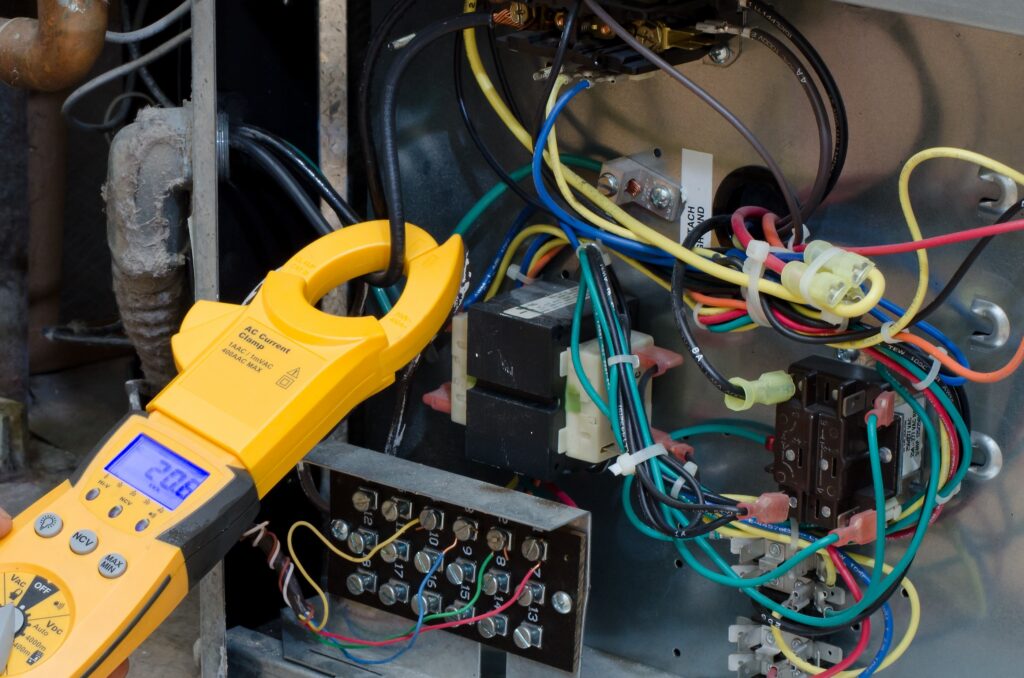
Call for service when you hear the contactor click but registers stay only slightly warm for an extended call for heat. A trained technician will capture live voltage at the contactor while the strips are commanded on to confirm full-rated supply under load. They use a clamp meter and voltage tester to spot voltage drop that homeowners cannot measure safely. The technician also checks the blower motor and airflow to ensure warmed air actually reaches living spaces.
If you detect a persistent burning or metallic odor linked to auxiliary heat engagement, stop using the backup mode and schedule a professional check. That smell can indicate failing insulation, overheated terminals, or an element beginning to short, all of which need immediate attention. A technician will examine terminals, replace damaged wiring, and verify safety limits operate correctly before returning the system to service. For issues tied to thermostat control wiring, review of common and auxiliary wiring may follow using resources like the thermostat C-wire explained guide to confirm correct low-voltage signals.
Professional testing is recommended when intermittent heating occurs only at certain outdoor temperatures or after rapid cycling between modes. A service technician evaluates thermostat staging and lockout logic, then records system response during controlled calls for auxiliary heat to reproduce the fault. They document readings and provide clear next steps, whether that means tightening terminals, replacing a contactor, or swapping elements. Homeowners in Hurst and those managing properties in Saginaw, TX benefit from this documented diagnosis before winter weather returns.
What Technicians Check During Heat Strip Inspection
Technicians begin by verifying the low-voltage control signal from the thermostat to confirm auxiliary heat is being commanded. They check the control board terminals and measure the voltage on the R, W, and AUX/emergency terminals while the call for heat is active. This step separates thermostat wiring faults from issues inside the air handler. A clear control signal tells the technician to move on to power-side checks.
Next they inspect the contactor and coil operation under load, observing whether contacts weld, chatter, or open cleanly when energized. While the system runs, they measure line voltage at the contactor terminals and across each heat element to capture live-load conditions. These voltage readings show if conductor size, loose lugs, or panel supply problems cause voltage drop. The technician records the readings for comparison and reporting.
Technicians then test each heating element for continuity and expected resistance using a handheld meter after safely de-energizing the circuit. They look for inconsistent readings between elements, which indicate partial shorts or internal breaks that cause intermittent heat output. Visual inspection of element housings and terminal insulation follows to spot burn marks or overheating. If elements show unstable resistance, replacement is usually recommended to prevent future breaker trips.
For example, a homeowner reports warm air that fades after several minutes. In that case a technician watches the contactor while measuring voltage drop and element resistance during a controlled call for heat. They also check the blower motor and supply register temperature to confirm airflow carries heat into living spaces. That sequence helps pinpoint whether the issue is electrical, airflow-related, or sequencing based.
Finally, the technician inspects safety devices and wiring integrity, including fuses, circuit breakers, grounding, and terminal torque at the air handler. They test limit switches and any inline thermal cutouts to ensure the system will shut down safely if an overheat condition occurs. The process includes a written checklist similar to a heat pump service checklist used to document findings and recommended repairs. Homeowners in Hurst and those managing systems in Saginaw, TX receive the inspection report to guide any necessary follow-up work.
Simple Troubleshooting Steps To Restore Backup Heat
Start by turning off power at the air handler and breaker before any inspection that requires opening panels or touching terminals. After power is off, check terminal screws and wiring for looseness or corrosion and tighten to proper torque if needed. Restore power only after panels are closed and you are ready to observe system response during a controlled auxiliary heat call. If any wiring insulation looks damaged or overheated, leave the system off and contact a professional for repair.
- Reset the indoor breaker and observe whether the contactor clicks.
- Switch thermostat to emergency heat and watch register temperature.
- Check that the blower runs continuously during an aux heat call.
- Look for tripped breakers after a short run of auxiliary heat.
- Note any unusual smells or smoke when strips energize.
If the contactor clicks but heat output remains low, try cycling the thermostat between stages to force a fresh control signal. Watch register temperature with a handheld thermometer for several minutes to see if output stabilizes after the forced call. If breaker trips immediately after attempting a restart, that symptom suggests a shorted element or failed insulation needing professional testing. Do not repeatedly reset breakers as that can worsen damage or create a fire hazard.
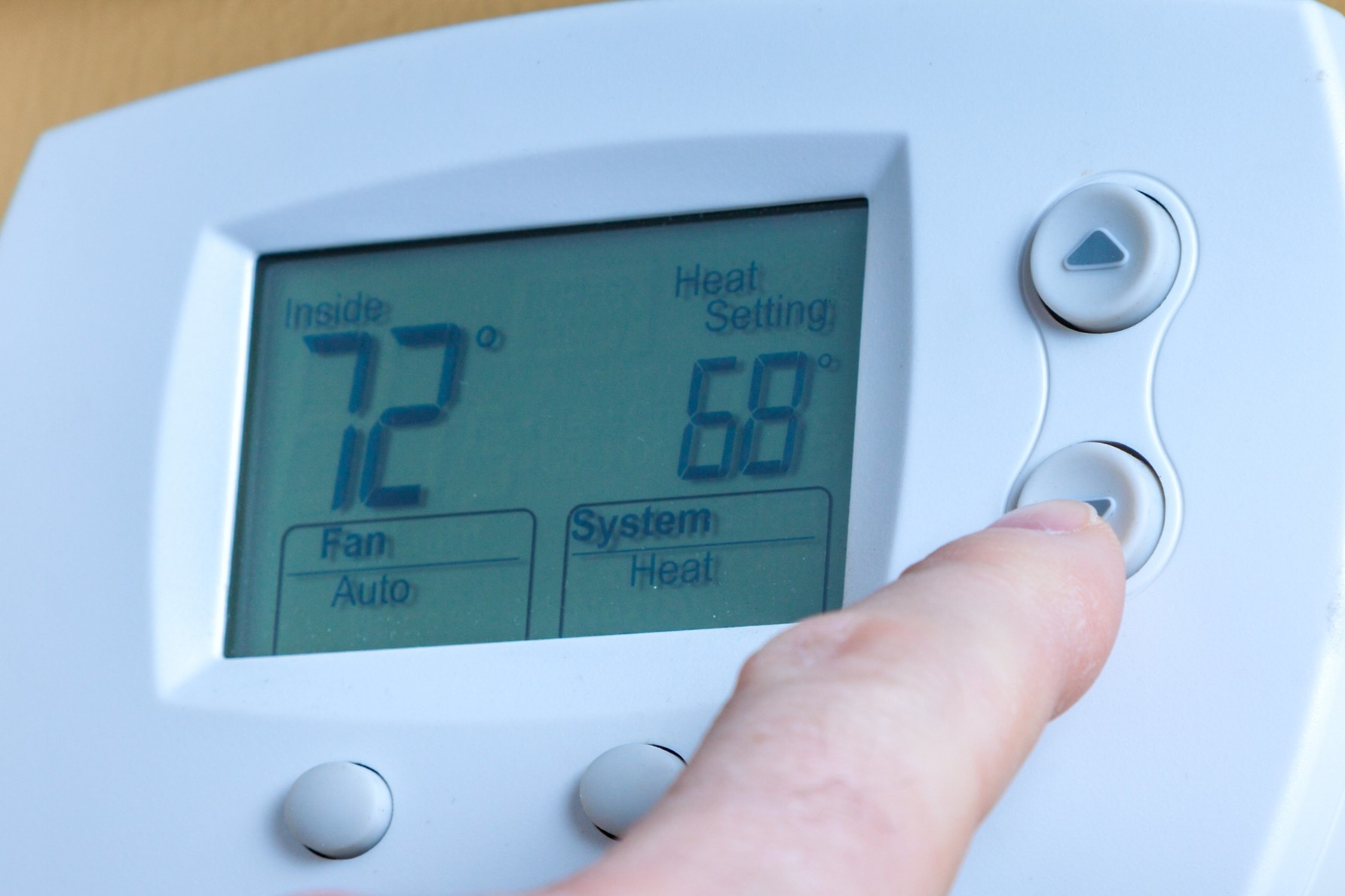
When a system uses staging or lockout logic, confirm thermostat settings match the manufacturer recommendations and that the auxiliary heat mode is enabled. Some thermostats delay auxiliary strips until a temperature differential or time threshold passes, so temporarily selecting emergency heat isolates sequencing from hardware faults. If auxiliary heat engages reliably in emergency mode, the issue likely sits in thermostat programming rather than the elements themselves. Share these observations with a technician to speed troubleshooting in Saginaw, TX.
If troubleshooting at the air handler does not restore stable auxiliary heat, capture simple evidence for the technician such as photos of the contactor area, a short video of the contactor during a call, and recorded register temperatures over five minutes. Also note whether the reversing valve cycled as expected during heat pump mode transitions and mention any odd behavior you saw, a helpful reference is the manufacturer guide on the reversing valve for heat pump operation. For homes in Hurst avoid further attempts to run the strips when you smell burning and call a professional to perform live-load voltage checks and element continuity testing.
Preventive Maintenance To Ensure Stable Auxiliary Heating
Schedule regular preventive maintenance visits to inspect the electrical connections, contactor operation, and element condition under controlled conditions. A technician will torque terminals, clean contact surfaces, and verify that thermal cutouts and fuses function properly during an energized test. These proactive checks reduce the chance of intermittent losses during cold snaps and help preserve stable auxiliary heat output. Homeowners with older units should request element resistance readings be recorded for trend tracking over time.
Maintain proper airflow by changing filters and clearing return and supply grilles so heated air from strips moves efficiently through ducts. Poor airflow raises element temperatures and can trigger safety limits, causing the strips to cycle off unexpectedly. Ask the technician to inspect the blower motor, capacitor, and belt condition during seasonal service to ensure continuous blower operation during aux heat calls. Consistent blower performance supports steady register temperatures when strips are commanded on.
Confirm thermostat settings and staging logic during a preventive visit so the control sequence does not rely on emergency modes unnecessarily. The technician can adjust lockout thresholds and verify the thermostat’s AUX/emergency wiring for correct responses during staged calls. Incorporating a brief controlled aux heat call during service lets the technician monitor voltage under load and observe contactor stability in real time. This avoids surprises when outdoor temperatures change quickly in Hurst.
Keep the outdoor unit and indoor air handler area free of debris, stored items, and dust that could affect component cooling and safety devices. During maintenance ask for an inspection of the breaker and panel feeding the heat strips to ensure proper breaker sizing and secure connections. Technicians often recommend documenting findings and test readings so future visits compare performance and spot gradual deterioration. For guidance on system behaviors to avoid during seasonal transitions, review common defrosting mistakes noted in professional HVAC resources like the heat pump defrost mistakes to avoid article.
Frequently Asked Questions
How does heat strip testing confirm auxiliary heat engagement?
Heat strip testing confirms auxiliary heat engagement by forcing the system into backup mode and observing heat strip current draw. A technician checks voltage at the contactor and measures amperage on the strip circuits to confirm proper power flow. They also verify thermostat call signals, blower operation, and consistent outlet air temperature rise. For safety, avoid live-panel work yourself and hire a pro if you lack training or proper test equipment.
What signs show a heat strip is not providing stable heat?
Uneven room temperatures or zones that never reach setpoint suggest the heat strips are not providing stable heat. You may hear clicking, buzzing, or repeated cycling as the strips try to engage then drop out. Visible tripped breakers, scorch marks at the access panel, or a burnt smell indicate electrical or contactor problems and pose safety risks, so shut down the unit and call a professional. During Heat strip testing a technician will check voltage, element continuity, and thermostat signal to confirm the fault.
How do technicians diagnose electrical faults during testing?
Technicians begin by visually inspecting the heat strip, contactor, and wiring for burns, loose connections, or melted insulation. They measure line and control voltages with a multimeter while cycling the thermostat to confirm proper voltage reaches each strip. Technicians perform continuity and resistance tests on heating elements and check the breaker and fuses for proper operation. Because electrical testing involves shock risk, homeowners should hire a qualified technician to perform heat strip testing and any repairs.
Can a thermostat or staging issue mimic failed heat strips?
Yes, thermostat wiring or staging settings can mimic failed heat strips by preventing correct call-for-heat signals from reaching the unit. Incorrect staging can keep the system in compressor-only mode while auxiliary electric heat never receives a command. During Heat strip testing a technician will check thermostat configuration, terminal wiring, and observe relay or contactor responses. If electrical or control faults appear, stop attempts and call a professional because live-voltage work poses safety risks.
When should I call a pro after heat strip testing shows problems?
If Heat strip testing reveals failed elements, tripped breakers, or inconsistent amperage readings, call a pro promptly. If you notice burning smells, smoke, or hot panel covers, shut the system off and contact a technician immediately because of fire risk. If the thermostat refuses to switch to auxiliary heat or the system cycles rapidly without sustained warmth, schedule service to diagnose controls and contactors. A professional will inspect elements, measure voltage and continuity, and correct unsafe wiring or failed components.