

Compressor Short Cycling Causes and Solutions
Key Takeaways About Compressor Short Cycling
Compressor short cycling is when an air conditioner compressor turns on and off too quickly causing stress and reduced cooling. This summary is for homeowners and property managers to know when to act and what professionals will check during diagnosis.
- Identify electrical faults by checking breakers wiring and contactor operation.
- Prevent refrigerant restrictions with regular filter and line inspections.
- Avoid airflow problems by keeping coils clean and filters changed regularly.
- Spot thermostat issues by comparing sensor readings near the return grille.
- Reduce risk by documenting sounds smells and run times for the technician.
- Plan service when short runs or breaker trips repeat despite basic checks.
Introduction
Compressor short cycling is when an air conditioning compressor turns on and off too frequently. That rapid cycling reduces comfort and shortens equipment life. Homeowners often notice warm rooms, frequent clicking, or higher electric use. Ignoring these signs can lead to a full compressor failure and longer downtime.
Several common triggers cause rapid cycling, including electrical faults, refrigerant problems, and airflow restrictions. A failing capacitor or contactor can create intermittent starts and stops that stress the compressor. Low refrigerant charge or a restriction in the refrigerant line will also force short run times. Blocked return grilles or a dirty evaporator coil reduce airflow and trigger the safety controls.
Professional diagnosis focuses on measurable symptoms and controlled tests to confirm compressor short cycling. A technician inspects the thermostat settings and wiring, then records runtime and voltage readings at the contactor and compressor. They check refrigerant pressures with gauges and assess the evaporator coil and filter for airflow problems. Photos, notes, and test readings help form a clear repair plan.
Homeowners in Southlake and property managers in Watauga, TX see how quickly small issues escalate into larger failures. When cycling is frequent, the compressor runs inefficiently and the system reaches unsafe operating conditions. Calling a trained HVAC technician reduces the risk of a costly replacement and restores reliable cooling. Prompt attention keeps your system running longer and your indoor comfort consistent.
How Compressor Short Cycling Happens Mechanically
How compressor short cycling happens mechanically means the compressor starts and stops too quickly due to internal or system forces. Rapid on-off cycles occur when pressure, temperature, or electrical conditions push protective controls to interrupt operation. Homeowners often ask whether short runs harm the compressor, and the answer is yes because repeated starts increase mechanical stress and heat. A clear homeowner question answered: frequent clicking and runs under five minutes usually indicate a mechanical or system-level trigger.
- Pressure imbalance between high and low sides.
- Liquid slugging into the compressor.
- Internal motor winding issues.
- Tripped thermal or overload protection.
- Intermittent electrical supply or contactor failure.
A common mechanical pathway begins with abnormal refrigerant pressure that forces rapid cycling through pressure switches or temperature rise. Low refrigerant can cause the evaporator to frost, then rapidly warm, creating fluctuating pressures that cycle the compressor. Conversely, restrictions cause high head pressure that trips overloads and stops the compressor prematurely. Professionals confirm this by measuring suction and discharge pressures with gauges during a run.
Electrical and motor stresses also create short cycling mechanically by changing how the compressor draws current during startup and run. A failing start capacitor or weak winding increases inrush current, which trips overload protectors and ends the run early. Technicians may use voltage readings and an insulation test like a megohm test of compressor windings to rule out insulation breakdown. In a common situation, a homeowner hears rapid clicks, and a tech then checks contactor continuity and winding resistance.
Mechanical checks include watching run-down time, feeling line temperatures, and observing whether the compressor cycles when airflow or thermostat demands change. Wear inside the compressor can cause erratic internal valve action that changes pressure and trips safety devices. For properties in Southlake and equipment at sites in Watauga, TX, these mechanical checks help decide whether repair, winding tests, or replacement is appropriate. If you suspect short cycling, a professional diagnosis reduces the chance of emergency failure and confirms the mechanical cause.
Common Refrigeration And Airflow Causes
Refrigerant restrictions often hide in plain sight and force the compressor into short, repeated cycles when pressures swing quickly. A common culprit is a clogged or partially closed service valve that raises head pressure and trips safety controls. Technicians trace this by watching pressure gauge readings during startup and noting rapid pressure rises or drops that match the short runs. They may then inspect the liquid line and filter drier for signs of contamination or moisture that would restrict flow.
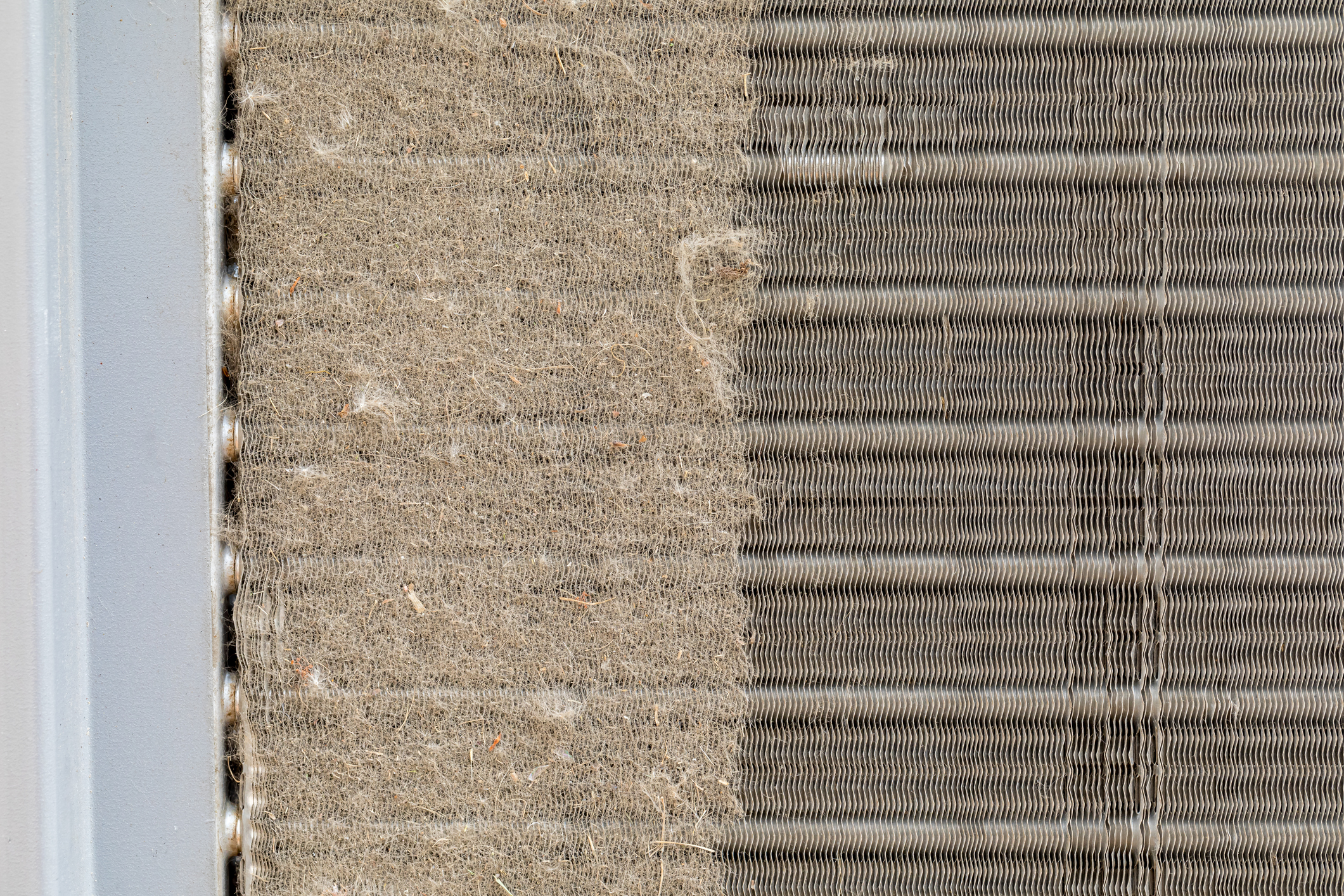
Airflow problems on the evaporator side can also create conditions that prompt the compressor to cycle rapidly since reduced airflow changes evaporation rates and refrigerant return. Dirty evaporator coils or collapsed ducts lower heat transfer, causing the system to reach control thresholds faster than normal. Pros measure static pressure across the coil and compare suction temperatures to expected values to confirm airflow loss. If a coil is heavily fouled, cleaning and restoring proper airflow often stops the short cycling.
Reversing valve or metering device faults can act like a moving restriction and cause fluctuating suction pressure that forces recovery cycles. A malfunctioning TXV or metering orifice that sticks intermittently will change superheat and prompt the compressor to stop. To diagnose this, a technician records subcooling and superheat during a run and watches for unstable readings that track the cycling pattern. When a valve or metering device shows inconsistent behavior, targeted repair or replacement corrects the refrigerant control.
Electrical or terminal issues at the compressor can aggravate refrigeration-related short cycling by creating poor connections that heat and open under load. A professional inspects contact points and motor terminals visually and may perform a tightness and continuity check, then follow safety protocols for any terminal repairs. For more complex terminal work, a specialist might recommend compressor terminal repair to secure reliable connections and prevent repeat cycles. Homeowners in Southlake and managers in Watauga, TX can expect technicians to document pressure and airflow readings before and after repairs to confirm the issue resolved.
Electrical And Control System Failure Causes
Control boards, relays, and contactors can fail in ways that produce rapid on-off cycles and stress the compressor repeatedly. A technician inspects the control board for burned traces, loose connectors, and swollen capacitors while observing whether the relay outputs match thermostat demands. They will also check line voltage with a meter to confirm steady supply during a trial run and watch for voltage dips that coincide with stopping. Photographs and voltage readings document intermittent faults for later repair decisions.
Thermostat wiring faults and shorted control circuits can mimic compressor short cycling by sending false start or stop commands. Professionals trace wiring from the thermostat to the air handler, test continuity, and use a meter to simulate thermostat signals while watching the compressor response. They also examine the contactor coil for proper pull-in and holding voltage, since weak coil voltage causes chatter and short runs. Testing the control transformer output helps identify secondary circuit issues causing intermittent commands.
Start components that fail intermittently will produce behavior similar to compressor short cycling, with short noisy attempts to start that stop quickly. A technician will test the start capacitor and relay under load conditions and observe amperage during a startup attempt to confirm inadequate starting torque. For systems showing hard-start symptoms, the tech may use a hard-start capacitor diagnostic and note whether adding starting assistance stops the rapid cycling. Proper documentation of amperage and start behavior supports targeted replacement of weak components.
High-limit and pressure safety switches sometimes open prematurely because of wiring corrosion, bad contacts, or calibration drift, creating short runs that protect the compressor. Pros inspect switch terminals, measure resistance across the switch while operating, and check the physical mounting and sensor connections for heat or vibration damage. They may also compare safety switch behavior to system pressures and temperatures to confirm correct operation under load. In one homeowner example, visible corrosion on a limit switch terminal matched recorded open readings during short cycles, guiding the repair.
Thermostat And Sizing Issues Causing Rapid Cycling
Incorrect thermostat placement or calibration can make systems cycle too quickly by misreading room temperature. A technician checks thermostat location, battery condition, and sensor calibration during diagnosis. They will temporarily use a temperature sensor near the return grille to compare readings. If the thermostat reads several degrees off, it may call for short, repeated runs.
- Thermostat placed near a heat source.
- Loose thermostat wiring causing intermittent signals.
- Programmable settings that short-cycle with frequent setpoint changes.
- Incorrect system type set in the thermostat.
Another common issue is an oversized or undersized unit relative to the home, which affects cycle length. Pros evaluate capacity by checking runtime and matching it to calculated load for the space. They inspect duct sizing, supply airflow, and overall runtime patterns during a diagnostic visit. Evidence of short, frequent runs combined with large cooling capacity often points to sizing mismatch.
Technicians confirm thermostat or sizing problems by running controlled tests and recording results with tools like a thermostat calibrator and an airflow meter. They may simulate steady demand while logging temperature drift, supply and return temperatures, and compressor run-time. For example, a homeowner reports cool air near vents but warm rooms, the tech checks thermostat location, airflow, and capacity before recommending adjustments. Homeowners in Southlake and managers in Watauga, TX should expect a written report that ties observed symptoms to thermostat or sizing findings.
Warning Signs Homeowners Should Watch For
Listen for rapid clicking or brief humming that stops suddenly, as those sounds often precede a full stop and repeat. Smells like burning plastic or hot electrical insulation near the air handler suggest electrical stress that needs immediate attention. Notice whether short cycles happen at the same time each day, which can indicate an intermittent control or scheduled thermostat event. If room temperatures swing quickly between cold and warm during these cycles, record the times to share with a technician.
Watch the outdoor unit for unusually short fan or compressor runs that last only a few minutes before shutting down. Visible oil stains or wet spots near refrigeration fittings can point to a refrigerant leak that destabilizes pressures and triggers short runs. Also check the air handler area for rattles or loose panels that appear when the compressor starts, since vibration can loosen terminals or sensors. Take a clear photo of any visible corrosion or damaged wiring to show the service technician.
Pay attention to recurring tripped breakers or a breaker that feels warm to the touch after cycling, since electrical overloads often accompany rapid on-off behavior. When the system restarts, observe whether the compressor struggles or the blower motor runs without cooling, which helps separate airflow issues from electrical faults. Replace a visibly dirty filter and then note if short cycling frequency changes, as this simple check is useful to report during diagnosis. In some homes, intermittent thermostat display errors or blank screens accompany unexpected cycling and point to control problems.
For homeowners in Southlake and property managers in Watauga, TX, document the pattern and environmental cues before calling a technician to aid faster diagnosis. A professional will want your observations about sounds, smells, and visible damage to pair with measurements during the visit. If you notice a weak hissing or capacitor-like clicking at startup, review information about faulty capacitors since those often show early warning signs before failure. When medium-risk signs appear, contact a qualified HVAC technician rather than attempting electrical work yourself.
Diagnostic Steps Professionals Perform On Site
A technician begins by observing runtime behavior while the system is under normal thermostat demand, recording exact on and off intervals to match symptoms. They note ambient and return air temperatures to check whether the compressor stops before reaching setpoint. The tech inspects visible wiring and terminal connections for heat discoloration or looseness that may open under load. Photographs and written readings form the baseline for further tests the pro will perform.
Next, the pro performs electrical checks using a meter to measure line voltage and compressor current during startup and steady run. They test the contactor coil voltage and read compressor run and start amps to identify abnormal draw patterns. A capacitor and relay test under load helps reveal weak start assistance that causes brief attempted runs. If they find voltage sag or high amperage, they trace the supply and breaker for intermittent faults.
The technician also isolates refrigeration conditions by attaching gauges and watching suction and discharge pressures through a controlled run to detect unstable readings. They compare live pressures and temperature measurements to expected values while the compressor cycles to find restrictions or charge issues. If pressures suggest a low-charge pattern, the pro inspects for leaks and may reference testing for low refrigerant levels as part of the process. Observing pressures over multiple cycles confirms whether the refrigeration loop causes the interruption.
Airflow and control checks follow, where a technician measures static pressure across the coil and inspects the evaporator coil and filter condition visually and with simple tools. They temporarily force a steady run by bypassing non-destructive controls to see if cycling persists, which helps separate control faults from physical system limits. The tech also tests thermostat output signals and continuity of control wiring while monitoring compressor response. All findings are documented and used to recommend targeted repairs or replacements.
When To Call A Professional For Compressor Short Cycling
If the system cycles so quickly that it trips breakers or produces burning smells, contact a professional right away for safety reasons. Do not open electrical panels or attempt compressor repairs yourself, since live wiring and refrigerant hazards exist. A trained technician will shut power and secure the system before testing to prevent further damage. Prompt action reduces the chance of permanent compressor failure and hidden system damage.
- Unusual burning odors around the air handler
- Frequent breaker trips when the unit starts
- Runs shorter than five minutes repeatedly
- Visible oil or frost near refrigeration fittings
Call a pro when short cycling continues after replacing obvious items like a dirty filter or weak thermostat batteries. Professionals can perform load and voltage tests that homeowners cannot safely complete, confirming whether electrical supply issues cause the cycling. They will also inspect the contactor, capacitor, and compressor terminals under load to identify intermittent faults. Documented readings help the technician decide if component replacement is necessary.
If compressor short cycling happens intermittently or only at certain temperatures, schedule a diagnostic visit to capture the pattern accurately and avoid misdiagnosis. Technicians may ask you to note times and conditions when cycling occurs to reproduce the issue during their visit. They will also check for evaporator coil icing and related airflow problems that can cause cycling, using detailed inspection and test runs. For resources on coil-related causes, a technician might reference guidance about evaporator coil freeze causes and fixes.
Homeowners in Southlake and property managers in Watauga, TX should call a qualified HVAC technician if cycling recurs after simple checks or if medium-risk signs appear. A professional provides written diagnostics, safety testing, and measured results that inform repair decisions and prevent repeat failures. Scheduling an inspection lets the technician plan appropriate tests and bring correct replacement parts if needed. Rely on their testing to restore safe, normal compressor operation.
Solutions And Repairs To Restore Normal Operation
Technicians begin repairs by addressing the single most likely failed component using measured evidence from diagnostics. They replace or tighten electrical connections at the contactor and terminal block after recording continuity and voltage readings. A failed start or run capacitor that shows low microfarad readings gets replaced and then the compressor is observed during a controlled restart. This focused approach reduces repeat work and isolates the repaired item quickly.
If refrigerant issues caused the interruption, the pro performs leak detection and then repairs the leak before recharging to proper pressure. They use gauges and temperature measurements to set correct superheat and subcooling values and confirm stable pressures during longer run cycles. A restricted metering device is replaced with the correct part and the system is evacuated to remove moisture and contaminants before recharge. Proper refrigerant handling prevents further pressure-related short cycling.
When airflow limitations play a role, a technician cleans the evaporator coil and inspects the drain and filter door for obstructions that affect return airflow. They measure static pressure and adjust blower speed or fan settings when safe to improve airflow and stabilize evaporator temperatures. Duct leaks or poorly adjusted dampers are sealed and balanced to maintain even room temperatures and reduce thermostat-induced cycling. These steps help the compressor run longer and more efficiently.
Control and thermostat fixes include replacing worn relays, repairing board connectors, and verifying stable transformer output under load before returning panels to service. A tech may also correct thermostat wiring and explain the need for a reliable power connection to reduce false calls to the compressor, referencing additional guidance about how a thermostat C-wire works in modern systems. They document post-repair run times and electrical readings to prove the cycling stopped before leaving the site.
For systems where compressor internal damage is suspected, professionals may recommend compressor replacement after confirming failed winding insulation or irreparable valve faults with non-invasive tests. They ensure refrigerant is recovered safely and larger components are matched by capacity and refrigerant type during replacement to avoid future mismatch cycling. After any major repair, the tech runs a full system test and provides written readings and observations to the homeowner. Homeowners in Southlake and managers in Watauga, TX benefit from documented proof the repairs restored normal operation.

Frequently Asked Questions
What causes compressor short cycling in my AC unit?
Compressor short cycling most often starts from an oversized compressor, low refrigerant, or overheating caused by restricted airflow. A faulty thermostat or shorted electrical component can send rapid on-off signals to the compressor. Ice on the evaporator coil, clogged filters, or a blocked condensate drain also force short cycles and risk compressor damage. If you see repeated short runs or unusual smells, turn off the system and call a professional because electrical and refrigerant work can be hazardous.
How do technicians diagnose rapid compressor cycling?
Technicians start by observing runtime patterns and listening for rapid on-off cycles while noting thermostat behavior and indoor comfort changes. They inspect the thermostat, check wiring connections, test voltage at the contactor, and measure capacitor and compressor amperage with a clamp meter. Technicians also examine refrigerant pressures with gauges and check the evaporator coil and condensate drain for airflow or blockage issues. Because electrical and refrigerant work carries risk, technicians advise homeowners to avoid DIY repairs and call a licensed professional.
Can thermostat placement trigger frequent on-off cycles?
Yes, a poorly placed thermostat can cause compressor short cycling by reading incorrect room temperatures and shutting the system off prematurely. Thermostats near heat sources, direct sunlight, or supply vents will trigger frequent on-off cycles. A professional will check placement, verify sensor readings, and confirm airflow and thermostat calibration. If wiring or sensor faults appear, caution is advised and you should contact a qualified HVAC technician to inspect and repair.
What signs show electrical faults cause short cycling?
You may hear a rapid click or see the compressor start and stop multiple times within minutes, a common sign of compressor short cycling. Inspectors often find tripped breakers, burnt wiring, or pitted contactor contacts when electrical faults cause cycling. Technicians check voltage at the condenser, look for low or fluctuating voltage readings, and test capacitor health with a meter. If you suspect electrical issues, stop using the system and call a licensed HVAC electrician or technician because live circuits pose serious danger.
When is compressor replacement required after short cycling?
Replacement becomes necessary when the compressor shows mechanical damage, burned windings, or repeated failure after proper diagnosis. A technician confirms internal motor damage with voltage readings, insulation tests, and observed oil or refrigerant contamination. If repair attempts and component replacements fail to stop compressor short cycling, replacement prevents further system damage. Exercise caution around refrigerant and electrical components and call a qualified professional to perform any replacement work.