

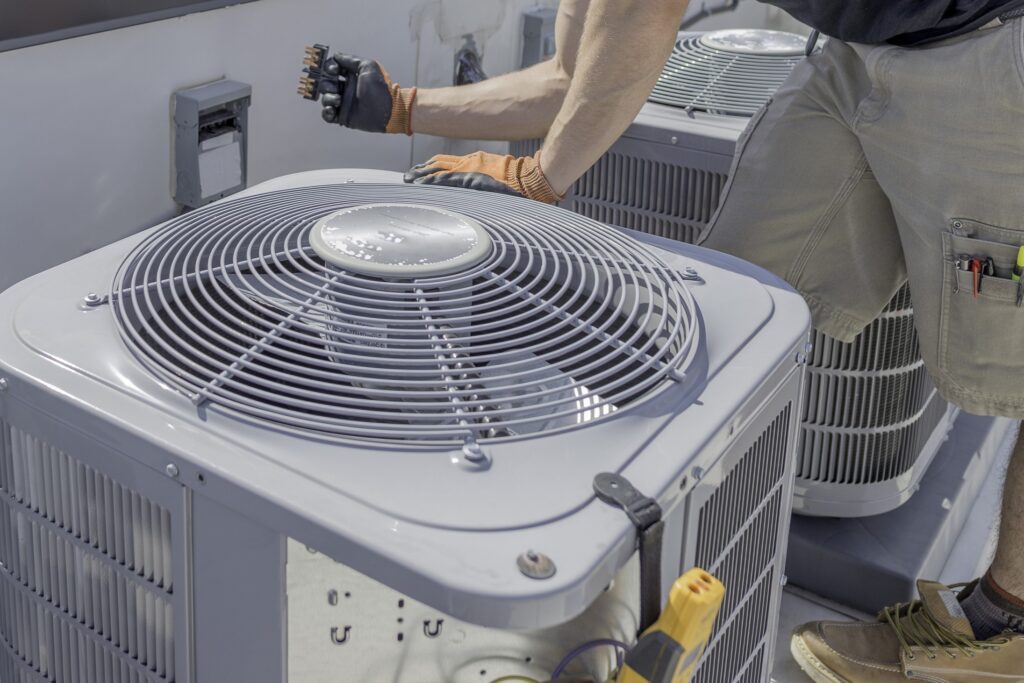
Heat Strip Diagnostics When Aux Heat Struggles
When winter’s chill sweeps through cities like Haslet, TX, and Keller, TX, the last thing you want is for your auxiliary heat to falter. Heat strip diagnostics become crucial in ensuring your home stays warm and cozy. This process involves checking the stages of your heat strips, sequencers, and airflow. It’s a vital step in restoring your backup heat efficiently.
Understanding the intricacies of heat strip diagnostics can seem daunting at first. However, it’s essential for identifying issues that prevent your heating system from performing optimally. Whether you’re in Fort Worth, TX, or the surrounding areas, recognizing the signs of a struggling auxiliary heat system is key. Prompt diagnostics can help avoid the discomfort of a cold home.
One Hour Air Conditioning & Heating specializes in pinpointing the root causes of heating problems. Our expertise in heat strip diagnostics ensures your system runs smoothly. By verifying each component’s functionality, we restore warmth and peace of mind to homeowners. Our focus on detailed inspections and repairs sets us apart.
Ensuring your heating system is in top condition requires professional insight. Heat strip diagnostics play a pivotal role in maintaining a comfortable indoor environment. Residents of Haslet, TX, Keller, TX, and Fort Worth, TX, can rely on our skilled technicians. With our help, you can enjoy a warm home, even on the coldest days.
Understanding the Role of Heat Strips in Your HVAC System
Understanding the role of heat strips in your HVAC system is crucial for maintaining a comfortable home during the colder months. Heat strips, also known as electric resistance heaters, act as a secondary source of heat. They kick in when the primary heat pump can’t provide enough warmth on its own. This is especially common in places like Haslet, TX, where temperatures can dip significantly.
Heat strip diagnostics involve a thorough examination of these crucial components. It’s not just about checking if they turn on or off. The process includes verifying the stages of heat output and ensuring each strip operates efficiently. Proper diagnostics can uncover any issues that might prevent the heat strips from delivering the necessary warmth.
The sequencers, which control the order and duration that the heat strips operate, also play a significant role. A malfunctioning sequencer can lead to uneven heating or excessive energy use. Residents of Keller, TX, experiencing such issues would benefit from professional diagnostics. This ensures that the heat strips and sequencers work in harmony, providing consistent warmth.
Lastly, airflow is a critical factor that affects the efficiency of heat strips. Restricted airflow can cause the system to overwork, reducing its effectiveness and lifespan. Regular checks can identify and rectify any obstructions, ensuring optimal operation. For homeowners in Fort Worth, TX, understanding these components and their functions can lead to a more efficient heating system and a cozier home.
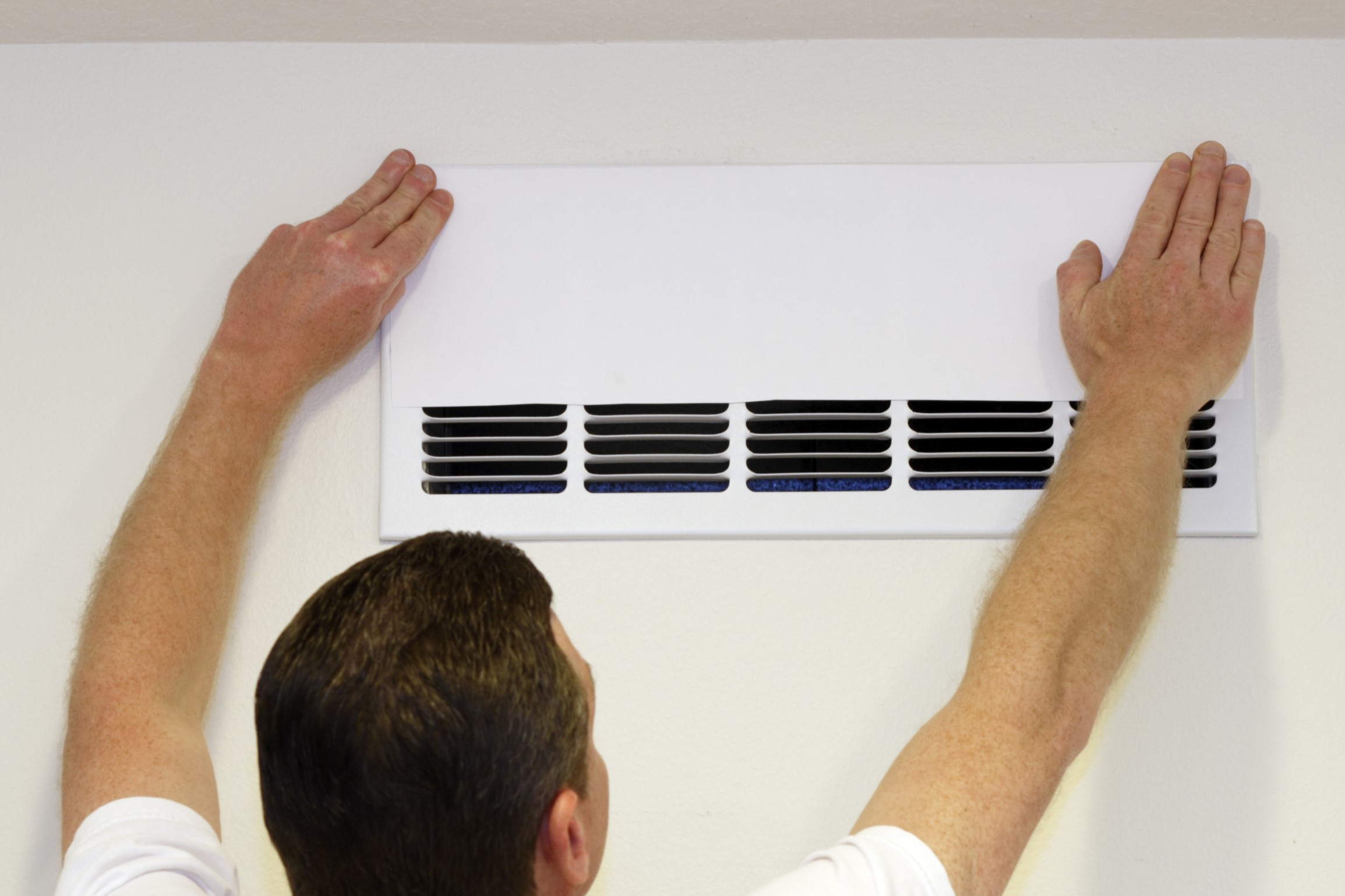
Heat Strip Diagnostics: Identifying Common Issues
Identifying common issues during heat strip diagnostics can significantly improve your heating system’s efficiency. For instance, a frequent problem is the failure of heat strips to activate when needed. This often stems from electrical issues or faulty connections within the system. In Haslet, TX, where temperatures can drop suddenly, ensuring your heat strips engage correctly is essential for maintaining comfort.
Another common issue is the misalignment of heat strip stages. Heat strips should activate in a specific sequence to provide optimal heating without overloading the system. If the stages are out of sync, it can lead to inefficient heating and increased wear on the system. Homeowners in Keller, TX, experiencing uneven heating or higher than normal energy usage should consider this potential problem.
Poor airflow can also hinder the performance of heat strips, making diagnostics crucial. Blocked filters, ducts, or vents can restrict the flow of warm air, diminishing the system’s ability to heat your home effectively. Regular checks can uncover such obstructions, ensuring that heat is distributed evenly throughout your space. This is particularly important in areas with fluctuating temperatures, where maintaining consistent indoor warmth is key.
Lastly, faulty sequencers are a common issue identified through heat strip diagnostics. Sequencers ensure that heat strips turn on and off in the correct order, preventing system overload. If a sequencer is malfunctioning, it can lead to some sections of your home remaining cold while others overheat. Addressing this issue promptly can restore balanced heating, ensuring your system operates as intended.
The Basics of Heat Strip Stages and Their Functions
Heat strip diagnostics are essential for ensuring your heating system functions efficiently, especially during the colder months. The first step involves understanding the basics of heat strip stages and their functions. Each stage is designed to provide a specific level of heat output, which is crucial for maintaining a comfortable indoor temperature. By verifying these stages are working correctly, homeowners in Haslet, TX, can prevent issues related to insufficient heating or excessive energy use.
The sequencers play a significant role in the operation of heat strips by controlling the timing and sequence in which they activate. Properly functioning sequencers ensure that the heat strips work in an orderly fashion, providing consistent warmth without overburdening the system. When heat strip diagnostics reveal a sequencer issue, it’s important to address it promptly. This helps avoid uneven heating across different areas of your home, ensuring a more comfortable living environment.
Airflow is another critical factor that affects the efficiency of heat strips. Restricted airflow can cause the system to work harder than necessary, leading to potential overuse and decreased efficiency. During diagnostics, checking for any obstructions in filters, ducts, or vents is crucial. Residents of Keller, TX, can greatly benefit from ensuring their heating system receives regular airflow checks to maintain optimal performance.
Lastly, understanding the importance of each component in your heating system can empower homeowners to seek professional help when needed. Heat strip diagnostics are a complex process that requires a keen eye for detail and a deep understanding of HVAC systems. By recognizing the signs of a struggling auxiliary heat system, you can take proactive steps to ensure your home remains warm and cozy throughout the winter months.
Step-by-Step Guide to Testing Your Heat Strips
Testing your heat strips is a straightforward process that begins with ensuring the power to your HVAC system is safely turned off. This crucial first step prevents any electrical hazards while performing diagnostics. Once power is off, locating the heat strips within your system is your next task. They’re typically found near the air handler, a component familiar to residents in Haslet, TX, who are accustomed to regular maintenance checks.
Next, using a multimeter, you can test the continuity of the heat strips. This tool helps identify if electrical current flows through the heat strip as it should. A lack of continuity suggests a break in the circuit, indicating the heat strip may need replacement or repair. This diagnostic step is essential, especially in areas like Keller, TX, where efficient heating is non-negotiable during cold spells.
Observing the sequencers during operation is another critical step. Sequencers regulate the timing and sequence of heat strip activation. You’re looking for a smooth transition between stages, ensuring each strip activates without delay. If the sequencers malfunction, they could cause uneven heating or strain the system, highlighting the importance of precise diagnostics.
Lastly, checking for proper airflow is imperative. After confirming the heat strips and sequencers function correctly, ensure nothing obstructs air movement through the system. Clean filters and clear vents are vital, as restricted airflow can diminish heating efficiency. This final check completes the heat strip diagnostics process, ensuring your system operates optimally to keep your home warm.
Sequencers: The Heartbeat of Heat Strip Operation
In the intricate world of heat strip diagnostics, sequencers play a pivotal role, acting much like the heart within a heating system. These components meticulously manage the activation sequence of heat strips, ensuring they turn on and off at just the right times. For homeowners in Haslet, TX, this precision is crucial for maintaining a cozy atmosphere during chilly nights. A sequencer’s ability to orchestrate this process efficiently can mean the difference between a comfortably warm home and one that struggles to fend off the cold.
Identifying issues with sequencers requires a keen eye for detail, as even minor malfunctions can disrupt the entire heating system’s operation. During diagnostics, technicians look for signs of delayed activation or heat strips that don’t turn on at all. Such symptoms can indicate a sequencer problem, leading to uneven heating throughout your home. Residents in Keller, TX, understand the importance of this step, as ensuring each sequencer functions correctly is key to enjoying consistent warmth.
Regular maintenance plays a significant role in preventing sequencer-related problems before they compromise your comfort. By scheduling periodic heat strip diagnostics, homeowners can ensure that sequencers and other components receive the attention they need. This proactive approach helps avoid the inefficiency and frustration of a heating system that can’t keep up with the demands of a cold spell. It’s a simple yet effective strategy for keeping your home warm and your heating system in top condition.
Ultimately, understanding the role of sequencers in heat strip operation enhances the effectiveness of heat strip diagnostics. This knowledge allows homeowners to appreciate the complexity of their heating systems and the importance of each component’s function. With this insight, they can communicate more effectively with technicians, ensuring that their heating system receives the best possible care. It’s this partnership between homeowners and professionals that ensures a warm, comfortable home, regardless of the outside temperature.
Ensuring Proper Airflow for Optimal Heat Strip Performance
Ensuring your heating system operates at peak efficiency involves more than just checking the components, airflow plays a crucial role. When airflow is restricted, it can prevent heat strips from working effectively, leading to uneven heating and increased strain on your system. Homeowners in Haslet, TX, can attest to the importance of clear air passages during the cold months. Regular checks and maintenance can prevent these airflow issues, ensuring your system heats your home efficiently.
During heat strip diagnostics, professionals meticulously examine filters, ducts, and vents for any blockages or buildup. Even a small obstruction can significantly impact the system’s ability to distribute warm air throughout your home. Residents in Keller, TX, understand that keeping these pathways clear is essential for maintaining a comfortable indoor environment. This attention to detail helps in identifying potential airflow problems before they escalate.
Improving airflow also enhances the overall performance of your heating system. By ensuring that air can move freely through the system, heat strips can effectively deliver warmth where it’s needed most. This not only improves the comfort of your home but also contributes to the longevity of your heating system. It’s a simple yet effective way to ensure your system operates optimally, providing reliable warmth throughout the winter.
Ultimately, heat strip diagnostics, including a thorough airflow check, are essential for any efficient heating system. By addressing any issues with airflow, you can significantly improve the performance of your heat strips. This proactive approach to maintenance ensures that residents enjoy a warm, comfortable home, regardless of the outside temperature. It’s a critical step in maintaining a healthy, efficient heating system.
Heat Strip Diagnostics: Troubleshooting Tips
Troubleshooting your heating system starts with effective heat strip diagnostics. When your auxiliary heat falters, identifying the root cause quickly is essential. Residents of Haslet, TX, can benefit from checking electrical connections and ensuring their thermostat settings are correct. These initial steps can often resolve common issues without the need for more complex diagnostics.
Another useful tip involves listening for unusual noises coming from your HVAC system. Strange sounds can indicate a problem with the heat strips or sequencers. Homeowners in Keller, TX, should pay attention to their system’s operation, as early detection of such noises can prevent more significant issues down the line. Promptly addressing these signs can save time and ensure your system runs smoothly.
Regular maintenance is key to avoiding disruptions in your heating system’s performance. By keeping filters clean and ensuring your system is regularly inspected, you can prevent many common problems. This proactive approach helps maintain optimal airflow, which is crucial for the efficient operation of heat strips. It’s a simple yet effective strategy to keep your home warm and comfortable.
Finally, if your system still struggles after basic troubleshooting, it might be time to call in professionals. Experts in heat strip diagnostics can perform a comprehensive check to identify and fix any underlying issues. Their knowledge and tools allow them to quickly restore your system’s functionality, ensuring your home remains cozy throughout the colder months. This step ensures that all components of your heating system work in harmony.
When to Call a Professional for Heat Strip Repairs
Deciding when to call a professional for heat strip repairs can often feel like a guessing game, but there are clear indicators that it’s time. If, after performing basic heat strip diagnostics, your system still doesn’t heat your home evenly or efficiently, expert intervention is necessary. Professionals bring a level of expertise and diagnostic equipment that far surpasses the average homeowner’s toolkit. They can quickly identify and resolve complex issues, ensuring your heating system operates at its best.
For residents in Haslet, TX, persistent issues with heat strips, despite following troubleshooting advice, signal the need for a professional’s touch. Experts in heat strip diagnostics can delve deeper into the system, uncovering problems that aren’t immediately apparent. They can check for less obvious faults in the system’s design or installation that might be affecting its performance. This thorough examination helps prevent future issues, making your heating system more reliable.
In Keller, TX, if you notice that your heating system frequently requires resets or fails to maintain a consistent temperature, it’s wise to consult with a professional. Skilled technicians can assess whether the issue lies with the heat strips, sequencers, or another component of your HVAC system. Their ability to diagnose and fix the problem quickly can save you from the discomfort of a cold home. This proactive approach ensures your heating system is prepared to handle the coldest days.
Ultimately, calling in professionals for heat strip diagnostics and repairs is a smart move when faced with ongoing heating challenges. They not only restore your system’s functionality but also provide peace of mind knowing your home will remain warm and comfortable. By choosing to rely on experts, you ensure that your heating system receives the best possible care, extending its lifespan and efficiency. This decision guarantees a cozy and welcoming home environment, no matter the weather outside.

Frequently Asked Questions
What are signs of aux heat struggles?
When your auxiliary heat struggles, you might notice your home takes longer to warm up. The heat pump may run more frequently, yet the indoor temperature barely changes. Another sign is unusually high energy usage without a clear reason. Lastly, cold spots in the house indicate the system isn’t distributing heat properly, pointing towards the need for heat strip diagnostics.
How do heat strip diagnostics work?
Heat strip diagnostics involve checking various components of your heating system to ensure they work correctly. Technicians start by verifying the stages of heat strips and ensuring sequencers properly activate them in sequence. They also measure airflow to confirm it meets the system’s requirements for effective heating. This process helps identify and fix issues, restoring your backup heat to optimal performance.
Can I perform heat strip diagnostics myself?
Performing heat strip diagnostics requires specific knowledge and tools. Without HVAC experience, you might miss crucial signs of malfunction. Professionals have the right equipment to accurately assess and fix any issues. It’s safer and more effective to let experts handle these tasks.
What tools are needed for heat strip diagnostics?
Professionals use a variety of tools for heat strip diagnostics. A multimeter measures electrical components, ensuring they function correctly. Temperature sensors help verify the effectiveness of the heat strips. Airflow meters check if the system moves air as needed for optimal heating. Lastly, sequencer testers assess the activation sequence of the heat strips, ensuring timely operation.
When should I call a professional for aux heat issues?
If your home is not warming up as expected or you notice uneven heating, it’s time to call a professional. They can perform heat strip diagnostics to pinpoint the issue accurately. Experts are equipped to handle complex systems safely and efficiently. So, for reliable and effective heating, seeking professional help is the smart choice.