

Vibration Isolation Pads in Lewisville That Tame Outdoor Noise
Key Takeaways About Vibration Isolation Pads
Vibration isolation pads are materials placed under outdoor HVAC units to absorb and block mechanical energy before it reaches the building. This summary helps homeowners and property managers decide when to act during noticeable nighttime humming or visible pad damage.
- Identify cracks compression or delamination during a visual check.
- Prevent rocking by ensuring full contact under each unit foot.
- Avoid bottoming out by matching pad capacity to unit weight.
- Spot transferred vibration by listening inside during compressor cycles.
- Reduce component stress by maintaining flexible line strain relief.
- Plan professional inspection when noises change or pads show failure.
Introduction
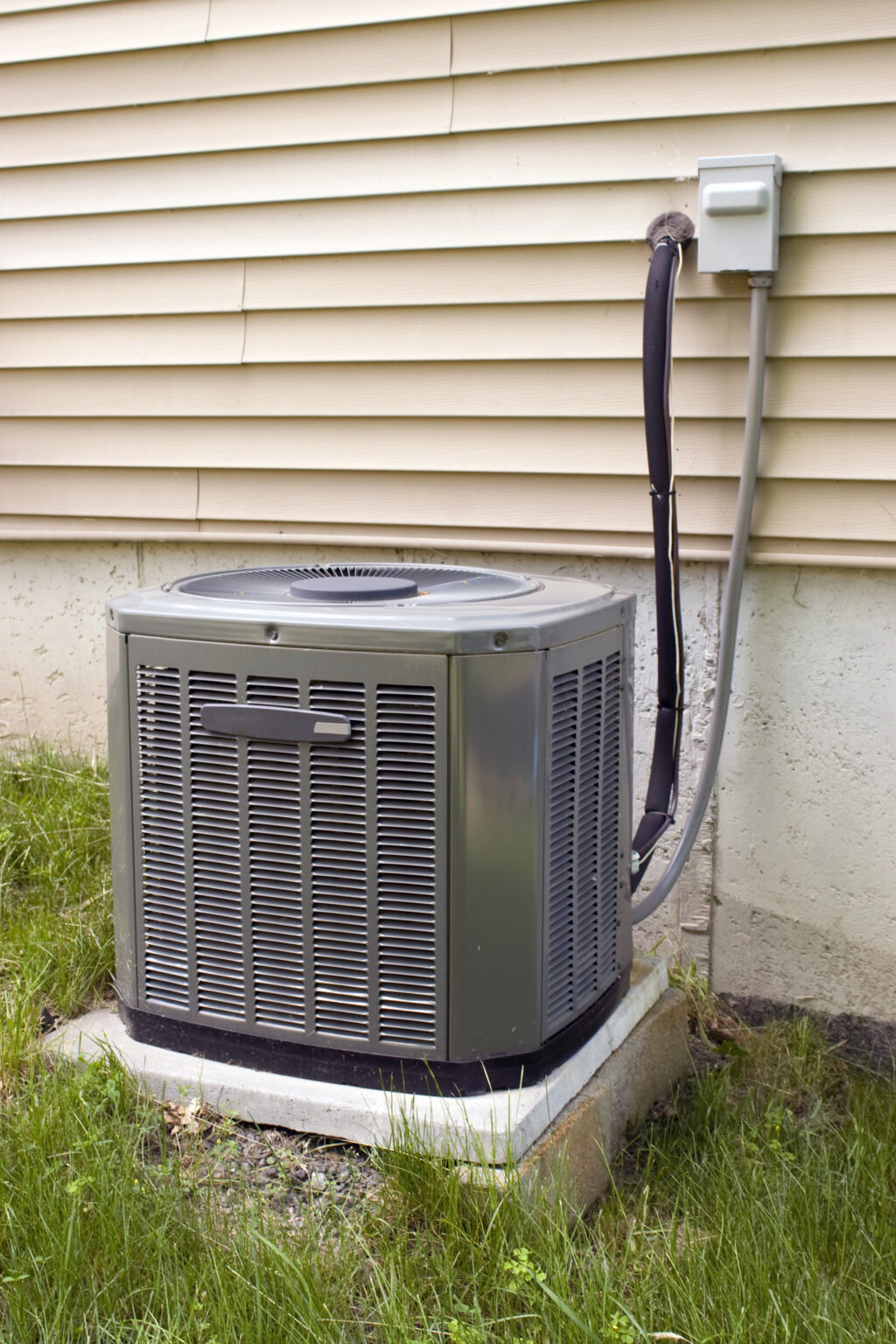
Outdoor HVAC compressors and condensers often sit on hard surfaces that transfer vibration into the house structure. Vibration isolation pads reduce how much mechanical energy travels from the unit into walls and foundations. Homeowners hear humming, rattling, or a rhythmic thump when vibration reaches living spaces at night. Those noises can make rooms feel less comfortable and can mask other mechanical problems.
Not all pads perform the same way for every unit or mounting surface. Material, thickness, and load capacity change how much vibration the pad absorbs. Placement matters too because uneven support lets one corner vibrate more than the others. For properties in Haltom City, that means a pad choice should match the unit size and the pad location.
On outdoor pads, excessive vibration speeds up wear on refrigerant line sets, mounting brackets, and condensate drains. Visible signs include loose fasteners, frayed rubber isolators, or condensate line movement during the compressor cycle. Noise complaints often precede these mechanical symptoms and give homeowners an early warning. Addressing vibration early helps avoid more invasive repairs later.
A professional can confirm vibration transfer with simple observations and measurements at the unit and inside the home. They will inspect the unit mounting, check fasteners, and note how vibration changes when the compressor cycles. For a homeowner in Lewisville, quick documentation of when sounds occur helps pinpoint whether vibration pads are likely the solution. If symptoms suggest structural transmission, contact a qualified technician for a focused assessment.
How Vibration Isolation Pads Reduce Noise Transfer
Vibration isolation pads are materials placed under outdoor HVAC units to absorb and block mechanical energy from reaching building structure. They work by converting kinetic energy into small amounts of heat inside the pad material. A common homeowner question is whether pads actually stop audible noise, properly sized pads can significantly reduce humming and thumping heard inside homes. Pads also lower stress on components like the refrigerant line set and mounting brackets by cutting transmitted vibration.
- They decouple the unit from the support surface.
- They dampen compressor and fan frequencies.
- They spread load to prevent hard contact points.
- They reduce resonant amplification through slabs or walls.
Different pad materials absorb different vibration frequencies, so selection matters for effective noise control. A professional will compare pad stiffness with the unit weight and expected vibration frequency during diagnosis. Homeowners sometimes notice noise only at night when background sounds are low, which helps a technician confirm vibration transfer. For properties in Haltom City, matching pad capacity to unit load prevents bottoming out and loss of isolation.
Placement affects how energy moves into the structure because uneven support creates pivot points that amplify vibration. Technicians check for level mounting and even contact across all corners of the unit during an inspection. Simple diagnostic checks include feeling for vibration at the pad, listening inside rooms during compressor cycles, and using a straightedge to confirm pad leveling. If leveling or pad choice looks inadequate, a technician may recommend replacement or re-leveling like the outdoor pad services described at outdoor pad leveling in Watauga.
Common Outdoor Unit Vibration Causes And Risks
Outdoor units vibrate for several common mechanical reasons that send energy into building structure. A loose compressor mount or worn rubber grommets allow the compressor to move more than intended. Bent fan blades or an unbalanced motor can create rhythmic forces that the pad must absorb. Corroded mounting bolts and brackets change how the unit sits and concentrate vibration into a corner or edge.
Surface conditions under the unit also change vibration behavior and can increase noise transmission. Thin concrete pads or metal stands can resonate and amplify certain compressor frequencies instead of damping them. Soil settlement or a tilted support forces uneven loading that makes one pad take more weight than the others. Poor clearance around the unit can let vibration couple into ducts or adjacent walls and carry sound indoors, so check clearances per guidance on outdoor unit clearance and airflow.
Refrigerant line and condensate drain routing affect vibration risk because rigid connections can transmit movement back to the home. A stiff refrigerant line set or tight conduit can pull on fittings during compressor cycles and loosen joints over time. Condensate lines that rub against framing can produce a clicking or tapping that mimics pad failure. Technicians look for worn insulation, loose clamps, and contact points where vibration travels along those lines.
Unchecked vibration creates several risks beyond annoying noise that homeowners can spot. Fasteners fatigue and break, causing brackets or lines to separate from the unit during operation. Vibrations that reach structural members may open small cracks or loosen drywall finishes near the unit wall. A professional will inspect mounting bolts, measure unit tilt with a level, and observe component movement during a run cycle to confirm the vibration source and appropriate corrective steps.
How Pad Material Choice Affects Performance
Different pad materials move and dissipate vibration energy in distinct ways, so material choice affects which frequencies get reduced most effectively. Rubber pads compress and convert vibration into heat, which works well for general low-to-mid frequency compressor hums. Neoprene offers higher weather resistance for pads exposed to sun and rain, helping maintain isolation performance over time. For homeowners noting fan-related tonal noise, material damping properties determine whether that tone gets reduced or remains audible inside the house.
Stiffer materials support heavier units without bottoming out but transmit higher-frequency vibration more readily than softer pads. Closed-cell foam pads prevent water absorption, so their stiffness stays consistent through wet seasons and they avoid sagging under load. Open-cell or softer elastomers absorb more motion but can compress permanently if overloaded, which reduces isolation effectiveness over months. A technician will compare the unit weight and pad deflection to ensure the chosen material keeps the compressor isolated during operation.
Material thickness and layered constructions change the pad natural frequency and how it interacts with unit components like the compressor and fan. Combining a firm base layer with a softer top layer can spread load while still damping peak vibration frequencies from the compressor. Metal or concrete supports under a soft pad can reduce performance unless a sufficient thickness or buffer layer exists to decouple the unit. When fan blades need repair, such as a noisy condenser fan, isolation improvements pair well with mechanical fixes like those covered under condenser fan repair.
Exposure conditions should guide material selection because UV, oil from the unit, and temperature swings degrade some rubbers faster than others. For a property in Haltom City, UV-resistant materials help maintain pad resilience and prevent cracking over years of sun exposure. Professionals also check how pads age by inspecting for cracks, permanent compression, and bond failure between layers during routine maintenance. If homeowners in Lewisville notice new noises after pad age, call a technician to evaluate material breakdown and suggest an appropriate replacement.
Proper Pad Placement And Installation Best Practices
Start by centering the unit on the pad so weight spreads evenly across the material and no corner takes extra load. Check that the pad sits flat on the support surface with no gaps that let the unit rock during compressor cycles. Use a carpenter’s level across two axes to confirm the unit is within a small tilt tolerance before tightening mounting hardware. If the pad compresses unevenly under test, reposition or replace it with a higher-capacity pad matched to the unit weight.
- Place one pad under each corner of the unit when possible.
- Ensure full contact between pad and unit baseplate.
- Keep pads away from standing water and debris.
- Use shims only when they do not bridge the pad edges.
Allow a small separation between the pad edge and nearby walls so vibration does not couple into structure through contact. Route refrigerant lines and condensate drain so they do not pull at the unit base and transfer movement back to the building. Fit flexible line sections or use vibration-rated clamps where lines meet the wall to reduce transmitted forces. Inspect the pad perimeter for signs of animal nesting or vegetation that could lift or tilt the pad over time.
When stacking pads or using layered constructions, bond layers securely and confirm total thickness does not permit bottoming out under peak load. Avoid placing a soft pad directly on thin sheet metal stands because the stand can flex and bypass the pad’s isolation. After installation, run the unit and walk inside rooms to verify noise reduction and check for new contact noises around the unit. If unexpected tones or motor warnings appear during testing, consult guidance on condenser fan motor warnings and call a technician for further inspection.
For homeowners in Lewisville and properties around Haltom City, document when noises occur and what you observed during a quick run test to help a technician diagnose remaining vibration paths. A professional will confirm installation by measuring level, checking pad deflection under load, and observing compressor run behavior for repeatable vibration patterns. If the unit still transmits noise, the tech may recommend re-siting the pad to a different support surface or installing additional isolation accessories. Always hire a qualified technician for work that requires lifting the unit or modifying refrigerant or electrical connections due to safety risks.
When Homeowners Should Call A Professional Technician
If vibration persists after correct pad placement, call a technician when noises change in character or timing during operation. A pro will inspect connections like the refrigerant line set and condensate drain for rigid contact points that carry vibration. They can also check compressor and fan components for wear that pads alone cannot fix. Documenting when sounds occur helps the technician focus the inspection efficiently.
Contact a technician if you detect new rattles, clicking, or a rhythmic thump that aligns with compressor cycles and does not respond to simple adjustments. The technician will use visual checks and a level to confirm unit tilt, then feel for vibration at the baseplate and pad interfaces. They may temporarily support the unit to test whether isolation changes cure the symptom before recommending replacements. This hands-on diagnosis prevents unnecessary parts replacement.
Call for help when pads show shifting, severe compression, or visible cracking combined with worsening interior noise during nighttime quiet hours. A professional can perform load checks and measure pad deflection to confirm the material is no longer providing required isolation. They also assess related components like mounting bolts and fan blades to form a complete remedy rather than only swapping pads. If dampening of tonal noise is needed, the technician might suggest a compatible accessory such as a compressor sound blanket for targeted results.
If vibration transmits into walls or floors causing cosmetic damage, seek a technician promptly to avoid further deterioration of finishes or fastener fatigue. The technician will inspect for loosened drywall, gap formation, and loosened brackets that indicate structural energy transfer. They can recommend repositioning the unit, adding isolation supports, or repairing affected attachments to stop progressive damage. For homeowners in Haltom City, timely professional assessment reduces the chance of secondary repairs later.
How To Inspect Pads And Decide Replacement Timing
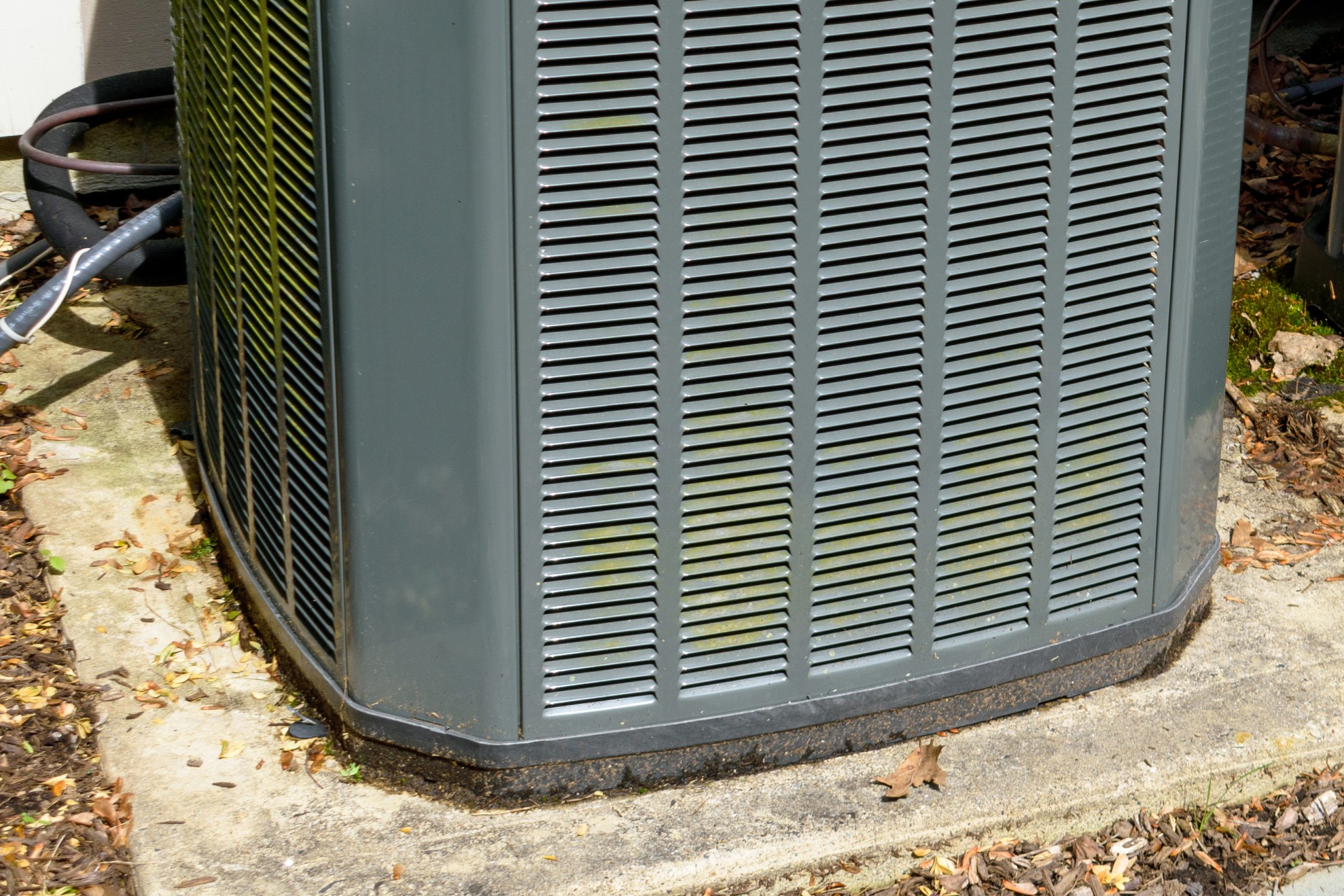
Start an inspection by observing pad edges for cracks, separation, or visible delamination where layers peel apart. Next, press gently on each corner of the unit to check for soft spots and uneven compression that indicate load shifts. Look at mounting bolts and the baseplate for any movement during a compressor cycle to see if pads are losing support. If you detect sudden shifts or loose fasteners, plan to record the time and sound to aid a technician.
Measure pad deflection by placing a straightedge across the unit base and noting gaps at each pad location while the compressor runs. Compare visible deflection against the pad thickness to judge remaining effective travel without bottoming out. Use a flashlight to inspect the pad underside for trapped moisture, pest nesting, or debris that reduces isolation performance. If you find waterlogged or compressed sections, replacement is likely required to restore vibration control.
Listen for changes in the vibration character when you temporarily support a corner of the unit with a block while the compressor operates briefly. A noticeable reduction in interior humming when one corner is supported signals that the pad at that corner is failing. Check refrigerant line clamps and condensate routing for solid contact points that can mask pad performance issues during this test. Document these observations and share them with a technician to speed diagnosis and avoid unnecessary pad swaps.
Perform a hands-on check for UV cracking and sticky residue from oil that indicates material breakdown, especially on older pads exposed to sun and heat. Take simple measurements of pad thickness and compare with manufacturer recommendations when available to estimate remaining service life. For more detailed guidance on reducing equipment noise and follow-up steps, review practical strategies found in HVAC noise management tips. Homeowners in Lewisville and properties in Haltom City should contact a professional if inspections show material failure or if noise patterns worsen.
Preventative Maintenance To Keep Vibrations Low
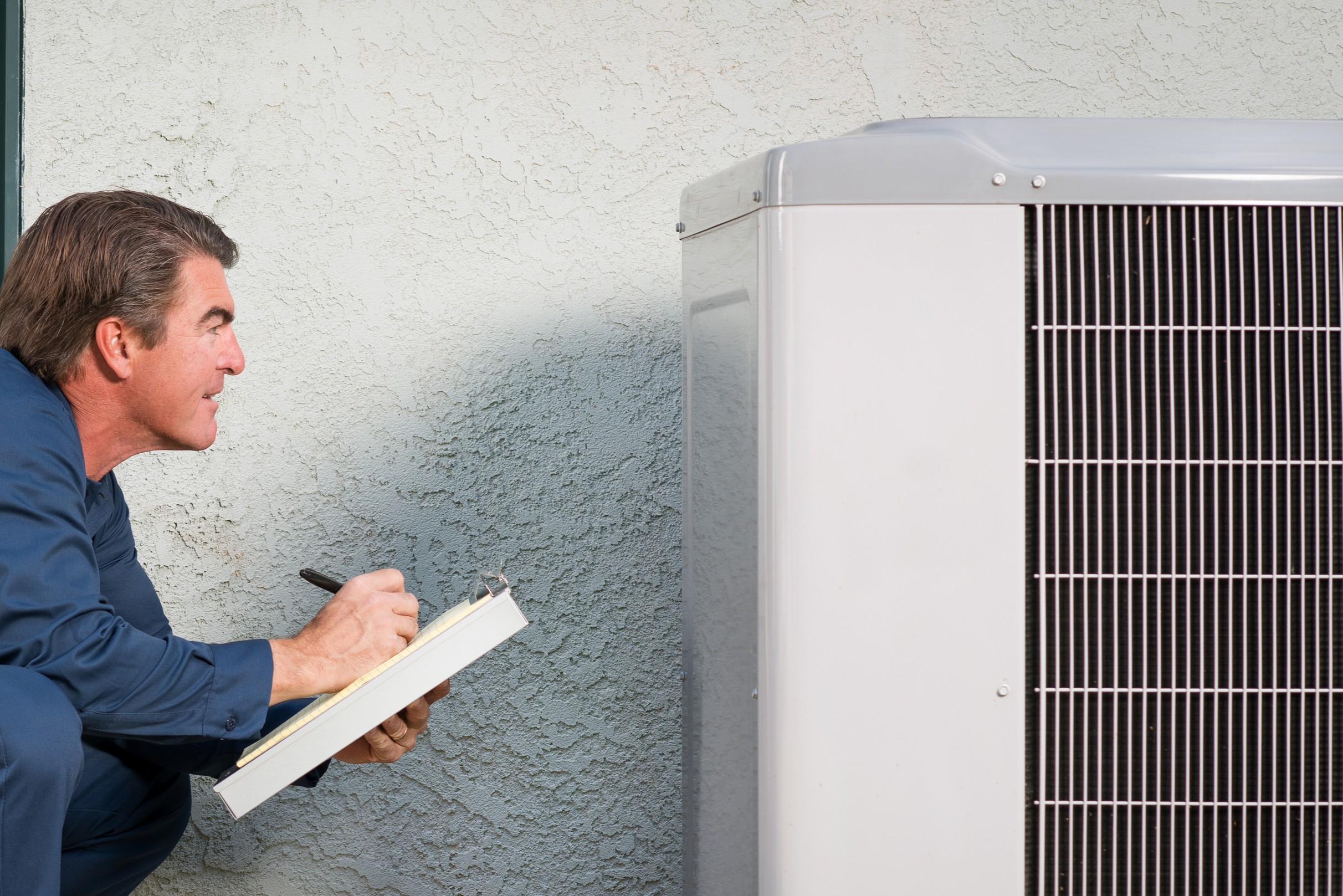
Schedule regular checks at seasonal intervals to keep vibration isolation pads functioning before failures escalate. During each check, confirm fasteners stay tight and no new gaps exist under the baseplate. Note any changes in vibration frequency or timing to help a technician target the source during a follow-up visit. If you detect oil residue or rapid cracking, plan a prompt professional evaluation to avoid secondary damage to lines or brackets.
- Inspect pad edges for cracking.
- Check pad compression at each corner.
- Verify mounting bolt tightness.
- Listen inside during a compressor cycle.
- Document when noises occur.
Keep surrounding surfaces clean and clear so pads do not lift or shift under the unit during operation. Trim vegetation and remove debris that can trap moisture under the pad and degrade material resilience. Maintain proper clearance around refrigerant lines and condensate drains so vibration does not transfer back through rigid contacts. If vibration seems tied to the air handler or ductwork, a technician can apply focused checks described in the air handler vibration troubleshooting guide.
Record basic measurements like pad thickness and visible deflection over time to spot trends that indicate wear. Use a straightedge and a level during checks to compare current deflection to previous readings for clearer decision thresholds. When preventive actions show little change, contact a technician to measure vibration with common tools and recommend targeted repairs. For homeowners in Lewisville, regular maintenance reduces the chance of sudden noise increases and helps extend component life in Haltom City properties.
Cost Considerations And Choosing The Right Solution
When weighing options, think about durability and compatibility instead of upfront price alone to get lasting vibration control. Match pad load capacity and material resilience to your unit weight and expected weather exposure before deciding. A technician can compare pad deflection and expected service life during an on-site inspection to recommend the right product. Consider accessories that complement pads for stubborn transmission paths when a single pad change may not suffice.
Professionals often inspect mounting bolts, baseplate flatness, and refrigerant line routing to determine if pads alone will fix the problem. They may test vibration reduction by temporarily supporting corners while the compressor runs and observing interior noise changes. Based on those observations, a technician can propose a combined approach using pads plus isolation accessories for better results. For information on compatible add-ons installed by a technician, see guidance about what HVAC accessories can be installed at your home.
If pads must be replaced, choose materials rated for outdoor UV, oil resistance, and repeated compression cycles to avoid rapid degradation. Ask the technician to show measured pad deflection and explain how the chosen material will perform under seasonal temperature swings. Request a simple written note of observations and recommendations so you can track changes over time and plan follow-up actions. Maintain records of inspection outputs like level readings and photos to help future diagnostics if noise recurs.
Deciding whether to add isolation accessories depends on where vibration transmits into the structure and how much reduction you need inside living spaces. A combined solution often uses pads plus line-side strain relief or anti-vibration brackets for more complex transmission paths. For a homeowner in Lewisville, documenting when sounds occur and sharing that with a technician helps prioritize solutions that address real-life noise patterns. If interior noise persists after basic measures, schedule a professional assessment to confirm next steps.
Frequently Asked Questions
How do vibration isolation pads reduce outdoor HVAC noise?
Vibration isolation pads sit between the outdoor unit and its mounting surface to absorb mechanical energy before it reaches the house. They convert vibrational motion into small amounts of heat and flex, reducing structure-borne noise that travels through piers, pads, or metal rails. Proper pad selection and placement match the unit weight and mount spacing to prevent resonance and lower low-frequency thumps. If you notice excessive vibration or damaged mounts, stop operation and call a professional to inspect and replace pads safely.
Which pad materials resist sun, oil, and compression best?
Neoprene and EPDM rubber resist sun, oil, and long-term compression better than plain foam for outdoor HVAC mounts. These elastomers stay flexible under UV and resist oils from compressors and nearby equipment. Sorbothane offers excellent vibration damping but can degrade faster under constant sun exposure, so consider UV protection. If you see cracking, uneven settling, or oil saturation, stop and call a professional to inspect and replace pads safely.
How can I tell if pads or mounts cause the humming?
Listen for humming that changes when you press lightly on the pad or nudges the unit, movement-linked noise points to mounts or pads. Inspect visually for cracks, torn rubber, or uneven compression that let metal contact the pad edges. A quick test is placing a small piece of rigid material between pad and frame to see if sound stops, but avoid prying or unsafe access. If vibration persists or access is risky, stop and contact a professional to inspect and secure the unit safely.
Where should pads be placed to prevent structure transfer?
Place vibration isolation pads directly under each outdoor unit foot or base to decouple the unit from the mounting surface. Ensure pads contact both the equipment feet and the supporting concrete, paver, or steel pad evenly to avoid rocking. For rooftop or wall-mounted units, isolate at every support point and keep pads aligned with structural members to prevent vibration paths. If unit access, electrical, or refrigerant connections complicate placement, use a professional to avoid safety risks and improper isolation.
When should a technician replace vibration isolation pads?
Replace vibration isolation pads when they show visible cracking, severe compression, or when the outdoor unit transmits more noise and vibration. Technicians also replace pads after concrete pad damage, rusted mounting brackets, or if pads no longer sit flat under the unit. A professional will inspect the pad condition, check condenser mounting bolts, and confirm reduced vibration with a quick run test. If you see compromised pads or feel increased vibration, stop nearby activities and call a trained technician for safe replacement and secure mounting.