
Heat Pump Not Heating Properly? Causes and Solutions
Key Takeaways About Heat Pump Not Heating Properly
A heat pump not heating properly means the system runs but fails to deliver expected warmth. This guide is for homeowners and property managers who need quick signs and next steps during cold weather or poor performance.
- Identify blocked filters or closed vents that restrict airflow.
- Prevent thermostat missettings and weak batteries from stopping heat.
- Avoid DIY refrigerant handling because it requires licensed technicians.
- Spot unusual noises frost or burning smells as safety warning signs.
- Reduce energy waste by replacing dirty coils and worn capacitors.
- Plan professional diagnosis when basic checks do not restore warmth.
Introduction
When a heat pump not heating properly, a house can feel drafty and uncomfortable despite the system running. Homeowners often notice uneven room temperatures or long run cycles without warmth. Strange sounds, frost on outdoor units, or rising energy use can signal a real problem. In Fort Worth, TX homes these signs matter because winters still bring chilly nights.
Poor heating performance usually links to airflow, thermostat settings, or worn components rather than a single cause. Filters clogged with dust reduce airflow and force the blower to work harder. Refrigerant problems or a failing compressor also reduce heat transfer. Recognizing which symptom appears helps narrow the likely cause.
Timing matters when heat output drops suddenly or gets worse over weeks. A slow decline often points to maintenance issues like dirty coils or a clogged condensate drain. Sudden losses in heat can indicate electrical faults, a faulty reversing valve, or control board failures. Not addressing these problems can let minor issues turn into system breakdowns.
Homeowners in Arlington, TX may find early detection prevents winter discomfort and costly repairs. A qualified technician will inspect components, measure airflow, and test electrical readings to confirm the fault. Observing smells, sounds, and visible frost gives useful clues before a service call. Knowing the real problem and its impact helps you decide the next step.
How A Heat Pump Works And Why It Stops Heating
A heat pump moves heat between indoors and outdoors using refrigerant, a compressor, and reversing valve to provide heating or cooling. Technically, it extracts warmth from outdoor air and releases it inside during heating mode. When homeowners ask “Why is my heat pump not heating properly,” common answers include reduced heat transfer or control failures. Understanding the basic process helps identify what stops the system from delivering warm air.
- Refrigerant circulates through coils to absorb and release heat.
- The compressor raises refrigerant pressure and temperature for heat transfer.
- The reversing valve switches the refrigerant flow for heating or cooling.
- A blower moves warm air through the ductwork into rooms.
- Thermostat signals control when the system runs and for how long.
Heat transfer slows when outdoor coils get dirty or the refrigerant charge is low, which reduces indoor temperature rise. Ice buildup on the outdoor coil also prevents proper heat absorption during cold weather. A homeowner may notice long run cycles, weak airflow, or cool output at vents when heat transfer is impaired. These signs directly answer why a heat pump not heating properly might still run but fail to warm rooms.
Electrical or control issues can stop heating even if refrigerant and airflow are fine, because the reversing valve or contactor may not switch correctly. A faulty thermostat or wrong mode selection also keeps the system from entering heating operation. Technicians diagnose these by checking voltage at the contactor, testing the reversing valve, and confirming thermostat signals. For a routine inspection checklist that covers these basic components, see the heat pump service checklist.
In diagnosis, professionals combine visual checks with measurements like refrigerant pressure and voltage readings to confirm faults. For example, a tech records suction and discharge pressures, inspects the evaporator coil, and measures blower airflow to isolate the problem. Homeowners in Arlington, TX who spot frost or unusual sounds should note those cues before a service visit. Properties in Fort Worth, TX often benefit when owners provide observable symptoms to speed accurate diagnosis.
Common Airflow Problems Causing Poor Heat
Restricted or imbalanced airflow commonly reduces a heat pump’s heating output and creates uneven temperatures through the home. Blocked return grilles or closed vents force the blower to pull less air across the indoor coil, lowering heat delivered at supply registers. Homeowners might hear the blower running steadily but feel weak airflow at some vents while other rooms stay warm. A simple check is to feel several supply registers for consistent temperature and pressure differences.
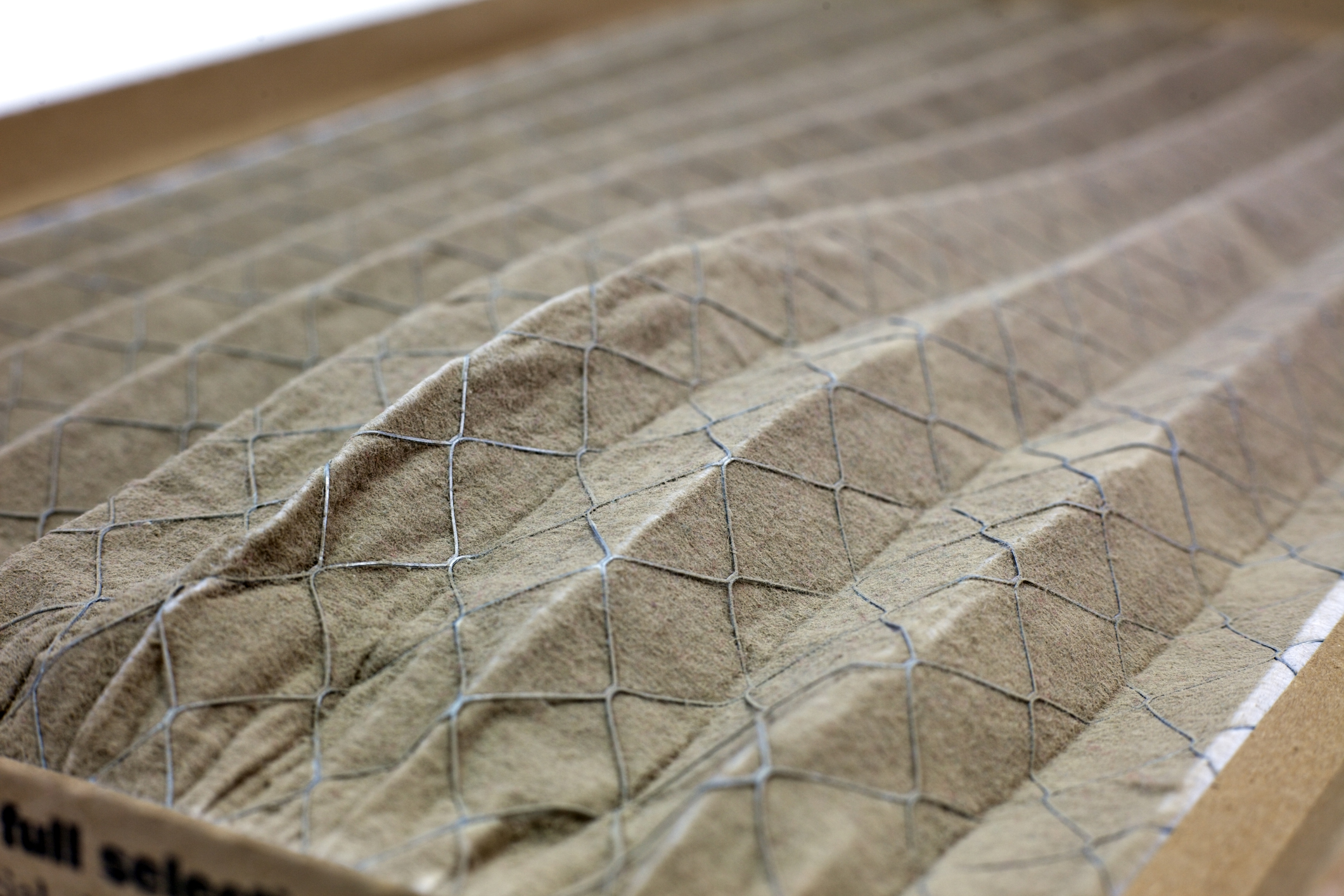
Dirty filters and obstructed ductwork both cut airflow volume and raise static pressure in the system, which stresses the blower motor. When filters look dark or cling with dust, airflow can fall enough to trigger safety limits or poor heat exchange. Pets and attic dust often load filters faster than owners expect, so filter inspection is a practical first step. If replacing the filter restores better airflow, the symptom points to maintenance rather than major component failure.
Problems inside the air handler also reduce effective airflow, such as a failing blower motor or a slipping belt in older systems, and a damaged evaporator coil that blocks passages. A technician will measure airflow with an anemometer or manometer and inspect the blower wheel, motor capacitor, and belt condition to confirm the issue. Diagnostic checks include comparing static pressure readings to manufacturer specs and observing the coil for heavy dirt or blockage. Results from these checks guide whether cleaning, part replacement, or duct repair is needed.
Imbalanced dampers, leaky ducts, or improperly sized ducts cause rooms to receive too little warm air despite the system running correctly. Sealing accessible duct joints and checking for disconnected runs can restore proper distribution in many homes. For persistent weak heat at vents, a professional may perform a duct leakage test and inspect balancing dampers to identify losses. Homeowners in Arlington, TX who notice sudden drops in vent temperature should document which rooms are affected before a technician arrives.
Short-term homeowner steps include checking and replacing filters, ensuring vents and returns stay open, and clearing any furniture blocking registers. If these actions do not improve vent temperature or airflow, the issue likely involves the blower, ductwork, or internal components needing expert diagnosis. A trained technician can combine airflow measurements, visual inspection, and blower motor testing to confirm the cause and recommend repair. For related causes where a heat pump blows cold air despite running, review the guidance in this Fort Worth, TX resource before scheduling service.
Thermostat And Control Issues To Inspect
Thermostat settings and control wiring often cause a heat pump not heating properly even when the system appears to run. Start by confirming the thermostat mode is set to heat and the temperature setpoint is above room temperature. Replace batteries if the display is dim or unresponsive, since weak batteries can interrupt control signals. If the thermostat uses a programmable schedule, check for temporary hold or setback settings that override expected operation.
Incorrect thermostat placement can give false temperature readings and short-cycle the heat pump, reducing delivered warmth. Avoid locating the thermostat near direct sunlight, drafts, or heat sources like lamps or kitchen appliances. A technician will compare thermostat temperature to a reliable infrared thermometer reading at the return grille to verify accuracy. If calibration is off, the thermostat may need adjustment or replacement by a qualified pro.
Control board faults, loose wiring, or failed relays also prevent proper heating by stopping the compressor or reversing valve from energizing. Homeowners may notice the indoor fan running but little heat at vents, which suggests the outdoor unit did not receive a run signal. A technician inspects low-voltage terminals, checks continuity across thermostat wires, and measures 24V control circuits to confirm signal integrity. For guidance on defrost cycle control and common homeowner mistakes that affect heating, review the resource on heat pump defrost mistakes to avoid.
Shorted or swapped thermostat wires can prevent the reversing valve from switching to heating mode, producing cool or lukewarm air. Professionals test wiring with a multimeter and may energize the valve manually to observe operation and confirm the valve coil draws current. In Arlington, TX homes, owners who notice mode mismatch or reversed airflow should note which rooms feel warmest and when the issue began. Providing these observations helps the technician focus on control checks during the diagnostic visit in Fort Worth, TX.
Refrigerant Leaks And Pressure Problems Explained
Low refrigerant charge reduces the heat pump’s ability to move warmth from outdoors to inside, producing weak or cool airflow at vents. A professional checks pressure with gauges and compares readings to manufacturer specifications while observing compressor operation. Visible signs include oil stains near line connections or hissing sounds at the outdoor unit that suggest leaks. Homeowners who notice these cues should avoid attempting refrigerant handling themselves and schedule a licensed technician.
- Check for hissing or bubbling sounds near line sets.
- Look for oily residue at service ports or fittings.
- Notice long run times with little temperature rise.
- Watch for ice forming on refrigerant lines in odd patterns.
- Smell musty odors indicating moisture from leaks.
Low suction pressure or high discharge pressure signal charge or restriction problems that reduce heating output and stress components. A technician will measure suction and discharge pressures, then correlate those values with superheat and subcooling to determine if the system is undercharged. They also inspect for restricted liquid lines, blocked driers, or metering device failures that mimic a leak symptom. Confirming the diagnosis prevents adding refrigerant to a system with a hidden restriction.
When a leak exists, repair requires locating the source, brazing or replacing the damaged section, evacuating the lines, and recharging with refrigerant to the correct charge. Professionals use leak detectors, soap solution tests, and pressure decay checks to find the leak before repair and will test the repair with a pressure hold. After repair, technicians record pressures and temperatures and provide a written report of readings to confirm restored operation.
Sometimes pressure problems come from component failures rather than leaks, such as a failing compressor, stuck reversing valve, or clogged filter drier restricting flow. A technician inspects the compressor electrical characteristics, tests the reversing valve function, and replaces clogged driers when contamination or moisture is present. For homeowners wanting to understand reversing valve mechanics and troubleshooting steps, review the reversing valve heat pump guide before the service visit.
Frozen Coils And Defrost Cycle Decision Points
Outdoor coils that collect frost reduce heat absorption and force the system into defrost cycles more often than normal. Excessive frost may come from restricted airflow, low refrigerant, or a malfunctioning defrost control board. A homeowner might notice ice shedding during a defrost or hear the outdoor fan stop and the compressor run differently. If ice persists after a defrost, the underlying cause needs professional confirmation.
Technicians diagnose frozen coils by observing defrost cycle timing and measuring temperatures across the coil and suction line. They check the defrost thermostat, reversing valve action, and defrost control logic with tools like a digital thermometer and voltmeter. Recording coil surface temperatures before and after defrost shows whether the cycle returned the coil to normal operation. These readings guide whether repair, calibration, or component replacement is required.
Auxiliary heat behavior offers clues when normal heating underperforms during or after defrost cycles, and technicians inspect aux heat operation when diagnosing persistent icing. Professionals verify auxiliary electric strip or backup heat activation to determine if the heat pump relied on supplemental heat due to ineffective heating. For homeowners wanting verification steps for auxiliary systems, review the aux heat inspection verify guidance before a service visit. Noting when auxiliary heat runs helps the technician isolate defrost-related problems.
In some cases, a stuck defrost sensor or shorted reversing valve causes repeated icing that simple cleaning cannot fix. A technician will perform a pressure test, inspect the coil for physical damage, and test the defrost control board and related sensors. If controls pass but coils freeze again, the next step often involves replacing the defrost sensor or control board to restore reliable cycles.
Electrical And Component Failures Homeowners Notice
Electrical failures often show as intermittent operation, humming sounds, or a complete lack of outdoor unit response while indoor fans still run. Homeowners might notice tripped breakers or a burning smell near the air handler, both signs to cut power and call a professional. Technicians first check the service disconnect and circuit breaker for voltage, then inspect contactor points and wiring for overheating or loose connections. Observations of scorched insulation or melted terminals guide the repair plan and safety steps.
Capacitor failure causes slow blower motors, weak fan start, or repeating clicking sounds when the system tries to start. A visible symptom is the fan that spins slowly or stops and restarts, often during startup. A tech uses a multimeter to measure capacitance and checks motor starting current to confirm a failing capacitor. Replacing a bad capacitor usually restores proper motor torque and stable operation when verified with post-repair readings.
Contactor and relay problems prevent the compressor or outdoor fan from energizing, producing running indoor fans but no heat output. Technicians inspect the contactor coil for continuity and check main power across the contactor when the thermostat calls for heat. Mechanical pitting or welded contacts require replacement, and techs verify operation under load after installation. Proper diagnosis includes recording voltage and current to ensure the new part resolved the fault.
Reversing valve or compressor electrical faults lead to heat mode failures that homeowners interpret as the system blowing cool air. A technician confirms valve operation by measuring control voltage at the valve coil while switching modes on the thermostat to see if it actuates. For compressor issues, they test windings for continuity and measure amp draw against manufacturer specs to detect impending failure. If electrical testing indicates component failure, replacing the affected part and rechecking pressures and temperatures completes the diagnosis and repair.
When To Call A Professional For Heat Pump Not Heating Properly
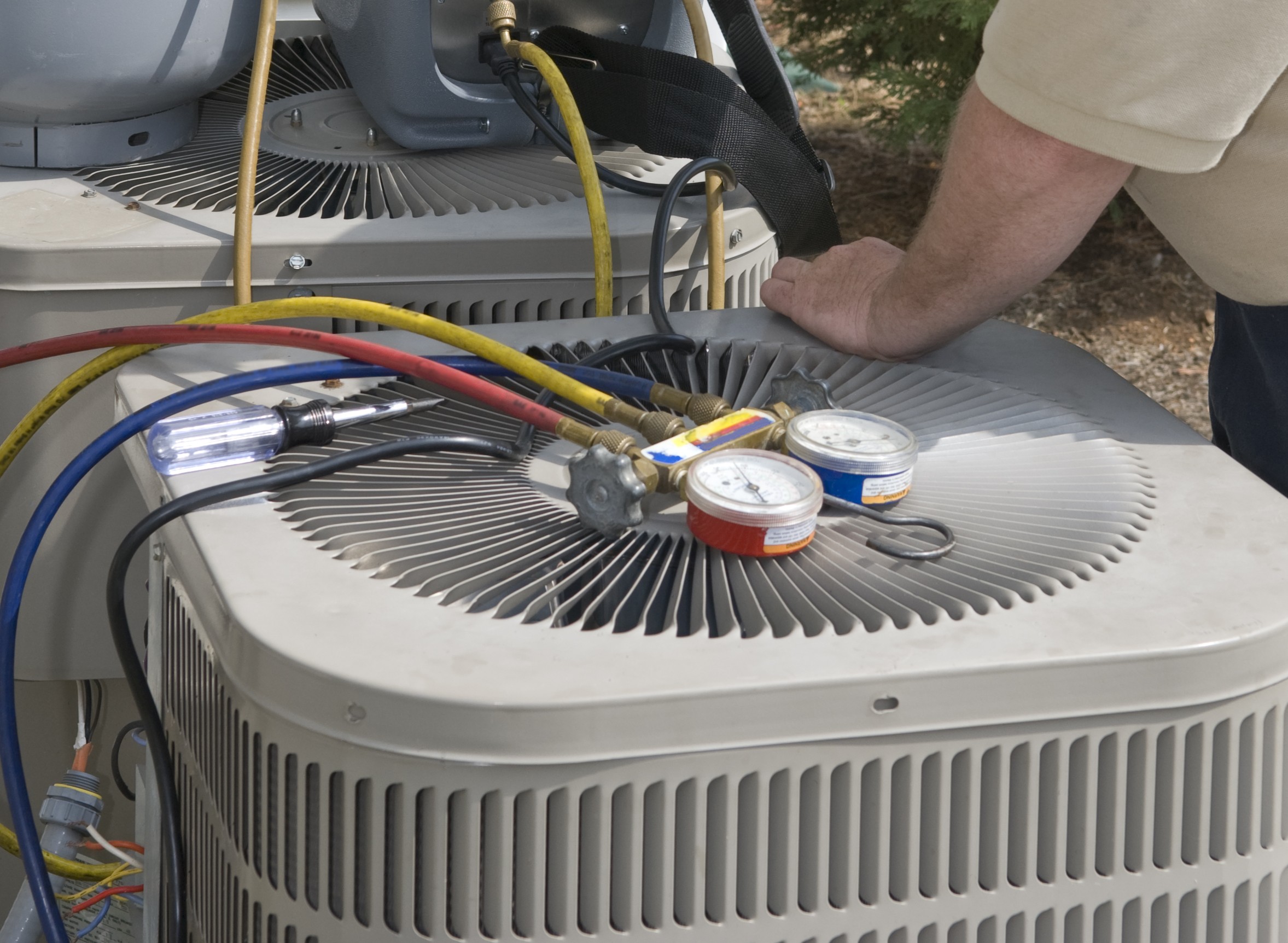
If your heat pump not heating properly shows signs beyond simple homeowner checks, call a professional promptly to prevent further damage. A technician verifies symptoms with measured readings such as refrigerant pressures, blower airflow, and voltage at the contactor. They may also inspect for hard-to-see issues like internal control failures or restricted refrigerant flow. Providing clear notes about timing and room differences helps the technician diagnose faster when they arrive.
- Note whether the outdoor unit runs during calls for heat.
- Record which vents feel cold or weak.
- Listen for clicking, humming, or abnormal noises.
- Watch for visible frost patterns on the outdoor coil.
When diagnostic checks show abnormal pressures or electrical readings, a professional follows a stepwise repair plan to confirm the root cause. They use gauges and a multimeter to correlate pressures with compressor performance and control signals. If airflow tests are needed, the technician may perform a targeted airflow performance test to identify duct or blower restrictions. Sharing prior observations from Arlington, TX helps narrow probable causes before invasive work begins.
Call for service if you smell burning, see melted insulation, or experience frequent breaker trips while the heat pump runs. These indicate medium-risk electrical faults that require immediate attention and safe isolation of power by a technician. If the system cycles constantly without warming rooms, a professional can test reversing valve operation and auxiliary heat sequencing. In Fort Worth, TX homes, timely professional diagnosis often prevents repeat trips and restores reliable heating quickly.
Preventive Maintenance To Avoid Future Failures
Schedule regular seasonal tune-ups to catch wear and drift before they cause heating loss or failures. A technician inspects the blower motor, capacitor, contactor, and reversing valve during preventive maintenance visits. They clean coils and drains, verify refrigerant pressures, and test the defrost cycle to ensure consistent heating performance. Documented inspections help track component trends and avoid surprise breakdowns in colder months.
Keep a simple homeowner checklist between visits to reduce avoidable issues like clogged filters and blocked returns. Change or clean filters monthly during high-use seasons and clear debris from outdoor unit surroundings. Verify thermostat wiring and power stability, homeowners sometimes need a common wire added for modern thermostats to ensure consistent control communication. For guidance on adding or diagnosing thermostat power, review the resource about the thermostat C wire explained.
Professionals use systematic diagnostics during preventive service to find emerging faults before failure occurs, including voltage checks and airflow measurements. Technicians record voltage and current, measure static pressure, and note refrigerant pressures to form a baseline for future comparison. These objective readings let them spot slow-developing issues like a weakening capacitor or creeping refrigerant loss. Providing these service records helps technicians plan targeted repairs if problems recur.
Training and proper replacement parts matter when a preventive check reveals worn components needing service or upgrade. A qualified technician replaces failing capacitors, contactors, or belts with parts specified by the manufacturer to preserve system operation and safety. Owners in Arlington, TX should schedule maintenance before seasonal temperature swings to reduce downtime and discomfort. Timely preventive care also supports reliable system behavior during cold nights in Fort Worth, TX.
Frequently Asked Questions
Why is my heat pump not heating properly at certain vents?
Uneven heating at certain vents often stems from blocked or closed registers, dirty air filters, or an imbalanced duct system restricting airflow. A failing blower motor, stuck damper, or collapsed flexible duct can also divert warm air away from specific rooms. If you notice cold spots plus unusual sounds or smells, power down the system and contact a professional because electrical or refrigerant issues can pose safety risks. A trained technician will inspect the blower motor, measure airflow, check dampers, and test duct pressure to diagnose the problem.
Could low refrigerant cause a heat pump not heating properly?
Yes, low refrigerant can cause a heat pump not heating properly by reducing the system’s ability to transfer heat from outside to inside. Low refrigerant often produces ice on the outdoor coil and unusually cold suction lines. Handling refrigerant poses safety and environmental risks, so do not attempt recharge unless you are certified. Call a licensed HVAC technician to locate leaks, recover refrigerant, and restore correct charge and system performance.
What homeowner checks reveal airflow or duct problems?
Check supply and return registers for weak airflow by feeling for consistent pressure and temperature differences across rooms. Inspect visible ducts for disconnected sections, crushed areas, or heavy dust that restricts flow. Listen for rattling or whistling in walls and near the air handler, which suggests leaks or loose duct connections. If you suspect major duct damage or unsafe access to the air handler, stop and call a professional for inspection and repair.
How does a thermostat or control fault stop Heating?
A malfunctioning thermostat or control board can stop heat pump operation by failing to send a call for heat to the outdoor unit. Incorrect wiring, a bad relay, or corroded terminals can interrupt the low-voltage signal the system needs. If the thermostat shows wrong temperatures or blank displays, the heat pump may not run even when indoor air feels cold. If you suspect electrical or control faults, turn off power and contact a qualified technician because testing live circuits can be dangerous.
When should I call a technician for recurring weak heat?
Call a technician if weak heat returns after simple checks like thermostat settings, filter replacement, and clear vents. If indoor rooms stay noticeably colder than the thermostat target, schedule professional diagnosis. If you hear unusual noises, smell burning, or see ice on the outdoor unit, stop the system and call immediately for safety. A pro will inspect refrigerant, the reversing valve, compressor, and airflow to identify why the heat pump not heating properly.