

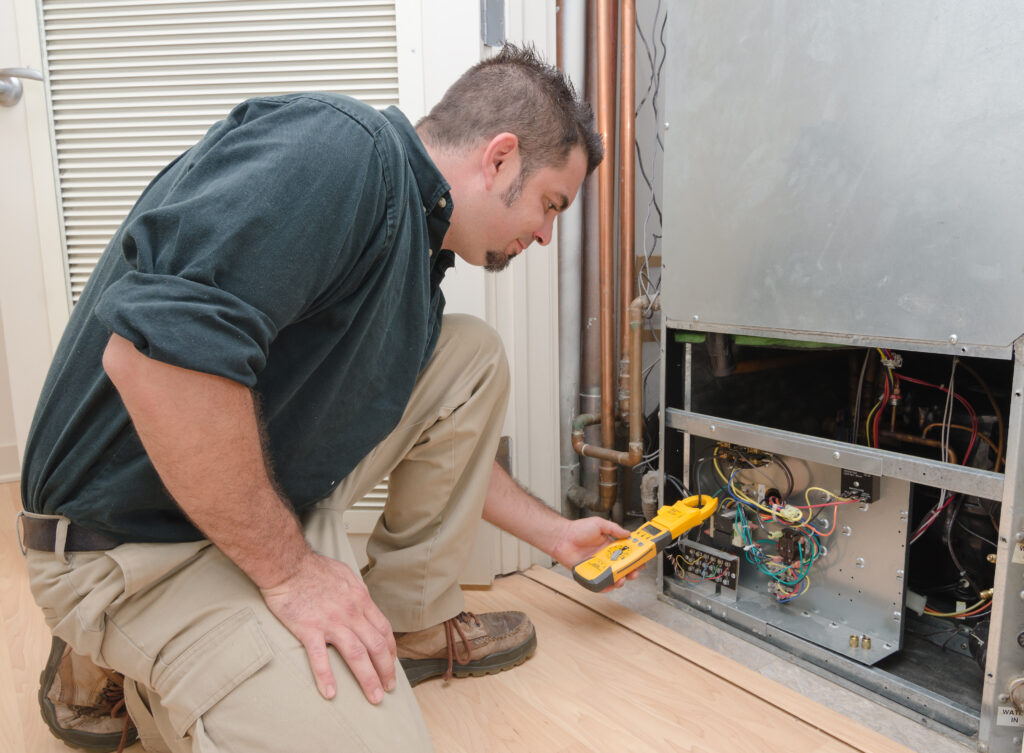
Blower relay testing in Bedford
Key Takeaways About Blower Relay Testing
A blower relay controls when the blower motor starts and stops. This guide helps homeowners and property managers know when testing matters and what to watch for during seasonal use.
- Identify clicking sounds or delayed fan starts as warning signs.
- Prevent contact pitting by scheduling regular electrical inspections.
- Avoid running the system when you detect burning smells or scorch marks.
- Spot loose terminals and discoloration during a visual relay check.
- Reduce motor stress by confirming proper relay voltage and continuity.
- Plan professional testing when starts remain intermittent after basic checks.
Introduction
A blower relay that fails or sticks causes uneven airflow and noisy starts that homeowners notice quickly. When a relay does not close reliably the blower may chatter, run intermittently, or not start at all. These symptoms matter because poor blower starts stress the motor and can shorten system life. For homes in Bedford, spotting the signs early helps avoid bigger repairs later.
Technicians focus on verifying relay function because the relay links the thermostat signal to the blower motor. A bad relay can mimic motor or control board problems and lead to unnecessary part replacements. Clear diagnosis prevents repeated service visits and reduces downtime for the homeowner. In Euless, TX properties, repeated starting problems often show up during seasonal use changes.
Testing a relay involves observing how it behaves under real start conditions and checking electrical responses. Professionals compare voltage and continuity readings against expected values and watch for signs of overheating or contact pitting. They also consider related components like the capacitor and control board when results look ambiguous. Accurate checks lead to a confident recommendation about repair or replacement.
Homeowners should pay attention to unusual sounds, delayed fan starts, and inconsistent airflow as these point to relay or start issues. A short diagnosis can distinguish a weak relay from a failing motor or a faulty capacitor. When a relay is the cause a timely fix restores smooth, reliable starts and reduces stress on the system. If you notice the signs contact a qualified HVAC tech to inspect the relay and related components.
What A Blower Relay Is And How It Works
A blower relay is an electromechanical switch that tells the blower motor when to start and stop. It closes when the thermostat or control board sends a signal, allowing line voltage to reach the blower motor. Technicians explain that a relay isolates low-voltage controls from high-voltage motor circuits, protecting the control system. Homeowners often ask whether a relay can cause repeated hard starts, and the answer is yes when contacts stick or weld.
- Coil energizes on a control signal.
- Contacts close to supply power to the motor.
- Contacts open when the signal stops.
- Some relays include a manual test or indicator.
Inside the relay a copper coil and movable contact work together to make a connection under load. Over time contacts can pit from arcing, which raises resistance and causes delayed or weak starts. A relay that overheats may show discoloration or melt marks around terminals, which is a clear physical clue for replacement. For homeowners in Bedford, spotting those visual signs helps guide a faster technician response.
Relay designs vary between simple mechanical relays and solid-state options that use semiconductor switching. Technicians consider the type when planning blower relay testing because solid-state failures show different electrical signatures than mechanical contact wear. A common homeowner question is whether a relay failure sounds different than a motor problem, usually relay issues make rapid clicking or a single dull click before the motor tries to start. When diagnosis is unclear, professionals follow documented test steps and may refer to a more detailed diagnostic guide like the blower relay failure diagnosis resource.
Relays connect to the thermostat, control board, blower motor, and sometimes the capacitor, so technicians check those related components too. Confirming a relay fault requires observing relay action during an actual start cycle and taking voltage and continuity readings. In a common situation, a homeowner hears a click but no run, a tech would then test for voltage at the relay output while the control signal is present. If readings match expected values, the relay likely works and the tech moves on to motor and capacitor tests for Euless, TX properties.
Common Causes Of Blower Relay Failures And Why
Age and mechanical wear often cause relay contact degradation that raises resistance and leads to intermittent operation. Repeated arcing during each start pits the contact surfaces and produces heat, which speeds deterioration. Dirt, dust, and minor corrosion on terminals can also reduce conductivity and trigger weak starts. Technicians look for visual signs like darkened contacts or soft solder joints when inspecting the relay cavity.
Electrical riding currents and voltage spikes stress the coil and contacts and may produce insulation breakdown over time. Loose or vibrating wire connections cause heating at terminals and can deform contact seating. A control board that supplies unstable voltage will shorten relay life by forcing rapid engage-disengage cycles. When voltages fluctuate, techs measure supply and control voltages during a start to confirm abnormal electrical conditions.
Poor cooling and high ambient cabinet temperatures contribute to relay failures by accelerating thermal stress on components. A blower compartment clogged with dust prevents heat removal around the relay and nearby parts. In some systems, an oversized motor draw from a failing capacitor increases the current through the relay contacts. Professionals often inspect the capacitor and the motor while evaluating relay condition, see related checks for blower motor issues during that step.
Incorrect replacement relays or improper wiring during past repairs can produce premature failure and erratic starts. Solid-state relays fail differently than electromechanical ones and require distinct diagnostic approaches. Vibration from an unsecured relay or mounting bracket can cause intermittent contact closure and audible clicking. For homeowners in Bedford and routine calls in Euless, TX, clear documentation of wiring and component type helps technicians choose the right replacement and avoid repeat failures.
Warning Signs Homeowners Notice With Blower Relays
Homeowners often notice rapid clicking or a single heavy click when the blower tries to start but fails to run, which signals an electrical switching problem rather than air movement restrictions. A humming sound that stops when the thermostat is turned off may point to a relay coil drawing power without closing contacts. Visible flashing lights on the control board or a thermostat that cycles the fan oddly can coincide with relay chatter during start attempts. When these symptoms appear alongside intermittent operation, a professional will include relay checks in their diagnostic sequence.
Another common sign is delayed fan ramp-up after the furnace or air handler fires, where the blower lags several seconds after the main system starts. Homeowners may report warmer rooms for a short period while the blower struggles to engage fully, indicating weak contact closure or increased contact resistance. Technicians pay attention to start timing versus expected behavior to decide whether relay contact wear could cause the delay. If a weak start pairs with signs of a failing capacitor, techs check both components together.
Occasional smoke or a faint burning odor near the blower cabinet should prompt immediate attention since overheated relay contacts or poor terminal connections can cause localized heating. If homeowners find discoloration or melted insulation at relay terminals, they should stop using the system until a technician inspects it. Professionals will document visible damage and test terminal temperatures, continuity, and voltage to confirm the relay as the source. For capacitor-related interactions and proper sizing checks technicians may reference capacitor sizing basics.
Intermittent starts that only occur during certain weather or after long idle periods often indicate thermal or moisture-related issues affecting the relay coil or terminals. In Euless, TX homes, seasonal humidity and temperature swings can reveal marginal relay failures as control boards cycle differently. A technician will reproduce start conditions and record voltage and continuity readings while observing the relay physically to diagnose the fault. Clear documentation of those test results guides a confident repair or replacement decision.
Step By Step Blower Relay Testing Procedure
Start by cutting power to the air handler and locking out the breaker before touching relay terminals to avoid shock or damage. With power off, technicians remove the access panel and inspect the relay socket and wiring for loose connections, discoloration, or melted insulation. They then tag and photograph wire positions for accurate reconnection and to record visible damage for the service file. If technicians find debris or dry bearings on the blower shaft they may reference lubrication guidance such as blower shaft lubrication as part of related maintenance.
- Verify power is off at the service switch.
- Inspect relay socket and wires visually.
- Tag and photograph wire terminations.
- Note any discoloration or melted insulation.
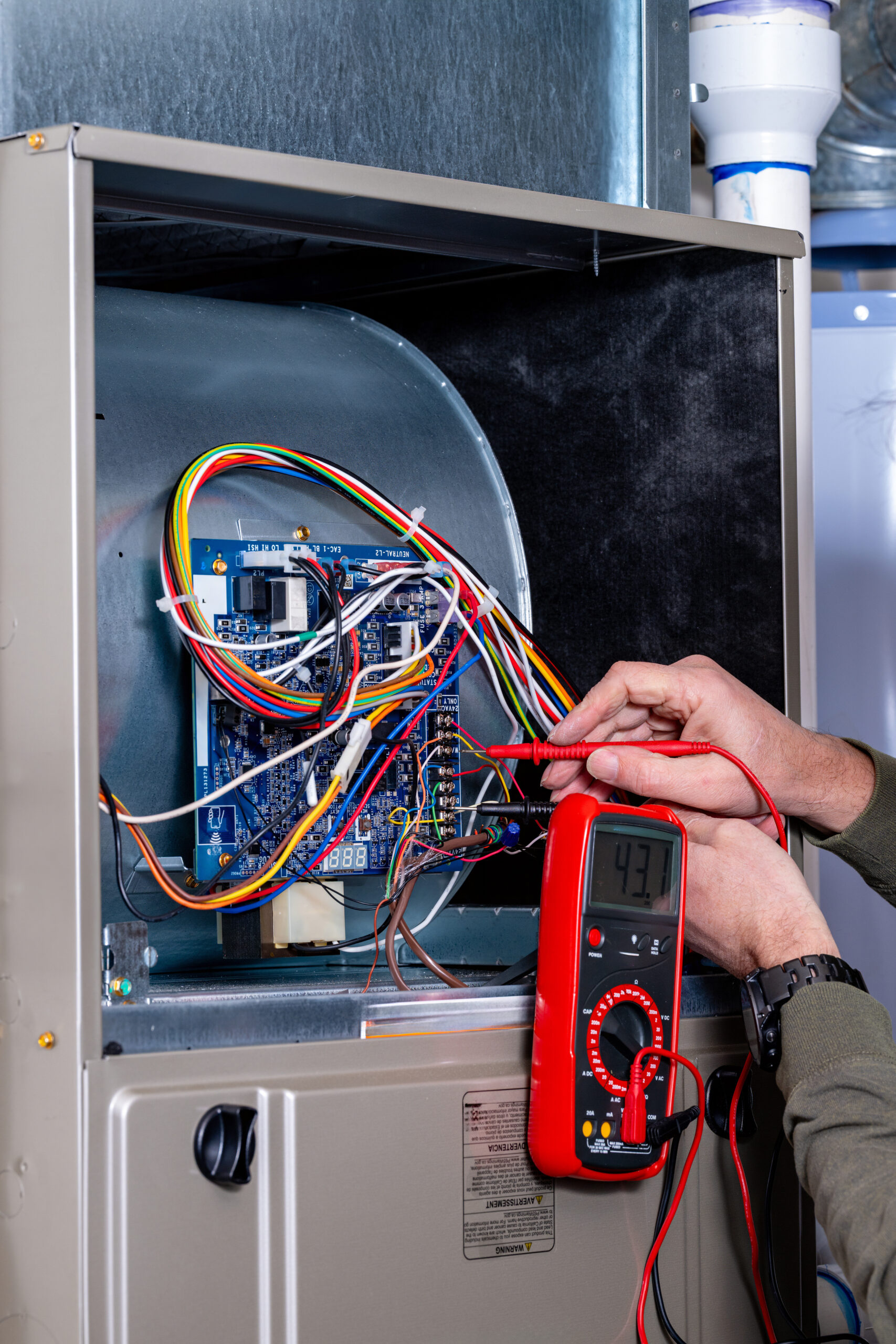
Next they reapply power and observe a live start while keeping hands clear of moving parts so they can safely read voltages. The technician energizes the thermostat or control to call for fan operation and measures coil voltage to confirm the relay receives the correct control signal. While the relay attempts to close they measure output voltage at the load terminal to verify full supply reaches the blower motor. Simultaneous observation of relay action and voltage helps distinguish a stuck contact from a failed coil.
If electrical readings look marginal they perform continuity and resistance checks across the relay contacts with power removed, following safe lockout procedures. A low resistance reading across closed contacts indicates good conductivity while a high reading suggests pitting or corrosion that causes weak starts. Technicians also test the coil for correct resistance value and short circuits that would prevent proper operation. Clear test results help determine whether to clean, replace, or further inspect connected components.
To confirm diagnosis they run a controlled start-stop cycle and monitor for temperature rise, contact chatter, or smell of overheating during repeated operations. Recording voltage traces and noting how the relay behaves under load provides evidence to compare with manufacturer specifications and field experience. For properties in Bedford and routine calls in Euless, TX, these documented readings guide the next steps and support recommendations for repair or replacement. Homeowners should contact a professional if they detect burning smells, frequent clicking, or inconsistent blower operation after testing.
Tools Technicians Use And What They Check Next
Technicians carry a compact multimeter, clamp ammeter, and a contact cleaner to verify relay operation under load. They use the multimeter to measure coil control voltage and the load terminal voltage while the blower attempts to start. A clamp ammeter shows motor inrush and running current to confirm the relay supplies adequate power. Contact cleaner helps if terminals show light corrosion, but replacement follows for pitting or damage.
An infrared thermometer and a handheld inspection light help detect hot terminals or faded insulation without touching energized parts. Technicians scan the relay housing temperature during repeated starts to find thermal faults that cause intermittent operation. They also visually inspect terminal screws and splices while the system is powered down and locked out for loose connections. Photos and readings go into the service record for clear next-step decisions.
When readings point away from the relay, techs check components that interact directly with the relay like the capacitor and blower motor windings. A technician measures capacitor microfarads and checks motor winding resistance to see if extra current demand caused relay stress. They may also test thermostat continuity and wiring to separate control signal faults from relay failures. For more on control-side checks they include a careful thermostat wiring inspection in their process.
If alignment or physical interference could load the motor at startup, techs inspect the blower housing and wheel for rubbing or misalignment. They confirm clearance and rotation while observing for vibration or binding that raises start current and stresses the relay. When necessary they reference blower housing alignment procedures and note adjustments in the report for follow-up work. Homeowners in Euless, TX appreciate clear documentation of mechanical checks and electrical test readings.
How Techs Diagnose Intermittent Starting Faults
Technicians isolate intermittent starts by recreating the fault under controlled conditions and varying the load during multiple start cycles. They observe the relay while recording coil voltage and load terminal voltage during each attempt to spot inconsistencies. Simultaneous clamp-ammeter measurements reveal changing inrush current that suggests intermittent contact resistance or motor draw issues. If readings fluctuate between attempts the tech notes timing, ambient temperature, and recent system activity for pattern analysis.
When electrical readings and inrush look borderline, techs swap the control signal with a known-good input to separate thermostat wiring faults from relay behavior. They also use a jumper to energize the relay coil directly and watch whether the contact closure remains steady under repeated operations. Infrared spot readings during these cycles highlight any terminals that heat intermittently, indicating a poor connection or pitted contact. Visible arcing or scorching near terminals leads technicians to recommend replacement rather than cleaning.
To confirm the relay is the true cause a professional will monitor the blower motor response while using a temporary direct supply through the relay contacts. If the motor starts consistently with steady current, the relay is likely intermittent under control conditions and requires repair or replacement. If the motor still shows erratic starts with a stable relay input, techs then inspect capacitor microfarads and motor winding resistance for hidden defects. Recorded voltage traces, ammeter logs, and photos get saved in the service record to support the diagnosis.
For cases that only appear after long idle periods, technicians perform humidity and thermal stress tests to reproduce the failure window and capture the relay’s behavior. They may run sequences that mimic seasonal cycles while watching for delayed coil energizing or sticky contacts. If fault patterns line up with specific conditions, the tech documents those triggers and recommends component changes or environmental fixes. Homeowners in Bedford and customers in Euless, TX receive a clear report with test results and next-step options.
When Homeowners Should Call A Professional Service
If your system shows repeated hard starts despite visible relay replacement, contact a professional for a focused inspection right away. A trained technician will reproduce the fault under controlled conditions and gather voltage and current logs to isolate the cause. They will also inspect wiring terminations and control signals that can hide intermittent faults until stressed. Call for service when sounds, smells, or repeated cycling persist after simple resets or thermostat changes.
- When you smell burning near the air handler stop using it.
- If the blower clicks but never starts repeatedly, seek professional help.
- When the fan runs intermittently despite thermostat checks, schedule an inspection.
- If terminals show melting or discoloration, get a technician to evaluate it.
Technicians will often perform live voltage checks and clamp-ammeter readings to confirm whether the relay or another component fails under load. They may also inspect the blower assembly for rubbing or mechanical binding that raises start current and stresses relay contacts. If needed, they will record infrared temperature scans and document findings in a written report for clear decision-making. Homeowners in Bedford should not operate equipment showing persistent electrical faults.
When problems only appear after long idle periods, a professional can run thermal and humidity stress tests to recreate the issue reliably. These tests help capture timing and environmental triggers that a homeowner cannot easily reproduce. A skilled tech will include capacitor, motor winding, and control board checks when relay tests are inconclusive to prevent repeat visits. For air handlers that show electrical or mechanical start concerns, consider scheduling an air handler repair inspection with a qualified technician in your area.
Prevention Tips To Ensure Solid Blower Starts
Regular preventive checks reduce relay stress by keeping related components in good condition and preventing hard starts. Schedule periodic inspections that include tightness checks on terminal screws and visual inspection for discoloration or heat damage. A trained technician can detect loose wiring early and correct it before contacts pit or overheat. Homeowners who notice loose access panels or rattles should mention them during maintenance visits to prompt a closer look.
Maintaining a clean blower compartment minimizes heat buildup that accelerates relay wear and contact deterioration over time. Technicians clean dust from the relay area, blower wheel, and cabinet to improve air flow and cooling around electrical parts. They also verify the blower spins freely without rubbing, which prevents extra current draw during startup. For wiring problems that contribute to intermittent starts, a detailed electrical inspection addresses hidden causes.
Using proper wiring practices and secure connections prevents voltage drops and terminal heating that cause relay failure, so have installers follow best practices. A professional will look for signs of poor splices, undersized conductors, or loose lugs that raise resistance at startup. If wiring shows recurring faults, a focused inspection of the control circuits and service panel helps find the root cause. Technicians often reference common wiring failure patterns when documenting repairs for homeowners.
Keeping the motor capacitor within specifications helps ensure consistent inrush current and reduces stress on relay contacts during starts. During routine service, a technician measures capacitor microfarads and replaces marginal units before they cause repeated hard starts. They also test motor winding resistance to identify hidden motor issues that can raise relay load. In Bedford and homes near Euless, TX, proactive component checks reduce the chance of emergency failures during seasonal use.

Frequently Asked Questions
How do technicians perform blower relay testing safely?
Technicians begin blower relay testing by shutting power at the service panel and verifying zero voltage with a multimeter. They inspect the relay, wiring, and blower motor capacitor for visible damage or loose connections. With power restored briefly, they monitor coil voltage and listen for relay click while observing blower motor start behavior. If any doubt or exposed wiring exists, stop and call a professional because working on live HVAC circuits carries shock and fire risks.
What signs show a failing blower relay at startup?
You may hear a single click or repeated chattering from the air handler cabinet when the system tries to start. The blower may spin slowly, struggle to reach full speed, or cut in and out immediately after the click. Visible signs include burnt or pitted relay contacts, scorch marks, or a strong electrical odor near the control board. If you notice these symptoms, avoid repeated restarts and call a professional for Blower relay testing and safe repair.
Can a bad relay mimic blower motor or capacitor faults?
Yes, a failing relay can mimic blower motor or capacitor faults by causing intermittent power or weak starts that sound like motor failure. Technicians note similar symptoms like humming, slow spin, or no-run conditions during Blower relay testing and initial inspection. They verify relay coil voltage, contact continuity, and measure motor current to separate relay issues from motor or capacitor failure. If you see electrical arcing, burning smell, or repeated starts, stop the unit and call a professional for safe diagnosis and repair.
When should Bedford homeowners schedule relay inspections?
Schedule blower relay testing when you hear unusual clicking, delayed fan starts, or experience intermittent airflow from vents. Have a technician inspect the relay during annual HVAC tune-ups or before heavy seasonal use to prevent failures. If the system shows repeated short cycling, turn it off and call a pro because electrical failures can be a safety risk. A qualified technician will use voltage readings and continuity checks to confirm relay condition and recommend repairs or replacement.
What measurements confirm relay contact or coil failure?
A failed relay coil shows no continuity or a very high ohm reading on a multimeter when measured across the coil terminals. Relay contacts that fail to close show open circuit readings when the coil is energized and voltage is present at the control side. A contact with high resistance (above a few ohms) or intermittent continuity indicates pitting or corrosion and likely replacement. Use caution around live circuits and hire a professional if you are not comfortable working with live voltage.