


Compressor Hard Start Symptoms and Fixes
When your air conditioning system struggles to start, it may be experiencing a compressor hard start, a common issue in many Fort Worth, TX homes. This problem not only affects the efficiency of your cooling system but can also signal deeper issues that need immediate attention. Identifying the symptoms early can save you from more significant problems down the line. In Aledo, TX, and the surrounding areas, recognizing these signs is the first step toward ensuring your AC operates smoothly.
A compressor hard start occurs when the AC compressor has difficulty initiating its cycle, often manifesting through noticeable struggling sounds or brief shuddering upon startup. These symptoms should not be ignored, as they indicate that your system is under undue stress. Testing for a compressor hard start involves a few specific methods, which can accurately diagnose the issue at hand. Homeowners should be aware of these signs to prevent further damage to their systems.
Fortunately, there are corrective options available to address a compressor hard start. These solutions aim to alleviate the stress on your system and restore its functionality. It’s essential to approach these fixes with a thorough understanding of the problem to ensure the longevity of your AC unit. Residents in Fort Worth, TX, have access to professional services that can efficiently tackle these challenges.
In conclusion, a compressor hard start can be a significant hurdle for homeowners in Aledo, TX, and beyond. However, with the right knowledge and professional assistance, it’s a manageable issue. Identifying the problem early, understanding the testing methods, and implementing corrective measures can help keep your air conditioning system running efficiently. Remember, addressing a compressor hard start promptly can save you from more severe issues in the future.

Understanding Compressor Hard Start Symptoms
Understanding the symptoms of a compressor hard start is crucial for homeowners in Fort Worth, TX. When your air conditioning system takes longer than usual to kick on, or if it frequently stops and starts, these are clear signs. Additionally, an increase in your home’s energy consumption can indicate that the compressor is working harder than it should. Paying attention to these signs can prevent more severe issues with your cooling system.
Another symptom to watch for is a clicking noise coming from the AC unit when trying to start. This sound often means the compressor is struggling to engage, which is a classic sign of a hard start condition. Residents in Aledo, TX, might also notice their AC system shutting off abruptly after it starts. These auditory and operational cues are important to recognize early.
Testing for a compressor hard start involves specific tools and expertise. A professional can measure the start-up electrical usage, which is typically higher in systems experiencing hard starts. They can also check the compressor’s capacitor, as a failing capacitor often leads to hard start problems. Homeowners should consider scheduling an inspection if they notice any of the symptoms mentioned.
Fortunately, there are effective fixes for a compressor hard start. Installing a hard start kit is a common solution that helps the compressor kick on more efficiently. Regular maintenance of your AC unit, including cleaning and replacing filters, can also mitigate hard start issues. For those in Fort Worth, TX, seeking professional help ensures that the correct solution is applied, restoring your system’s efficiency and prolonging its life.
How to Test for a Compressor Hard Start
Testing for a compressor hard start requires precision and knowledge. Professionals often use a multimeter to check the electrical currents and voltages. This tool helps them determine if the compressor is drawing more power than usual during startup. Identifying these electrical anomalies is a key step in diagnosing a hard start condition.
Another method involves inspecting the compressor’s capacitor. A capacitor that’s failing or already failed can lead to hard starts. Experts can test the capacitor’s performance with specialized equipment. If the capacitor isn’t functioning properly, it’s a clear indicator of why the compressor struggles to start.
In some cases, listening to the compressor during startup provides clues. A professional can discern unusual sounds that suggest a hard start. These sounds, combined with other test results, paint a comprehensive picture of the issue. This approach ensures that the diagnosis is accurate and tailored to the specific problem.
Once testing confirms a compressor hard start, the next steps involve deciding on the best corrective action. Solutions range from replacing the capacitor to installing a hard start kit. Each option is considered based on the system’s needs and the severity of the hard start condition. Fort Worth, TX, residents can rely on skilled technicians to make these decisions and implement fixes efficiently.
Common Causes of Compressor Hard Starts
Understanding the root causes of a compressor hard start is essential for homeowners in Fort Worth, TX. One common cause is an aging compressor that struggles to initiate its cycle. Over time, components wear out, reducing the compressor’s efficiency and leading to hard starts. Regular maintenance can help identify these aging parts before they fail completely.
Another significant cause is electrical issues within the AC unit. Faulty wiring or an inadequate power supply can prevent the compressor from starting smoothly. Professionals in Aledo, TX, often check the electrical connections and circuits as part of their diagnostic process. Ensuring these components are in good condition can prevent hard starts.
The environment plays a role in compressor hard starts too. Extreme temperatures, both hot and cold, put additional stress on the system. This stress can cause the compressor to work harder, leading to potential hard start conditions. Homeowners can mitigate this by ensuring their system is well-maintained and prepared for seasonal changes.
Lastly, a failing capacitor is a frequent culprit behind compressor hard starts. This component gives the compressor the initial boost needed to start. When it fails, the compressor struggles to engage, leading to hard starts. Replacing a faulty capacitor is often a straightforward fix that restores the system’s functionality.
DIY Fixes for a Compressor Hard Start
For homeowners in Fort Worth, TX, tackling a compressor hard start might seem daunting, but there are DIY fixes that can be quite effective. One approach is cleaning or replacing the air filters, as clogged filters put extra strain on the compressor. This simple step can improve airflow and reduce the likelihood of hard starts. Regularly checking and changing your filters ensures your system runs more smoothly.
Another method involves inspecting the thermostat. Sometimes, incorrect settings or a malfunctioning thermostat can cause the compressor to struggle. Ensuring your thermostat is set correctly and functioning properly can prevent unnecessary stress on the compressor. This fix requires minimal tools and can be a quick solution to hard start problems.
In Aledo, TX, residents can also consider adding a hard start kit to their system. This device gives the compressor an extra boost during startup, reducing the strain and likelihood of a hard start. Installing a hard start kit is a bit more technical but can be done by those with a basic understanding of their AC unit. It’s a proactive measure that can extend the life of your compressor.
Lastly, ensuring all electrical connections are secure and in good condition is crucial. Loose or corroded wires can impede the compressor’s ability to start efficiently. Homeowners can check these connections and tighten or clean them as needed. While handling electrical components, always prioritize safety and turn off the power before making any adjustments. This step can help prevent hard starts and improve the overall performance of your air conditioning system.
When to Call a Professional for Hard Start Issues
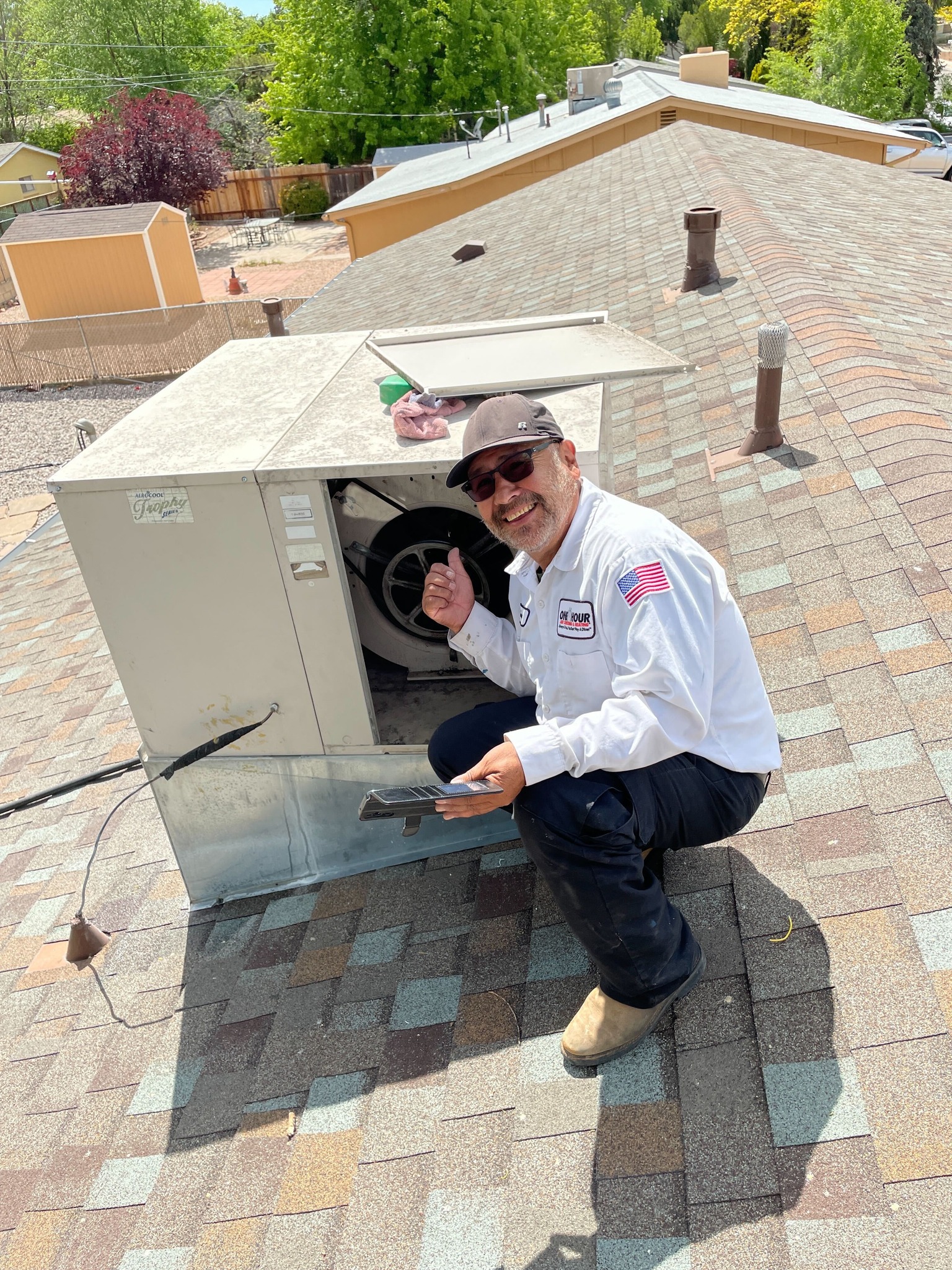
While DIY fixes can offer temporary relief for a compressor hard start, certain situations require professional expertise. If after attempting the suggested DIY solutions, your system still struggles, it’s time to call in the experts. Professionals in Fort Worth, TX, have the tools and knowledge to diagnose and repair complex issues that go beyond the scope of basic troubleshooting. Their intervention ensures that your system receives the most effective and lasting solution.
Repeated hard starts can indicate a deeper problem within your air conditioning system that DIY methods cannot fix. For example, if your system continues to experience hard starts despite installing a new hard start kit or replacing the capacitor, there may be an underlying issue that only a professional can identify. In such cases, residents of Aledo, TX, should not hesitate to seek professional help. A technician’s assessment can save you from future breakdowns and extend the lifespan of your AC unit.
Professionals not only address the immediate problem but also offer preventive measures to avoid future compressor hard starts. During their visit, they can perform a comprehensive check of your system, identifying potential issues before they escalate. This proactive approach can be particularly beneficial, ensuring your system remains efficient and reliable. It’s a smart strategy for homeowners looking to maintain their air conditioning system’s health in the long term.
Lastly, relying on professional services for hard start issues guarantees safety and efficiency. Handling electrical components and diagnosing complex mechanical issues carries risks, especially for those without proper training. For residents in Fort Worth, TX, employing the services of a skilled technician not only resolves the current problem but also provides peace of mind, knowing that their system is in capable hands. This level of expertise is crucial for maintaining a safe and comfortable home environment.
Installing a Hard Start Kit: A Step-by-Step Guide
When facing a compressor hard start, installing a hard start kit can be an effective solution. This device provides the extra jolt your system needs to initiate without undue stress. For homeowners in Fort Worth, TX, undertaking this task can enhance their air conditioner’s efficiency and longevity. It’s a proactive step that addresses the issue directly and can prevent more severe problems down the line.
The process begins with turning off the power to your air conditioning unit to ensure safety. Next, locate the compressor’s capacitor, as this is where the hard start kit will connect. This step requires careful attention to detail and adherence to manufacturer instructions. Residents in Aledo, TX, should remember that safety comes first, and all steps should be approached with caution.
Connecting the hard start kit involves attaching its wires to the corresponding terminals on the capacitor. This task might seem daunting, but it’s quite straightforward with the right guidance. Once connected, securing the kit in place is essential to prevent any movement or disconnection. This ensures the kit can efficiently do its job each time the compressor starts.
Finally, restoring power and testing the system is crucial to confirm the installation’s success. Homeowners should listen for a smoother start-up and observe the system’s performance. If the compressor kicks on without the previous struggle, the hard start kit has likely solved the problem. This fix can bring relief and satisfaction, knowing your air conditioning system is set for optimal operation.
Preventing Future Compressor Hard Start Problems
Preventing future compressor hard start problems begins with regular maintenance of your air conditioning system. In Fort Worth, TX, scheduling annual inspections with a professional can catch early signs of wear and tear. These checks allow for the replacement of aging components before they fail. Ensuring your system is clean and well-maintained reduces the strain on the compressor, helping avoid hard starts.
Another key strategy involves monitoring the system’s electrical supply. Fluctuations in power can stress the AC unit, leading to hard starts. Homeowners should ensure their system receives a stable and adequate electrical supply. This might involve consulting with an electrician to check the home’s wiring and power capacity.
In Aledo, TX, adapting to seasonal changes can also prevent compressor hard start issues. Preparing your air conditioning system for the demands of summer or the dormancy of winter can make a difference. Actions such as cleaning outdoor units from debris and checking insulation on refrigerant lines help maintain optimal performance. These steps ensure the compressor starts smoothly, regardless of the season.
Lastly, being proactive about potential problems plays a crucial role. Homeowners who notice unusual noises or performance issues should not wait to seek professional advice. Addressing concerns early prevents minor issues from escalating into compressor hard start conditions. Regular communication with HVAC professionals keeps your system running efficiently and extends its lifespan.
The Impact of Regular Maintenance on Compressor Health
Regular maintenance plays a pivotal role in preventing compressor hard start issues, ensuring the health and efficiency of your air conditioning system. By scheduling routine check-ups, homeowners in Fort Worth, TX, can avoid the stress and strain that lead to hard starts. These maintenance sessions allow professionals to identify and rectify potential problems before they escalate. Keeping your system in top condition minimizes the risk of compressor hard start, extending the unit’s lifespan.
In Aledo, TX, the benefits of preventive maintenance are clear, particularly when it comes to compressor health. Clean filters and well-maintained components allow for smoother operation and reduce the likelihood of hard starts. Technicians can spot signs of wear or damage during these inspections, taking corrective action early. This proactive approach not only safeguards the compressor but also enhances overall system performance.
The electrical aspects of an air conditioning system are crucial for avoiding compressor hard start scenarios. Regular maintenance checks include ensuring that electrical connections are secure and functioning properly. This attention to detail prevents the power issues that can cause hard starts, ensuring the compressor has the stable electrical supply it needs. Homeowners can rest easy knowing their system is optimized for reliable start-ups.
Lastly, the value of professional maintenance cannot be overstated when it comes to preventing compressor hard start conditions. Experts equipped with the right tools and knowledge offer peace of mind to homeowners in Fort Worth, TX. They ensure that every component of the air conditioning system, especially the compressor, is in excellent condition. Through regular maintenance, the risk of hard starts is significantly reduced, promoting a cool and comfortable home environment.
Frequently Asked Questions
What causes a compressor hard start?
A compressor hard start often stems from electrical issues or aging components. Reduced airflow or faulty capacitors can also trigger this problem. Regular maintenance helps identify these issues early. Ultimately, addressing these causes promptly prevents further system damage.
How do I fix a compressor hard start?
Fixing a compressor hard start requires identifying the root cause first. If a faulty capacitor is to blame, replacing it often solves the problem. Ensuring proper airflow and cleaning filters can also improve performance. For complex issues, seeking professional help from a certified HVAC technician is best.
What are common hard start symptoms?
Common symptoms of a compressor hard start include the air conditioning system struggling to turn on or taking longer than usual to do so. You might also notice unusual noises, like clicking or humming, coming from the unit when it attempts to start. Another indicator is the circuit breaker tripping frequently, pointing towards an overworking compressor. Lastly, if the system starts but fails to cool the space efficiently, it could be a sign of a compressor hard start issue.
Can a hard start damage my compressor?
Yes, a compressor hard start can indeed harm your compressor over time. The extra strain it causes can lead to wear and tear on the components. This stress might shorten the lifespan of your compressor significantly. To prevent this, addressing hard start issues promptly is crucial for maintaining your system’s health.
How often do compressors hard start?
Compressor hard starts aren’t everyday occurrences but can happen more frequently in older or poorly maintained systems. Regular maintenance helps catch potential issues before they lead to hard starts. In systems that are well-cared-for, hard starts may signal the need for a part replacement or adjustment. Addressing these signs early on can prevent more frequent and severe problems down the line.