


Start Capacitor Test for Reliable Starts
Ensuring your air conditioning system works flawlessly in the sweltering heat of Fort Worth, TX, starts with a crucial component: the start capacitor. This tiny but mighty part is responsible for giving your AC the initial jolt of electricity it needs to start up. That’s why conducting a start capacitor test is essential for reliable starts, especially before the peak of summer hits. Whether you’re in Haslet, TX, or North Richland Hills, TX, understanding how to test and interpret the results can save you from uncomfortable days and restless nights.
A start capacitor test is not just about checking if your AC will turn on. It’s about ensuring that when it does, it operates efficiently and effectively. In the long run, regular testing can extend the lifespan of your air conditioning unit. It’s a preventive measure that can make all the difference in the performance of your system.
Residents of Fort Worth and its neighboring cities like Haslet and North Richland Hills understand the importance of a functioning AC system. The last thing anyone wants is for their unit to fail during the hottest days of the year. A start capacitor test is a simple yet effective way to avoid such predicaments.
By keeping an eye on the health of your start capacitor through regular testing, you’re not just ensuring your comfort. You’re also potentially avoiding the inconvenience and expense of emergency repairs. It’s a small step that can lead to significant benefits for the longevity and reliability of your air conditioning system.
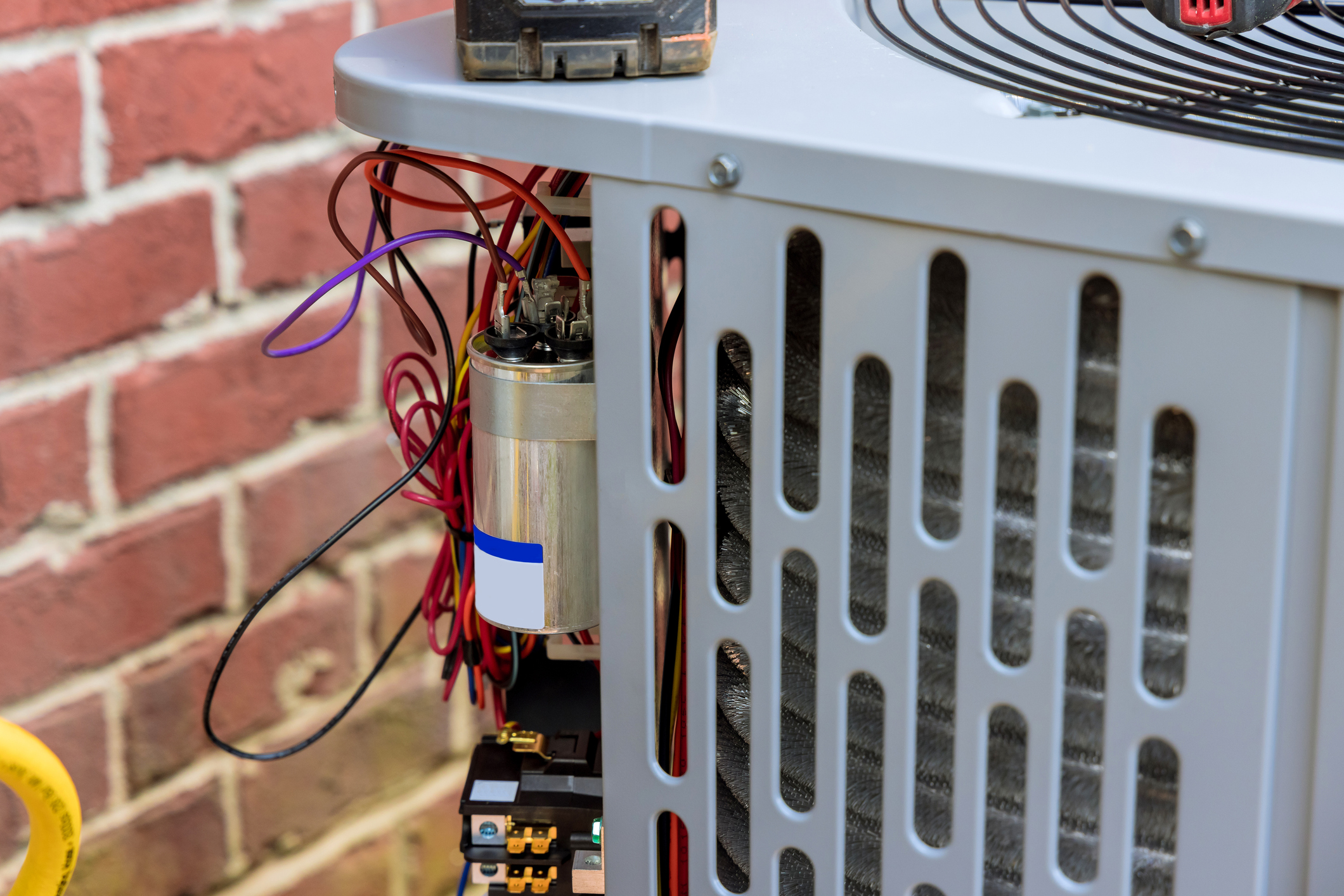
Understanding Start Capacitors in HVAC Systems
Understanding the role of start capacitors in HVAC systems is crucial for maintaining an efficient air conditioning unit. These components store energy, allowing your AC to power up quickly and smoothly every time it’s turned on. Without a properly functioning start capacitor, your system may struggle to start, leading to increased wear and tear. Conducting a start capacitor test ensures that this vital part is in top working condition, offering peace of mind during the hot months in Fort Worth, TX.
A start capacitor test involves measuring the capacitor’s ability to hold a charge, which directly impacts your AC’s startup performance. If the test reveals that the capacitor cannot store enough energy, it may be time for a replacement. This simple diagnostic step can prevent unexpected system failures, especially when temperatures in Haslet, TX, begin to climb. Keeping your start capacitor in check is a proactive approach to air conditioning maintenance.
Residents of North Richland Hills, TX, and surrounding areas can easily overlook the importance of start capacitors until issues arise. Regular testing can detect early signs of wear and degradation, allowing for timely interventions. This not only ensures your AC starts reliably but also contributes to the overall health of your system. A healthy start capacitor means fewer startup struggles and a longer lifespan for your air conditioning unit.
Ultimately, the goal of a start capacitor test is to guarantee that your air conditioning system operates at its best when you need it most. By understanding and maintaining this crucial component, you can enjoy uninterrupted comfort throughout the summer. Regular testing is a small but essential step in safeguarding against the inconvenience of a malfunctioning AC unit. It’s a smart practice for any homeowner looking to maintain a cool and comfortable living environment in the heat of Fort Worth, TX.
How to Perform a Start Capacitor Test
Performing a start capacitor test is a straightforward process that any homeowner in Fort Worth, TX, can undertake with the right tools. First, ensure your air conditioning system is turned off. This safety step is crucial to prevent any electrical hazards. Next, locate the start capacitor, usually found in the outdoor unit of your AC system.
Using a multimeter set to the capacitance setting, attach the multimeter leads to the capacitor terminals. It’s important to handle the leads carefully to get an accurate reading. The multimeter will display the capacitor’s current capacitance level. Compare this reading to the specifications listed on the capacitor.
If the measured capacitance is significantly lower than the specified range, it indicates the start capacitor may be failing. This is a clear sign that your AC system’s efficiency could be at risk. Residents in Haslet, TX, should consider this test a routine part of their AC maintenance to ensure reliable operation.
Finally, if the start capacitor passes the test, reattach any disconnected wires and close up your AC unit. For those in North Richland Hills, TX, conducting this test before the peak summer months can save you from unexpected breakdowns. Regularly performing a start capacitor test is a proactive measure to maintain the health of your air conditioning system.
Tools Needed for a Start Capacitor Test
To conduct a start capacitor test effectively, a few essential tools are required. A reliable multimeter with a capacitance setting is the most critical tool. This device measures the capacitor’s ability to store an electrical charge, which is crucial for a successful start-up of your air conditioning system. Ensure the multimeter is properly calibrated for accurate readings.
Another important tool is a non-conductive screwdriver. This tool is used for safely discharging the start capacitor before testing begins. Discharging the capacitor is a critical safety step to prevent any accidental electrical shocks. It’s a simple process but essential for protecting yourself during the test.
Insulated gloves provide an additional layer of safety while handling the start capacitor and other electrical components of the air conditioning system. These gloves should be rated for electrical work to ensure maximum protection. Wearing them reduces the risk of electrical burns or shocks, making the testing process safer.
Finally, a flashlight or a headlamp can be incredibly useful, especially when working in dimly lit areas around the air conditioning unit. Good lighting helps in accurately locating the start capacitor and reading the multimeter display. It’s a simple tool but crucial for ensuring the task is performed accurately and safely.
Interpreting Test Results for Start Capacitors
After conducting a start capacitor test using a multimeter, interpreting the results accurately is crucial. If the reading is within the manufacturer’s specified range, the capacitor is functioning correctly. This means your air conditioning system in Fort Worth, TX, should start without issues. However, a reading outside this range suggests the capacitor may be weakening or faulty.
A lower than expected reading indicates the capacitor cannot hold enough charge for reliable starts. This condition can lead to the air conditioner struggling to turn on, especially during the hot summer months. Residents of Haslet, TX, recognizing this early, can address the issue before it leads to system failure. Taking action at this stage can save you from the discomfort of a non-operational AC.
On the other hand, a higher than normal reading is rare but signifies the capacitor may have internal defects. Such a scenario could potentially harm the air conditioning system’s electrical components. It’s advisable to consult with a professional in North Richland Hills, TX, to assess the capacitor and consider replacement if necessary. Ignoring this warning could lead to more significant AC issues.
Understanding how to interpret these test results is essential for maintaining your air conditioning system’s efficiency and longevity. Regularly performing a start capacitor test ensures your unit is ready to provide relief from the heat. For homeowners in Fort Worth, TX, and its surrounding areas, this knowledge contributes to a comfortable and worry-free summer. Keeping your system in top condition means you can enjoy cool air whenever you need it.
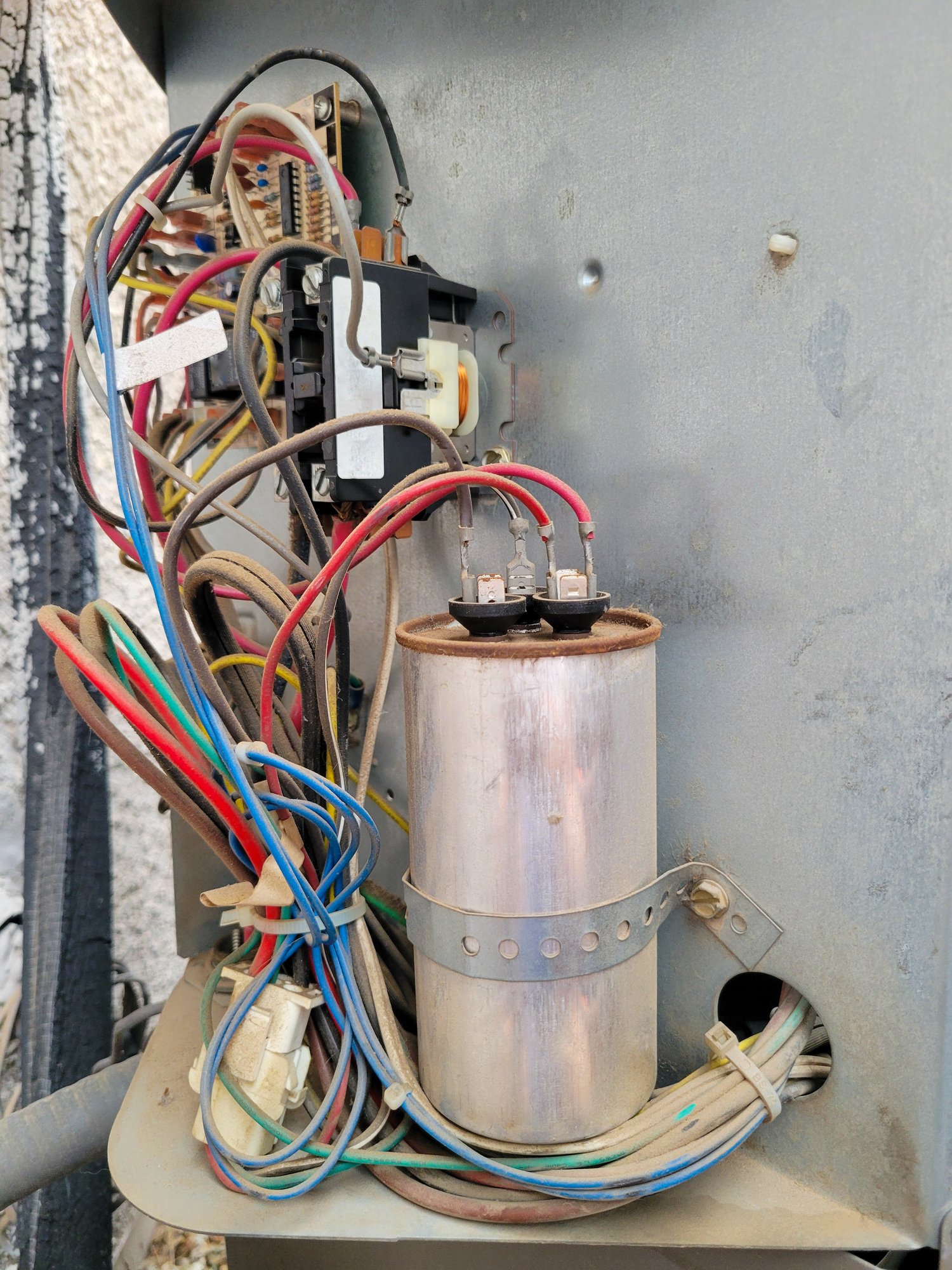
Common Issues Identified by Start Capacitor Tests
A start capacitor test often uncovers common issues that, if ignored, can lead to bigger problems for your air conditioning system. One frequent issue discovered is a weakened capacity for storing charge. This condition directly impacts the efficiency of your AC’s startup, making it sluggish or inconsistent. Residents in Haslet, TX, facing this problem may notice their AC struggling to kick on during the hottest days.
Another common issue identified through testing is physical damage to the capacitor itself. Capacitors can suffer from wear and tear or even external damage, affecting their performance. In North Richland Hills, TX, where temperatures can soar, such damage compromises your air conditioning system’s reliability when you need it most.
Electrical faults within the start capacitor can also be detected during a test. These faults might cause the capacitor to perform erratically, leading to unpredictable starting of the AC unit. Identifying and addressing these electrical issues early prevents further damage to your air conditioning system, ensuring it operates smoothly.
Lastly, a start capacitor test can reveal if the capacitor is completely non-functional. A non-working capacitor will prevent your AC from starting altogether, leaving you without cooling during sweltering temperatures. Timely identification and replacement of a failed capacitor are crucial for maintaining your comfort and the efficiency of your air conditioning system.
DIY vs. Professional Start Capacitor Testing
When considering a start capacitor test, homeowners might ponder whether to attempt this task DIY or seek professional help. Conducting the test yourself can provide immediate insights into your air conditioning system’s health, especially in areas like Haslet, TX, where summer temperatures demand a fully functional AC. However, interpreting the results accurately and safely handling electrical components require a certain level of expertise and caution. Without proper knowledge, you risk misdiagnosis or even injury.
On the other hand, professional technicians bring a wealth of experience to start capacitor testing. They not only perform the test with precision but also diagnose underlying issues that might not be apparent to the untrained eye. For residents in North Richland Hills, TX, hiring a professional ensures that any start capacitor issue is thoroughly addressed, preventing future AC malfunctions. Professionals also offer advice on maintaining your system for optimal performance, adding value beyond the test itself.
The decision between DIY and professional start capacitor testing also hinges on the complexity of your AC system. Modern air conditioning units can be intricate, with start capacitors integrated into complex electrical circuits. Navigating these systems safely and effectively demands a level of technical skill that most homeowners may not possess. Thus, seeking professional assistance can save time and ensure the accuracy of the test results.
Ultimately, while a DIY start capacitor test might seem like a cost-effective and immediate solution, the benefits of professional testing cannot be overstated. Experts not only guarantee a precise diagnosis but also ensure the overall well-being of your air conditioning system. For those looking to maintain a cool and comfortable home environment during the scorching Texas summers, professional testing is a wise investment.
Maintenance Tips to Prevent Start Capacitor Failure
To ensure your air conditioning system in Fort Worth, TX, remains reliable, especially during the intense summer heat, regular maintenance of the start capacitor is crucial. A simple yet effective tip is to keep the surrounding area of your AC unit clean and free from debris. This prevents any potential blockages that could affect the system’s airflow and cooling efficiency, indirectly helping in the capacitor’s performance.
In Haslet, TX, where temperatures can soar, checking the start capacitor’s connections regularly is another preventative measure. Loose connections can lead to inefficient system performance or even failure to start. Tightening these connections ensures that your AC receives the full power it needs for a smooth start.
Another maintenance tip is to monitor the cooling system’s overall performance. If you notice any irregularities in how your AC starts or operates, it might indicate an issue with the start capacitor. Early detection of such signs can prompt a timely start capacitor test, preventing more significant problems down the line.
Lastly, for residents in North Richland Hills, TX, scheduling professional maintenance checks can be a game-changer. Experts can perform a comprehensive start capacitor test and inspect other components, ensuring everything is in top working condition. This proactive approach not only extends the lifespan of your AC but also maintains its efficiency, keeping your home comfortable during the hot months.
When to Replace Your Start Capacitor
Knowing when to replace your start capacitor is essential for maintaining the efficiency and reliability of your air conditioning system. A start capacitor test can reveal if the capacitor’s performance has declined beyond repair. In such cases, replacing the capacitor is the best course of action to ensure your AC unit starts smoothly, especially during the intense summer heat in Haslet, TX. This proactive step can prevent unexpected system failures and maintain your comfort.
If your air conditioning system starts exhibiting signs of struggle or fails to start on the first try, it might be time for a replacement. A start capacitor test can confirm whether the capacitor is the root of the problem. Residents of North Richland Hills, TX, experiencing these issues should consider testing their start capacitors as part of routine maintenance. Early detection and replacement of a failing capacitor can significantly improve the system’s performance.
Regular maintenance checks by professionals can also help determine the right time to replace your start capacitor. Experts are skilled in interpreting start capacitor test results accurately and can advise on whether a replacement is necessary. Their insights ensure that your air conditioning system remains in optimal condition, providing reliable cooling when you need it most. Trusting professional judgment can save you from the inconvenience of AC breakdowns during the hottest days.
Lastly, understanding the lifespan of start capacitors can guide you in scheduling timely replacements. Most capacitors have a defined operational life, and a start capacitor test can help assess whether yours is nearing its end. Keeping track of this timeline can help you anticipate the need for a replacement, ensuring your air conditioning system in Fort Worth, TX, operates efficiently year-round. Proactive replacement of your start capacitor is a smart maintenance strategy that enhances your AC’s longevity and reliability.
Frequently Asked Questions
What is a start capacitor?
A start capacitor is a crucial component in your HVAC system that helps the motor start up quickly and efficiently. It stores energy, releasing it when the system turns on to give it an initial boost. Over time, these capacitors can wear out or fail, making a start capacitor test essential for maintaining reliable operation. Conducting regular tests ensures your air conditioning and heating system starts without a hitch, keeping your home comfortable year-round.
How to perform a start capacitor test?
To perform a start capacitor test, first, ensure your HVAC system is turned off for safety. Use a multimeter set to the capacitance setting and attach its leads to the capacitor’s terminals. The reading should match the capacitor’s rated capacitance value within a certain range. If the results show a significant deviation, it might be time to replace the capacitor to maintain your system’s efficiency.
What tools are needed for testing?
For a start capacitor test, a multimeter with a capacitance setting is essential. Also, safety gloves protect against electrical shocks during the process. Ensure the HVAC system is off before you begin to guarantee safety. These tools help accurately assess the capacitor’s health, ensuring your system runs smoothly.
Why is a start capacitor test important?
A start capacitor test is vital for ensuring your HVAC system kicks off without a hitch. It identifies potential issues before they lead to a breakdown, keeping your system running smoothly. Regular testing helps extend the lifespan of your air conditioning and heating units. Ultimately, it ensures your home remains comfortable, whatever the weather outside.
Signs your start capacitor is failing.
If your HVAC system struggles to start, it might be a sign the start capacitor is failing. Another indicator is a humming noise from the unit when it attempts to turn on. Your air conditioner might also shut off unexpectedly after a short run time. Regular start capacitor tests can catch these issues early, ensuring your system remains reliable.