

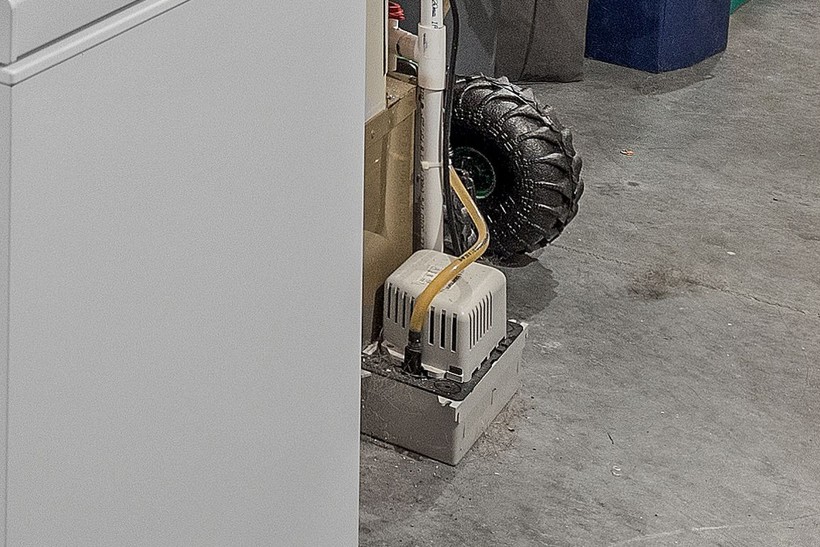
Condensate Pump Cleaning to Prevent Surprise Leaks
Key Takeaways About Condensate Pump Cleaning
Condensate pump cleaning means removing buildup so condensate drains safely from the air handler. This guidance helps homeowners and property managers spot problems before leaks damage living spaces.
- Identify puddles musty smells and unusual pump noises early.
- Prevent overflow by keeping the reservoir and drain line clear.
- Avoid electrical risks by shutting power off before working.
- Spot biofilm mineral crust and check valve obstructions quickly.
- Reduce hidden water damage with routine inspections and records.
- Plan professional diagnostics when cleaning does not restore proper flow.
Introduction
A clogged or dirty condensate pump can cause hidden water buildup that damages ceilings, floors, and insulation. Homeowners often miss early signs because condensate lines and pumps sit out of sight near the air handler. Small leaks can become steady drips that create mold and rot inside walls. For homeowners in Fort Worth, spotting symptoms early prevents larger repairs later.
Common symptoms include puddles around the air handler, musty odors, and the HVAC system shutting down unexpectedly. You may also hear the pump run longer than usual or click repetitively between cycles. Visible algae or black residue near the condensate outlet often signals a dirty system. In Keller, TX, homes with high indoor humidity show these signs sooner.
Regular condensate pump cleaning reduces the chance of sudden overflow and water damage to living spaces. A maintained pump keeps the condensate drain line clear and the float switch operating correctly. Professionals check the pump, clean the reservoir, and test the float and check valve during service. Timely maintenance also helps the evaporator coil drain properly and keeps the air conditioner running reliably.
If you notice unexplained water, sick occupants from mold, or frequent HVAC shutdowns, act quickly to inspect the condensate system. A professional can diagnose the problem using visual checks and simple operational tests like float movement and drain flow. Written findings and photos help you decide on repairs and maintenance frequency. Prompt attention prevents surprise leaks and protects your home from avoidable water damage.
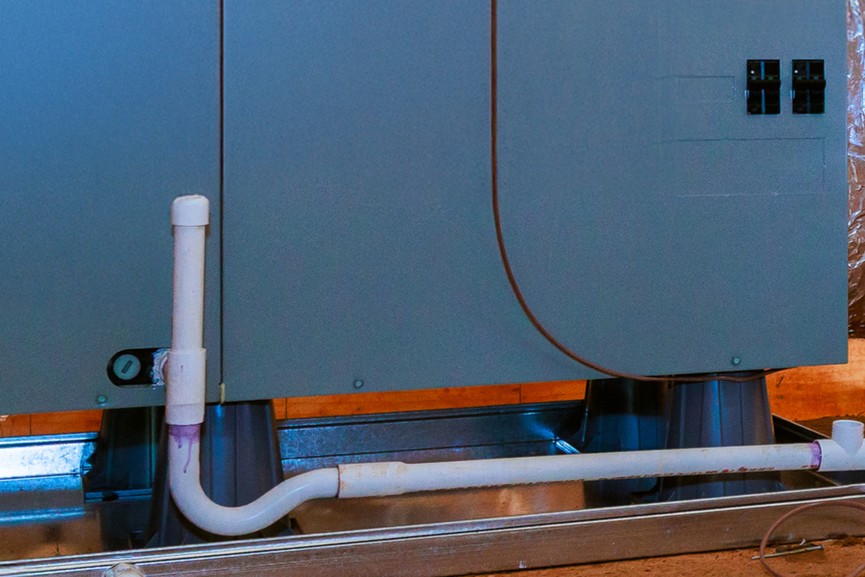
How Condensate Pump Cleaning Works And Why It Matters
Condensate pump cleaning means removing debris and biofilm so the pump and drain line move condensate safely away from the air handler.
- Remove the pump cover.
- Empty and rinse the reservoir.
- Clear the outlet and check valve.
- Flush the drain line.
Regular cleaning prevents the float switch from sticking and avoids overflow that can damage ceilings and insulation. Homeowners often ask, “Will cleaning stop leaks?” Yes, a clear reservoir and drain line stop most common overflow leaks when the pump operates properly. A clean pump also reduces musty odors from standing water near the air handler.
During a service visit, a technician inspects the float, check valve, and outlet for wear or blockage. They may run the pump manually and pour water into the reservoir to confirm the float actuates and the pump discharges. Visual checks for algae, black residue, or mineral buildup guide whether more aggressive cleaning or replacement is necessary.
Simple homeowner checks between services include watching for longer run cycles and listening for unusual clicking sounds. If you see water pooling or smell persistent mold, shut off the system and call a professional. For guidance on accessible cleanout points, review the condensate cleanout tee information available at condensate cleanout tee resources.
In a common situation, a pump that runs continuously may show slow drain due to a partially clogged line, causing wet drywall stains and soft flooring. A technician would measure drain flow, inspect the evaporator coil for excess condensate, and use a moisture meter to check surrounding materials. Homeowners in Fort Worth and properties in Keller, TX should note recurring moisture as a sign to schedule professional maintenance to prevent unseen water damage.
Common Causes Of Condensate Pump Clogs For Homes
Organic growth like algae and mold commonly forms when standing water sits in the reservoir or drain line. Dust and lint from the blower can wash into the condensate trap and stick to the pump inlet. Mineral scale builds when hard water drips into the reservoir, narrowing the outlet and slowing discharge. Small insects and debris also find their way into open cleanouts and cause partial blockages.
Kinks, sagging, or improper slope in the condensate drain line create low spots where water pools and solids collect. A blocked vent or clogged check valve can force water back into the reservoir, encouraging sludge buildup. Corroded fittings or loose tubing connections let oily residues enter the pump housing and attract more debris. Installing the wrong tubing diameter can reduce flow and raise the chance of clogs.
Poorly maintained evaporator coils produce excess condensate and wash more particulates into the drain system. A malfunctioning float switch that sticks closed can leave water standing until heavy debris forms. Rodent or pest activity near the air handler can introduce nesting material that blocks the outlet. Technicians use visual inspection, manual pump activation, and flow checks when diagnosing these causes during routine service.
Mechanical wear also contributes: worn impellers, failing check valves, and brittle tubing all change how the pump moves water. Homeowners who see frequent cycling, water stains, or slow drains should consider a diagnostic visit with condensate pump testing and repair to confirm root causes. A service call typically includes reservoir cleaning, valve inspection, and a flow test recorded in a written report. For more on testing and repair, review the condensate pump repair and testing information before scheduling service.
Early Warning Signs Of A Dirty Condensate Pump
You might notice unusual sounds near the air handler that signal a dirty condensate pump, such as frequent short clicks or a labored hum when the pump runs. A change in timing, like the pump running more often during mild cooling, suggests the reservoir fills faster than it drains. Black slimy residue or greenish streaks on nearby surfaces often mean biofilm has formed in the reservoir or drain line. In Fort Worth homes, these visual and auditory cues often appear before visible water reaches living spaces.
Another sign is intermittent HVAC shutdowns that correspond with high humidity or heavy use, the safety float may trip when the pump cannot keep up. Look for damp insulation, warped cabinet bottoms, or a faint musty smell around the air handler closet as early indicators. A slow trickle from the condensate outlet instead of a steady discharge frequently points to partial blockage in the outlet or check valve. Technicians diagnose this by observing pump operation and checking discharge during a manual activation.
Reduced cooling performance paired with longer fan or compressor run cycles can mean the evaporator coil is staying wetter, producing extra condensate the pump cannot clear. You might find water stains on ceilings under HVAC lines even with no obvious leak, which implies intermittent overflow events. A professional would inspect the float switch, confirm float movement, and test the pump by pouring water into the reservoir to watch response. They may also examine the drain line path and recommend a condensate line reroute if poor routing contributes to pooling.
Visible insects or debris around the cleanout access often precede clogs that slow discharge and make the pump work harder. Finding mineral crust or gritty particles in the reservoir suggests hard water contribution and possible narrowing of the outlet. A moisture meter check near drywall or subflooring helps confirm hidden wetting that happens before surface mold appears. In Keller, TX properties, recurring minor symptoms often lead professionals to schedule a deeper cleaning and targeted repairs to prevent steady leaks.
Step By Step Condensate Pump Cleaning Procedure
Start by shutting off power to the air handler at the service switch or breaker and confirming the unit is idle before opening the pump cover. Remove the cover and inspect the reservoir for visible sludge, algae, and mineral crust, taking care to note how the float sits when the tank is empty. Use a flashlight to check the inlet, outlet, and check valve for trapped debris that could impede flow. If you find significant buildup, prepare cleaning supplies like a soft brush, rags, and a mild vinegar solution to dissolve deposits safely.
- Turn off power and unplug the pump if accessible.
- Empty the reservoir into a bucket or drain.
- Brush the interior walls and float gently.
- Flush the outlet and check valve with water.
- Reassemble after testing proper operation.
After emptying the reservoir, gently scrub the float and surrounding area to free biofilm without bending or stressing the float arm. Remove and rinse the check valve, then blow or flush it with water to remove trapped particles that cause backflow. Inspect the discharge tube for kinks and detach it briefly to run a garden hose through the line, clearing any soft obstructions. For PVC or rigid lines, a short snake or wet/dry vacuum at the cleanout can help dislodge stubborn clogs.
Once cleaned, pour water into the reservoir to check float movement and to witness the pump engaging and discharging clearly through the outlet. Listen for steady pump operation and observe a continuous stream from the discharge, intermittent sputtering suggests remaining blockage or a failing pump impeller. Reattach the cover and restore power, then monitor several on-off cycles during a normal cooling period to confirm reliable function. If the float sticks, the pump runs without discharging, or you detect leaks at fittings, stop and consult a professional instead of forcing repairs.
If the condensate drain line routes with low spots or incorrect slope, consider inspecting the trap slope and routing for persistent pooling that cleaning cannot fix. Proper slope prevents repeat clogs by ensuring gravity assists flow toward the drain point, and resources about correct trap slope offer useful guidance for homeowners. For recurring biofilm or mineral buildup, technicians may recommend installing accessible cleanouts or biocide tablets to reduce growth between visits. Homeowners in Fort Worth and properties in Keller, TX should note repeated issues as a sign to schedule professional evaluation to prevent hidden water damage.
Safety Precautions Before You Start Cleaning
Before touching the pump, shut off power at the air handler breaker and test that the unit is dead with a non-contact voltage tester. Wear nitrile gloves and safety glasses to avoid contact with biofilm, which can irritate skin and spread contaminants. Keep a towel under the pump to catch spills and protect nearby insulation or drywall from drips during cleaning. If you encounter standing water that smells strongly of mold, consider calling a professional due to potential health risks and hidden contamination.
Avoid working alone when accessing cramped closets or tight basements where the air handler sits, so someone can assist if you slip or need help. Use a flashlight and a small mirror to inspect behind and beneath the pump before removing any fittings to identify leaks or cracked tubing. Disconnect the pump only after confirming power is off and noting how tubing and wiring are routed for correct reassembly. Label any electrical leads with tape if you plan to unplug connectors to prevent miswiring on restart.
When detaching the discharge line, place a bucket beneath the outlet to capture residual water and debris, and avoid spilling onto finished floors or stored items. If the drain line requires flushing, use appropriate pressure and a hose technique designed for condensate plumbing to prevent damage to fittings, a homeowner guide on drain-line flushing explains safe methods. Avoid using harsh acids or bleach directly in small plastic reservoirs as they can degrade plastics and harm float components. If you find brittle tubing or corroded fittings during inspection, stop and consult a technician for replacement to ensure a reliable seal.
Ensure any tools you use are insulated and sized for the fittings to prevent slips that could crack the pump housing or strip threads. After cleaning, visually confirm the float moves freely and that the check valve faces the correct direction before restoring power. Monitor initial pump cycles for at least 20 minutes to watch for proper discharge and listen for abnormal noises that signal mechanical issues. Homeowners in Fort Worth and technicians in Keller, TX often follow these steps to reduce risk and confirm safe condensate pump cleaning.

When To Call A Professional For Condensate Pump Cleaning
Call a professional when your troubleshooting shows repeated float failures or the pump runs but discharges only intermittently despite cleaning efforts. A technician will perform a controlled diagnostic that includes observing float action, checking pump current with a clamp meter, and verifying steady discharge at the outlet. They can also pressure-test or camera-inspect longer drain runs to find hidden kinks or collapse that a homeowner visual check cannot confirm. If you detect moldy odors combined with persistent damp spots near finishes, involve a pro to assess contamination and structural moisture.
If the pump makes grinding noises, surges, or long labored cycles after a basic clean, contact a technician before the unit seizes and overflows. A professional can inspect the impeller, motor bearings, and check valve, then confirm operation by activating the pump while measuring run time and flow. They may use a moisture meter and record readings around nearby drywall or subfloor to determine whether unseen water has already damaged materials. In homes with high humidity or older systems, repeat symptoms often indicate mechanical wear needing replacement rather than cleaning.
Engage a pro when you find cracked or brittle tubing, corroded fittings, or electrical connections that look unsafe during inspection and you are unsure how to repair them. Licensed technicians handle secure reconnections, replace degraded PVC or vinyl tubing, and test the safety float switch and wiring under load. They will also examine associated components like the evaporator coil and condensate drain trap for contributing faults that cleaning alone cannot fix. For properties with limited overflow protection, consider scheduling an evaluation to add secondary safeguards like a protected drain pan.
Request professional help if repeated clogs return quickly after cleaning, which can mean poor slope, improper routing, or biofilm source upstream that needs deeper treatment. A technician may recommend rerouting the line, installing accessible cleanouts, or fitting a secondary pan with a monitored drain to catch overflows early. They can also apply safe biocide treatments and document findings with photos and a written report for your records. For homeowners in Fort Worth and in Keller, TX, these measures help prevent surprise leaks into living spaces.
When you feel uncertain about electrical safety, plumbing integrity, or potential mold exposure, do not delay calling a technician who can provide a full diagnostic and remediation plan. Professionals bring proper tools, perform voltage and continuity tests, and confirm pump amperage and discharge pressure as needed. They will also advise on ongoing maintenance intervals and install alarms or float backups if your system lacks them. Scheduling a professional visit reduces the chance of water damage and gives you documented results to guide future care.
Preventive Maintenance Tips To Avoid Water Damage
Inspect the condensate pan and visible tubing monthly to spot slow drips or sagging that can lead to hidden moisture. Keep the area around the air handler clear so leaks are visible and any spilled water soaks into materials less. Check for unusual smells or moldy patches near the unit that indicate past or ongoing seepage into wall cavities. If you detect recurring wet spots, plan follow-up actions rather than waiting for a larger failure.
- Clear the area around the air handler regularly.
- Schedule a quick visual pan and tubing check monthly.
- Run water through the pump occasionally to test discharge.
- Replace brittle tubing at the first sign of cracks.
Install or upgrade secondary safeguards like overflow switches and alarmed drains to catch failures before they reach living spaces. Consider a monitored float or condensate safety switch that stops the system if the pump cannot keep up with condensate. Professionals can advise on devices compatible with your air handler and add redundancy where needed to prevent ceiling or floor damage. Learn more about these upgrade options and how they protect your home by reviewing recommendations for condensate safety switch upgrades.
Document your maintenance actions with photos and simple notes to track recurring problems and patterns that suggest deeper issues. If you see faster buildup or repeated cycling, collect visual evidence before contacting a technician for a targeted diagnostic. A pro will use those observations alongside tests like float movement checks and moisture-meter readings to identify root causes. For homeowners in Fort Worth and those in Keller, TX, keeping clear records speeds accurate diagnosis and helps prevent future water damage.
Seasonal Checklist For Condensate Pump Care
Create a simple seasonal checklist you can follow at the start of cooling and heating seasons to reduce surprise leaks and failures. Include a visual reservoir inspection, a manual float test, and a quick discharge observation while the system runs briefly. Note any slow trickle, odd noises, or visible residue and mark them for follow-up. Record the date and findings so patterns become obvious across seasons.
Schedule a drain-line flush and pump reservoir rinse at least twice a year to address biofilm and mineral buildup before they obstruct flow. During the checklist, verify tubing slope and look for soft spots or sagging that trap water and debris. Inspect the check valve direction and condition to ensure it prevents backflow into the reservoir. If you find brittle tubing or cracked fittings, include them on the service list for replacement.
Test any installed overflow switch or alarm as part of the seasonal routine so safety devices function when needed and alert you early. Pour a controlled amount of water into the reservoir during the test and watch for prompt pump activation and clear discharge at the outlet. Take photos of any wet drywall, staining, or soft flooring to support professional diagnosis if further work becomes necessary. Homeowners in Fort Worth should track recurring issues to guide maintenance frequency decisions.
Consider adding a seasonal reminder to your home maintenance calendar to perform these checks and call for service when anomalies appear. Technicians can perform a deeper diagnostic including moisture-meter readings and flow measurement if you note recurring problems. For guidance on preventing larger incidents and water damage from HVAC systems, review resources about preventing HVAC water damage during scheduled upkeep. Properties in Keller, TX with persistent symptoms may need professional evaluation to avoid unseen structural harm.
Frequently Asked Questions
How often should I schedule condensate pump cleaning?
For most homes, schedule condensate pump cleaning at least once a year during routine HVAC maintenance. Homes with high humidity, pets, or heavy system use should get it every six months. If you notice gurgling, water near the unit, or frequent shutoffs, call a professional sooner. If ladder work or electrical access is required, exercise caution and hire a trained technician.
What warning signs mean the condensate pump is failing?
Frequent water pooling near the air handler or a wet floor under the condensate pump often signals pump failure and clogged drains.
Unusual gurgling, continuous running, or the pump cycling much more than normal indicate the float switch or motor may be failing.
A musty odor, visible algae or slime in the reservoir, and slow drainage suggest buildup that makes condensate pump cleaning necessary.
If you see leaks, electrical issues, or can’t stop the water, shut off equipment and call a professional for safety and repair.
Can I clean the condensate pump myself safely?
Yes, many homeowners can perform basic condensate pump cleaning if they feel comfortable with simple HVAC tasks and power is off. Turn off power at the disconnect or breaker and wear gloves to avoid contact with buildup or standing water. If you see electrical corrosion, mechanical damage, persistent clogging, or mold, stop and call a professional for a safe repair. Caution: if you are unsure about electrical connections or drainage troubleshooting, contact a licensed technician to avoid water damage or shock.
How does a clogged pump cause hidden water damage?
A clogged condensate pump backs up water into the drain pan and overflow lines, creating hidden wet spots under insulation and flooring. Mold and rot can grow where moisture stays, weakening joists, drywall, and floor adhesives. A professional inspection uses moisture meters and checks the drain line, pump float, and condensate pan to confirm concealed leaks. If you see persistent dampness or odors, stop using the system and call a licensed technician to avoid further water damage and health risks.
When should I call a pro for condensate pump issues?
If the pump trips frequently, produces gurgling or grinding noises, or you see water pooling near the unit, call a pro promptly. A technician will inspect the condensate pump, condensate drain line, float switch, and check valve to diagnose the issue. If you notice mold, strong musty odors, or repeated overflow alarms, stop using affected areas and seek professional help because of health and water-damage risks. For safety and reliable results, contact a trained HVAC technician rather than attempting complex repairs yourself.