

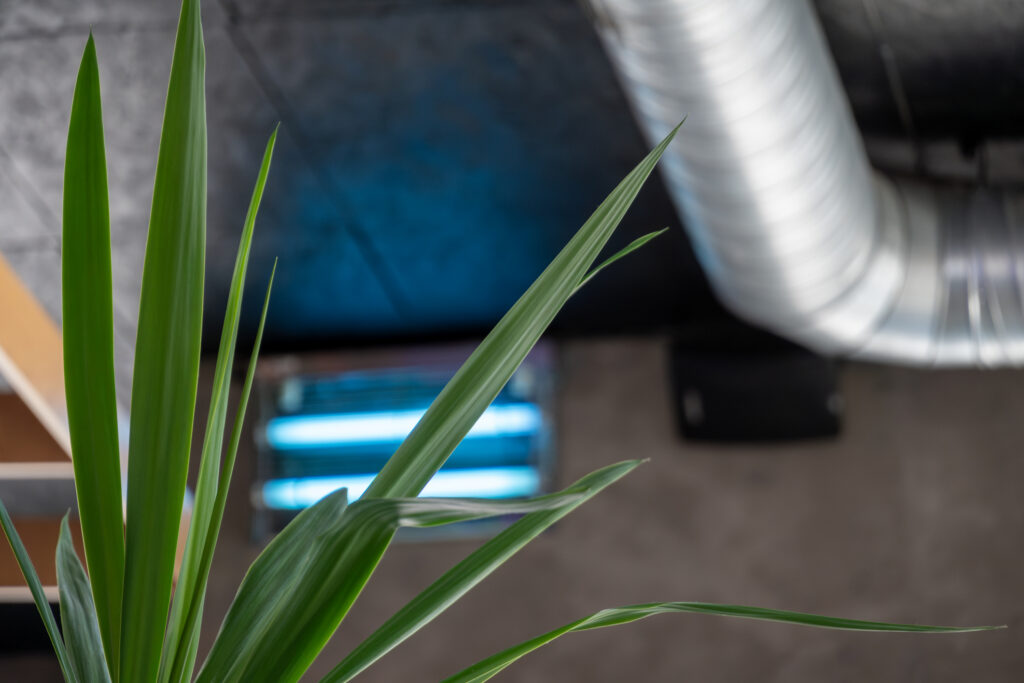
UV Germicidal Light Benefits for Indoor Air
Key Takeaways About UV Germicidal Light
UV germicidal light uses ultraviolet radiation to reduce microbes on wet HVAC surfaces. This summary is for homeowners and property managers deciding when to add UV during recurring coil or odor problems.
- Identify visible coil film mold and musty odors during inspection
- Prevent regrowth on evaporator coils and condensate pans between cleanings
- Avoid relying on filters alone for surface microbial control
- Spot restricted airflow or clogged filters that worsen coil moisture
- Reduce odor and short cycling by keeping coils cleaner over time
- Plan professional inspection for placement wiring and routine maintenance
Introduction
Indoor air can carry mold, bacteria, and viruses that cling to the evaporator coil and spread through ductwork. When coils get slimy or dusty they lose efficiency and can seed the air with microbes. UV germicidal light targets those organisms directly where they grow, reducing the microbial load. That matters because cleaner coils help deliver healthier air and steadier airflow throughout a home.
Filters capture particles moving through the return grille but they do not stop growth on the coil itself. A coil rich with moisture and organic film becomes a breeding ground despite filtration. UV germicidal light works alongside filters by interrupting growth on the coil and drain pan surfaces. Homeowners notice fewer musty smells and less visible film when the coil stays cleaner.
Moisture, restricted airflow, and accumulated dirt are common causes of coil contamination in many homes. Technicians inspect the evaporator coil, condensate pan, and return grille to confirm active growth and airflow issues. Visible black spots, recurring odors, or frequent filter clogging often point to microbial activity on the coil. In some cases a system in Keller, TX will show these symptoms more often because of heavy seasonal humidity.
Choosing treatments that combine filtration and UV germicidal light reduces microbial regrowth between professional cleanings. A trained HVAC technician can confirm where to place UV lamps relative to the evaporator coil and supply plenum during an inspection. For properties in Azle, addressing coil growth promptly keeps indoor air fresher and reduces strain on the system. If you suspect microbial growth, contact a qualified pro to evaluate the coil and overall system safety.
How UV Germicidal Light Works To Kill Microbes
UV germicidal light is ultraviolet radiation that inactivates microbes by damaging their DNA or RNA. Technicians place lamps so UV photons strike the evaporator coil surface and nearby wet areas. The radiation breaks chemical bonds in microbes, stopping replication and reducing colonies on the coil. Homeowners often ask if UV light kills mold on contact, and the short answer is it inactivates spores and cells it reaches directly.
- UV light works best where it has a clear line of sight.
- It reduces biological film that traps dust and pollen.
- UV does not replace a filter for particle capture.
- Maintenance keeps lamp output effective over time.
Effectiveness depends on dose, exposure time, and distance from the lamp to contaminated surfaces. A weak lamp or one placed too far will not deliver a lethal dose to stubborn colonies. Technicians measure lamp wattage and position relative to the evaporator coil during an inspection. They may also note surface conditions that block UV, like heavy dust or insulation covering.
A professional diagnosis starts with visible signs such as black spots, musty smells, and reduced airflow through the return grille. A technician will inspect the evaporator coil, condensate pan, and drain line, using a flashlight and sometimes a moisture meter. They may record photos and report findings, then recommend UV placement where the lamp can directly shine on the coil. For more detail on how these systems fit into HVAC care, see the company page explaining why UV lights matter in HVAC systems.
UV germicidal light works alongside filtration by targeting the growth sites filters do not reach inside the unit. Filters trap airborne particles before they reach the coil, while UV limits regrowth on the coil and drain pan surfaces. In homes in Azle or systems in Keller, TX with seasonal humidity, combining both methods reduces odors and microbial buildup. If you notice persistent biological signs, contact a qualified HVAC pro to confirm UV suitability and safe installation.
Why Coil Microbial Growth Happens In Systems
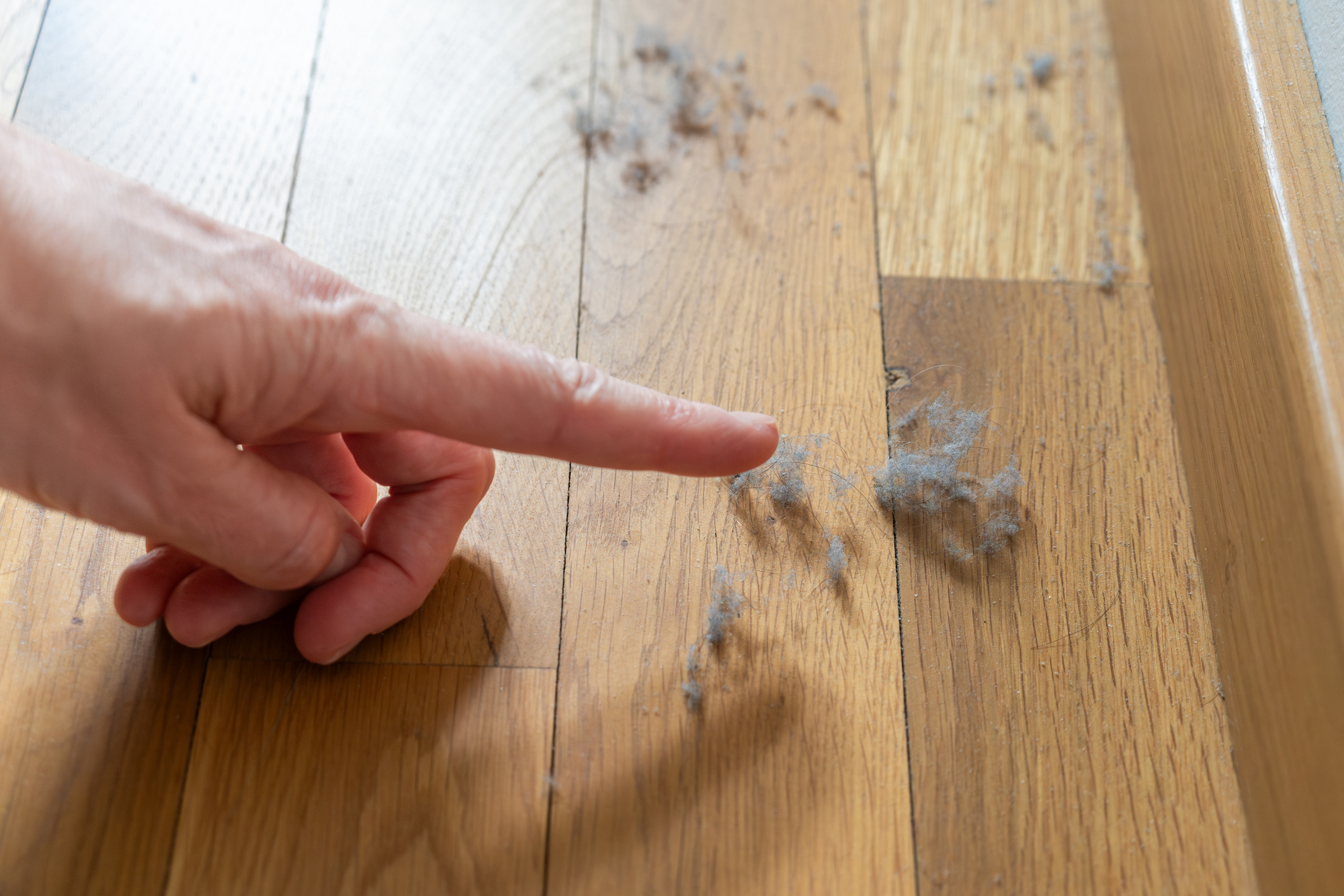
Evaporator coils sit in a constant cycle of cooling and condensation, which creates the damp surface microbes need to grow. Organic dust, pet dander, and pollen landing on the coil provide food that helps mold and bacteria form a slimy biofilm. Restricted airflow from a clogged return grille or a dirty filter raises coil temperature differences and increases condensation in spots where film develops. Homeowners often notice higher humidity and more frequent cycling when this buildup starts to affect heat transfer.
Surface texture and coil fins trap particles and make it harder for air or light to reach spores, so colonies gain a foothold in hidden crevices. Corrosion or bent fins can create pockets where moisture collects and remains longer after the system cycles off. A technician inspects the evaporator coil, fin spacing, and the condensate pan during diagnosis to see where moisture and film concentrate. They may use a flashlight and photos to document blocked areas and determine whether cleaning or targeted treatment will work best.
Airflow problems upstream contribute to microbial growth because slower air keeps the coil wet longer and reduces particle transport to the filter. Signs of poor airflow include weak supply registers, buildup at the return grille, and a dirty blower wheel or motor housing. Technicians will check the filter type, measure airflow qualitatively by feel at vents, and examine the condensate drain line for backups that can keep the pan wet. If persistent wetness or recurring film appears, adding continuous antimicrobial measures can help between cleanings.
Placing a UV germicidal light so it shines on the coil and drain pan reduces the live microbial population on those wet surfaces and slows biofilm formation. In combination with a quality filter and routine coil cleaning, a UV lamp limits the places spores can reestablish. For more about combining UV with other indoor air tools, see the company page on UV air purifiers. Homeowners in Azle or a property in Keller, TX should have a technician confirm lamp placement and safe wiring during an inspection.
Signs Your Air Conditioner Needs Microbial Treatment
Visible black spots on the coil or a persistent musty smell coming from supply registers often indicate active microbial growth that needs treatment. A homeowner may also notice increased dust clinging to vents or a sudden drop in cooling performance that cleaning alone does not fix. Technicians will inspect the evaporator coil closely and photograph any film to document the condition before recommending UV germicidal light placement. If these signs appear after a filter change and basic cleaning, microbial treatment becomes a reasonable next step.
Frequent filter clogging despite using appropriately rated filters can signal that biological film is shedding from the coil into the airflow. A professional will check the return grille, filter type, and blower compartment to confirm particles are originating from inside the unit. They may use a flashlight and a basic moisture meter to find damp spots on the coil and pan where microbes thrive. Confirming sources helps decide whether continuous UV treatment will reduce recurrences between cleanings.
Intermittent musty odors that return shortly after cleaning suggest spores persist in areas light or routine cleaning cannot reach. During diagnosis a technician inspects the condensate drain line and pan for slimy residue and runs the system to see when odors emerge most strongly. They might record photos and note how airflow and coil surface temperatures behave during operation. These observations guide lamp positioning so UV light can hit the most problematic surfaces directly.
Visible corrosion, bent fins, or fin spacing that traps debris create pockets where growth can restart quickly even after coil cleaning. A trained HVAC professional evaluates fin condition, checks the blower motor area, and measures airflow qualitatively at supply registers to find restricted zones. If inaccessible crevices shelter growth, installing UV germicidal light focused on the evaporator coil and drain pan can reduce microbial load over time. Homeowners in Azle should have a pro confirm safe wiring and lamp placement during the inspection process.
Benefits Of UV Germicidal Light For Coil Health
UV germicidal light reduces the sticky biofilm that dulls heat transfer on the evaporator coil, helping the coil keep its designed cooling capacity. Cleaner coil surfaces let refrigerant and airflow interact as intended, which can reduce unnecessary short cycling caused by poor heat exchange. Technicians often note improved evaporator surface cleanliness during follow-up inspections after UV has run continuously for several weeks. Homeowners may notice steadier room temperatures and fewer sudden runtime changes once biofilm decreases.
- Reduces microbial regrowth on coil surfaces.
- Helps control musty odors from the drain pan.
- Supports consistent airflow through the evaporator.
- Extends intervals between deep coil cleanings.
By keeping the evaporator coil drier and cleaner, UV germicidal light also helps protect the condensate drain from slime that causes clogs. A less-sludgy pan lowers the chance of standing water that attracts more biological growth and odors. During an inspection a technician will check the drain line and pan for reduced residue after UV operation. They may also photograph the pan and note any change in buildup for the homeowner’s records.
When combined with a quality filter, UV germicidal light provides a two-pronged approach that addresses both airborne particles and surface growth in the air handler. Select filters remove particles before they reach the coil, while UV targets organisms that settle on wet surfaces inside the unit. For guidance on suitable filter choices to pair with UV systems, see the company resource about advanced air filters. This coordinated approach can reduce the frequency of microbial-related service calls in homes in Azle and in older systems in Keller, TX.
How UV Light Complements Air Filtration Systems
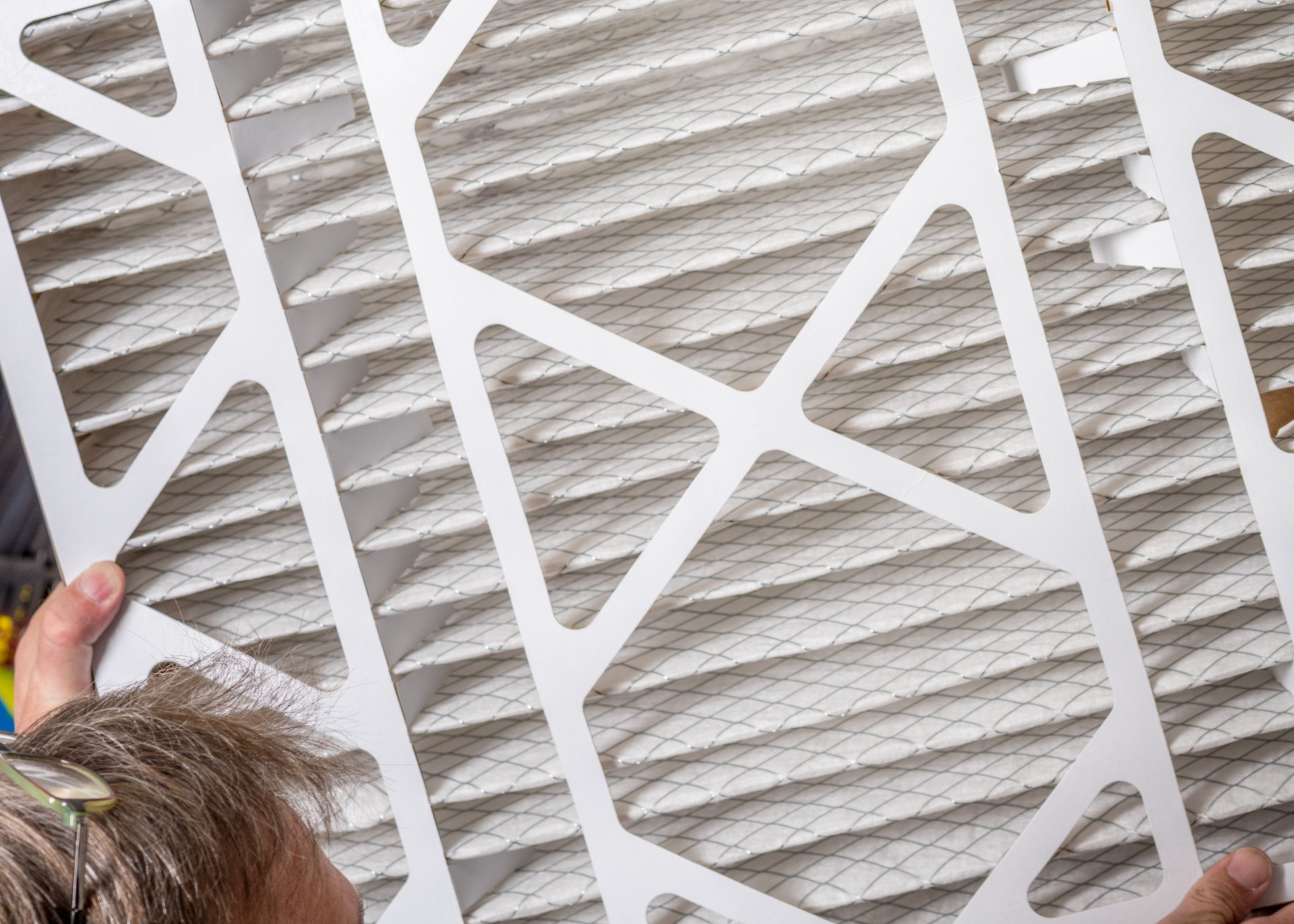
Filters capture airborne particles before they enter the air handler, while UV germicidal light reduces living organisms on interior wet surfaces that filters cannot reach. This pairing addresses both transport and growth by stopping spores and bacteria from multiplying on the evaporator coil and drain pan. A professional will often recommend filter upgrades alongside UV to lower particle load that can shield microbes from light. For a broader look at combined methods, review the company overview of different air purification methods.
Technicians diagnose how well the two systems work together by inspecting the return grille, measuring airflow qualitatively at supply registers, and photographing the coil surface. They check filter fit and MERV rating to ensure particles are captured before reaching the coil. A clear line of sight from a UV lamp to contaminated areas improves inactivation rates and reduces recontamination. If the ductwork has heavy dust, consider scheduling air duct cleaning alongside these improvements.
When ductwork contains accumulated dust and biological residue, particles can bypass filters through small leaks and resettle on cooler surfaces, undermining UV benefits. During an inspection a technician may recommend cleaning ducts if visual inspection or motor housing dirt indicates transfer from ducts to the coil. Professionals use visual checks and sometimes photos to decide whether duct cleaning will meaningfully improve indoor air. For homeowners unfamiliar with the process, see the company primer on air duct cleaning basics.
In humid seasons in Keller, TX systems can face heavier biological loading, so pairing a proper filter with UV often shows clearer results faster than either measure alone. A technician will confirm that the lamp location, wattage, and runtime deliver adequate exposure to the coil during diagnosis. They will also check the condensate drain and pan for remaining residue to track improvement over time. Homeowners in Azle should ask a pro to document condition changes so they can see the combined effects of filtration and UV.
Deciding which filter grade and UV lamp suit your system depends on observed symptoms and inspection findings such as visible film, airflow restrictions at registers, and condensate pan residue. A professional will test these points, record photos, and recommend a coordinated plan that pairs filter selection, duct cleaning when needed, and correctly placed UV germicidal light. That integrated approach targets particles in the airstream and microbes on surfaces to support healthier indoor air. Ask a qualified HVAC professional for an inspection to confirm the best combination for your home.
When To Call A Professional For UV Installation
If you notice persistent musty odors or repeated coil fouling despite cleaning, call a technician to evaluate UV germicidal light suitability. A pro will inspect the evaporator coil, condensate pan, and blower compartment to confirm access and safe lamp placement. They will also check the electrical panel area and circuit availability for proper low-voltage or line-voltage connection. A qualified inspection helps avoid improperly wired lamps that could reduce effectiveness or create hazards.
During the diagnostic visit the technician will document visible symptoms with photos and simple measurements to support their recommendation. They may use a flashlight, moisture meter, and airflow checks at supply registers to show where UV light will be most effective. Photographs of the coil and pan provide a before-and-after record for homeowners to track improvement after installation. This documentation also helps decide whether duct cleaning or filter upgrades should accompany the UV system.
Technicians assess mounting options and lamp orientation to ensure an unobstructed line of sight to contaminated surfaces and the condensate pan. They will measure the distance from lamp to coil fins and confirm the lamp wattage aligns with the required dose for inactivation. If access inside the air handler is tight, a professional can recommend an alternative lamp type or placement to achieve coverage. Proper mounting reduces the chance of shadowed spots where microbes could persist.
Ask the installer to explain routine maintenance steps and expected lamp life, and to schedule follow-up checks to confirm performance in your home. A pro should show you how to visually inspect the lamp, note output decline, and safely power off the system for lamp replacement. For homeowners in Azle and properties in Keller, TX a professional assessment ensures local humidity and system layout are considered during installation. If any safety or wiring concerns arise, contact a licensed HVAC technician rather than attempting DIY work.
How To Maintain UV Systems For Ongoing Protection
Inspect lamps every six to twelve months for visible darkening or broken bulbs, and replace them when output drops noticeably. A technician can measure lamp intensity with appropriate tools during routine service to confirm sufficient UV dose. Always shut off electrical power before opening the air handler to avoid shock or lamp breakage. If you see corrosion near the mounting or water pooling around the lamp base, call a professional for repair.
- Check lamp glass for clouding
- Confirm secure mounting hardware
- Look for shadowed coil areas
- Verify condensate pan cleanliness
- Test lamp electrical connection
Clean lamp surfaces gently when the system is off to avoid reducing output from dust or film buildup on the bulb. Use a soft cloth and manufacturer-recommended cleaner to avoid scratching or leaving residues that block UV. During a maintenance visit, have a technician inspect the evaporator coil fins and nearby insulation for anything that casts shadows. If blockage exists, relocation or an additional lamp may be needed to reach all contaminated spots effectively.
Track runtime and lamp age in your home maintenance log to predict replacements before output falls below effective levels. A professional will also inspect the ballast or driver and confirm wiring meets safety expectations during those checks. For visible coil residue or stubborn buildup consider scheduling professional coil cleaning in addition to lamp maintenance to restore full heat transfer. Homeowners in Azle should ask their technician to document lamp condition and coil photos for comparison at each visit.
Perform a simple diagnostic check by observing smell and airflow after lamp replacement to confirm performance improvements. A technician might record photos, run the system, and compare airflow at supply registers before and after maintenance. If musty odors persist despite proper lamp output, the pro will check for shadowed areas and recommend coil cleaning or repositioning. In HVAC systems showing chronic film, professionals often reference routine coil cleaning practices like those on the coil cleaning resource to combine with UV service during follow-up visits in Keller, TX.
Cost Considerations And Energy Impact Of UV Lights
Installing UV germicidal light adds ongoing electrical draw that slightly increases system power consumption, depending on lamp type and runtime. Line-voltage lamps use more power than low-voltage models, so a technician will note the lamp wattage during inspection. Professionals measure added load on the air handler circuit to ensure the breaker and wiring are adequate and safe. Ask a pro about runtime strategies, such as running lamps only when the system operates or continuously, to balance microbial control and energy use.
Homeowners should factor in periodic lamp replacements and ballast or driver checks when considering long-term energy impact and system upkeep. A technician can estimate annual operating hours and expected lamp life to project replacement intervals during the inspection. Properly maintained lamps keep UV output efficient so the system does not run longer because of reduced heat transfer. If you notice longer runtimes or higher energy use after adding UV, have a pro inspect the coil, blower, and lamp condition promptly.
Some UV installations can slightly improve HVAC efficiency by keeping the evaporator coil cleaner, which reduces heat transfer losses and may shorten cooling cycles. Technicians confirm this by measuring run times and noting temperature differences across the evaporator before and after installation. Accurate diagnosis uses simple tools like a temperature probe and runtime records rather than complex equipment. For concerns about persistent odors and drain pan residue linked to airflow, professionals also reference targeted treatments like coil pan products to stop odors when documenting results.
During a diagnostic visit a technician evaluates lamp placement, wattage, and wiring to estimate both energy impact and expected maintenance needs for your system. They may test current draw with a clamp meter while the system and lamp run to provide concrete readings. In homes in Azle and properties in Keller, TX, local humidity patterns can influence how often lamps help reduce microbial regrowth and therefore affect lifecycle costs. If safety or wiring questions arise, contact a licensed HVAC professional to inspect and document findings rather than attempting DIY adjustments.
Frequently Asked Questions
How does UV germicidal light reduce coil microbial growth?
UV germicidal light shines ultraviolet-C rays onto the evaporator coil surface where moisture and organic film accumulate. The UV-C damages DNA and RNA of bacteria, mold, and mildew, stopping their ability to grow and reproduce. With fewer microbes on the coil, airflow stays cleaner and the coil transfers heat more efficiently. Use caution around UV bulbs and contact an HVAC professional for safe installation and proper placement near the evaporator coil.
Will UV germicidal light remove musty odors from vents?
UV germicidal light can reduce microbial growth on evaporator coils and in the ductwork, which often lowers musty odors at their source. It does not neutralize all odors instantly, especially those from mold deep in insulation or from dead pests. A visible mold smell that persists after UV installation may mean a professional should inspect the evaporator coil, condensate drain, and duct lining. Caution: UV lamps can harm eyes and skin, so have a licensed HVAC tech install and service the system.
How do technicians confirm coil contamination during inspection?
Technicians start with a visual inspection of the evaporator coil for visible mold, slime, or dark staining on fins.
They use a flashlight and mirror and may capture photos for before-and-after documentation of contamination.
A technician can perform simple surface swabs or use a moisture meter to check for wet spots that encourage microbial growth.
If contamination appears significant, caution is advised and a professional should perform proper cleaning and consider adding UV germicidal light to reduce regrowth.
Can UV light work with my current air filter setup?
Yes, UV germicidal light can work with most existing air filter setups by targeting microbial growth on the evaporator coil and nearby surfaces. It does not replace filters but complements them by reducing mold and bacterial buildup that filters cannot catch. A technician will inspect the evaporator coil, return grille, and filter size to confirm compatibility and proper placement. For safety and correct electrical connections, hire a professional to install and verify the system.
What maintenance keeps a UV germicidal light effective?
Replace UV bulbs on the schedule recommended by the manufacturer because output drops before the bulb fails.
Keep the lamp and protective quartz sleeve clean by wiping with a soft cloth during routine HVAC inspections.
Have a technician check lamp output with a UV meter and confirm sleeve integrity and mounting stability.
Exercise caution: UV light can harm skin and eyes, so have a professional perform lamp replacement and electrical checks.