

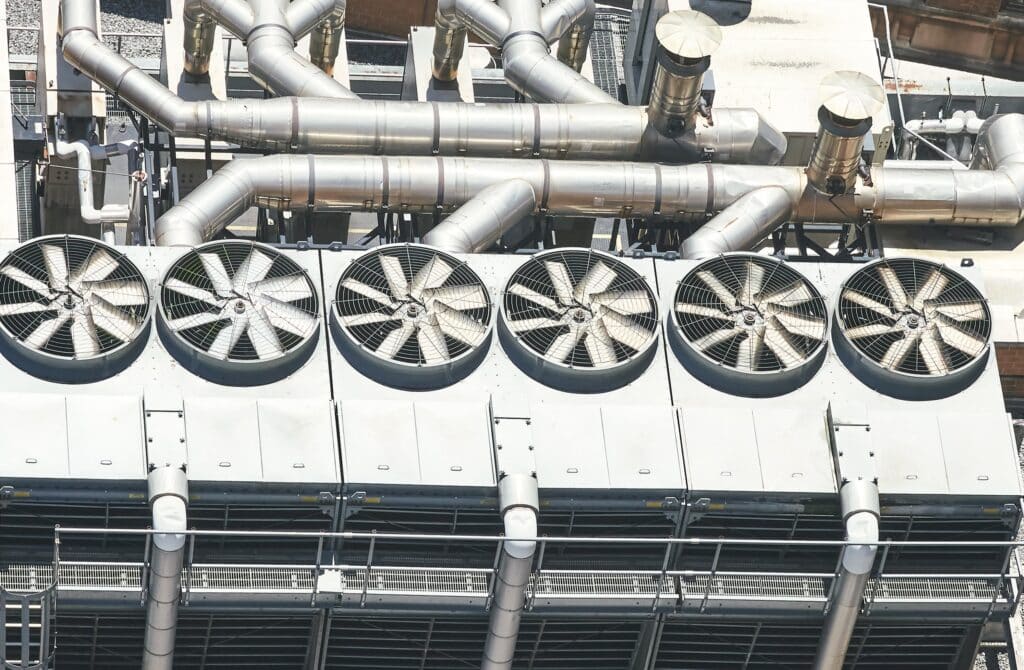
The Role of HVAC in Environmental Control
Understanding the pivotal role of HVAC in environmental control is essential for maintaining a healthy and comfortable living space. In Fort Worth, TX, where temperatures can soar, the importance of a well-functioning HVAC system becomes even more apparent. These systems do more than just regulate temperature; they are crucial in ensuring the air we breathe indoors is clean and safe. By filtering out pollutants and managing humidity levels, HVAC systems contribute significantly to our overall well-being.
In cities like Bedford, TX, the demand for efficient HVAC systems is on the rise. Residents recognize the value of HVAC in environmental control, especially when it comes to enhancing indoor air quality. With the right system in place, households and businesses alike can enjoy a cleaner, more breathable environment. This not only improves health outcomes but also boosts comfort and productivity.
Similarly, in Azle, TX, sustainability is a growing concern among property owners. Modern HVAC systems are at the forefront of eco-friendly solutions, reducing energy consumption and minimizing carbon footprints. Through advanced technology, these systems optimize heating, cooling, and ventilation processes, making environmental control more efficient and sustainable.
Overall, the role of HVAC in environmental control cannot be overstated. Whether it’s in residential or commercial spaces, these systems are key to regulating temperature, purifying air, and supporting sustainability efforts year-round. As our communities become more environmentally conscious, the importance of investing in high-quality HVAC systems continues to grow, highlighting their essential contribution to our daily lives and the planet’s future.
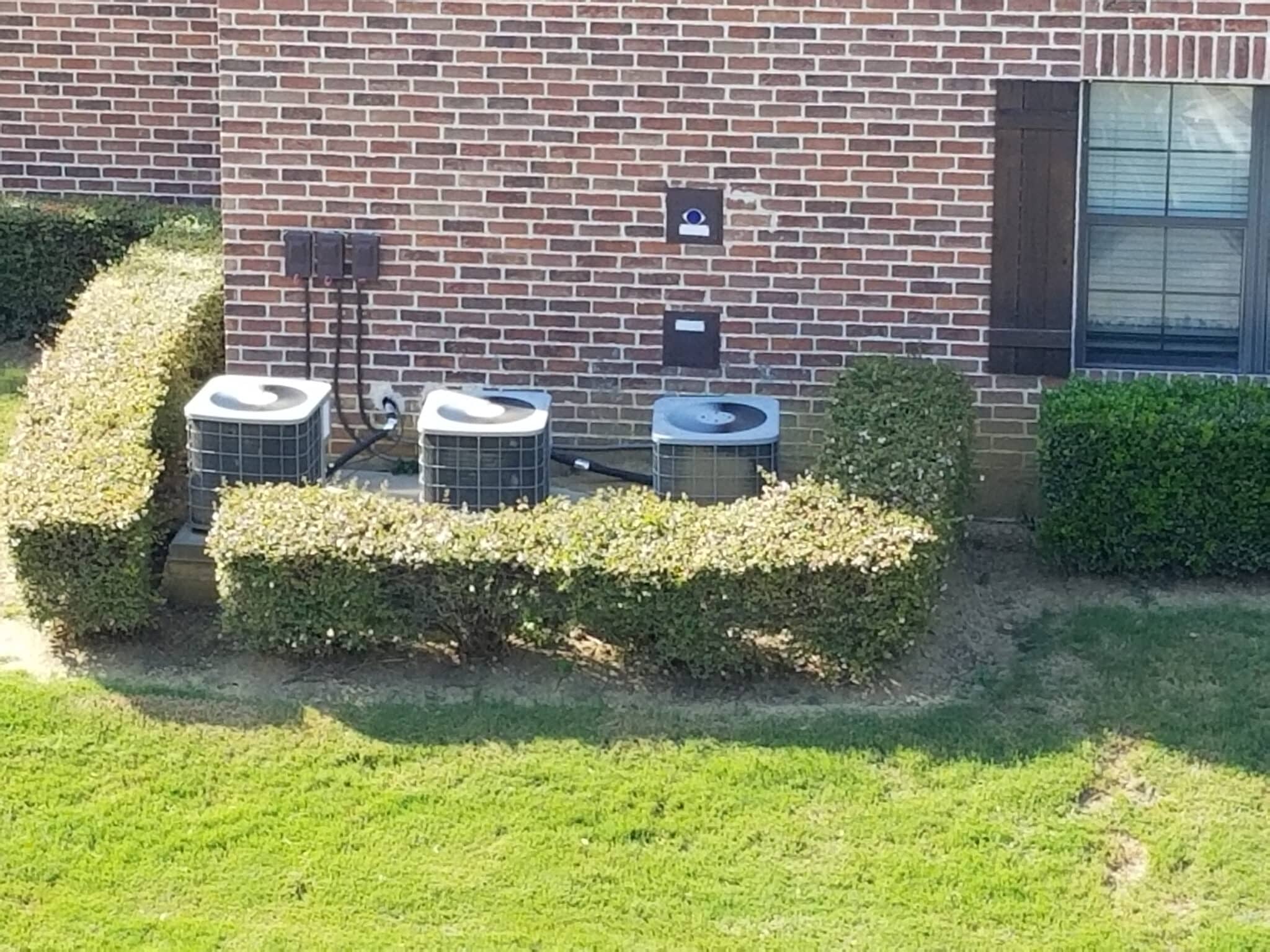
Understanding HVAC in Environmental Control
HVAC systems play a crucial role in maintaining optimal environmental control within our living and working spaces. In Fort Worth, TX, these systems ensure that regardless of the scorching summer heat or the chilly winter breeze, indoor environments remain comfortable and healthy. By efficiently regulating temperature, they create a stable atmosphere conducive to relaxation and productivity. This balance is essential for both residential homes and commercial establishments seeking to provide a welcoming environment year-round.
Moreover, the impact of HVAC on indoor air quality cannot be understated. These systems work tirelessly to filter out contaminants and pollutants, significantly improving the air we breathe. In places like Bedford, TX, where air quality can be affected by various external factors, having a reliable HVAC system ensures that residents enjoy cleaner, fresher air indoors. This is particularly beneficial for individuals with allergies or respiratory issues, making HVAC systems indispensable for their well-being.
Sustainability is another key aspect of modern HVAC systems. In Azle, TX, for instance, the community’s growing focus on eco-friendly practices has highlighted the importance of HVAC systems in environmental conservation. These systems are designed to be more energy-efficient, reducing the overall carbon footprint of buildings. By optimizing the use of resources, they not only support sustainability efforts but also enhance the overall efficiency of temperature and air quality control.
In conclusion, the role of HVAC in environmental control extends beyond mere temperature regulation. These systems are pivotal in ensuring indoor air quality, supporting sustainability, and providing comfort and safety in both residential and commercial settings. As we continue to prioritize environmental health and energy efficiency, the significance of investing in quality HVAC systems becomes increasingly clear. They are, without a doubt, fundamental to creating healthier, more sustainable environments in Fort Worth, TX, and beyond.
The Impact of HVAC Systems on Indoor Air Quality
HVAC systems significantly influence the air quality inside our homes and workplaces. By constantly cycling air, they remove airborne particles, including dust, pollen, and other allergens. This process is essential in cities like Bedford, TX, where varying air quality can impact residents’ health. Cleaner air means fewer health issues related to poor indoor air quality.
In addition to removing pollutants, HVAC systems help control humidity levels. High humidity can encourage mold growth and increase the concentration of indoor pollutants. By keeping humidity at a balanced level, HVAC systems in environments like Azle, TX, prevent mold and create a healthier breathing environment. This is crucial for those with asthma or other respiratory conditions.
Moreover, the integration of advanced filters and air purification technologies has enhanced the capability of HVAC systems in environmental control. These innovations capture and neutralize more microscopic particles than ever before. As a result, the air in our living spaces becomes not just cooler or warmer but significantly cleaner and safer. This advancement supports the overall well-being of occupants by providing a consistently purified environment.
The role of HVAC in environmental control extends to improving the quality of life. By ensuring that the air we breathe indoors is clean and at a comfortable humidity level, these systems make our homes and offices safer and more comfortable. In Fort Worth, TX, and beyond, the impact of HVAC on indoor air quality is a testament to their importance in our daily lives.
Temperature Regulation and Comfort in Buildings
HVAC systems are instrumental in maintaining comfortable temperatures in our buildings, making them crucial for both comfort and energy efficiency. In Fort Worth, TX, where the weather can vary widely, these systems ensure that indoor environments remain pleasant throughout the year. By adjusting temperatures to ideal levels, they help conserve energy, which is vital for environmental control. This balance between comfort and efficiency underscores the importance of HVAC in environmental control.
Additionally, the role of HVAC systems extends to protecting buildings from extreme weather conditions. In Bedford, TX, for example, summers can be exceptionally hot, making air conditioning essential for keeping indoor spaces cool and comfortable. Conversely, during the colder months, heating systems work to maintain a warm indoor atmosphere. This adaptability is key to providing a consistently comfortable environment, regardless of the outdoor climate.
In Azle, TX, the focus on sustainability has led to a greater appreciation for HVAC systems that can regulate temperature without excessive energy use. These systems are designed to operate more efficiently, reducing the environmental footprint of buildings. By optimizing energy use, HVAC systems contribute significantly to environmental control efforts, showcasing their role in promoting sustainability.
Finally, the impact of HVAC systems on comfort and environmental control cannot be overstated. They not only make our living and working spaces more pleasant but also play a pivotal role in energy conservation. As communities continue to prioritize sustainability, the efficiency of HVAC systems becomes increasingly important. Their ability to provide temperature regulation while supporting environmental goals highlights the essential nature of HVAC in environmental control.
HVAC Systems and Energy Efficiency
HVAC systems significantly boost energy efficiency, playing a vital role in environmental control. In Fort Worth, TX, these systems are designed to operate at peak efficiency, reducing the need for excessive energy use. This approach not only conserves energy but also lessens the environmental impact of heating and cooling buildings. As a result, HVAC systems are integral to efforts aimed at creating more sustainable living and working environments.
By optimizing energy consumption, HVAC systems contribute to a larger goal of reducing carbon emissions. In Bedford, TX, where environmental sustainability is becoming increasingly important, the efficiency of HVAC systems can make a significant difference. These systems are engineered to provide the necessary comfort without overburdening the electrical grid. This balance is crucial for minimizing the carbon footprint associated with maintaining ideal indoor temperatures.
Furthermore, the role of HVAC in environmental control extends to promoting healthier indoor environments. In Azle, TX, advanced HVAC systems help regulate indoor temperatures while using less energy, which is essential for both human health and the planet’s well-being. This dual benefit underscores the importance of choosing and maintaining efficient HVAC systems for both residential and commercial properties.
Lastly, HVAC systems are central to achieving greater energy efficiency and environmental sustainability. They not only ensure comfortable living and working conditions but also support broader environmental goals. By improving energy efficiency, these systems help Fort Worth, TX, and surrounding areas move towards a more sustainable future, highlighting the critical role of HVAC in environmental control.
The Role of HVAC in Reducing Carbon Footprint
HVAC systems are pivotal in reducing the carbon footprint of buildings and homes. In Bedford, TX, residents are turning to these systems for more eco-friendly temperature control. By using less energy for heating and cooling, they significantly lower greenhouse gas emissions. This shift not only benefits the environment but also enhances the community’s sustainability efforts.
In Azle, TX, the focus on environmental control has led to a greater adoption of advanced HVAC systems. These systems are designed to operate more efficiently, using less power and producing fewer emissions. As a result, they play a crucial role in the town’s push towards reducing its carbon footprint. This effort aligns with broader goals of combatting climate change and promoting eco-friendly living.
The role of HVAC in environmental control extends beyond just energy efficiency. By optimizing the operation of heating and cooling units, these systems also contribute to cleaner air. Less energy use means fewer pollutants are released into the atmosphere, improving air quality around us. This dual benefit of HVAC systems underscores their importance in our daily efforts to protect the environment.
Finally, the impact of HVAC systems on reducing carbon emissions is a testament to their value in environmental control. By embracing these systems, communities like Bedford and Azle, TX, are making strides towards a greener future. This commitment to sustainability and reducing our ecological footprint showcases the critical role HVAC plays in environmental conservation.
Innovations in HVAC for Enhanced Environmental Control
Innovations in HVAC technology continue to play a significant role in enhancing environmental control. In Bedford, TX, new systems are being developed to provide more precise temperature and humidity management. These advancements not only improve comfort but also significantly reduce energy consumption. As a result, they contribute to a more sustainable and efficient approach to indoor climate control.
In Azle, TX, HVAC systems now incorporate smarter, more responsive controls. These allow for real-time adjustments based on external weather conditions and indoor air quality. Such innovations ensure that heating and cooling are only used when necessary, minimizing waste and maximizing efficiency. This intelligent use of technology aids in maintaining optimal indoor environments while supporting environmental conservation efforts.
Moreover, the integration of renewable energy sources with HVAC systems marks a significant leap forward. By harnessing solar power or geothermal energy, these systems can operate with a lower environmental impact. This not only reduces reliance on fossil fuels but also sets a new standard for eco-friendly temperature regulation. It’s a promising development for those committed to reducing their carbon footprint.
Finally, the push for greener HVAC solutions has led to the adoption of low-emission materials and refrigerants. These materials are designed to have a minimal ozone-depleting effect, further underscoring the role of HVAC in environmental control. Through such innovations, the industry is making strides towards more sustainable practices, reflecting a growing commitment to protecting our planet.
Choosing the Right HVAC System for Sustainability
When selecting an HVAC system, sustainability is a key factor for residents in Bedford, TX. A system that aligns with environmental control efforts can significantly reduce a home’s carbon footprint. Opting for units with high energy efficiency ratings ensures less energy consumption. This choice supports the global push towards a more sustainable future.
In Azle, TX, homeowners prioritize HVAC systems that incorporate eco-friendly features. Systems designed to minimize waste and utilize renewable energy sources are becoming increasingly popular. Such systems not only contribute to environmental conservation but also enhance indoor air quality. This makes them a smart choice for those committed to eco-conscious living.
Choosing the right HVAC system involves considering its impact on indoor and outdoor environments. Systems with advanced filtration technologies improve the air we breathe by removing pollutants efficiently. They play a crucial role in maintaining a healthy living space. This is essential for families looking to create a safe and comfortable home environment.
Finally, the role of HVAC in environmental control extends to its operational longevity and maintenance requirements. Durable systems that require less frequent replacements and can be serviced efficiently have a lower overall environmental impact. By making informed choices, residents can enjoy optimal indoor comfort while contributing to broader environmental goals.

Maintenance Tips for Eco-Friendly HVAC Performance
Maintaining an eco-friendly HVAC system is essential for those committed to environmental control. Regularly replacing or cleaning air filters ensures your system runs efficiently, reducing energy use and improving indoor air quality. This simple step can make a significant difference in the performance of your HVAC unit, contributing to cleaner air in homes across Bedford, TX. It’s an easy yet effective way to support both your comfort and the planet.
In Azle, TX, scheduling annual maintenance checks is another crucial practice for eco-friendly HVAC performance. Professional technicians can identify and fix any issues that may be causing your system to work harder than necessary. By ensuring your HVAC system operates at peak efficiency, you not only extend its lifespan but also minimize its environmental impact. Regular maintenance is key to achieving optimal performance year-round.
Another tip is to install a programmable thermostat to enhance your HVAC’s eco-friendliness. By adjusting temperatures based on your schedule, you avoid unnecessary heating or cooling when no one is home. This not only conserves energy but also reduces the strain on your HVAC system, promoting a more sustainable approach to environmental control. It’s a smart way to keep your home comfortable while being mindful of energy use.
Lastly, considering the insulation and sealing of your home can lead to significant improvements in your HVAC system’s efficiency. Proper insulation helps maintain your desired indoor temperature, reducing the need for constant heating or cooling. Sealing leaks around doors and windows prevents the loss of conditioned air, ensuring your HVAC system doesn’t overwork. Together, these steps support a more energy-efficient and environmentally friendly HVAC performance, aligning with broader goals of sustainability.
Frequently Asked Questions
What is HVAC?
HVAC stands for heating, ventilation, and air conditioning. It’s a system that keeps indoor spaces comfortable all year round. By regulating temperature and air quality, it plays a crucial role in environmental control. These systems are essential in homes and businesses for maintaining a healthy, comfortable environment.
How does HVAC in Environmental Control work?
HVAC systems play a vital role in managing indoor environments by balancing temperatures and ensuring clean air. They filter out pollutants, thus improving air quality and making spaces healthier. By adjusting humidity and temperature, these systems create comfortable conditions all year round. This process supports sustainability by optimizing energy use and reducing waste.
What are the benefits of HVAC systems?
HVAC systems enhance comfort by maintaining ideal temperatures in homes and offices. They improve air quality by filtering out pollutants and allergens. These systems also support energy efficiency, reducing the environmental impact. By providing consistent indoor climate control, they contribute significantly to overall well-being and productivity.
Can HVAC in Environmental Control save energy?
Absolutely, HVAC systems can significantly save energy when used in environmental control. Modern units are designed for efficiency, reducing the amount of energy needed to heat or cool spaces. Smart thermostats and zoning techniques further optimize energy use, ensuring only necessary areas are conditioned. This smart approach not only conserves energy but also supports a sustainable environment.
What are the latest HVAC technologies?
The latest HVAC technologies focus on enhancing efficiency and comfort. Smart thermostats now learn from your habits, adjusting temperatures for optimal comfort and energy savings. Variable speed motors in newer systems adjust airflow precisely, improving air quality and reducing noise. Additionally, eco-friendly refrigerants are making systems more sustainable, minimizing the environmental impact of heating and cooling.