

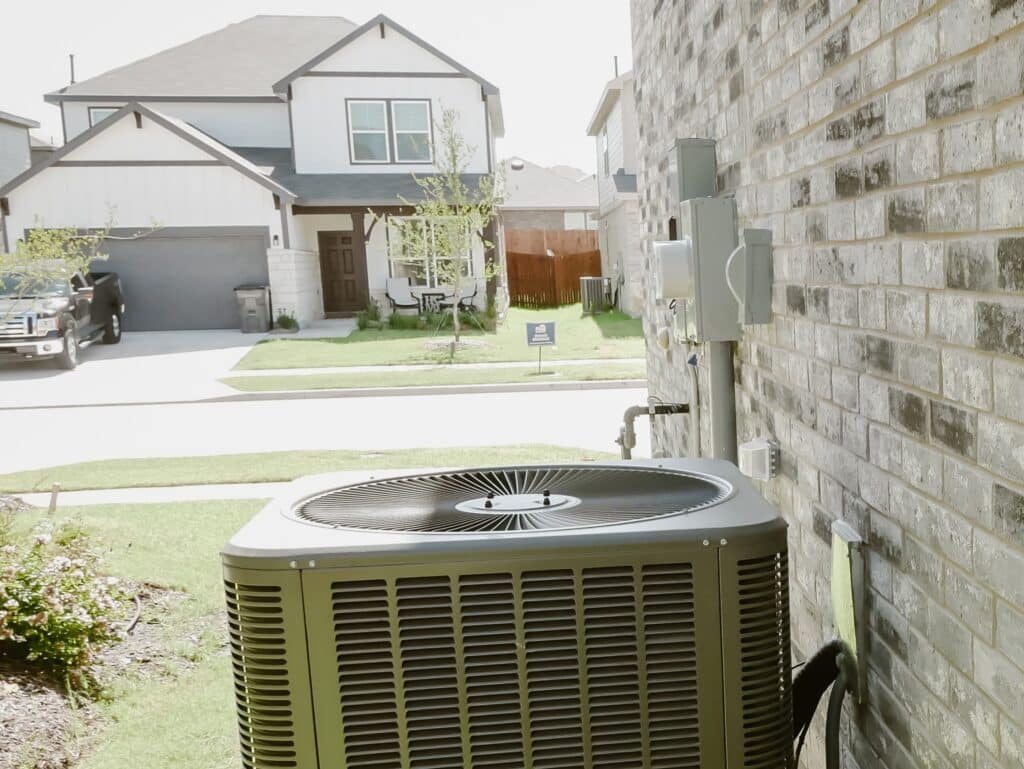
Ultimate Guide to Residential HVAC Upgrades
Residential HVAC upgrades are not just about maintaining comfort; they’re about enhancing the livability of your home. Whether it’s the sweltering heat of summer or the brisk chill of winter, ensuring your HVAC system is up to par is essential. This guide aims to provide you with the knowledge needed to make informed decisions about upgrading your home’s heating, ventilation, and air conditioning system.
Understanding when to consider residential HVAC upgrades can save you a lot of hassle in the long run. It’s not just about the age of your system; it’s about efficiency, performance, and the overall comfort of your home. In areas like Fort Worth, where temperatures can vary dramatically, having a system that’s both reliable and efficient is key. Recognizing the signs that your HVAC system needs an upgrade is the first step towards enhancing your home’s environment.
Deciding to upgrade your residential HVAC system is a significant step towards improving your home’s energy efficiency and comfort. With advancements in HVAC technology, newer systems offer better energy efficiency, which can lead to improved comfort and potentially lower utility bills. For residents in Colleyville, upgrading could mean a more consistent indoor temperature and better air quality, making your home a more pleasant place year-round.
Lastly, knowing how to approach residential HVAC upgrades involves understanding your options and finding the right professionals to guide you through the process. For those living in North Richland Hills, TX, and the broader Fort Worth area, selecting a reputable HVAC service provider is crucial. They can offer personalized advice based on your home’s specific needs, ensuring that your upgrade enhances your living space for years to come. With the right approach, upgrading your HVAC system can be a smooth and beneficial process.
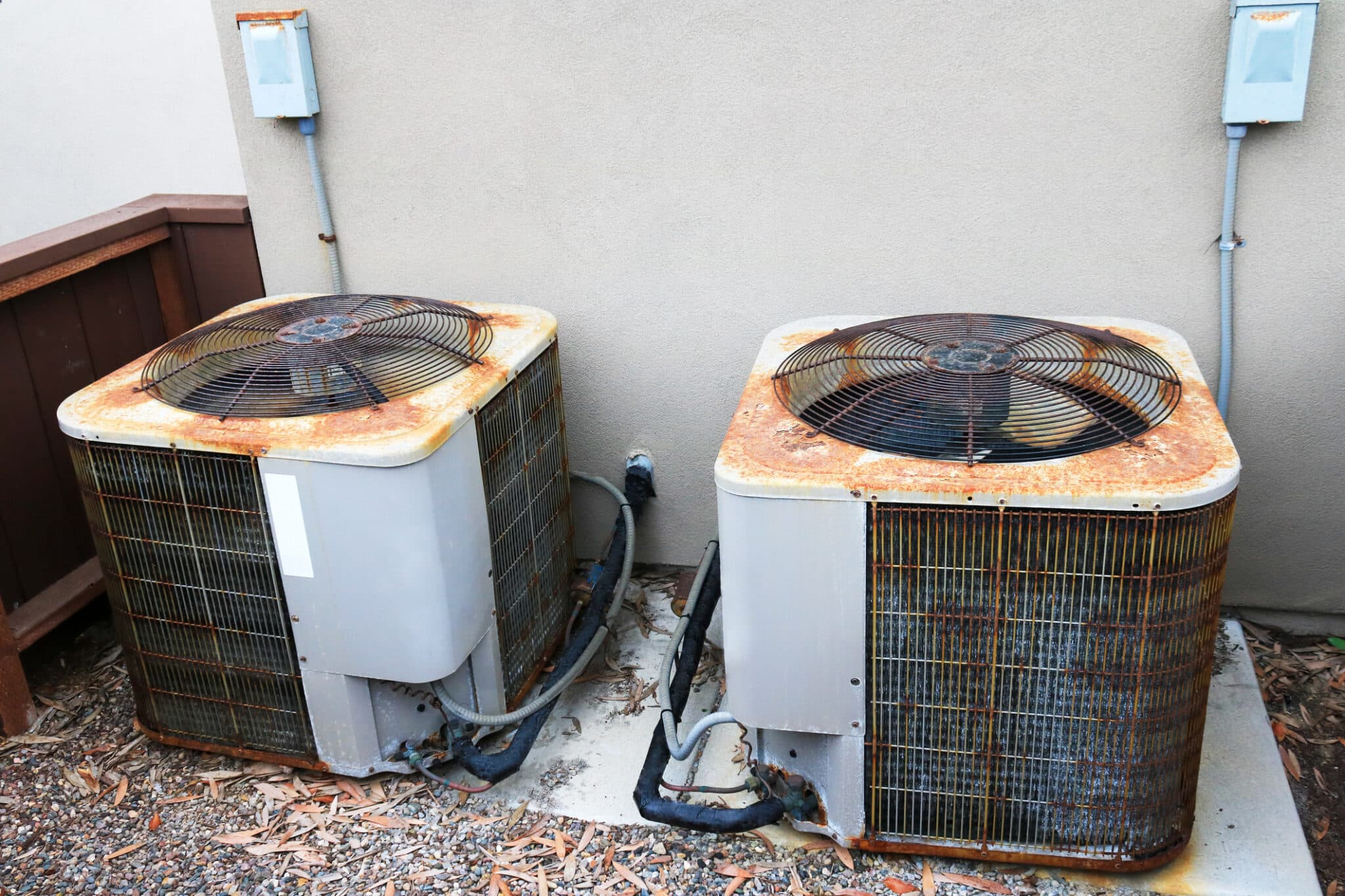
Signs It’s Time for Residential HVAC Upgrades
Knowing when it’s time for residential HVAC upgrades can significantly impact your home’s comfort and efficiency. If your system struggles to maintain a consistent temperature, it might be signaling a need for an upgrade. This is particularly true in Fort Worth, where the weather demands a lot from our heating and cooling systems. Upgrading can ensure your home remains comfortable regardless of the season.
Increased energy bills can also indicate that your HVAC system is working harder than it should. Inefficient systems have to run longer to provide the same level of comfort, consuming more energy in the process. Homeowners in Colleyville might notice their energy bills creeping up, a clear sign that their HVAC system may need a closer look. Considering an upgrade could lead to more efficient energy use and a more comfortable home environment.
Another sign that it’s time for an upgrade is frequent repairs. If you find yourself calling for service more often than usual, it’s a strong indication that your HVAC system is nearing the end of its lifespan. Residents of North Richland Hills, TX, facing this issue should consider the benefits of upgrading to a newer, more reliable system. Frequent repairs not only inconvenience you but can also be a sign that your system is no longer capable of meeting your home’s needs.
Lastly, if your HVAC system is over 10 years old, it’s time to start considering an upgrade. Older systems often cannot match the efficiency and performance of newer models. With technological advancements, newer systems offer significant improvements in energy efficiency and air quality. Upgrading can enhance your home’s comfort and could contribute to a healthier living environment for you and your family.
Evaluating Your Current HVAC System’s Performance
Evaluating your current HVAC system’s performance is crucial before considering residential HVAC upgrades. Start by checking how quickly and efficiently your system heats or cools your home. If it takes longer than usual, it might not be as effective as newer models. This inefficiency can affect your comfort, especially during extreme weather conditions in Fort Worth.
Next, assess the air quality in your home. Older HVAC systems may struggle to filter out dust, pollen, and other allergens effectively. Residents in Colleyville will notice a significant difference in air quality with an upgraded system. Improved filtration features in newer systems can enhance the air you breathe, making your home healthier.
Listen for unusual noises coming from your HVAC unit. Sounds like rattling, buzzing, or whistling can indicate internal issues. Homeowners in North Richland Hills, TX, should take these signs seriously as they suggest your system may be working harder than it should. This could be the right time to explore residential HVAC upgrades that offer quieter operation and improved efficiency.
Lastly, consider the system’s response to thermostat adjustments. If there’s a delay in heating or cooling, or if some rooms never reach the desired temperature, your system might be losing its effectiveness. Upgrading to a more responsive system can ensure your home stays comfortable year-round, responding accurately to your preferences.
How to Choose the Right HVAC System for Your Home
When considering residential HVAC upgrades, selecting the right system for your home is crucial. First, assess your home’s size and layout as these factors directly impact the type of system you’ll need. A unit too small won’t efficiently cool or heat your home, leading to increased energy usage. Conversely, a system too large can cycle on and off too frequently, reducing its lifespan and efficiency.
Next, consider the system’s energy efficiency ratings. Modern HVAC systems come with ratings like SEER for cooling and AFUE for heating, which indicate how efficiently they use energy. In Fort Worth, choosing a system with high efficiency ratings can make a significant difference in maintaining comfortable temperatures and managing energy consumption. This ensures your upgrade aligns with both your comfort needs and environmental considerations.
Additionally, look into the system’s features and compatibility with smart home technology. Many newer models offer advanced features like programmable thermostats and zoning capabilities, which can enhance your home’s comfort and convenience. For residents in Colleyville, integrating these features can lead to more precise temperature control and even further energy savings.
Lastly, don’t overlook the importance of choosing a reputable HVAC contractor for the installation. A skilled and experienced contractor can provide valuable guidance on the best system for your specific needs in North Richland Hills, TX. They ensure that the installation is done correctly, maximizing the system’s performance and longevity. This step is vital in ensuring that your residential HVAC upgrade truly enhances your home’s environment and comfort.
Preparing Your Home for an HVAC Upgrade
Before making any residential HVAC upgrades, it’s essential to prepare your home to ensure the process is smooth and efficient. Start by assessing your current system’s condition. Look for any signs of wear or inefficiency that could affect the new installation. In Fort Worth, this preparation can make a significant difference in how well your upgraded system will perform.
Next, consider the airflow throughout your home. Make sure vents are not blocked by furniture or curtains and check if air filters need replacing. This step is crucial in Colleyville, as it helps maintain optimal air quality and efficiency in your HVAC system. A clear path for air to flow can greatly enhance the effectiveness of your upgrade.
In North Richland Hills, TX, homeowners should also think about their home’s insulation. Proper insulation keeps warm or cool air inside, making your HVAC system’s job easier. Check windows, doors, and attics for any leaks or drafts that could undermine your new system’s efficiency. Addressing these issues before your upgrade can lead to better overall performance.
Lastly, scheduling a consultation with a professional HVAC contractor is a wise move. They can offer tailored advice for your specific situation, ensuring your home is fully prepared for the upgrade. This professional insight can guide you through the necessary preparations, guaranteeing that your residential HVAC upgrade enhances your home’s comfort and efficiency for years to come.
Innovative Features to Consider in New HVAC Systems
When planning residential HVAC upgrades, homeowners should explore innovative features that modern systems offer. For example, smart thermostats have become increasingly popular, as they allow you to control your home’s temperature remotely. This feature is especially beneficial in Fort Worth, where weather conditions can change rapidly, ensuring your home remains comfortable at all times. Moreover, smart thermostats can learn your preferences, making automatic adjustments to save energy.
Another feature worth considering is zoning systems, which provide the ability to control the temperature in different areas of your home independently. This is particularly useful in larger homes in Colleyville, where heating and cooling needs can vary from room to room. Zoning systems ensure that each area is maintained at an ideal temperature, enhancing overall comfort and reducing energy waste.
For those concerned about air quality, upgraded HVAC systems now include advanced filtration options. These filters can capture a wider range of pollutants and allergens, making the air in your home cleaner and healthier. Residents in North Richland Hills, TX, will appreciate this feature, as it can significantly improve the living environment for family members with allergies or respiratory issues.
Lastly, the integration of energy recovery ventilators (ERVs) in new HVAC systems is a game-changer for energy efficiency. ERVs exchange the air inside your home with fresh outdoor air, while capturing energy from the outgoing air to pre-condition the incoming air. This process reduces the workload on your HVAC system, leading to lower energy consumption and a fresher indoor air quality, making it a smart addition to any residential HVAC upgrade.
Hiring Professionals for Your HVAC Installation
When considering residential HVAC upgrades, the expertise of professional installers cannot be overstated. These experts ensure that your new system is installed correctly, optimizing its efficiency and performance from day one. In Fort Worth, finding a skilled team means you can rest easy knowing your home’s comfort is in capable hands. They bring not only their technical know-how but also a wealth of experience in handling the unique challenges presented by local weather conditions.
In Colleyville, professional HVAC installers play a critical role in advising homeowners on the best systems for their specific needs. They assess your home’s layout, existing system, and your comfort preferences to recommend the most suitable upgrade. This personalized approach ensures that your new HVAC system enhances your living environment, providing consistent and efficient heating and cooling throughout the year. Their guidance is invaluable in making an informed decision that aligns with your comfort and efficiency goals.
Residents of North Richland Hills, TX, benefit from the meticulous attention to detail that professional installers bring to their work. They check every aspect of the installation process, from ductwork integrity to system calibration. This thoroughness guarantees that your upgraded HVAC system operates at peak performance, minimizing the need for future repairs. By choosing professionals for your installation, you ensure a seamless transition to your new, more efficient system.
Ultimately, the success of residential HVAC upgrades largely depends on the quality of the installation. Professional installers not only provide technical expertise but also offer peace of mind that your investment is properly set up to serve your home for years to come. With their help, homeowners can enjoy the full benefits of their upgrade, including improved comfort, air quality, and energy efficiency. Trusting your installation to professionals is the best way to maximize the return on your HVAC upgrade.
FAQs About Residential HVAC Upgrade
What are the benefits of Residential HVAC Upgrades?
Upgrading your home’s HVAC system brings several benefits, including improved energy efficiency. This means your system will use less energy to keep your home comfortable, leading to lower utility bills. Additionally, modern HVAC units often come with advanced features that enhance indoor air quality, making your living space healthier. Finally, newer systems tend to operate more quietly, ensuring a more peaceful home environment.
How often should HVAC systems be upgraded?
HVAC systems typically need an upgrade every 10 to 15 years. This timeframe ensures your home benefits from the latest efficiency and technology advancements. Regular residential HVAC upgrades also help avoid frequent breakdowns, keeping your home comfortable year-round. Remember, a well-maintained system can last longer, making timely upgrades a smart choice for homeowners.
What is the cost of Residential HVAC Upgrades?
The cost of residential HVAC upgrades can vary widely based on several factors. These include the size of your home, the type of system you choose, and the complexity of the installation. Generally, homeowners invest in these upgrades to gain long-term savings on energy bills and improve comfort. It’s best to consult with a professional to get an accurate estimate tailored to your specific needs.
Can HVAC upgrades improve home value?
Yes, residential HVAC upgrades can significantly boost your home’s value. Modern, efficient systems are attractive to potential buyers, emphasizing comfort and energy savings. By installing a new HVAC system, you also signal to buyers that the home has been well-maintained. Overall, these upgrades can make your property more competitive in the real estate market, potentially speeding up the sale process.
What are the latest trends in HVAC technology?
The latest trends in HVAC technology focus on energy efficiency and smart home integration. Homeowners now have options for systems that can learn their preferences and adjust settings automatically for comfort and savings. Additionally, eco-friendly refrigerants are becoming standard, reducing the environmental impact. These advancements not only enhance home comfort but also contribute to a healthier planet.