

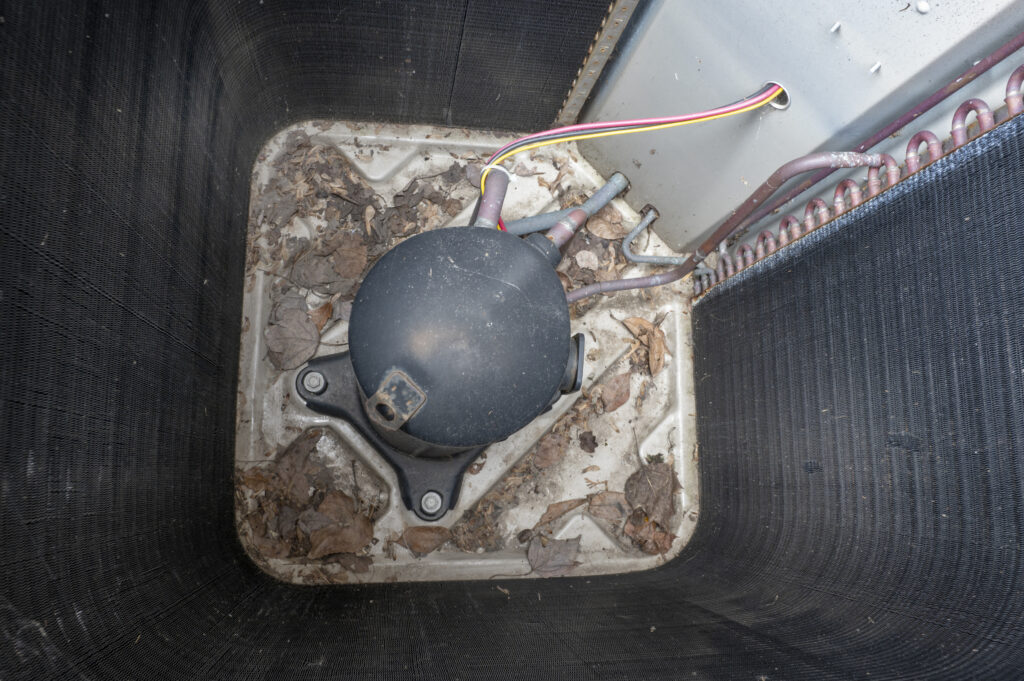
Reversing Valve Noise Warning Signs
When your air conditioning system starts making unfamiliar sounds, it’s a signal to pay attention. Reversing valve noise, characterized by buzzes, hisses, and chatters, can be a key indicator of a shifting problem within your unit. Homeowners in Fort Worth, TX, and the surrounding areas like Argyle, TX, and Southlake, TX, often experience these issues due to the demanding climate. Understanding these warning signs can help in identifying potential problems early on.
Reversing valves are crucial for the operation of heat pumps, allowing them to switch between heating and cooling. However, when these valves malfunction, the noise they produce is not just a minor inconvenience. It can signify a deeper issue that requires prompt attention. Reversing valve noise shouldn’t be ignored, as it could lead to more significant problems down the line.
Residents in areas with extreme temperatures, such as Fort Worth, TX, know the importance of a fully functional HVAC system. When a reversing valve starts making noise, it could disrupt the comfort of your home. Whether it’s a persistent hiss or an intermittent chatter, these sounds are more than just a nuisance. They are a call to action to prevent further damage to your system.
Addressing reversing valve noise promptly can save you from discomfort and potential system failures. Professionals in the HVAC field are well-equipped to diagnose and resolve such issues, ensuring your unit operates efficiently. If you’re in Argyle, TX, Southlake, TX, or any part of Fort Worth, TX, and notice these warning sounds, seeking expert advice is the best course of action. Recognizing these noises for what they are, warnings, can help maintain your system’s health and your home’s comfort.
Understanding Reversing Valve Noise in HVAC Systems
Understanding the types of noises a reversing valve might make is the first step toward identifying potential issues. A buzz, often continuous, indicates electrical problems or a failing solenoid. This sound is not to be confused with the normal operation hum. If you’re in Argyle, TX, and hear this, it’s a sign to investigate further.
Hisses, on the other hand, suggest a refrigerant leak or pressure issues within the system. These sounds are more sporadic and can vary in intensity. Residents of Southlake, TX, experiencing this should be aware it’s not just a temporary glitch. Immediate action is needed to prevent the system from deteriorating.
Chatter from a reversing valve is less common but equally concerning. It usually points to mechanical obstructions or misalignment within the valve itself. This intermittent noise disrupts not only the system’s efficiency but also your peace of mind. Addressing it swiftly ensures your unit returns to its quiet, efficient operation.
Lastly, recognizing these noises early on can significantly impact the longevity and performance of your HVAC system. Regular maintenance checks are crucial, especially in areas like Fort Worth, TX, where the climate demands a lot from these units. Being proactive about reversing valve noise keeps your system running smoothly and your home comfortable.
Identifying Common Reversing Valve Noises
To effectively tackle reversing valve noise, identifying the specific sound is crucial. A buzzing noise often hints at an electrical issue, demanding immediate inspection. This sound, distinct from the normal operational hum, requires a professional’s expertise to diagnose and fix. Homeowners in Southlake, TX, encountering this should not delay in seeking help, ensuring their system’s efficiency is restored.
Hisses, signaling a possible refrigerant leak or pressure imbalance, should not be overlooked. Such sounds, varying in frequency and intensity, indicate a need for urgent attention to prevent further damage. In Argyle, TX, residents noticing these noises must act swiftly, as delays can exacerbate the issue, leading to more significant system problems.
Chatter from a reversing valve, although less frequent, is a serious concern. It usually points to mechanical issues like obstructions or misalignments within the valve. Quick action to address this noise can prevent operational inefficiencies, restoring the system to its quietly efficient state. This ensures the longevity and reliability of the unit, maintaining home comfort.
Regular maintenance is key to avoiding these noises and ensuring your HVAC system remains in top condition. By being proactive and responsive to the first signs of reversing valve noise, homeowners can significantly extend their system’s lifespan. This approach not only keeps the unit running smoothly but also maintains a comfortable and peaceful home environment.
The Causes of Reversing Valve Noise
Reversing valve noise often stems from a few common issues that disrupt the normal operation of heat pumps. Electrical failures within the system can generate a buzzing sound, alerting homeowners in Argyle, TX, to potential solenoid problems. This noise differs from the standard operational sounds, indicating the need for professional assessment and repair. Addressing these electrical issues promptly can prevent further damage and restore system efficiency.
Another cause of reversing valve noise is a refrigerant leak or pressure imbalance, which produces a hissing sound. This issue requires immediate attention, as it can lead to significant system deterioration. Residents in Southlake, TX, experiencing these symptoms should seek expert assistance quickly to prevent escalating problems. Early detection and repair of refrigerant issues are crucial in maintaining the system’s performance and ensuring home comfort.
Mechanical obstructions or misalignments within the reversing valve can also lead to chatter, a less frequent but serious noise. This sound suggests that parts within the valve are not operating smoothly, potentially hindering the system’s ability to switch between heating and cooling modes efficiently. Quick intervention is necessary to remove any obstructions and realign components, thus eliminating the noise and restoring quiet operation.
Understanding the causes of reversing valve noise allows homeowners to act decisively when these warning sounds emerge. Regular system checks and immediate response to unusual noises can significantly reduce the risk of major HVAC problems. By staying attentive to the sounds their system makes, residents can ensure their heat pumps operate efficiently, keeping their homes comfortable throughout the year.

How Reversing Valve Noise Affects Your System
Reversing valve noise affects your system more than you might think, leading to decreased efficiency and comfort. When a valve malfunctions, the system struggles to switch between heating and cooling, working harder to maintain desired temperatures. This added strain not only wears down components faster but also increases energy usage. Homeowners in Southlake, TX, noticing such noises should consider them a call to action to prevent higher energy bills and discomfort.
Ignoring reversing valve noise can also lead to uneven heating or cooling in your home. If the valve fails to properly shift, certain areas might become too cold or too warm, disrupting the comfort of your living space. This inconsistency in temperature control can make some rooms uncomfortable to stay in. Residents in Argyle, TX, experiencing this issue would benefit from prompt professional intervention to restore their system’s balance.
Moreover, continuous reversing valve noise can indicate a system on the brink of failure. Without timely repair, the valve might stop working altogether, leaving your heat pump unable to switch modes. This could result in having no cooling during a hot summer day or no heating during a cold winter night, a situation no homeowner wants to face. Quick action can save you from the inconvenience of living without your HVAC system when you need it most.
Lastly, the presence of reversing valve noise affects the longevity of your HVAC system. Regular maintenance and addressing noises like buzzing, hissing, or chattering can extend the life of your unit. This proactive approach ensures that your system runs smoothly for years to come, providing a comfortable and energy-efficient home environment. Taking care of your HVAC system today can prevent the stress of premature replacements and repairs tomorrow.
DIY Tips for Troubleshooting Reversing Valve Noise
Before reaching out to a professional, homeowners can perform some basic troubleshooting to understand the severity of reversing valve noise. Start by observing when the noise occurs, noting if it happens during the shift between heating and cooling. This initial step can help pinpoint whether the issue is with the valve’s operation or another component of the system.
In some cases, a simple reset of your HVAC system can address minor issues causing reversing valve noise. Turn off the power to your unit, wait a few minutes, then turn it back on. This action can sometimes realign the system’s components and eliminate any strange noises. Residents in Southlake, TX, might find this quick fix particularly useful during seasonal transitions.
Another DIY tip involves checking the thermostat settings and ensuring they are appropriate for the current weather in Argyle, TX. Incorrect settings can cause the system to switch modes more frequently, leading to unnecessary stress on the reversing valve. Adjusting the thermostat to a stable setting can reduce the occurrence of bothersome noises.
Lastly, maintaining clean filters and clear vents can significantly impact the performance of your HVAC system and the prevalence of reversing valve noise. A blocked filter or vent can strain the system, making any existing issues with the reversing valve more pronounced. Regularly cleaning or replacing filters and ensuring vents are unobstructed can improve airflow and system efficiency, potentially reducing noise.

When to Call a Professional for Reversing Valve Noise
After attempting basic troubleshooting for reversing valve noise, it may become clear that professional help is needed. If the noise persists despite your efforts, it’s time to call in experts who specialize in HVAC systems. They have the tools and knowledge to diagnose and fix the issue efficiently. Homeowners in Southlake, TX, facing such persistent noises should not hesitate to seek professional assistance.
An HVAC professional can identify whether the reversing valve noise indicates a simple repair or a more complex problem. Sometimes, the issue might stem from deeper within the system, beyond the reversing valve itself. This expertise ensures that all potential issues are addressed, not just the symptoms. Residents in Argyle, TX, will find that expert diagnosis can save time and prevent future discomfort.
Scheduling regular maintenance with a professional can also prevent reversing valve noise from reoccurring. These visits allow technicians to catch and resolve minor issues before they escalate. For homeowners, this proactive approach means a more reliable and efficient HVAC system, enhancing comfort and peace of mind.
Lastly, calling a professional not only resolves the immediate issue of reversing valve noise but also contributes to the longevity of your HVAC system. With expert care, your system can operate at its best, providing optimal heating and cooling. This attention to detail ensures your home remains comfortable throughout the year, regardless of the weather outside.
Preventative Maintenance to Avoid Reversing Valve Noise
Preventative maintenance is key to avoiding the frustration of reversing valve noise in your HVAC system. By scheduling regular check-ups, homeowners can ensure their system’s components, including the reversing valve, are in top condition. This proactive approach not only keeps the system running smoothly but also helps in catching potential issues before they escalate. Residents in Argyle, TX, can benefit from such maintenance, ensuring their homes remain comfortable year-round.
One effective strategy to prevent reversing valve noise is to keep the system clean. Dust and debris can cause the system to work harder, potentially leading to unwanted noises. Ensuring that filters are replaced and vents are clear can significantly improve airflow and efficiency. This simple step can make a big difference in the overall performance of your HVAC system.
Another important aspect of preventative maintenance is listening to your system. If you start to hear unusual sounds, it’s better to address them sooner rather than later. Early detection of reversing valve noise can save homeowners from more complex issues down the line. In Southlake, TX, paying attention to your HVAC system’s sounds can help maintain a serene and comfortable home environment.
Lastly, working with a trusted HVAC professional for your maintenance needs can extend the life of your system. Experts can provide thorough inspections and perform necessary adjustments to ensure everything is functioning correctly. This partnership not only helps in avoiding reversing valve noise but also enhances the system’s reliability and efficiency, keeping your home in optimal comfort throughout the seasons.
The Impact of Ignoring Reversing Valve Noise
Ignoring reversing valve noise can lead to a cascade of issues within your HVAC system, significantly impacting its efficiency and reliability. When homeowners in Southlake, TX, overlook these warning sounds, they risk the system working harder than necessary. This not only strains the unit but also compromises the comfort of their living space. Early intervention can prevent these scenarios, ensuring the system operates smoothly.
Continued operation of an HVAC system with a malfunctioning reversing valve can accelerate wear and tear on its components. In Argyle, TX, where temperatures can fluctuate dramatically, a fully functional system is crucial for maintaining home comfort. Allowing reversing valve noise to persist without action can shorten the lifespan of the unit. Regular checks and timely repairs are essential to avoid this outcome.
The discomfort caused by an inefficient HVAC system extends beyond physical sensations of too hot or too cold. It can disrupt the peace and tranquility of your home environment, making it less inviting. Residents who ignore reversing valve noise may find their system unable to maintain consistent temperatures, leading to uneven heating or cooling. Addressing these noises promptly can restore the system’s ability to provide a comfortable and stable indoor climate.
Ultimately, the consequences of neglecting reversing valve noise are far-reaching, affecting not just the immediate operation of the HVAC system but its long-term performance and durability. For homeowners in Southlake, TX, and Argyle, TX, acknowledging and acting upon these warning signs is crucial. It ensures their system remains efficient, effective, and reliable, safeguarding their home’s comfort against the challenges of extreme weather.
Frequently Asked Questions
What causes reversing valve noise?
Reversing valve noise often stems from a shift in the valve’s position. Buzzing, hissing, or chattering sounds indicate a potential issue. These noises can signal that the valve is struggling to move correctly. Regular maintenance helps catch these problems early, ensuring your system runs smoothly.
How to identify reversing valve issues?
Identifying issues with a reversing valve starts with listening for unusual sounds. Buzzing, hissing, or chattering noises are key indicators of a problem. These sounds suggest the valve may not be shifting properly. If you notice any of these noises, it’s important to contact a professional for a thorough inspection.
Can reversing valve noise indicate a failure?
Reversing valve noise can indeed be a warning sign of impending failure. Buzzing, hissing, or chattering sounds suggest the valve might not be operating as it should. When these noises become frequent, it’s crucial to act quickly and seek professional help. Addressing the issue early can prevent more serious problems with your HVAC system.
What maintenance can reduce valve noise?
Regular maintenance is key to reducing reversing valve noise. A professional can lubricate moving parts, ensuring smooth operation. They also check for any signs of wear or damage that might cause noise. By scheduling annual inspections, you can keep your system running quietly and efficiently.
When should a professional inspect reversing valve noise?
If you hear reversing valve noise like buzzing, hissing, or chattering, it’s time for a professional check. These sounds often mean the valve isn’t shifting as it should. A technician can identify and fix the issue before it worsens. Prompt action ensures your HVAC system remains efficient and quiet.