

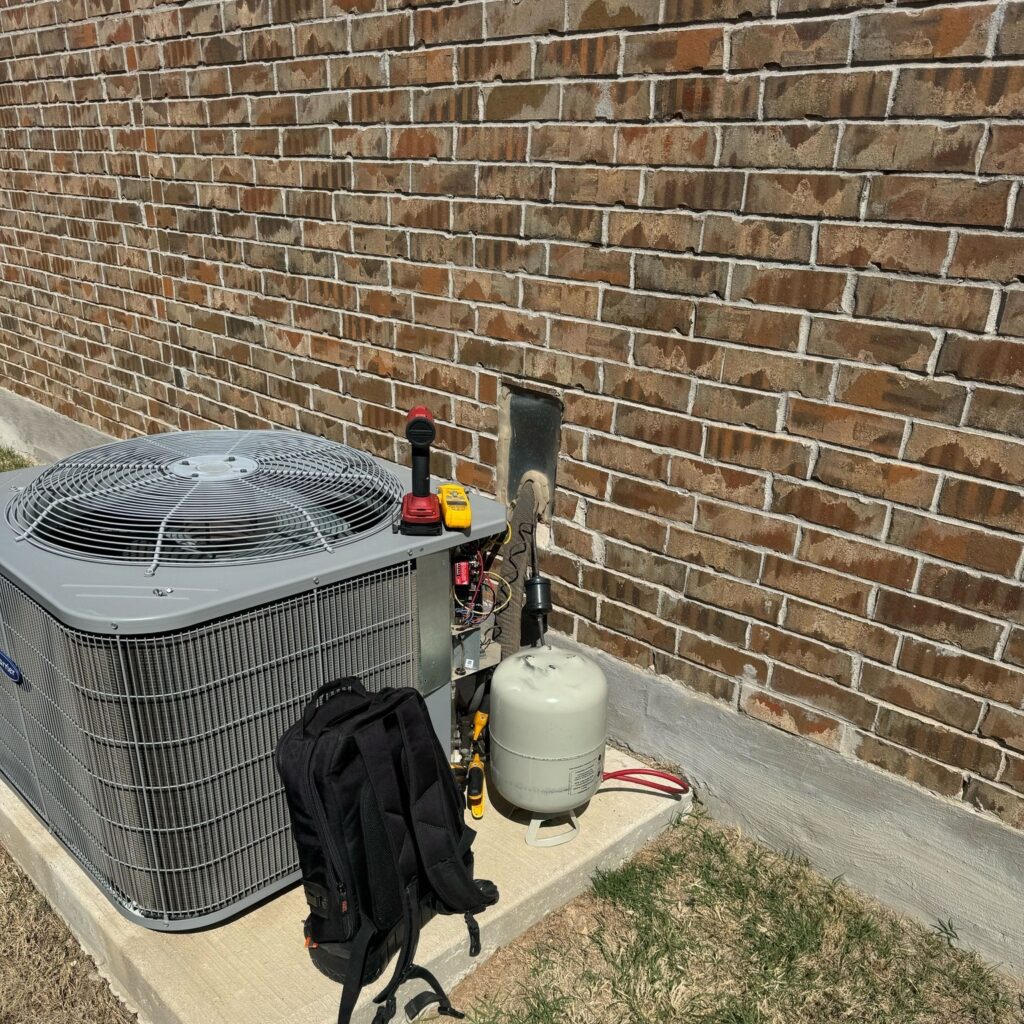
Package Unit Check Homeowner Readiness Guide
Key Takeaways About Package Unit Check
A package unit check reviews access clearance filters airflow and safety items on an outdoor all-in-one HVAC cabinet. This guide is for homeowners and property managers preparing a unit before a professional tuneup and matters before seasonal use.
- Identify blocked access points and clear two feet around the unit.
- Prevent airflow loss by checking and replacing dirty filters promptly.
- Avoid electrical hazards by noting damaged disconnects or exposed wiring.
- Spot duct and blower symptoms by feeling supply and return airflow.
- Reduce diagnostic delays by documenting access limits and recent damage.
- Plan seasonal checks including condensate drains coils and filter rotation.
Introduction
Before a technician arrives for a package unit check, access and basic condition issues cause the most delays. Blocked access, dirty filters, and restricted airflow all reduce system performance and extend service time. Homeowners often notice unusual noises, weak cooling, or higher humidity before a visit. Addressing obvious access and safety concerns helps the technician focus on diagnostic checks.
Good filter and airflow condition matter because they change how a technician reads system behavior. A clogged filter can mimic refrigerant or blower problems and hide underlying faults. Poor airflow also increases strain on the blower motor and can shorten component life. Noticing airflow problems early lets the pro confirm true causes rather than chasing symptoms.
Safety items around the package unit directly affect whether work proceeds right away. Combustible materials near the unit, damaged electrical disconnects, and unstable platforms create real hazards for a service visit. Technicians need safe, unobstructed workspace to perform tests like voltage readings and condensate checks. Homeowners in Trophy Club, TX often find outdoor closets and fences restrict access more than they expect.
Clear access and simple prechecks save time and reduce repeat trips after a tuneup. A technician will still perform measurements such as static pressure and voltage to diagnose issues accurately. In a common situation, a homeowner hears a grinding sound and reports weak airflow and the tech checks the blower motor, capacitor, and return grille before further steps. For properties in Southlake, TX this kind of readiness keeps seasonal tuneups efficient and focused on repairs that matter.

What A Package Unit Does And How It Works
A package unit is an all-in-one outdoor HVAC system that contains heating and cooling components in one cabinet. These units combine the compressor, condenser, evaporator coil, and blower into a single rooftop or ground-mounted assembly. Homeowners often ask what a package unit does when it runs oddly, it moves refrigerant and air to condition indoor spaces. Understanding those core parts helps a homeowner spot which area needs attention before a technician arrives.
- Compressor circulates refrigerant through the system.
- Condenser releases heat to the outdoors.
- Evaporator coil absorbs heat from indoor air.
- Blower moves conditioned air through ductwork.
Airflow begins when the return grille pulls warm air toward the evaporator coil where refrigerant removes heat. The blower must push treated air into the supply plenum and through ductwork to rooms. Restricted airflow often shows as weak vents or rooms that never reach set thermostat temperatures. A clear answer to whether airflow causes poor cooling is to feel return and supply temperatures during a package unit check.
Electrical and safety systems let the unit start and stop safely while protecting components from damage. The disconnect switch and fuses provide a visible safety point for the technician to isolate power before service. Professionals use voltage readings and continuity tests to confirm safe electrical operation during inspection. If the disconnect is damaged or inaccessible, the tech may delay work until it is made safe.
Condensate handling and refrigerant flow finish the operational cycle and affect indoor humidity. The condensate drain and pan must be clear so moisture leaves the unit without spilling into the building. Technicians will inspect the refrigerant line set for proper insulation and signs of leakage during a diagnostic check. For homeowners preparing a unit for seasonal temperature swings, see the guidance on preparing HVAC for temperature swings.
Common Causes Of Poor Airflow And Why It Happens
Restricted airflow often begins with simple duct problems like disconnected seams, crushed flex runs, or collapsed return boots. These issues reduce supply volume so rooms feel uneven and the blower runs longer than normal. A technician confirms this during a package unit check by measuring static pressure and checking airflow at supply and return grilles. If the ductwork shows visible damage, the tech will inspect connections at the supply plenum and register boots next.
Dirty evaporator coils and blocked condensate pans also cut airflow by limiting heat transfer and creating moisture buildup. When coils are fouled, cooling capacity falls and the system cycles more frequently while airflow feels weak. Technicians will visually inspect the coil and use a light or mirror to look for heavy debris and oil films during a package unit check. Proper coil access and cleaning restore airflow and improve temperature split across the evaporator.
A failing blower motor, worn belt, or bad capacitor produces reduced air movement and abnormal sounds like squealing or grinding. During diagnosis, a pro will check blower amperage, motor shaft play, and capacitor voltage to confirm a mechanical or electrical cause. Homeowners often report louder startup noise or slower fan speed when these components are failing, which guides the tech’s tests. For more on filter impacts and replacement timing see the guidance on HVAC filter replacement importance.
Return grille obstruction and improper filter fit create pressure imbalances that force air to find leaks in duct joints. This leakage lowers supply flow and may draw dust into the system, worsening coil and filter loading over time. In a common situation, the tech will remove the filter, run the blower, and check airflow improvement to isolate the filter versus blower problem. Homeowners in Trophy Club, TX and Southlake, TX should point out tight attic access or blocked returns before a tuneup to speed diagnosis.
How To Inspect Filters And When To Replace Them
Start by locating the filter access panel or return grille on the package unit cabinet and remove the grille carefully. Inspect the filter media for visible dust layers, dark streaks, or compressed pleats that block light through the filter. If the filter sits loosely or gaps remain at the frame, note the poor fit which can let unfiltered air bypass into the system. A proper fit directs air through the media so the blower sees clean airflow and consistent static pressure.
Hold the filter up to a light source to check loading and damage, this quick test shows whether fibers still allow light through. Look for signs of oil, sticky film, or wet spots that indicate condensate or refrigerant contact requiring professional follow-up. Also check the filter rack and surrounding seal for crumbs, debris, or buildup that reduce the effective filter area. If the filter pleats appear crushed, replace the filter to restore proper surface area and airflow balance.
For reusable filters, follow the manufacturer’s cleaning instructions and dry the media completely before reinstalling to prevent mold growth. Disposable pleated filters should be replaced rather than washed to maintain electrostatic properties and capture efficiency. During a package unit check a technician will measure return and supply temperatures and static pressure after filter replacement to confirm improved airflow. These readings help confirm whether the filter was the primary restriction or if deeper duct or blower issues remain.
Keep spare filters on hand with the correct MERV rating and dimensions to avoid wrong-size elements that cause leaks. Homeowners in Trophy Club, TX and Southlake, TX often overlook off-season filter changes that let particulates accumulate over months. For tips on managing airflow around registers and dampers after replacing filters see the guidance on HVAC airflow control tips. If you find oil, water saturation, or persistent odors, contact a professional before running the unit to avoid electrical or coil damage.
Checking Access Panels And Electrical Safety Steps
Before the technician opens panels, confirm all access panels latch properly and seat without forcing, because warped or missing fasteners create hazards. Check that the panel edges are free of sharp metal and that weatherstripping remains intact to prevent debris entry. If the panel uses screws or thumbscrews, make sure they are present and not corroded so the tech can remove them safely. A visible grounding conductor at the panel base is a good sign the electrical enclosure is intact.
- Locate the electrical disconnect and verify it is labeled clearly.
- Ensure the disconnect handles move freely and show no melting.
- Keep combustible materials away from the unit cabinet area.
- Note any frayed conduit or exposed wiring for the technician.
Inspect the exterior disconnect box for signs of water intrusion and corrosion because moisture damages fuses and contacts over time. If you see rust, burned marks, or melted plastic, flag it for the technician before they start tests. Avoid touching the disconnect or its terminals and leave any cover removal to the pro, since live parts may be present even when the unit is off. Mentioning these observations helps the technician plan for safe voltage and continuity checks during the package unit check.
Look under the unit for unsecured wiring, damaged conduit, or loose strain relief fittings that could cause intermittent faults during operation. A technician will use a voltage reading and a continuity test on suspect circuits to confirm power integrity and check capacitor and contactor function. If condensate has pooled near electrical components, do not power the unit and tell the tech immediately, since moisture and electricity create medium-level risks. Homeowners in Trophy Club, TX or Southlake, TX should point out recent storms or access limitations that might affect electrical condition during the visit.
Clearances And Outdoor Debris Prevention Tips
Keep at least two feet of clear space around the cabinet to allow airflow and technician access during a package unit check. Trim nearby shrubs and remove leaf piles that can block condenser airflow or migrate into louvers. Check under and around the unit for grass clippings, pine needles, or loose mulch that may wash into the cabinet during rain. If the unit sits on a pad, confirm the pad remains level so water does not pool near the base.
Inspect any nearby lattice, fence panels, or storage that might funnel debris into the unit or restrict service clearance. Secure loose boards or remove temporary items that sit within the service perimeter so the technician can open panels easily. If the unit is near a return grille, review correct return sizing and configuration to avoid starving the system, see guidance on return air sizing. Poor return sizing can exacerbate debris sensitivity and lower system resilience during heavy pollen seasons.
Check the condensate pathways and surrounding ground for signs of erosion or plant growth that could redirect water toward the cabinet and pull dirt into vents. Keep sprinkler heads adjusted so they do not spray directly onto the unit during irrigation cycles. Look for nests or insect activity in louvers and around fan openings and remove them carefully or notify the technician if you suspect an active nest. Rodent or bird nesting debris can clog drain paths and reduce condenser heat rejection efficiency.
For example, a homeowner finds a layer of pine needles in the base pan and reports reduced cooling performance to the technician who checks coil cleanliness, fan spin, and drain clearance.
How To Test Airflow Performance And Decision Points
Begin by feeling airflow at a supply register and the nearest return grille while the system runs, noting differences in strength and temperature. Measure room-to-supply temperature drop with a simple thermometer to estimate system capacity under load. Technicians often compare these readings to recorded supply and return deltas during a package unit check to pinpoint losses. If supply air feels warm or barely moving, that guides next inspection steps.
Check for velocity and balance by temporarily removing a supply grille and feeling the airstream close to the plenum connection, watching for turbulence or weak flow. A professional will measure static pressure across the coil and in the return plenum to confirm whether ducts or the blower cause the restriction. Homeowners can report abnormal sounds like rattling or strains that suggest an obstructed fan or loose components. These observations form decision points for deeper blower or ductwork inspection.
Inspect the filter location and then run the system to observe immediate airflow change after replacing or removing a suspect filter while noting any improvement. If airflow improves notably, the technician will verify blower amperage and capacitor condition as part of the package unit check to confirm the blower still operates within expected ranges. Persisting weak flow despite a clean filter indicates duct leaks, collapsed flex, or an undersized return that needs further testing. In a common situation, a homeowner notes steady weak supply after filter change and the pro traces pressure loss into the duct system.
Watch for moisture or ice on the evaporator coil and refrigerant lines during the test because those signs affect airflow and heat transfer. A technician uses temperature split, static pressure, and visual coil checks to determine whether refrigerant or drainage issues reduce airflow. If you encounter active water, oil stains, or foul odors, pause the unit and inform the technician before any further tests. For advice on diagnosing blocked registers and returns see the section on blocked air vents, and mention access issues common in Trophy Club, TX or Southlake, TX when scheduling a tuneup.
When To Call A Professional For Package Unit Check
Call a technician when you notice persistent symptoms after basic prechecks, such as constant warm supply air or repeated tripped breakers. These ongoing issues usually mean the problem goes beyond simple filter or clearance fixes and needs professional diagnostic tools. A pro can perform voltage readings, measure blower amperage, and test static pressure to confirm electrical or airflow faults. If you detect burning smells or visible smoke, stop the system and call a technician immediately for safety reasons.
- Repeated circuit trips indicate electrical faults.
- Warm supply air after cleaning suggests refrigerant or coil issues.
- Visible water near electrical parts requires immediate attention.
- Unusual grinding or scraping sounds need motor inspection.
Arrange service when access problems prevent safe inspection, like locked rooftop cages or blocked service panels that you cannot move. A technician will need clear access to perform pressure measurements and remove panels for coil and blower checks during a package unit check. Mention any recent storm damage or animal activity that could hide wiring or clog drains so the pro brings proper tools. In Trophy Club, TX this helps avoid delayed trips when rooftop access complicates the visit.
Schedule a professional if you suspect refrigerant leaks, since only trained technicians can handle refrigerants and perform leak tests safely under EPA rules. The tech will inspect line sets, look for oil stains, and use gauges to confirm charge and pressures during the diagnostic. If condensate pooling or mold odors persist after cleaning, call a pro to inspect the pan, trap, and drain for hidden blockages. For guidance on safety-focused inspections, review the resource about HVAC safety inspections importance before your appointment.
Contact a technician when intermittent faults appear, like sporadic cooling or fluctuating fan speed that you cannot reproduce reliably. Professionals use repeatable tests such as run-time monitoring, temperature split checks, and continuity tests to capture intermittent failures during a package unit check. If the system shows erratic thermostat control or unexpected cycling, the tech will test the control circuit and contactor operation next. When scheduling, note any access limitations at the property in Southlake, TX so the technician can prepare for safe and efficient diagnostics.
Seasonal Maintenance Tasks To Prevent Future Problems
Establish a seasonal checklist you follow before each cooling and heating season to prevent avoidable failures. Include inspecting the condensate trap and drain for slow drainage and standing water that may indicate developing clogs. Schedule gentle coil brushing or rinsing if accessible, which helps maintain heat transfer and reduces blower run time. Note any persistent odors or visible oil so the technician can prioritize leak and coil checks during a package unit check.
Replace or clean filters on a set cadence based on household conditions like pets and dust levels to keep airflow stable. Rotate in a fresh filter before heavy-use months to reduce static pressure and extend blower motor life. Inspect register positions and damper settings seasonally to balance rooms and avoid overworking parts. If access to the outdoor unit is limited, clear approach paths so a technician can perform full airflow and static pressure diagnostics.
Test safety items such as the disconnect, visible wiring, and cabinet fasteners before turning the unit on for the season to prevent avoidable service delays. Secure loose panels and tighten missing fasteners you can access safely, and report any melted or corroded electrical parts for professional attention. Check for animal activity or nesting around louvers and remove debris that could block the fan or coil. Homeowners in Trophy Club, TX should record these observations to mention at the time of the package unit check.
Plan seasonal walk-around inspections after storms and before warranty periods end to catch settling pads, cabinet damage, or tilted mounting that affect operation. Photograph any concerning damage and keep notes about when the issue began to help the technician diagnose intermittent faults. Share access limitations or rooftop restrictions when booking service so the pro brings needed equipment and permits. When preparing for major work like replacement, review what to expect using the guidance on what you need to know before scheduling air conditioner installation, and mention access concerns in Southlake, TX if they apply.
Frequently Asked Questions
What should I clear around a package unit before a tuneup?
Clear at least two feet of space on all sides of the package unit so a technician can access panels and service points safely. Remove leaves, grass clippings, loose mulch, and toys that block airflow or hide damage. Trim back shrubs and branches and rake away debris to prevent it from falling into the condenser during the package unit check. If you find bird nests, rodent damage, or exposed wiring, stop and call a professional because those pose safety risks.
How do I check filters prior to a package unit check?
Locate the filter access panel on the package unit and turn off power at the disconnect before opening any covers to stay safe. Slide out the filter and hold it up to light, heavy dirt, visible dust layers, or blocked airflow mean replacement. Note the filter size printed on the frame and write it down for the technician to bring the correct replacement. If the filter is moldy, torn, or you smell mildew, stop and call a professional because that indicates a sanitation or drainage issue.
What airflow signs indicate a deeper duct problem?
Weak or uneven supply at vents, especially when nearby registers blow hard, often signals duct leaks or poor balancing that require investigation. Cold or hot spots in rooms despite correct thermostat settings suggest blocked, crushed, or disconnected ducts reducing delivered airflow. A persistent whistling, rattling, or unusual airflow noise during a package unit check can indicate gaps, loose connections, or undersized ducts needing professional repair. If you smell mold, persistent dust, or see excessive condensation, stop use and call a technician because health and safety risks may exist.
Which safety items need inspection before service?
Before a package unit check, inspect the access path and clear vegetation or debris that blocks entry to the unit. Check the service panel and disconnect switch for damage, loose covers, or signs of burning, do not touch exposed wiring. Verify the condensate drain is unobstructed and that visible refrigerant lines are intact without oil stains or kinks. If you smell gas, see melted insulation, or find major electrical damage, stop and call a professional for safety.
How do I report access limitations for a package unit check?
Take clear photos or a short video showing gates, fences, locked enclosures, or overgrown plants blocking the unit before your appointment. Describe any keypad codes, gate hours, or pet concerns in the service notes or when you call to schedule. If the unit sits on a roof or requires ladder access, warn the dispatcher and request a technician with proper fall-protection training. If access poses a safety risk, do not attempt entry yourself and ask the technician to assess and handle it.